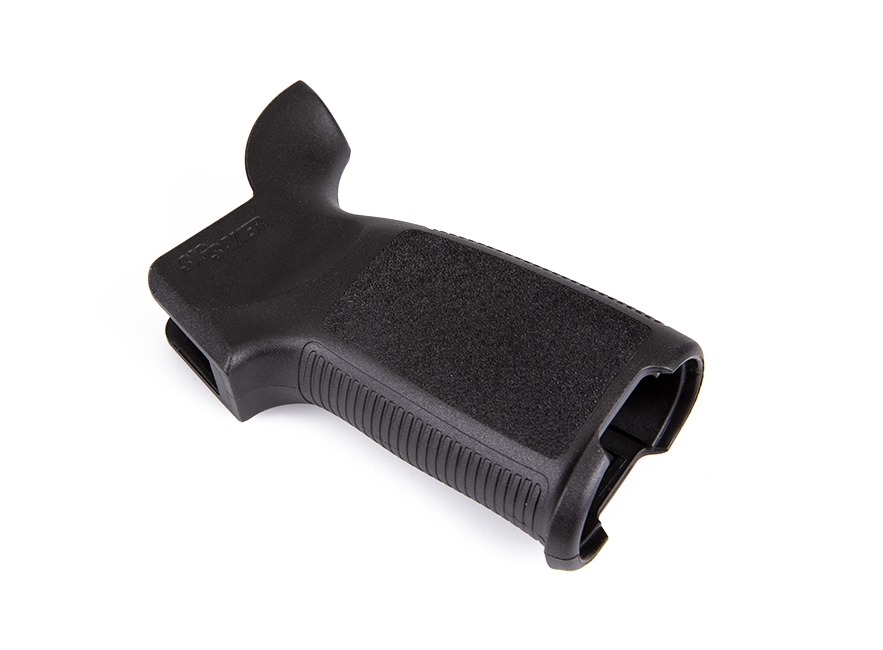
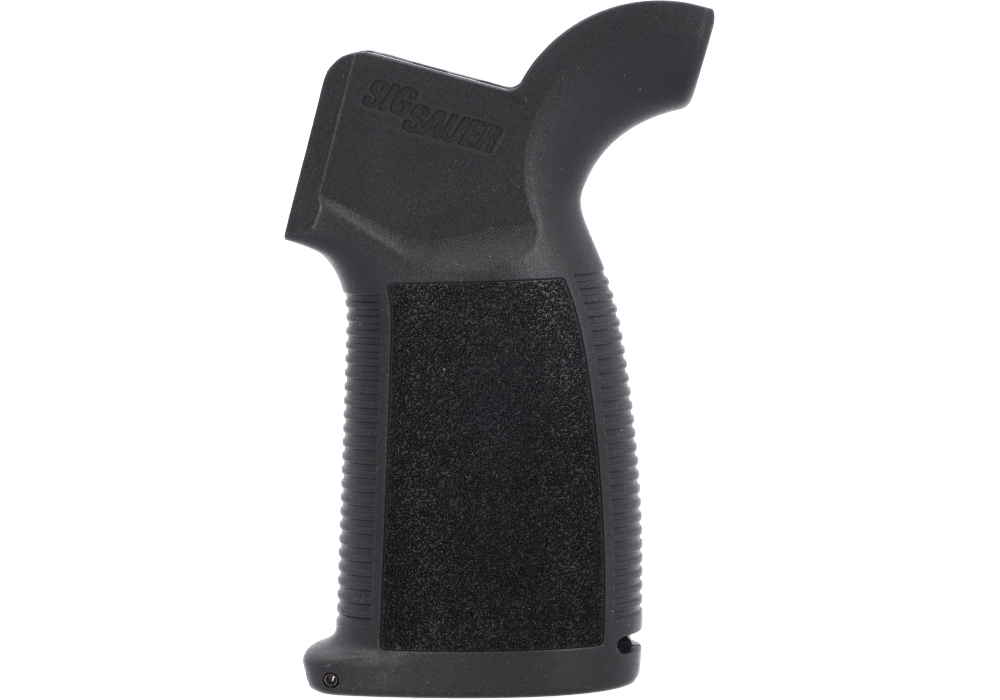
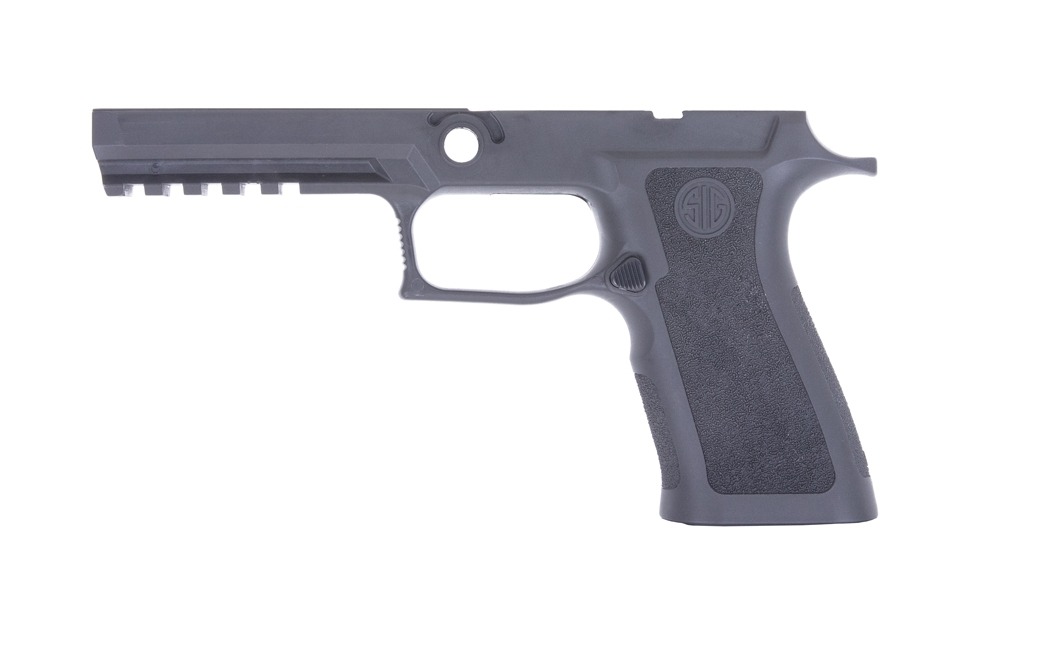
Lightweight pistol grips are a practical upgrade for shooters who want to reduce unnecessary weight while improving the way a firearm feels in the hand. Although the name can suggest a handgun accessory, many lightweight pistol grips are designed for AR-15 platforms, other modular firearms, and rifle chassis systems, where the grip serves as a primary contact point and can strongly influence balance and control. A lighter grip can help trim ounces from a complete build without changing the function of the action, barrel, or optic, making it useful for a compact range setup, a field rifle carried over uneven ground, or a carefully tuned competition configuration. Common materials include slim polymer, carbon fiber, and skeletonized or machined metal, each offering a different combination of weight, stiffness, texture, and appearance. Polymer grips are often valued for their practical durability and comfortable feel, while carbon fiber designs focus on significant weight savings with a rigid structure. Skeletonized metal options can provide a distinctive balance of strength and minimal material, though their shape, surface finish, and edge treatment deserve close attention. The lightest option is not automatically the best choice for every firearm or shooter. Grip angle, circumference, palm swell, beavertail shape, storage features, and texture all affect how naturally the hand settles into position. A slim grip may suit smaller hands or a minimalist build, while a fuller profile can provide more support during extended practice. Shooters who wear gloves may prefer a slightly more open contour and pronounced texture, whereas those who shoot primarily in warm conditions may appreciate a smoother surface that does not create hot spots during repeated handling.
When comparing lightweight pistol grips, start with compatibility. Confirm that the grip is intended for the specific firearm platform or chassis, and check the manufacturer’s requirements for mounting hardware, grip angle, and any internal components that may need to transfer from the original grip. A grip that fits the screw pattern but does not clear the receiver, trigger mechanism, safety selector, or chassis structure is not a suitable match. It is also worth checking whether the design includes an enclosed backstrap, an open skeletonized profile, or a weather-resistant compartment for small accessories. Weight specifications can be helpful, but compare them on an equal basis: some listings include the mounting screw and hardware, while others describe the grip alone. A difference of an ounce or two may be meaningful on an ultralight build, but comfort and secure control remain more important than chasing the lowest listed number. Texture should allow a firm hold without forcing the shooter to grip excessively hard, especially during longer sessions or when the firearm is carried with a sling. A carefully shaped grip can help the wrist remain in a more natural position and may make it easier to manipulate the firearm consistently from a bench, prone position, or supported field position. Installation is usually straightforward for a compatible component, but the firearm should be completely unloaded, the chamber checked, and the manufacturer’s installation instructions followed. After installation, inspect the grip for movement, confirm that controls operate freely, and verify that all fasteners are properly secured according to the specified instructions. Function checks should be performed in a safe setting before live use, and any uncertainty about fitment or installation is best addressed by a qualified gunsmith.
A lightweight pistol grip can make a thoughtful gift for a recreational shooter, a builder assembling a streamlined rifle, or someone preparing a modular firearm for training and outdoor use. It is especially useful for people who spend time carrying a firearm between firing positions, hiking to a range, or refining a setup around a particular optic, stock, and handguard combination. The best gift choice is generally based on the recipient’s firearm platform, preferred grip angle, hand size, and shooting habits rather than appearance alone, so keeping the receipt or confirming compatibility in advance can prevent an otherwise attractive accessory from becoming an ill-fitting part. Lightweight designs can also complement other weight-conscious upgrades, but balance should be considered as a complete system. Removing weight from the grip while adding a large optic or extended accessory farther forward may not produce the expected handling improvement. Conversely, a thoughtfully matched grip can help a compact firearm feel less bulky in the hand and easier to position during deliberate shooting. Shooters who prefer a more substantial, planted feel may want to compare these designs with Heavy Gun Grips before choosing a direction. During the warmer months, breathable gloves and a secure, non-abrasive texture can matter during long range sessions; as conditions turn cooler, a grip that remains easy to index with gloved hands may be more practical. Whether the goal is to reduce ounces, refine ergonomics, refresh a well-used build, or give a useful accessory to a firearm enthusiast, lightweight pistol grips offer a focused way to personalize handling without replacing the larger components that define the firearm’s performance.