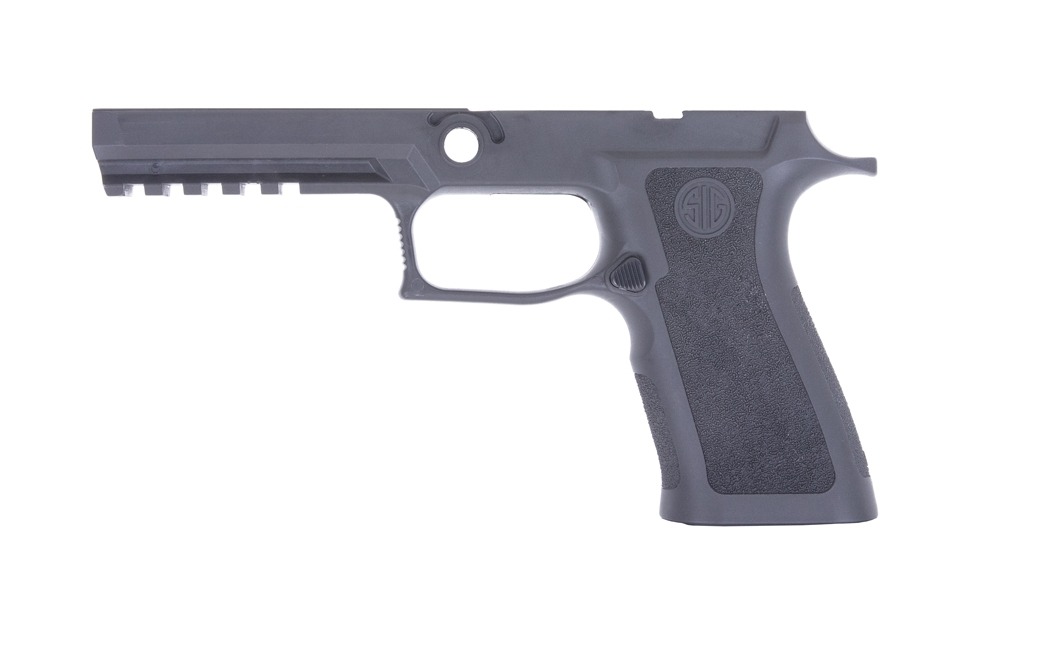
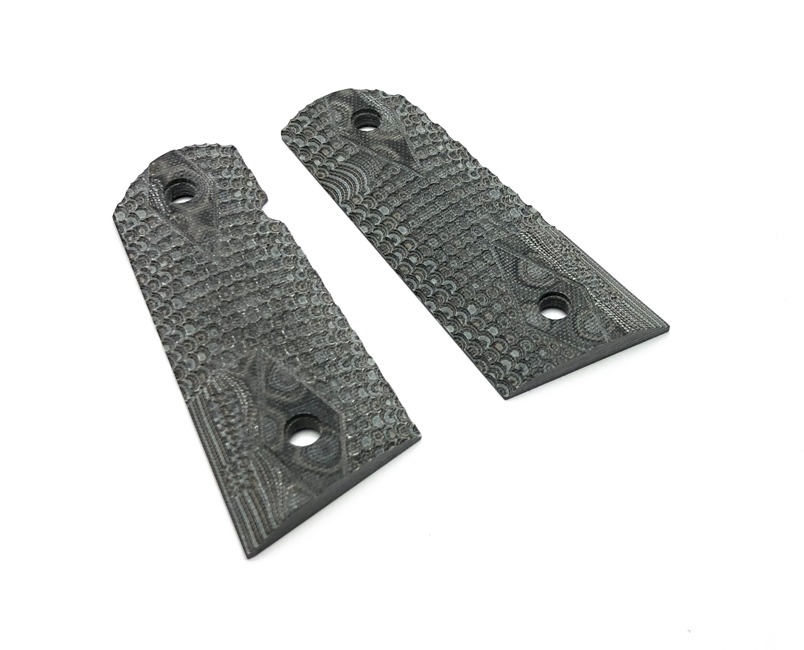
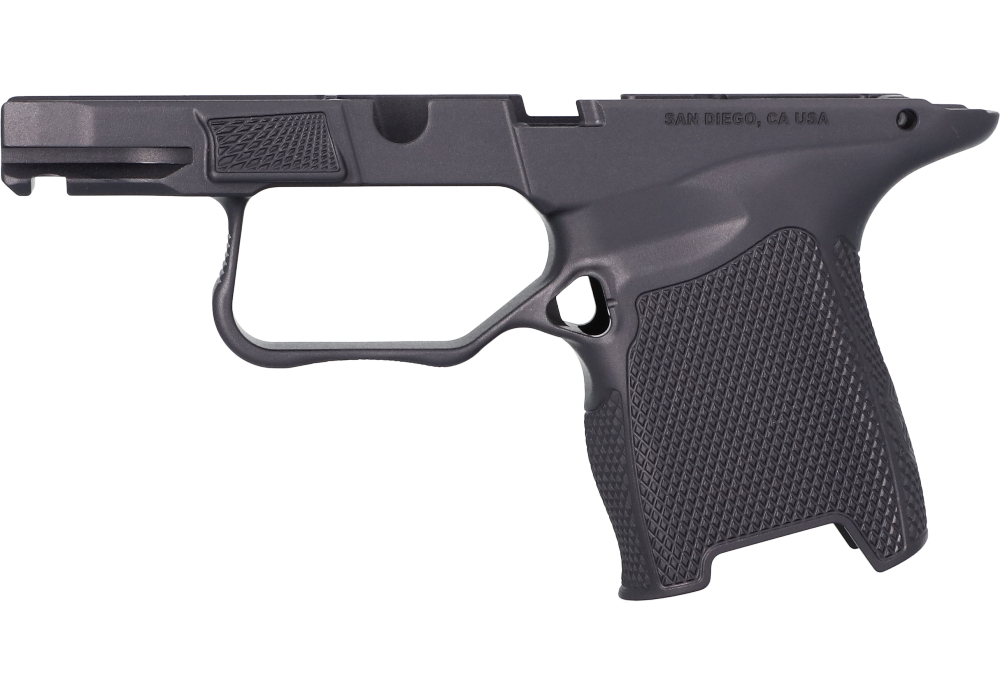
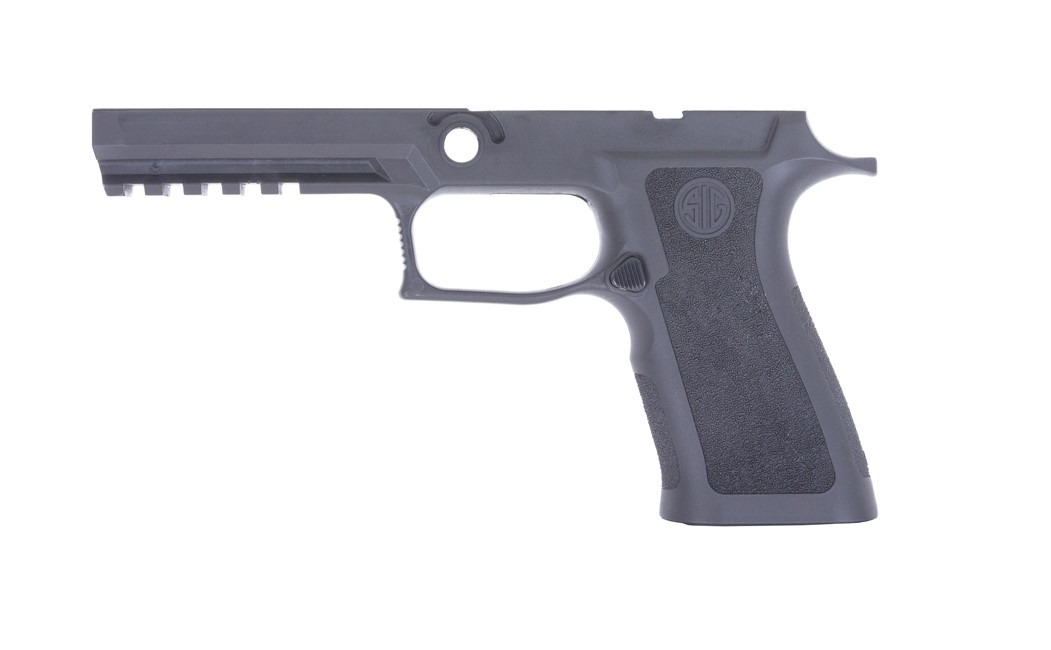
Gray grips for compact pistols offer a practical way to refine the appearance, texture, and handling characteristics of a smaller handgun. The neutral gray color pairs naturally with black, stainless, and two-tone finishes, giving a compact pistol a balanced look without drawing excessive attention to the grip. For many owners, the appeal goes beyond appearance. A grip is one of the few parts of a handgun that remains in constant contact with the shooter’s hand, so its shape, surface texture, and material can influence comfort and control during practice, carry, or storage. Gray grip options are available in several configurations, including replacement panels for metal-frame pistols, textured polymer modules for modular designs, rubberized wraps, and adhesive grip enhancements. When choosing among them, start with exact compatibility. Compact pistols can vary significantly in grip length, frame contours, screw spacing, magazine-release clearance, and ambidextrous control layout, even when they appear similar at a glance. A grip made for one compact platform may not fit another, and a panel intended for a particular frame size can interfere with controls or leave gaps if the specifications are not matched carefully. Review the listed firearm compatibility, installation requirements, and included hardware before ordering. For owners who prefer a factory-style appearance, a replacement module or molded polymer grip may provide the cleanest fit. Those seeking a more pronounced texture may favor machined laminate materials, while shooters who spend extended time practicing may appreciate the softer feel of a rubberized surface. The right gray grip should complement the pistol while supporting a secure, repeatable hold.
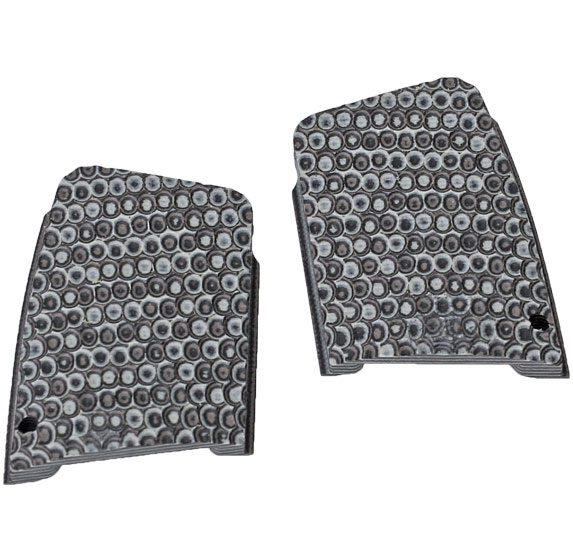
Material is one of the most important considerations when comparing gray grips for compact pistols. Textured laminate grips are valued for their rigidity, dimensional stability, and sharply defined surfaces. Their checkering or pattern can provide a confident purchase, especially when the shooter is wearing gloves or working in damp conditions, although an aggressive texture may feel abrasive during extended practice or against clothing during concealed carry. Rubber grips and overmolded options generally offer a more cushioned interface, helping reduce hot spots along the palm and fingers during longer range sessions. They can also provide a slightly tackier feel when hands are perspiring, but softer materials may collect lint or show wear more quickly than rigid panels. Molded polymer grips are lightweight, easy to maintain, and often available in modular formats that allow the shooter to select among different backstrap sizes or contours. Adhesive overlays and grip wraps are another option for owners who want to alter surface texture without replacing the original frame or panels. These can be useful for fine-tuning hand placement, filling small spaces in the palm, or adding traction to a smooth factory surface, but installation requires a clean, dry frame and careful alignment. Before fitting any grip, unload the pistol completely, remove the magazine, confirm the chamber is empty, and follow the manufacturer’s instructions for disassembly and installation. Check that the grip does not restrict the trigger, magazine release, slide stop, safety, or other controls. After installation, perform a careful function check according to the firearm’s owner’s manual, then confirm the fit during supervised practice with an unloaded firearm before returning to live fire. Owners comparing grip dimensions may also want to explore Medium Grip 9mm Compact Pistols when considering how grip size affects reach, concealment, and overall handling.
Gray grips can suit a wide range of compact-pistol owners, from someone setting up a first handgun to an experienced shooter refreshing a familiar setup. A neutral gray finish works well for a practical everyday configuration, a range pistol with a subdued two-tone appearance, or a backup handgun that needs a straightforward visual distinction from other firearms in a collection. It can also be a thoughtful gift for a responsible firearm owner when the recipient’s exact pistol model and preferred grip style are known. Because fit is so specific, a gift card or an exchangeable accessory is often safer than guessing at compatibility. For someone who spends cooler months practicing outdoors, a textured grip can help maintain consistent contact when gloves, changing weather, or damp hands affect dexterity. During warmer conditions, a breathable shooting glove or a grip surface that manages perspiration may make a noticeable difference during repeated drills. Compact-pistol owners who carry regularly may prioritize a smooth profile that reduces snagging on clothing, while range-focused users may prefer deeper texturing that locks the hand in place during rapid strings of fire. Hand size also matters: a grip that feels ideal to one shooter may force another to stretch for the trigger or wrap the little finger awkwardly beneath the frame. Pay attention to circumference, palm swell, finger grooves, beavertail shape, and the distance to the controls. Whenever possible, compare measurements with the current grip and consider how the chosen material will feel with bare hands and with the gloves used most often. Routine care is simple but important. Wipe away oil, dust, and perspiration with a suitable cloth, inspect screws and attachment points for loosening, and avoid cleaning chemicals that may damage rubber, adhesive, or color-infused materials. Store the firearm unloaded and secured in accordance with local law and the owner’s manual. With the correct fit and a surface that matches the shooter’s hand, gray grips for compact pistols can provide a refined appearance and a more comfortable, dependable interface for safe handling.