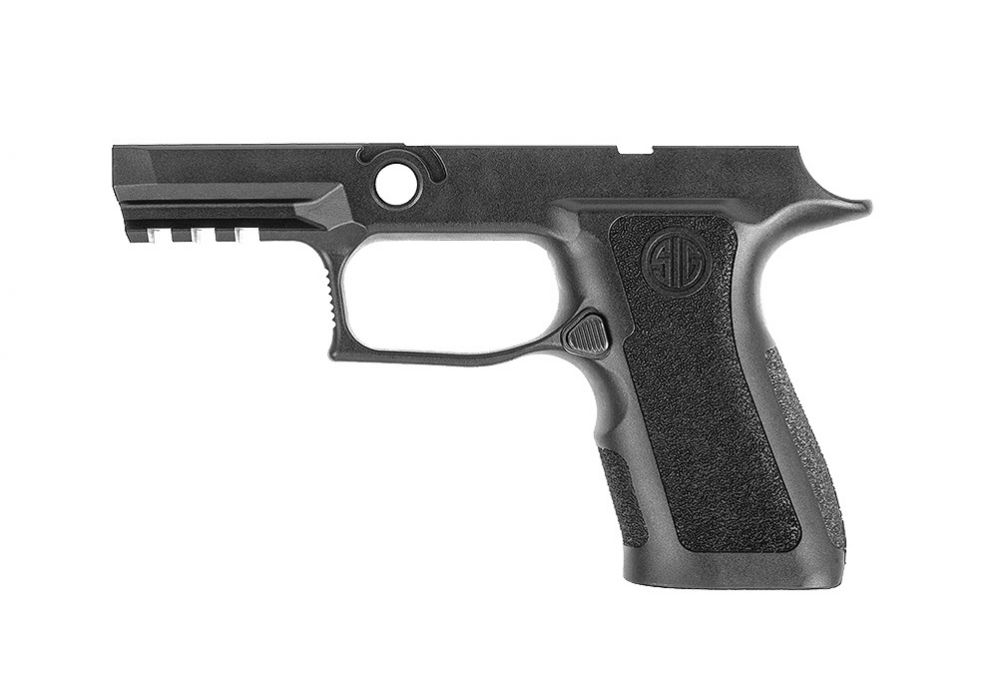
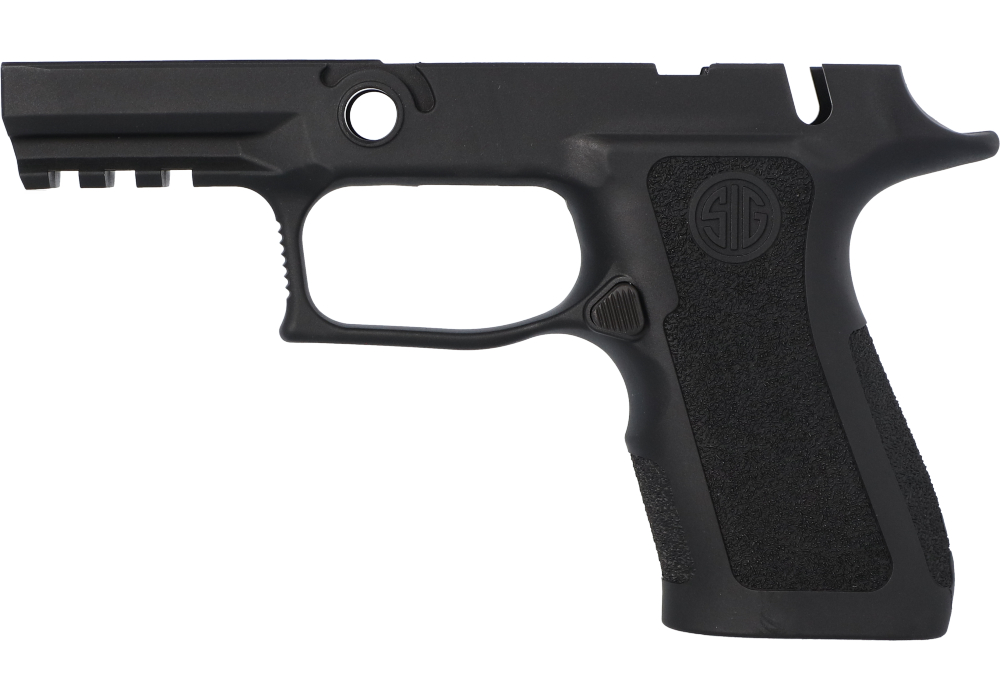
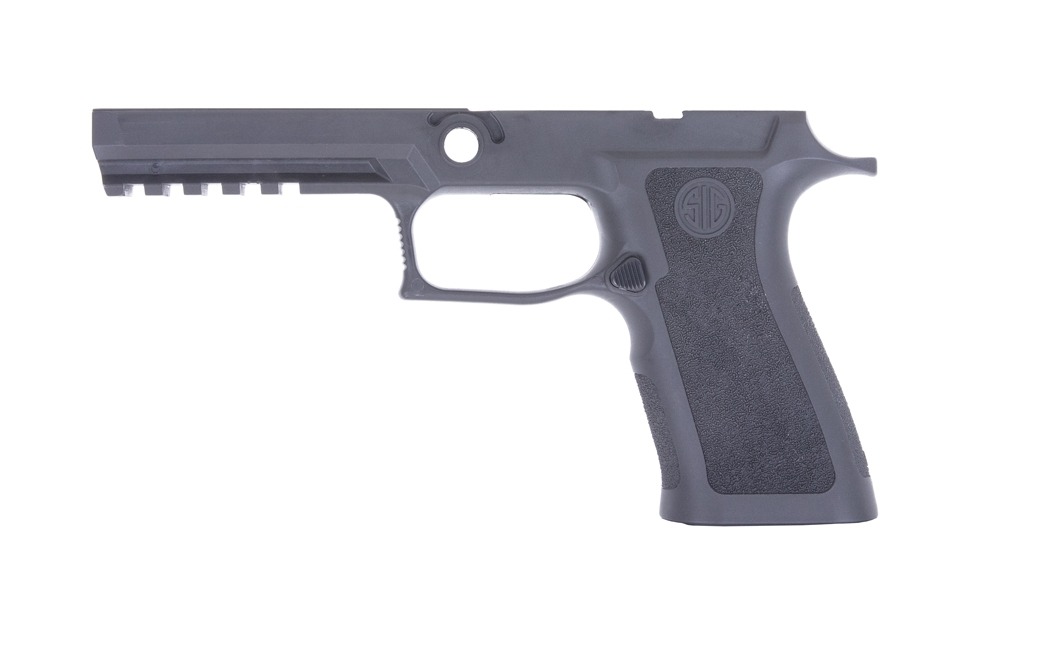
Long lasting grip modules for compact pistols offer a practical way to refresh the feel, handling, and everyday durability of a modular handgun without replacing the complete firearm. A grip module serves as the foundation for the fire-control components, magazine interface, and hand contact points, so its dimensions and compatibility matter as much as its appearance. Before choosing one, confirm the exact pistol family, generation, slide length, internal chassis fit, magazine configuration, and whether the module is intended for a standard or extended capacity setup. Compact pistols often look similar across variations while using different grip lengths, rail dimensions, or internal components, and a small mismatch can affect assembly or function. For concealed carry, a shortened grip profile may reduce printing beneath a shirt or light jacket, while a slightly longer grip can provide more purchase for the palm and make reloads easier. Those who use a compact pistol for range practice, home protection, training, or daily carry may appreciate having a grip module tailored to the way the handgun is held most often. It can also be a thoughtful gift for a responsible firearm owner who already has compatible internal components and wants to personalize the fit without changing the entire platform. As with any firearm accessory, verify fitment against the manufacturer’s specifications and follow safe handling practices during installation, inspection, and function checks.
Materials and construction have a direct effect on how a grip module feels after months of use. Reinforced polymer remains a popular choice because it is lightweight, resilient, and comfortable against the body during extended carry. Quality polymer modules may include molded-in reinforcement, carefully shaped contours, and texture designed to withstand repeated contact with clothing, holsters, training equipment, and cleaning products. A fine stippled surface can provide dependable traction without feeling overly abrasive, while a more pronounced pattern may be useful for sweaty hands, outdoor practice, or fast presentations from a holster. Machined aluminum and other metal options provide a denser, more substantial feel, and the added weight can help settle the pistol during rapid strings of fire. Some designs use replaceable grip panels, allowing the shooter to adjust texture or palm coverage as preferences change. Tungsten-infused or otherwise weighted polymer constructions occupy a middle ground, preserving much of the durability and comfort associated with polymer while adding weight to the lower portion of the pistol. Ergonomic details such as an undercut trigger guard, beavertail, thumb ledge, rounded concealment contours, and a flared magazine well can influence control as much as the primary material. Look for consistent molding or machining, clean edges, secure attachment points, and a texture that supports a firm grip without creating hot spots during a long practice session. For shooters who prefer more palm coverage, compare these compact options with Large Backstrap Grip Modules for Handguns to determine whether a fuller backstrap better suits hand size and shooting style.
Selecting a long lasting grip module is ultimately a balance between durability, concealment, control, and personal fit. Someone who carries throughout the warmer season may prioritize smooth outer contours and a texture that stays secure without catching on clothing, while a shooter who spends cooler months training outdoors may place greater value on pronounced indexing areas and reliable traction with gloves. A grip that feels excellent during a brief dry-hand check may feel different after several magazines, so consider how the frame supports the middle and lower fingers, whether the trigger finger rests naturally outside the guard, and whether the thumb can reach its preferred position without shifting the hand. The magazine release should remain accessible, and the magazine should seat and drop cleanly when the pistol is unloaded and handled safely. Holster compatibility deserves equal attention: changes in the dust cover, rail, grip length, or trigger guard shape can affect retention and fit. After installation, inspect all interfaces, confirm that controls move as intended, and complete an appropriate unloaded function check followed by supervised live-fire testing at a proper range. Keep the module clean with manufacturer-approved methods, avoid harsh solvents unless the material is rated for them, and periodically check for unusual wear, looseness, cracks, or damaged texture. With the right fit and sensible care, a durable compact pistol grip module can provide a more confident hold through everyday carry, regular practice, and changing conditions during the warmer and cooler parts of the year.