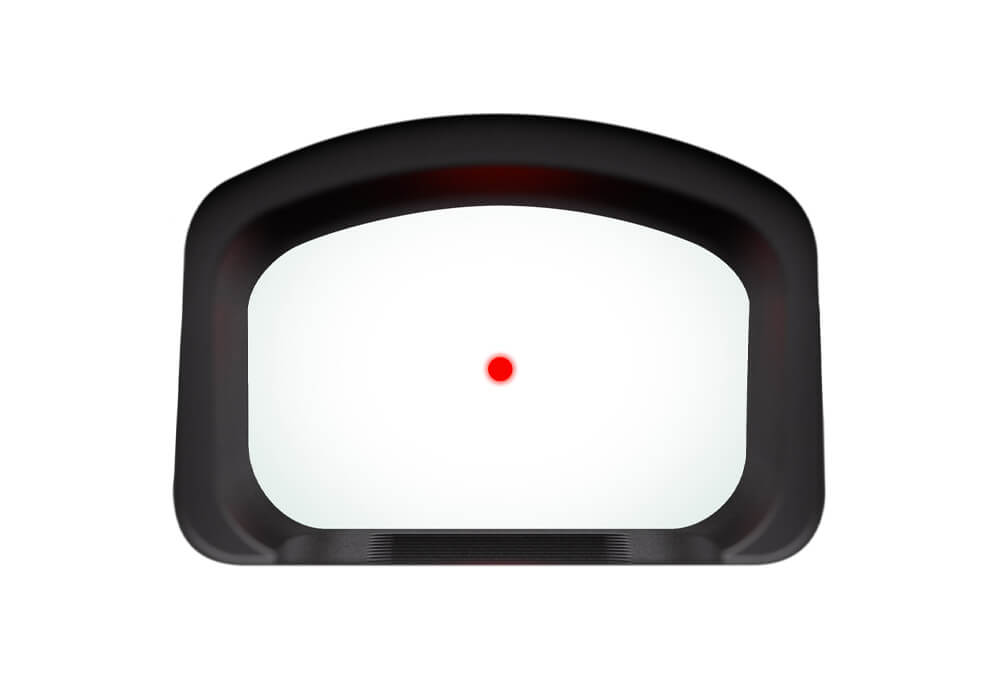
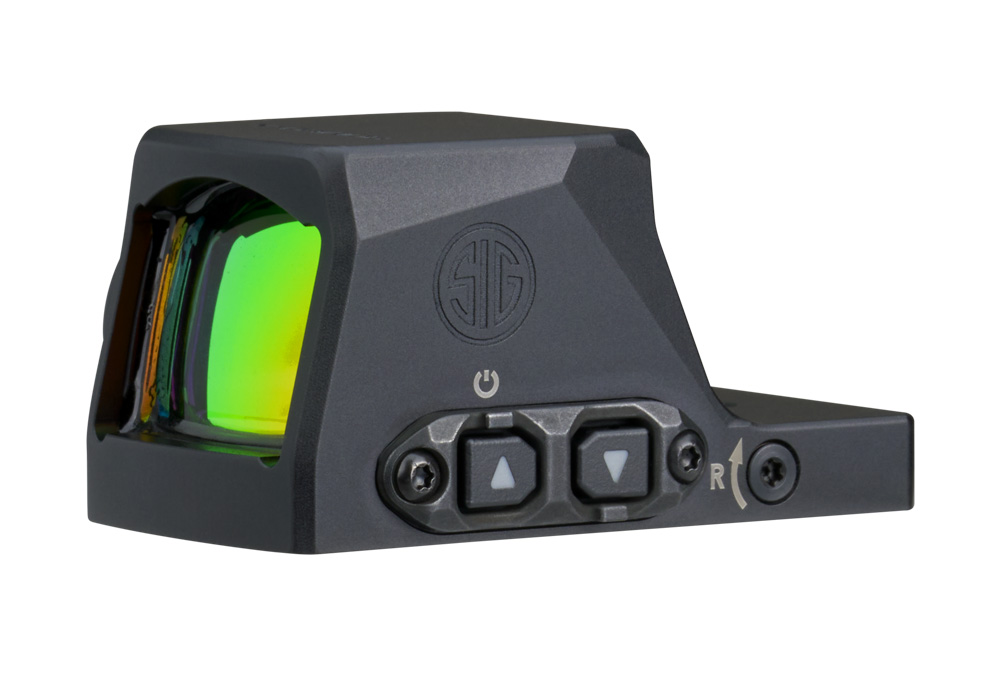
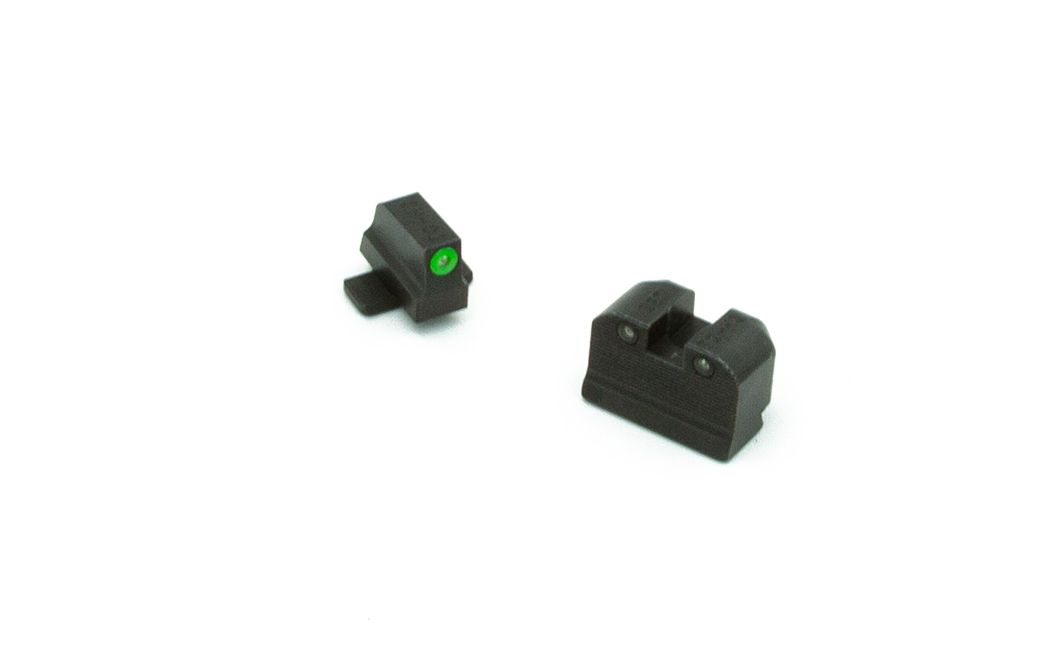
As the seasons shift and the days grow shorter, hunters gearing up for the colder months know that reliable optics can make all the difference in the field. Winter hunting presents unique challenges—glare from snow, biting winds, and the ever-present threat of fogging lenses. Optics built for these conditions are designed with features that go beyond the basics, offering robust waterproof and fog-proof seals to keep the view clear, even when the weather turns unpredictable. Oversized turrets and controls are a practical touch, allowing for easy adjustments while wearing heavy gloves. The best winter-ready optics also incorporate fully multicoated lenses, which reduce reflections and maximize light transmission during the low-light hours of early morning and late afternoon—prime times for spotting elusive game. Thermal and digital night vision optics are increasingly popular, offering a distinct advantage when tracking game in high-contrast, snow-covered environments. The ability to pick out subtle heat signatures against a cold backdrop can be a game changer, especially for those pursuing predators or feral hogs in open country or dense timber.
Selecting the right optic for winter hunting is a personal decision, shaped by the terrain, target species, and preferred style of hunting. For those who find themselves moving between thick woods and open fields, variable magnification scopes provide the flexibility to adapt to changing sightlines. Hunters who favor long sits in blinds or stands appreciate optics with extended battery life and frost-resistant displays, ensuring reliable performance throughout the day. Cold weather can sap the strength from standard batteries, so many experienced hunters carry spares—often lithium types—in an inside pocket to keep them warm and ready. Anti-fog treatments and careful handling help prevent condensation, especially when transitioning optics from the cold outdoors to a warm vehicle or cabin. These thoughtful details not only extend the life of your gear but also ensure that you’re ready when that fleeting opportunity presents itself.
Optics for winter hunting also make thoughtful gifts for the dedicated outdoorsperson in your life. Whether it’s a seasoned hunter looking to upgrade their setup or someone new to the sport, quality optics are a practical investment that enhances safety, accuracy, and enjoyment in the field. Many hunters recall moments when a clear, bright sight picture made all the difference—spotting a whitetail against the snowy brush at dawn, or tracking a coyote across a frozen meadow as the light faded. These are the experiences that make winter hunting memorable, and the right optic is a trusted companion through them all. For those interested in exploring more specialized options designed to meet the demands of challenging conditions, our selection of Hunting Battle Optics offers solutions built to perform when it matters most. Investing in quality optics tailored for winter use means more confidence, more opportunities, and more unforgettable moments in the outdoors.