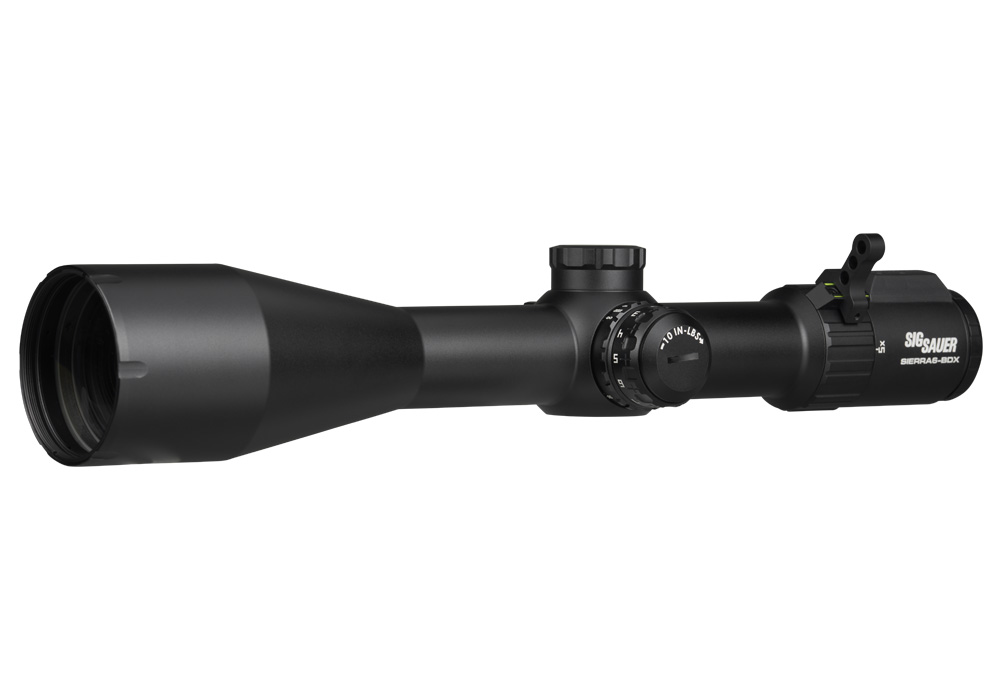
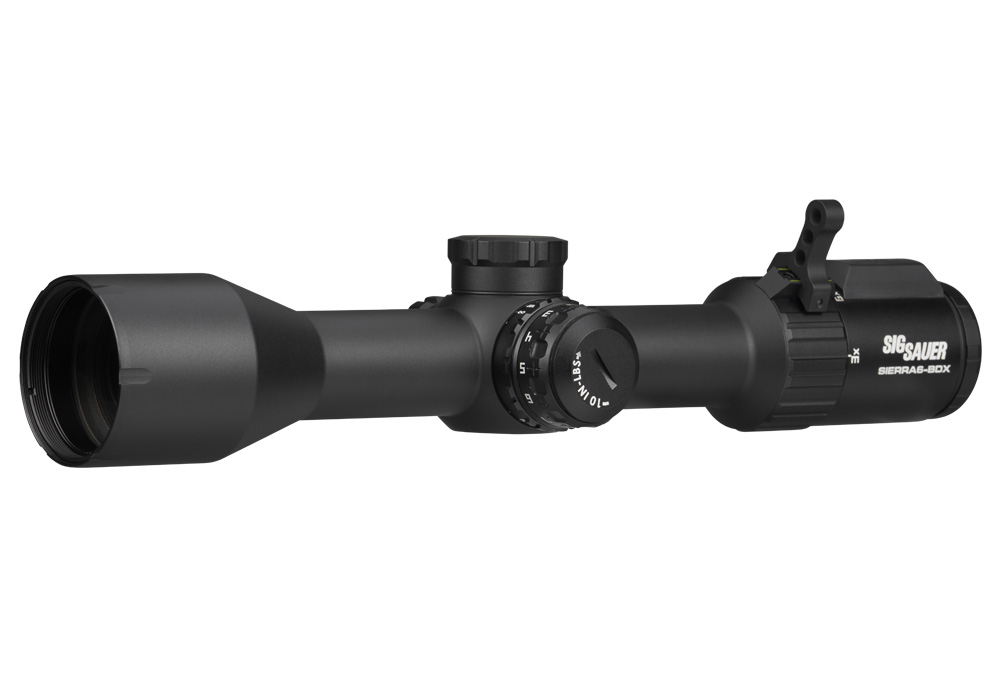
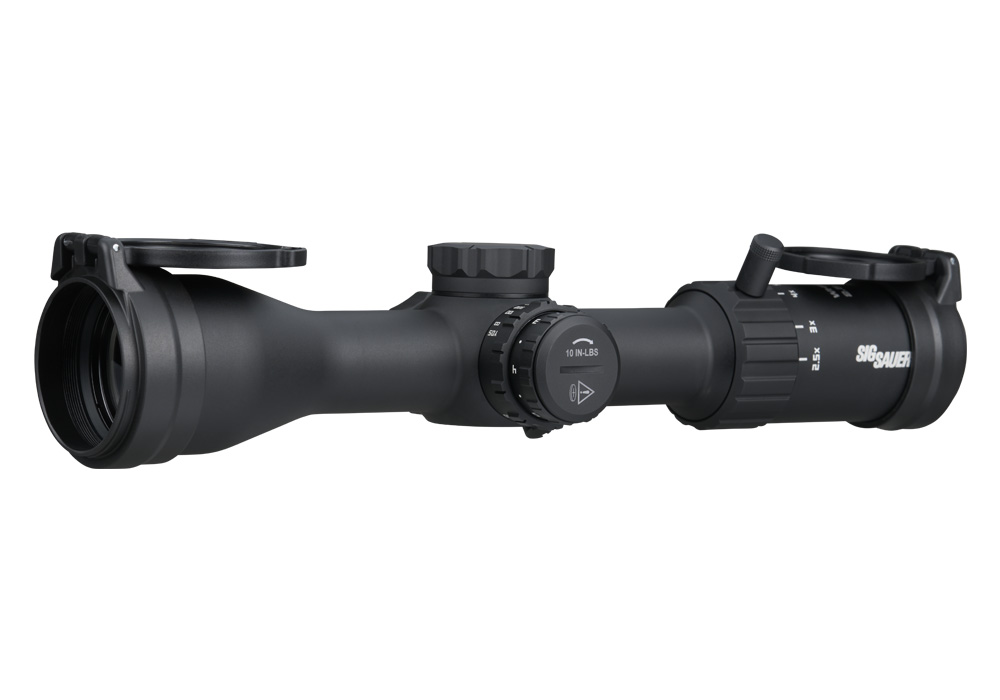
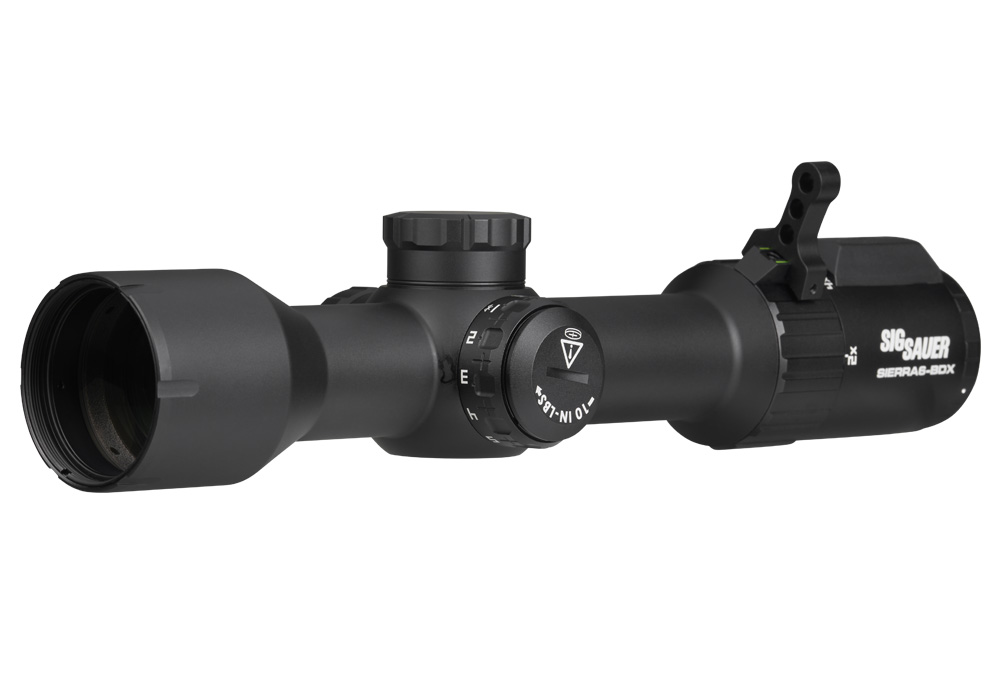
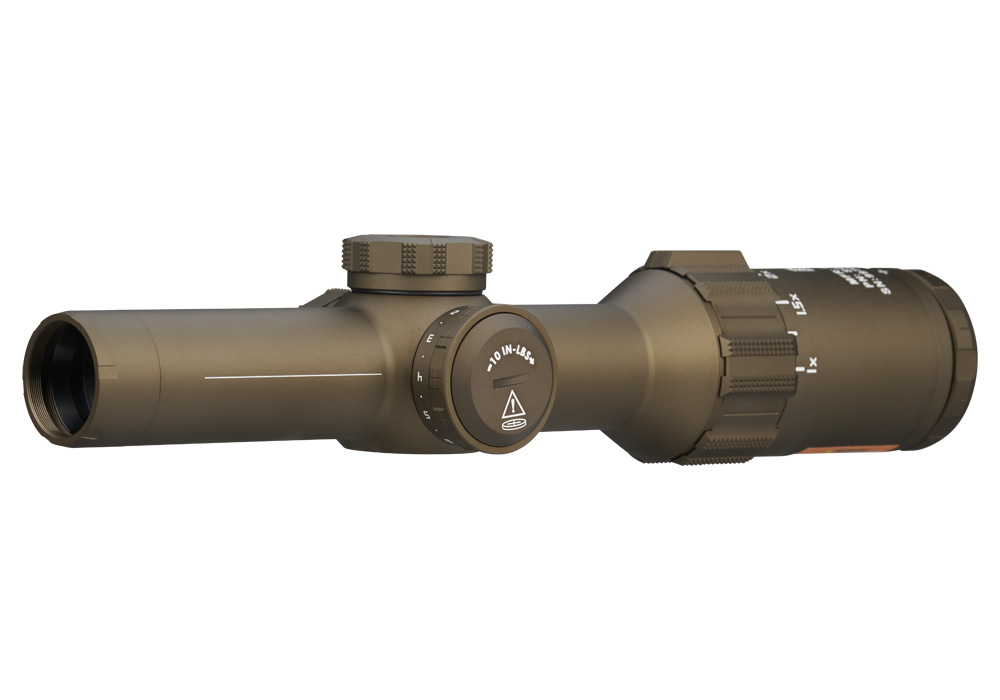
An SFP scope, or second focal plane riflescope, places its reticle behind the magnification assembly, near the eyepiece. On a variable-power SFP scope, the reticle stays the same apparent size as magnification changes, while the target image becomes larger or smaller. That consistent appearance is the defining feature of second focal plane optics. A fine crosshair remains visually fine at higher magnification, and a bold aiming point remains easy to recognize at lower settings. For hunters and recreational target shooters, this can create a familiar sight picture across the magnification range without a reticle that appears to expand over the target. The relationship between the reticle markings and the target does change, however. Reticle measurements, often called subtensions, generally correspond to their stated values at a manufacturer-specified magnification. That distinction matters when comparing simple crosshairs with reticles that include reference marks for trajectory compensation, wind correction, or distance estimation. A clean duplex pattern offers a straightforward view with relatively little visual clutter, while a more detailed reticle provides additional references for shooters who understand its calibration. Neither approach is automatically better; the useful choice depends on how the scope will be used and how much information the shooter wants in the sight picture. For example, a hunter looking across an open clearing may value a clearly defined center aiming point and an uncomplicated view, while someone spending an afternoon on paper targets may prefer finer lines that leave small aiming marks visible. SFP scopes suit these different priorities through variations in magnification range, reticle design, illumination, and adjustment style. Their appeal is not simply that the crosshair looks consistent, but that this consistency can support a comfortable, repeatable viewing experience. When comparing broader optical features and configurations, the Best Scopes collection offers another place to explore how riflescope designs align with different shooting preferences.
Magnification is an important consideration, but it works alongside objective size, optical quality, field of view, and the dimensions of the scope itself. Lower magnification generally provides a wider view, which can help a shooter locate a target and understand its surroundings. Higher magnification reveals more apparent detail, although additional power does not automatically produce a brighter or sharper image. Lens quality, coatings, contrast, and resolution all contribute to whether a target looks crisp rather than merely enlarged. A larger objective lens can support a larger exit pupil at a given magnification, but it also affects weight, mounting height, and clearance above the rifle. A compact scope may feel better balanced on a rifle carried between shooting locations, while a larger optic may be a comfortable match for a rifle used primarily from a supported position. Eye relief and the eye box deserve similar attention. Eye relief describes the distance between the eye and the eyepiece at which the full image is visible; the eye box describes the space in which the eye can move while retaining a usable view. These characteristics influence comfort, especially when a shooter settles into a natural position rather than shifting awkwardly to find the image. Correct fit also depends on tube diameter, compatible rings, mounting height, and clearance around the rifle’s controls. Tube diameter identifies the required ring size, not an automatic ranking of image brightness or optical performance. The scope should complement the rifle’s dimensions without forcing an uncomfortable cheek position or interfering with normal operation. Capped adjustment turrets can protect settings from unintended movement, while exposed turrets may appeal to shooters who regularly adjust elevation or windage. Clearly marked controls, readable magnification numbers, and adjustment resistance that feels deliberate rather than vague are practical details that become more noticeable with regular use. Where illumination is included, its value lies in making the reticle easier to distinguish against the target, not in replacing good glass or a suitable reticle pattern.
Construction and care help determine how well an SFP riflescope holds up over time. Aluminum scope bodies are common because they combine useful strength with manageable weight, and protective exterior finishes help resist everyday wear from handling and transport. Sealed construction helps keep moisture and debris away from internal components, while a durable adjustment system supports consistent settings under normal recoil. These qualities matter whether an optic travels frequently in a padded case or spends most of its time moving between a storage cabinet and a shooting bench. Exterior lens coatings also deserve attention: coatings intended to improve light transmission serve a different purpose from protective treatments intended to simplify cleaning or resist surface wear. No coating eliminates the need for careful handling. Lens caps can protect exposed glass during storage and transport, and a clean optical surface helps preserve the contrast and detail the scope can deliver. Loose grit should be removed before the glass is wiped, using cleaning tools and solutions intended for coated optics. A shirt sleeve or dusty cloth can carry abrasive particles even when it looks harmless. Mounting hardware, lens covers, and adjustment controls also benefit from periodic inspection according to the relevant manufacturer’s instructions; mounting torque should follow the specifications for the particular scope and mounting components. For a gift recipient, fit and personal preference are especially important. An experienced hunter may strongly favor a simple reticle and modest overall weight, while a dedicated target shooter may care more about fine aiming references, parallax adjustment, or clearly indexed turrets. Knowing the recipient’s rifle configuration and preferred shooting activities is more useful than choosing by magnification alone. Across these uses, second focal plane scopes offer a recognizable combination of consistent reticle appearance and varied optical configurations. The most suitable match brings together a clear image, appropriate magnification, comfortable fit, understandable reticle markings, and construction suited to regular use. Those details are what make an optic feel natural when the rifle is shouldered and the target comes into view.