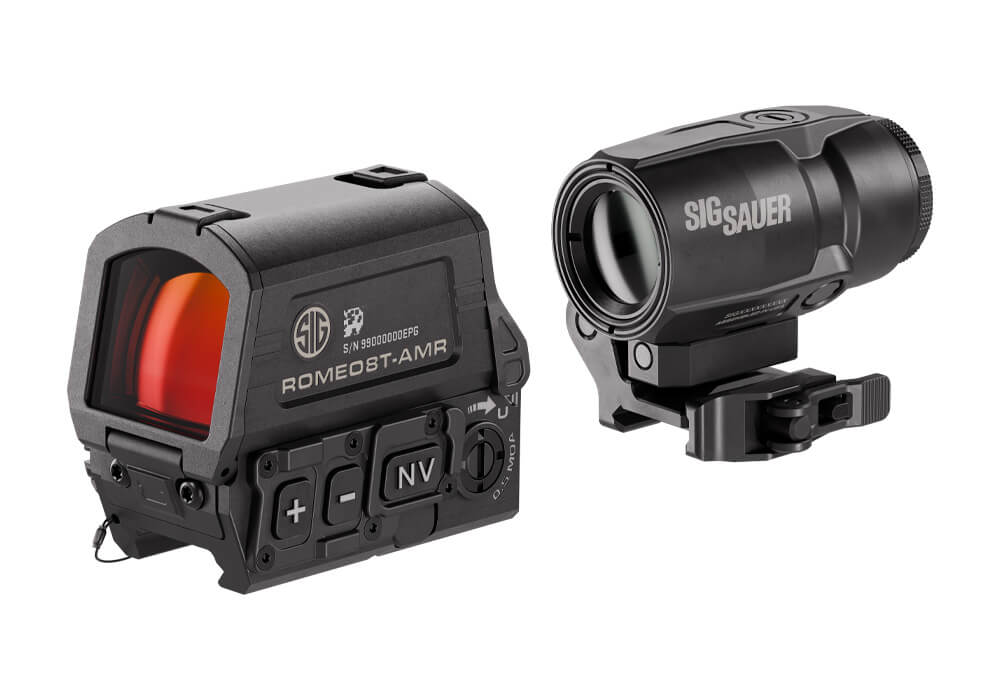
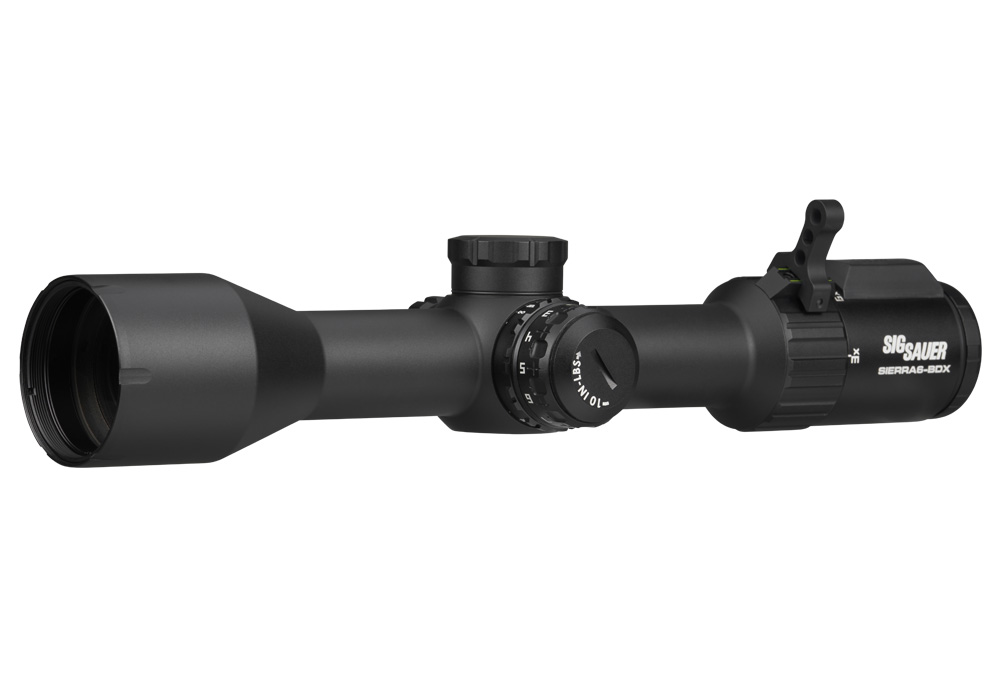
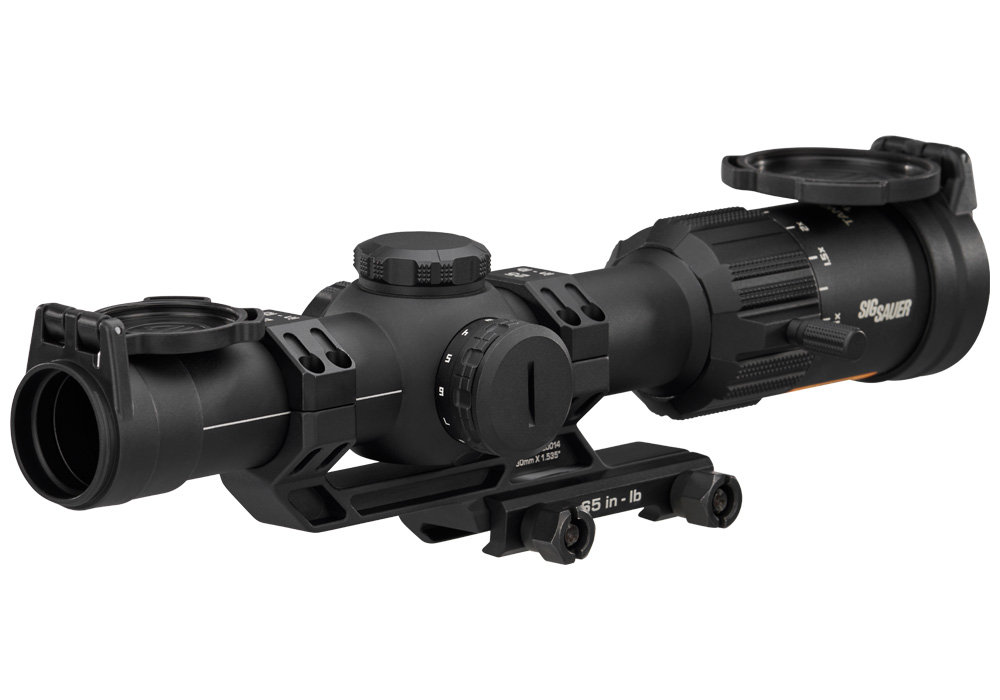
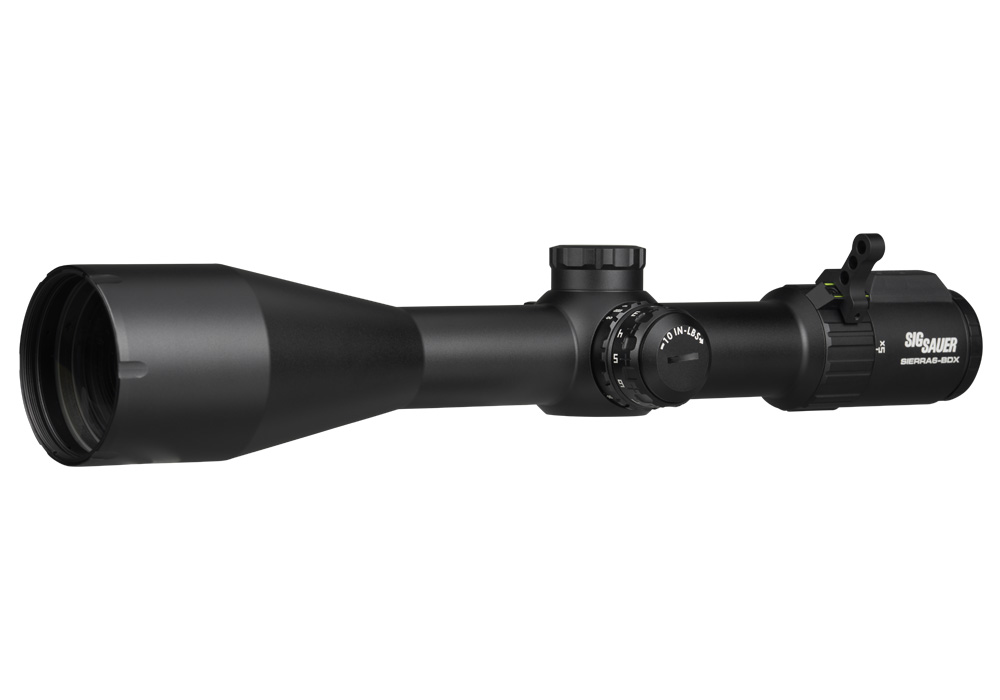
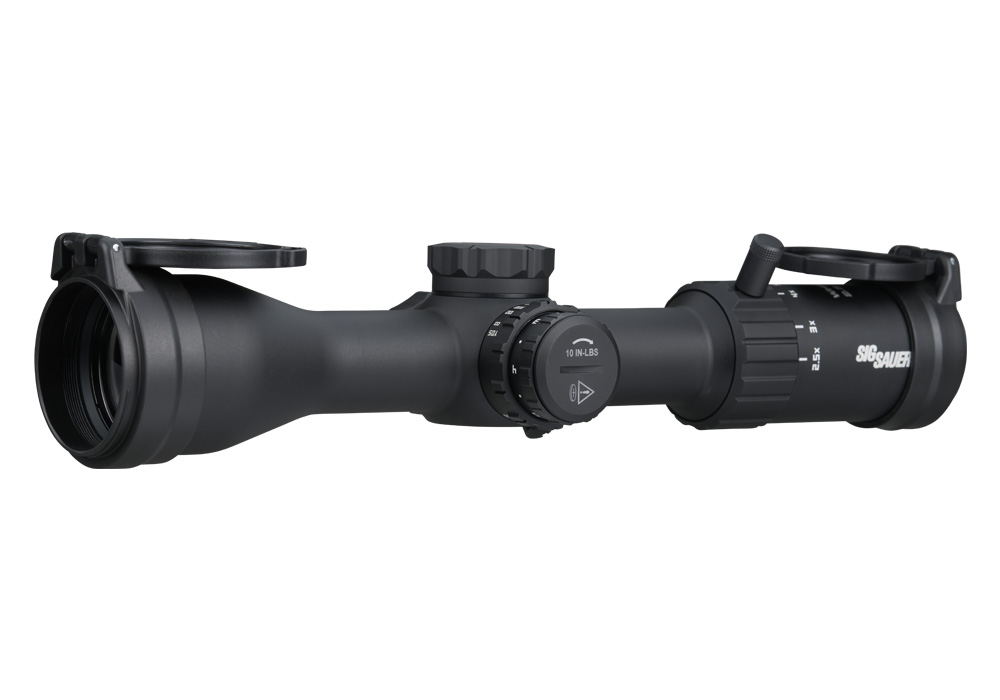
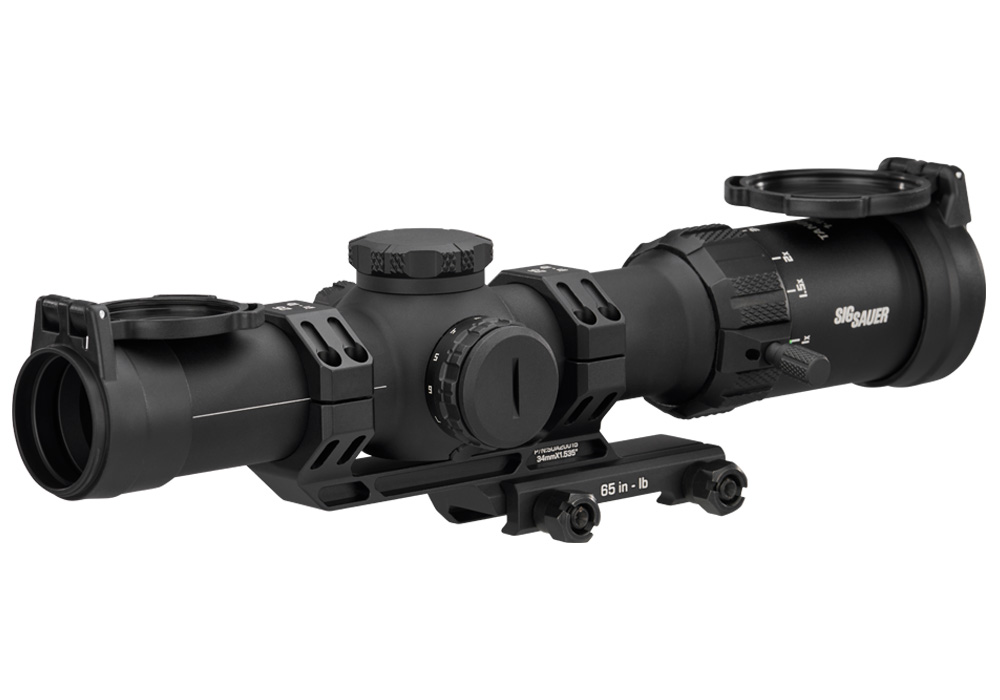
New scopes bring together clearer glass, more usable controls, and refined optical features that can make time behind a rifle more productive and enjoyable. For many shooters, choosing a new optic starts with matching magnification to the way the rifle will be used. A lower-power variable scope can provide a broad field of view for wooded terrain, close-to-moderate distances, and fast target acquisition, while a scope with greater magnification can help when identifying targets across open ground or refining a precise aiming point at extended range. The objective lens also deserves attention. A larger objective can help gather light during the dim conditions found beneath a tree canopy or during the first and last hours of legal shooting, though it may add weight and require higher mounting rings. Optical clarity, contrast, and edge-to-edge sharpness are often more meaningful in the field than maximum magnification printed on the box. A hunter easing through cool, damp woods may value a bright sight picture and generous eye relief, while a range shooter may prioritize a detailed reticle, precise adjustment clicks, and a turret system that tracks consistently through repeated elevation changes. First focal plane reticles keep subtensions consistent in relation to the target as magnification changes, which can be useful for making holdovers at different power settings; second focal plane reticles remain the same apparent size and can offer a familiar aiming reference at a chosen magnification. Illuminated reticles may improve visibility against dark backgrounds or in low-light conditions, but brightness should be adjustable so the aiming point remains visible without overpowering the target. Weather resistance, fog protection, durable construction, and dependable controls matter as well, particularly for equipment that will be carried through brush, exposed to rain, or moved between a secured case and the firing line. For a closer look at popular configurations and practical categories, visit Best Scopes and compare features with the rifle, ammunition, and shooting environment in mind.
A thoughtful purchase also considers the person using the scope, not just the specifications. A new shooter may appreciate a simple reticle, straightforward capped turrets, forgiving eye relief, and a generous field of view that makes mounting and sight alignment less demanding. An experienced hunter may look for a locking elevation turret, a return-to-zero or zero-stop system, and a reticle that supports holdover corrections without obscuring a small target. These features can be especially useful when a carefully confirmed zero at a familiar distance needs to be adjusted for a longer shot, then returned to its original setting with minimal fuss. Shooters who spend time on varied terrain may benefit from a versatile magnification range, while someone dedicated to a single rifle and familiar range may prefer a more focused setup with fewer controls and a lighter overall profile. Digital, thermal, and hybrid optical systems add another category to consider, offering electronic display features or heat-signature viewing for specialized applications; their power requirements, controls, mounting arrangements, and local regulations should be reviewed before purchase. A scope can also be a meaningful gift for a new rifle owner, a hunter preparing for the cooler months, or a range enthusiast upgrading an older setup, provided the recipient’s rifle platform, mounting dimensions, preferred distance, and intended use are understood. Accessories such as compatible rings or mounts should be selected with care, since tube diameter, rail style, height, and clearance can affect cheek position and practical comfort. After installation, every scope should be mounted securely and sighted in with the ammunition intended for use, followed by confirmation from a stable position and, where appropriate, at more than one distance. Taking time to adjust eye relief, level the reticle, check torque specifications, and confirm the optic after transport can prevent small setup issues from becoming frustrating misses. During the changing conditions of early fall through winter, a protective cover, lens cloth, and a plan for managing condensation can help preserve a clear view when moving between cold air, a vehicle, and a heated indoor space. Whether the goal is a brighter sight picture in heavy timber, more precise aiming across open country, or a dependable upgrade for regular range practice, new scopes offer a practical way to tailor a rifle to the shooter’s eyes, habits, and surroundings.