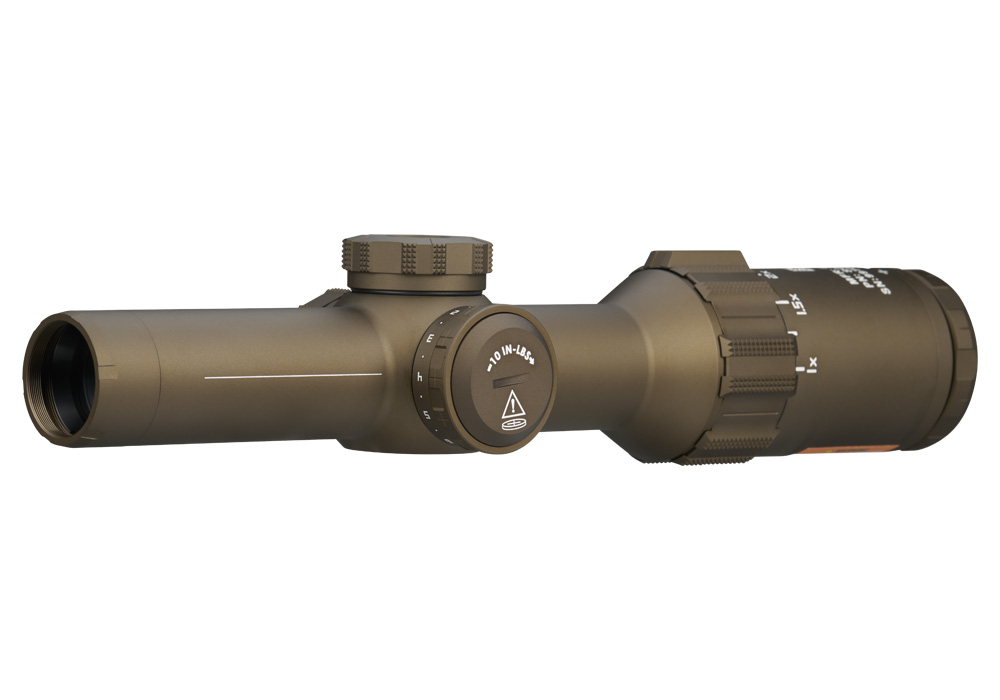
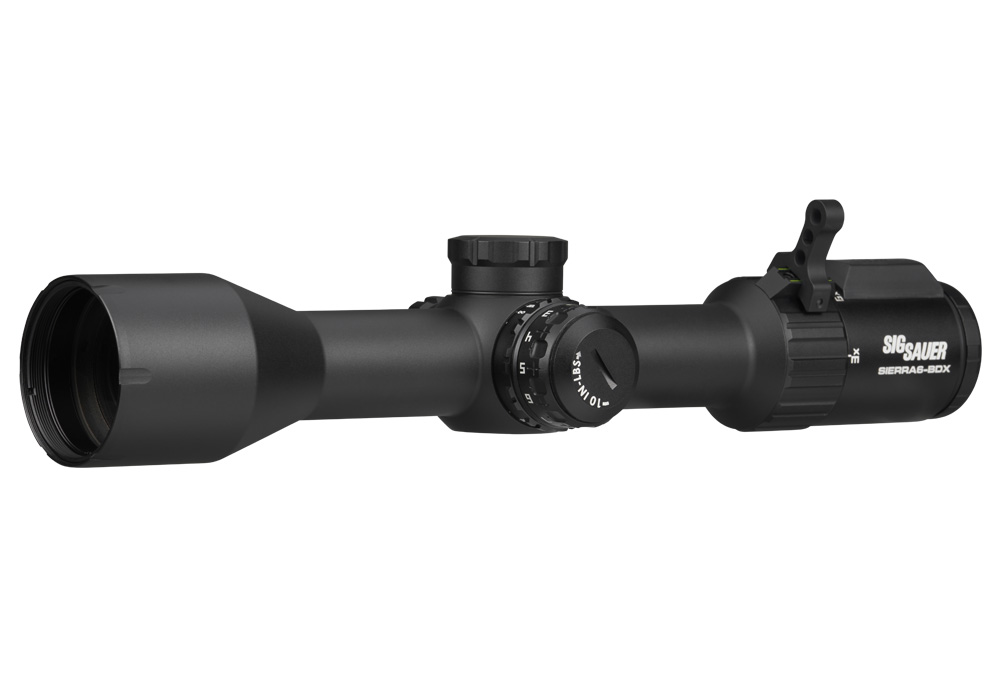
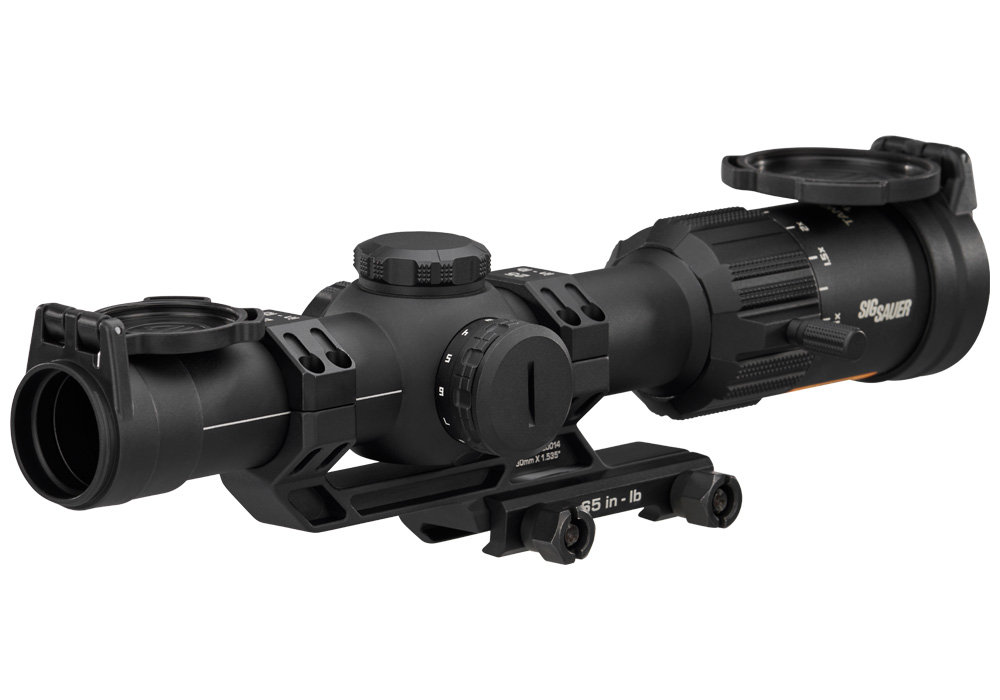
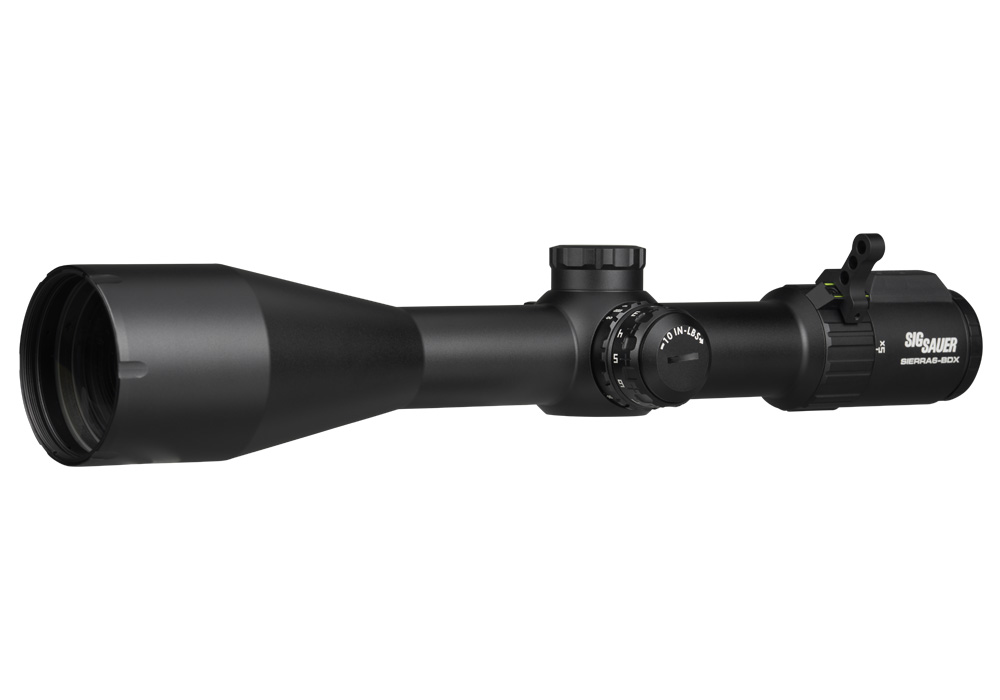
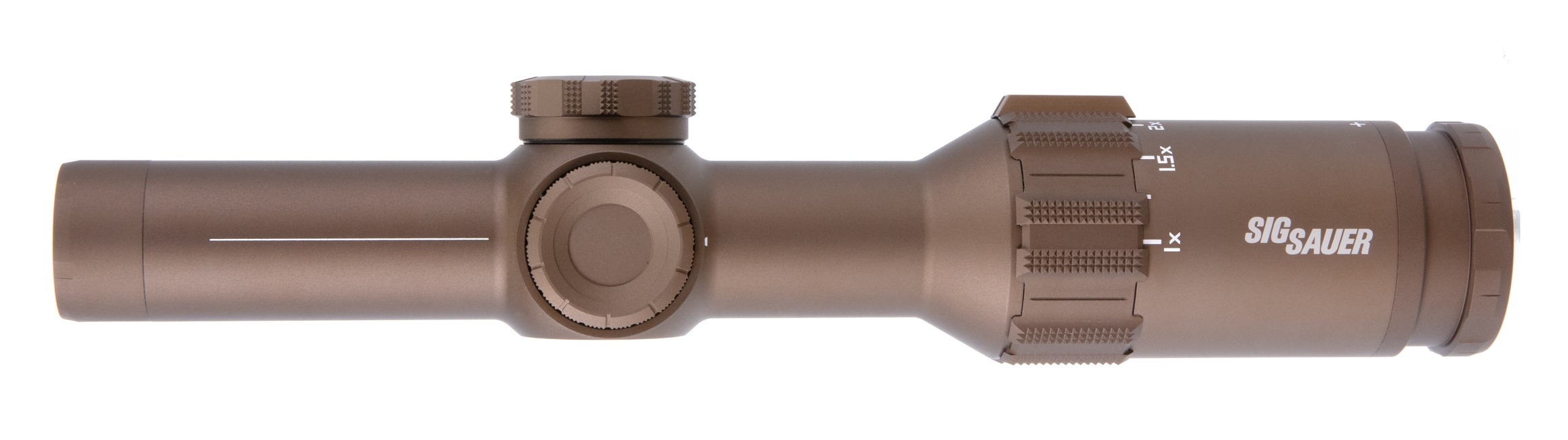
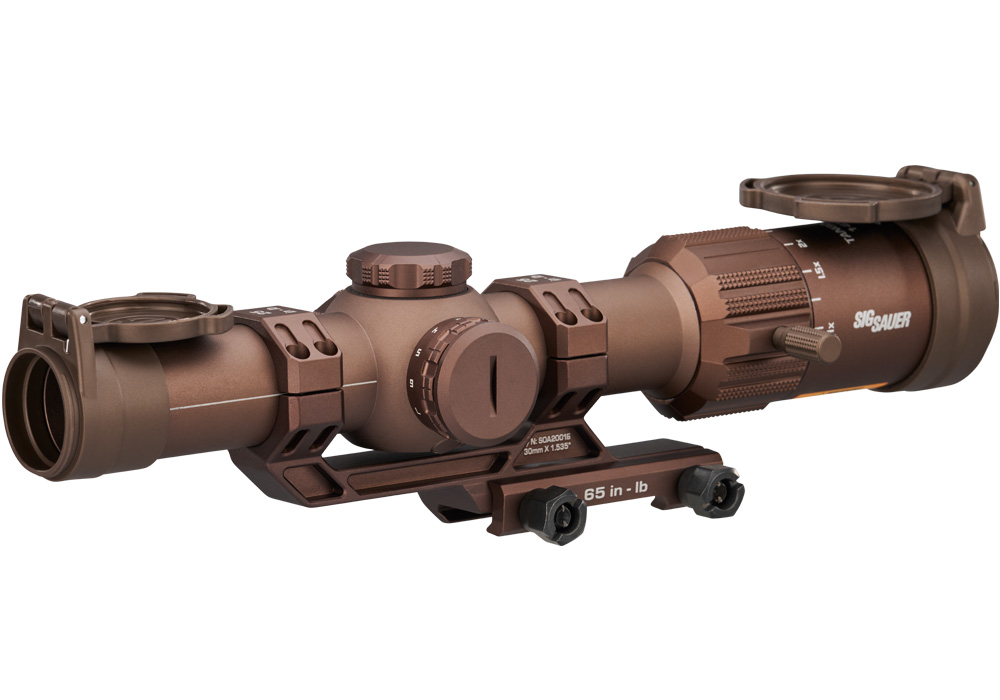
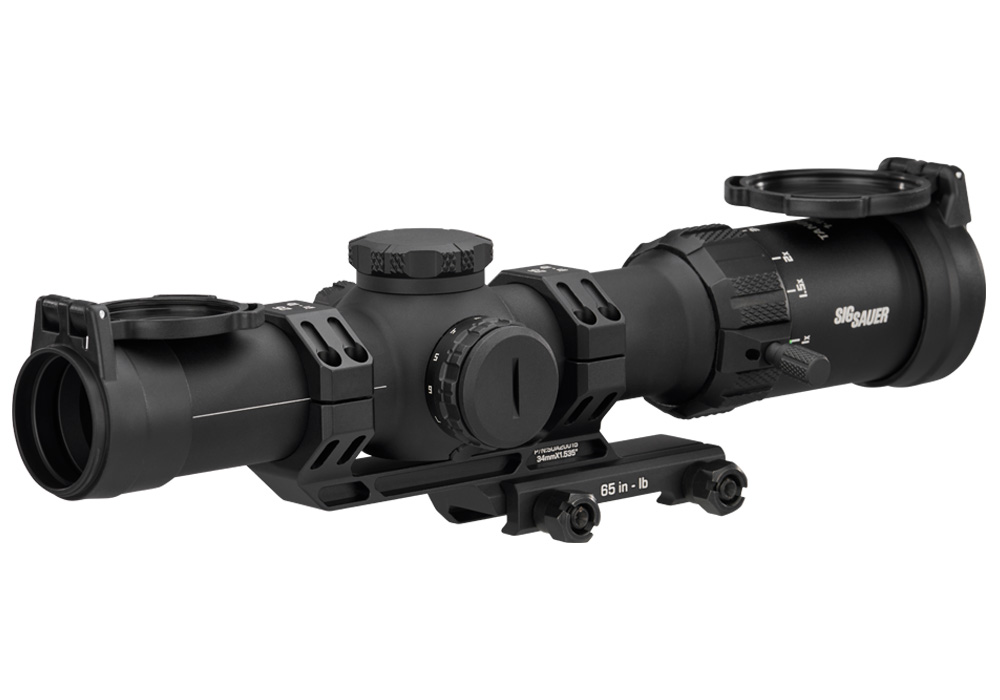
Advanced scopes bring together refined optical systems, durable construction, and practical aiming features for shooters who expect a clear view across changing conditions. These products can support a wide range of applications, from careful target work at a range to hunting in open country, wooded terrain, or rolling fields during the cooler months. At the center of any advanced optic is the glass. High-quality lenses help preserve detail, contrast, and color, while specialized coatings can improve light transmission and reduce glare when the sun sits low along the horizon. That difference becomes especially noticeable during early morning and late afternoon, when shadows stretch across the landscape and a conventional optic may show a flatter, dimmer image. A well-designed scope should also offer a useful magnification range, allowing the shooter to maintain a broad view at closer distances before dialing in for a more distant target. Tube diameter, adjustment travel, eye relief, reticle design, and overall weight all deserve attention as well. A compact optic may suit a lightweight hunting rifle carried over long trails, while a larger system with greater adjustment range may be more appropriate for a precision setup used from a supported position. The best choice depends on the firearm, mounting system, expected distances, terrain, and the shooter’s preference for a simple sight picture or more detailed data.
Reticle configuration is one of the most important distinctions among advanced scopes. In a first focal plane design, the reticle changes size as magnification increases or decreases, keeping its subtensions consistent with the image and allowing hold points to remain useful throughout the zoom range. This can be helpful for shooters who move between distances or need to make quick corrections without stopping to recalculate their visual references. A second focal plane reticle remains the same apparent size as magnification changes, which can provide a clean, familiar aiming point at a preferred setting and a less crowded view at lower power. Neither arrangement is universally right; the decision comes down to how the optic will be used and which sight picture feels most natural. Turret style matters too. Clearly marked elevation and windage controls can make adjustments easier to track, while a locking or capped system may help protect a carefully established zero during travel through brush or rough terrain. Some advanced scopes pair these controls with illuminated reticles, digital displays, onboard range information, ballistic calculators, image recording, or low-light and thermal viewing. Smart features can reduce the amount of equipment needed around the rifle, but they should complement sound fundamentals rather than replace them. Battery life, control placement, menu simplicity, and performance in cold or damp weather are worth reviewing before selecting a technology-forward optic. For shooters who prefer a more traditional setup, premium glass and a precise mechanical system may provide all the information needed without adding electronic controls.
Choosing an advanced scope starts with an honest look at the complete setup. Confirm that the optic’s mounting dimensions match the rings or base, that the firearm can comfortably support its weight, and that the eye relief suits the stock and shooting position. A scope with generous eye relief can be especially valuable on platforms with noticeable recoil, while a broad adjustment range may be useful for longer-distance work. Think about the distances that occur most often rather than selecting specifications based only on the highest available number. Excessive magnification can narrow the field of view and make it harder to locate a moving or nearby target, whereas moderate power can offer a steadier, more forgiving image in varied terrain. Hunters who spend time in timber may value a bright sight picture and a wide field of view; someone working from a bench or organized range may place greater emphasis on repeatable adjustments and a finely detailed reticle. A scope can also be a thoughtful gift for an experienced hunter, recreational target shooter, or enthusiast preparing a new rifle, provided the recipient’s firearm, mounting preferences, and intended use are understood. When those details are uncertain, a flexible optic or a store gift option may be more practical than guessing at a specialized configuration. Before use, secure the optic with the correct hardware, establish a consistent zero, confirm the reticle at several magnification settings, and practice with the same cheek position and eye placement used in the field. Keep lenses protected when the scope is not in use, use a soft lens cloth for cleaning, and follow the manufacturer’s instructions for electronic features and sealing. For a broader selection of optics suited to observation, hunting, and general outdoor use, explore Field Scopes. With the right balance of clarity, adjustment control, reticle function, and rugged usability, an advanced scope becomes a dependable part of the shooting system rather than simply another accessory.