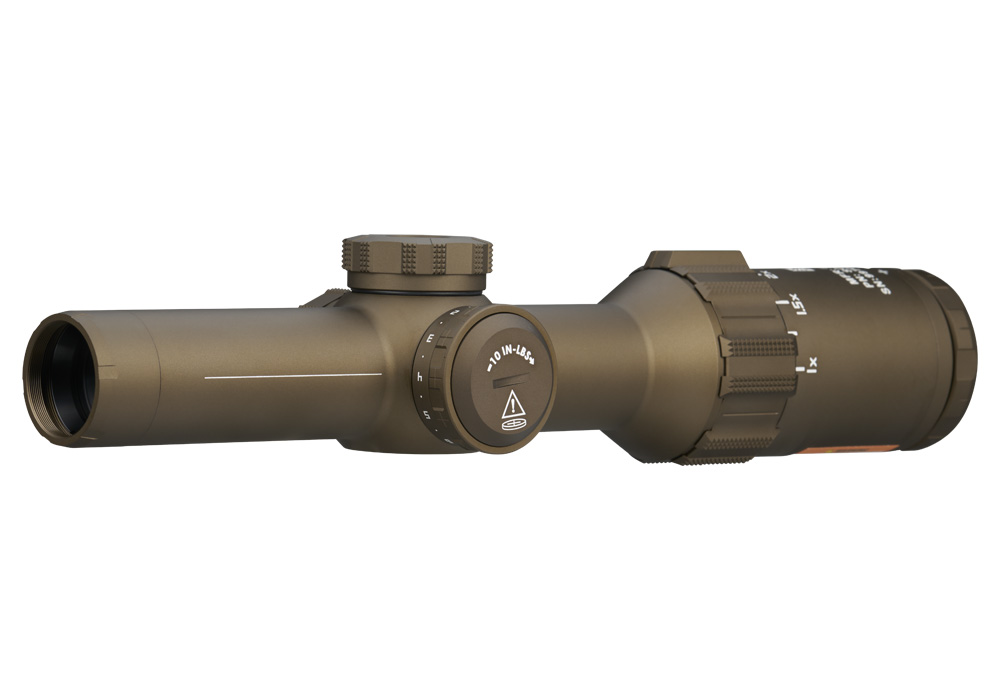
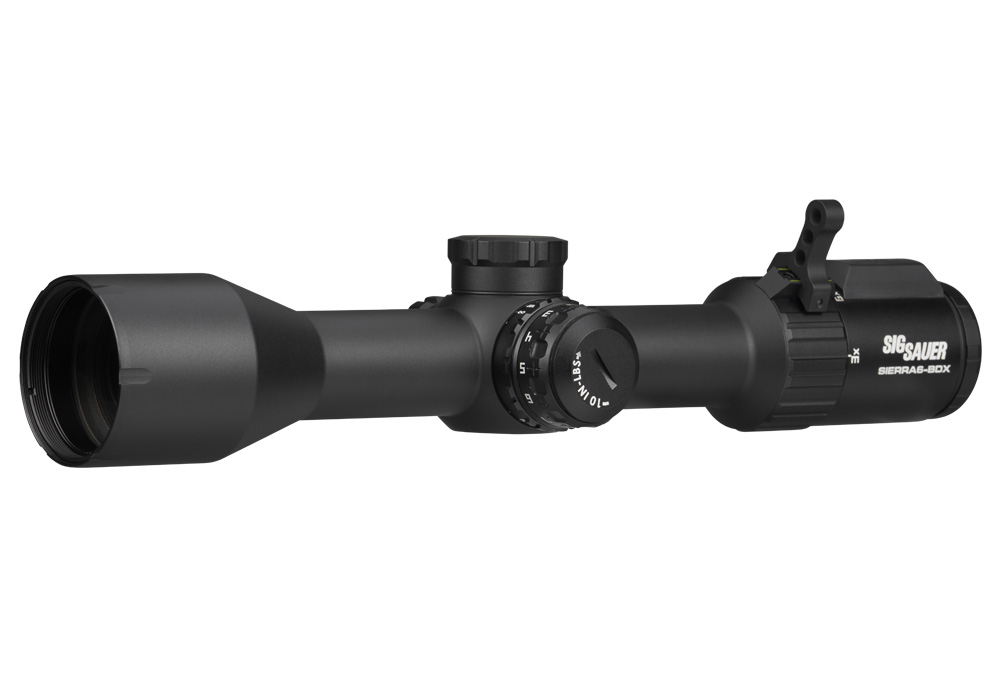
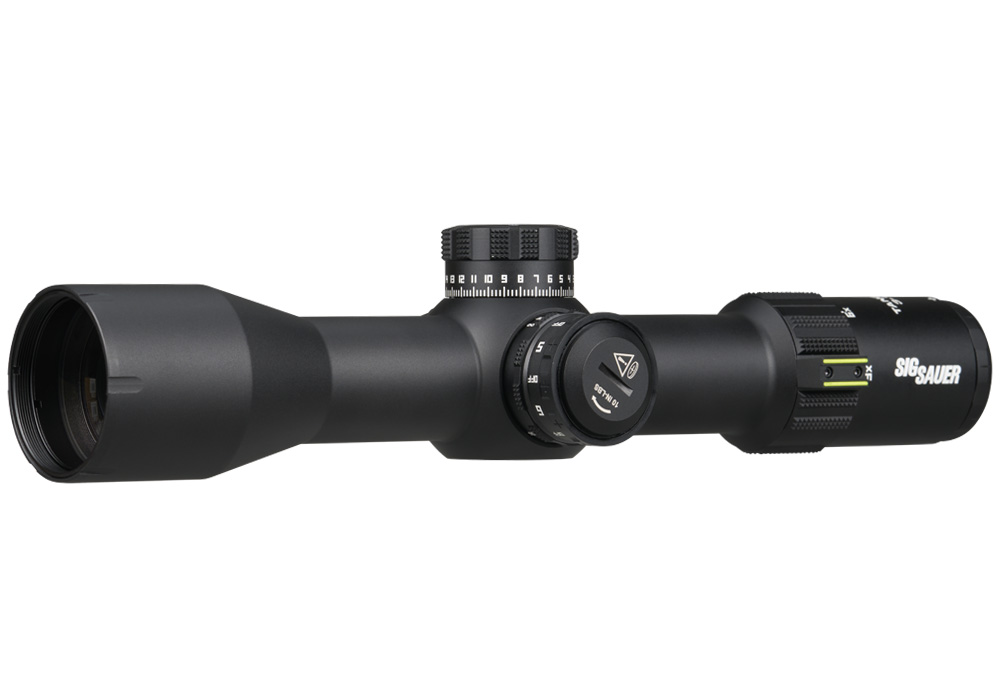
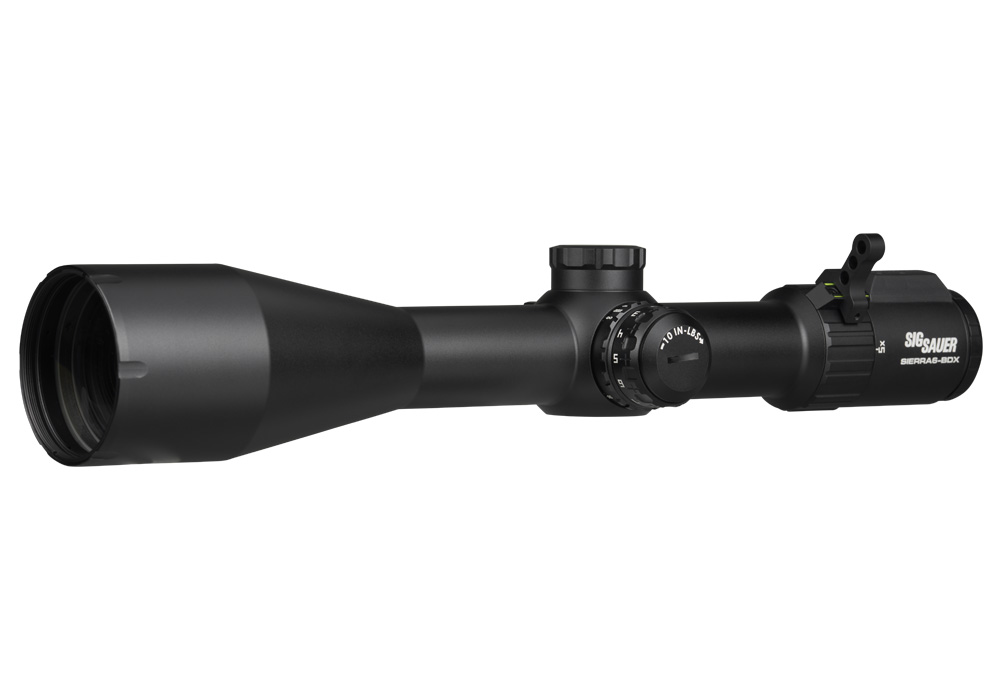
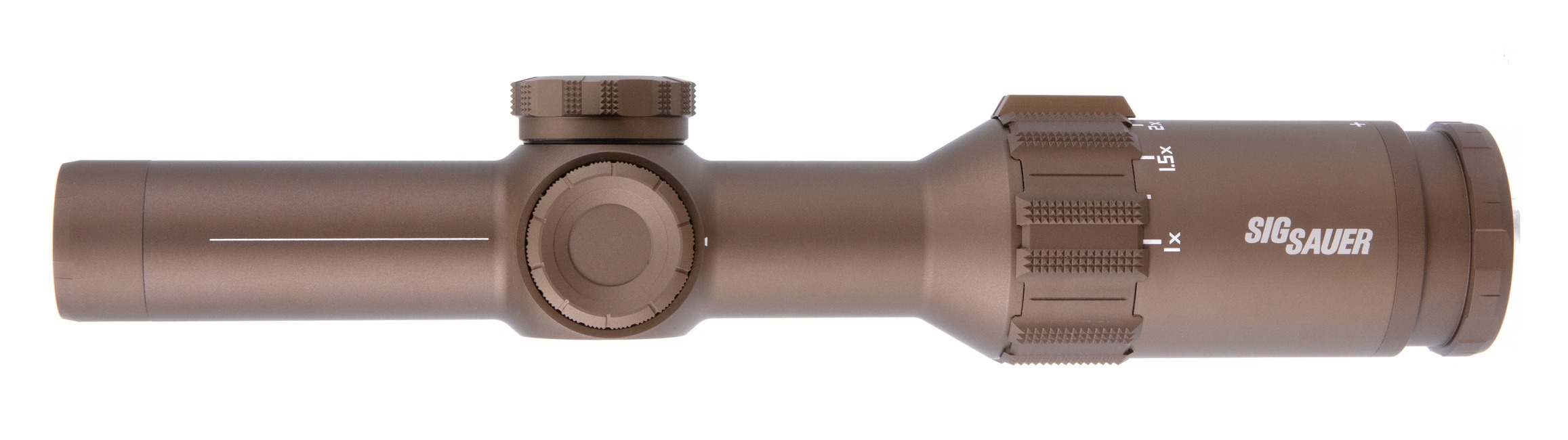
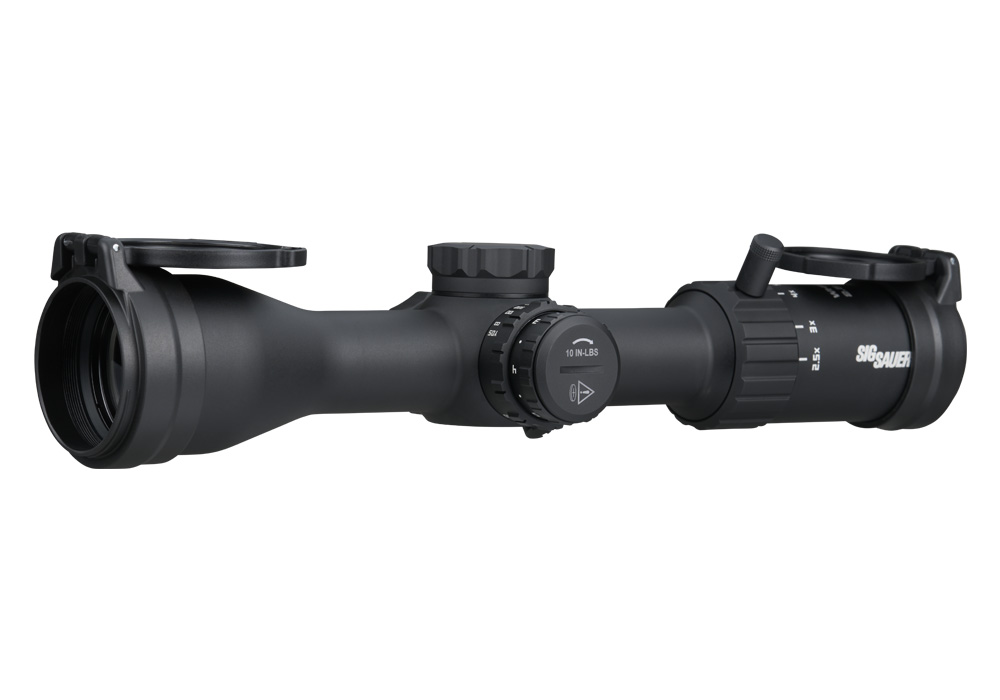
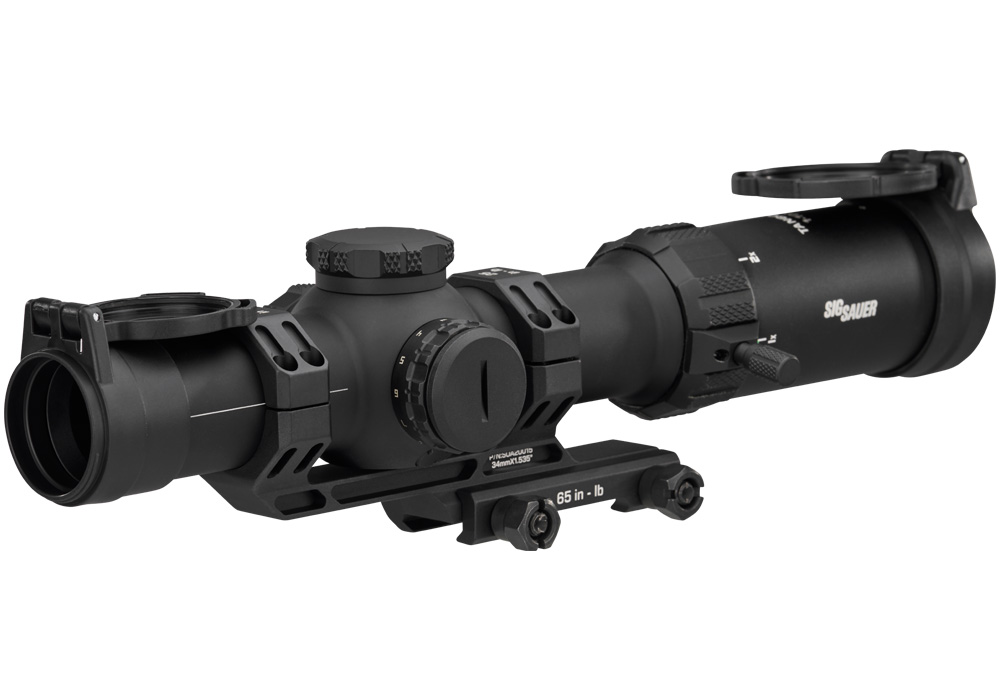
Dedicated focus scopes are riflescopes with a separate target-focus adjustment, typically a side-focus dial or an adjustable objective, that sharpens the target image and helps reduce parallax error at different distances. Parallax occurs when the target image and reticle are not aligned on the same optical plane, allowing the reticle to appear to move across the target as the viewer’s eye shifts. A correctly adjusted focus control brings the target image into the reticle’s plane, reducing that apparent movement and supporting a more consistent sight picture. This function is different from the ocular diopter, which adjusts reticle clarity for the viewer’s eyesight. The distinction matters when a fine crosshair looks crisp but the numbered rings on a paper target remain indistinct, or when a clear target seems to move behind the reticle with small changes in eye position. Dedicated target focus is particularly relevant to precision target shooting, hunting, and airgun use, where viewing distances can vary considerably. Some scopes accommodate relatively close targets, while others emphasize longer viewing distances; the specified focus range determines which applications suit a particular configuration. Magnification also influences the experience. Higher magnification reveals smaller details but can make minor focus errors and inconsistent eye placement more noticeable. Moderate magnification often provides a broader field of view and a less demanding viewing position. Objective lens diameter, optical quality, and lens coatings all contribute to image brightness, contrast, and detail, so magnification alone does not describe how clearly a scope presents a target. A useful sight picture combines a defined aiming reference with enough surrounding detail to understand what is being viewed. On a marked paper grid, that might mean distinguishing fine scoring lines without losing the center of the reticle. Across a longer target lane, it can mean resolving the edges of a steel plate while maintaining a stable, comfortable view. These differences give dedicated focus scopes their practical appeal beyond the magnification numbers printed on the housing.
Construction and fit determine how comfortably those optical features work with a rifle and its intended role. Scope housings commonly use aluminum alloys to balance structural strength with manageable weight, while protective finishes help resist surface wear from ordinary handling. Internal sealing, lens protection, and the quality of adjustment mechanisms also matter for long-term durability. A scope carried between a storage case, shooting bench, and field position encounters repeated handling, so securely fitted controls and a robust housing have everyday value. Larger objective lenses and broad magnification ranges can add size and weight, which may be acceptable on a supported target rifle but less appealing on a rifle carried for extended periods. Tube diameter must match the mounting rings, and the mounting arrangement must provide suitable clearance for the objective housing, action, and other components. Eye relief and the available mounting space influence whether the scope can sit in a comfortable position without forcing an awkward head posture. These relationships are especially noticeable when moving between an upright seated position and a lower supported position, where the same setup may feel quite different. Side-focus controls place target adjustment near the center of the scope, while adjustable-objective designs locate it around the front lens housing. Their handling characteristics differ, particularly when access is limited by the rifle’s configuration or a shooting rest. Clearly marked scales and controls with a deliberate feel can simplify repeatable adjustments, although printed distance markings remain reference points rather than exact measurements for every viewer and situation. Reticle design adds another layer of preference. Fine lines can leave small target details visible, while heavier elements can be easier to distinguish against a busy background. In variable-power scopes, first-focal-plane and second-focal-plane designs also affect how the reticle appears as magnification changes. Together, these characteristics shape a scope’s suitability more meaningfully than any single specification considered on its own.
Dedicated focus scopes can suit the recreational shooter who enjoys carefully comparing groups on paper, the competitor who values a consistent view across changing target distances, or the hunter who wants a well-defined image without unnecessary visual clutter. Airgun enthusiasts may place particular emphasis on close-focus performance and compatibility with the recoil characteristics of their equipment, especially with spring-piston systems. A scope intended for one application is not automatically appropriate for another, even when its magnification range appears suitable. Documented equipment compatibility and the manufacturer’s intended use remain important parts of the match. Within the Advanced Scopes category, dedicated target focus represents one feature among several that contribute to a clear, usable optical system. Its value is greatest when the focus range, reticle, dimensions, and controls complement the way the rifle is actually used. Ownership also involves straightforward care. Loose grit should be removed before lens surfaces are wiped, and cleaning materials intended for coated optics help preserve those delicate surfaces. Lens covers protect exposed glass during transport and storage, while a suitable case limits contact with other equipment. Exterior inspection can reveal loose accessories or mounting concerns before they interfere with a range session; installation and mounting questions are best addressed through the relevant manufacturer’s instructions or a qualified professional. For someone considering a scope as a gift, familiarity with the recipient’s rifle, existing mounts, preferred shooting discipline, and eyesight is more useful than choosing by magnification alone. An experienced target shooter may appreciate fine reticle detail and accessible focus adjustment, while another recipient may place greater value on lighter weight and uncomplicated controls. The strongest match is an optic that feels natural behind the rifle, presents the target clearly at the distances that matter, and remains practical to carry, protect, and maintain through regular use.