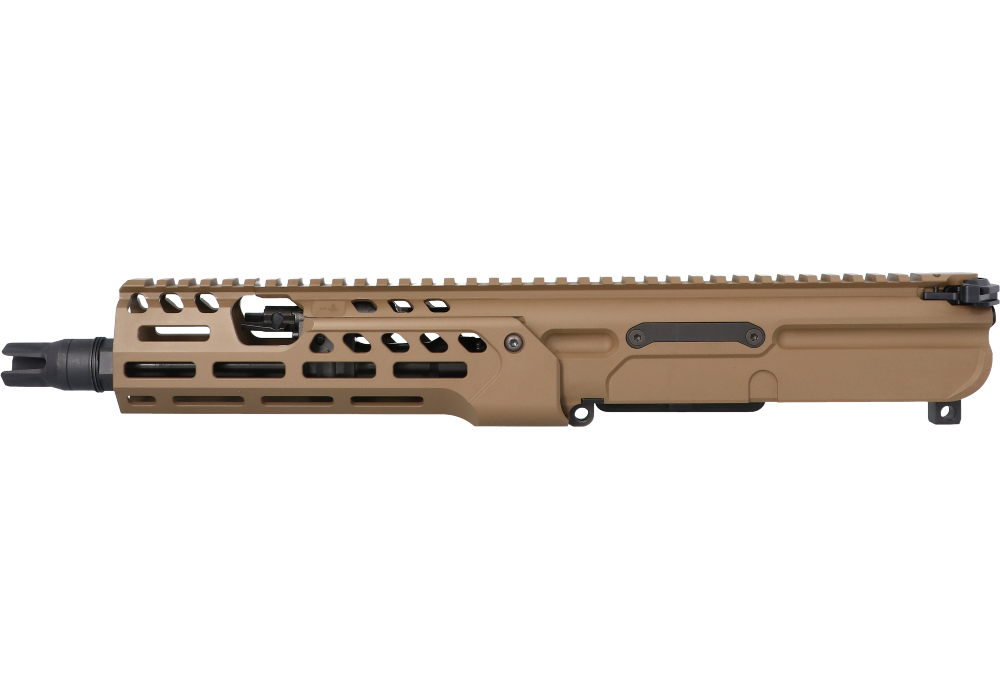
A 16 inch rifle barrel upgrade kit can be a practical way to refresh an existing rifle, complete a compatible upper assembly, or tailor a setup for the kind of shooting that matters most to you. These kits commonly bring together a 16 inch barrel with compatible components such as a gas tube, gas block, muzzle device, and, in some configurations, a handguard or related assembly parts. The exact contents vary, so reviewing the full package description is an important first step. A 16 inch barrel is often selected for its useful balance of maneuverability, velocity, sight radius, and handling. It is compact enough to feel manageable around a bench, in a training bay, or while moving through a property, while still providing the performance many rifle owners expect from a general-purpose configuration. For shoppers comparing complete rifles, an upgrade kit may also offer a more focused path toward a preferred barrel profile, finish, gas system, or compatibility standard. The related selection of 16 Inch Barrel Rifles can provide additional context for those deciding whether to upgrade an existing platform or choose a complete rifle. As with any firearm component, confirm that the barrel and included parts match the intended upper receiver, bolt or bolt carrier group, caliber, gas system, handguard interface, and muzzle-thread specification. A kit that appears similar at a glance may not be interchangeable with every configuration, and careful attention to the manufacturer’s compatibility details can prevent an expensive mismatch.
Barrel construction and profile deserve close consideration because they influence durability, balance, heat management, and the way a rifle feels in the hands. Common materials include chrome-moly-vanadium steel and stainless steel, with finishes or treatments such as chrome lining, nitride, or other corrosion-resistant processes selected for different performance priorities. A chrome-lined bore is often valued for service life and ease of maintenance, while stainless options may appeal to shooters who place particular emphasis on precision. Barrel profiles range from lightweight designs that keep the front end quick and comfortable to more substantial profiles that can remain steady during extended strings of fire. Twist rate should be considered alongside the ammunition you expect to use; common rates such as 1:7, 1:8, and 1:9 can perform differently with various projectile weights, so the barrel maker’s recommended ammunition range is worth reading before purchase. The gas system is another important detail. On many 16 inch setups, a mid-length gas system is chosen for a balanced shooting feel, though the correct selection depends on the barrel’s engineering and the rest of the rifle. If a muzzle device, suppressor, or alternate handguard is part of the plan, check thread pitch, shoulder dimensions, clearance, mounting method, and overall fit before ordering. These details are easy to overlook when comparing photographs, yet they matter when a clean installation and consistent function are the goals. Keep the intended use in view as you compare options: a lightweight barrel may be appealing for a rifle carried over longer distances, while a heavier profile may better suit a bench-focused setup or a rifle that will see frequent range sessions.
Installation should be approached with the same care used when selecting the kit. Proper assembly tools, a calibrated torque wrench, compatible armorer’s tools, and a secure method of supporting the upper receiver help protect the receiver and barrel extension during installation. A reaction rod or comparable upper-receiver support tool is generally preferred over improvised methods that can place force on sensitive parts. Follow the component manufacturer’s torque specifications and assembly sequence rather than relying on estimates, and verify that the gas block, gas tube, handguard, and muzzle device are correctly aligned and secured. If you do not already have the required tools or experience, a qualified gunsmith can be a sensible choice, particularly when fitting parts from different manufacturers or confirming headspace and function. After assembly, inspect the rifle carefully and follow all applicable safety procedures before use. A 16 inch rifle barrel upgrade kit may be purchased by an experienced owner fine-tuning a familiar platform, by a recreational shooter replacing a worn barrel, or by a careful enthusiast building a rifle around a specific balance and handling preference. It can also be a thoughtful gift for a knowledgeable firearm owner, provided the recipient’s platform, caliber, preferences, and local requirements are confirmed in advance. Barrel length and firearm configuration may be subject to federal, state, and local laws, and requirements can differ based on the complete assembled firearm, stock or brace configuration, and other features. Verify applicable regulations before purchasing, transferring, assembling, or modifying any firearm, and use only ammunition suitable for the completed rifle. During the warmer days of late summer or the cooler months that follow, a thoughtfully selected 16 inch rifle barrel upgrade kit can support a dependable, comfortable setup for range practice, recreational shooting, and continued maintenance of a well-used rifle.