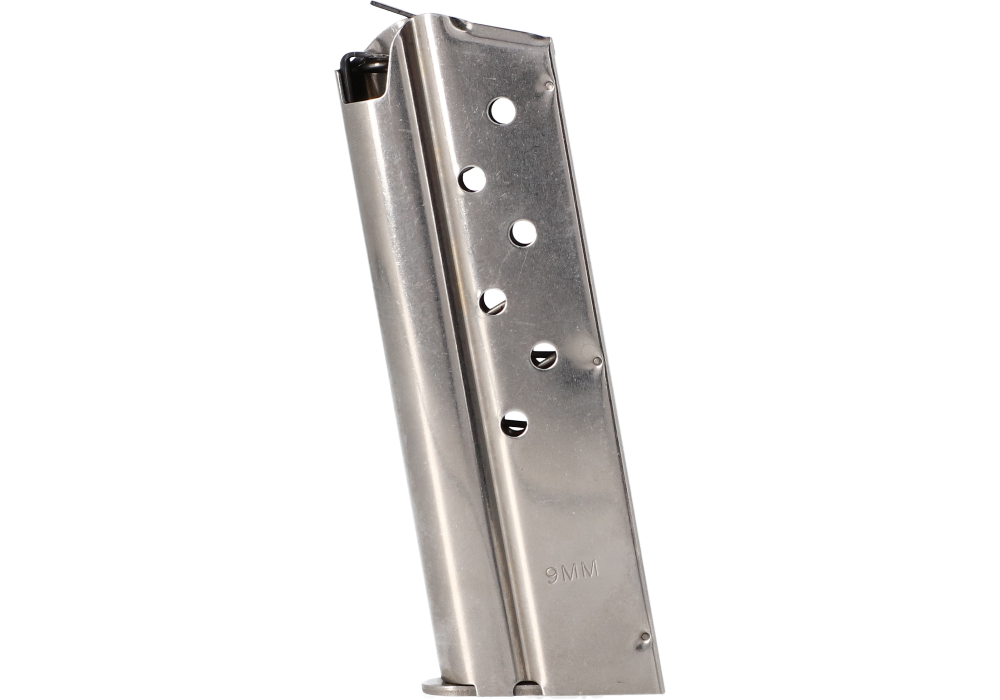
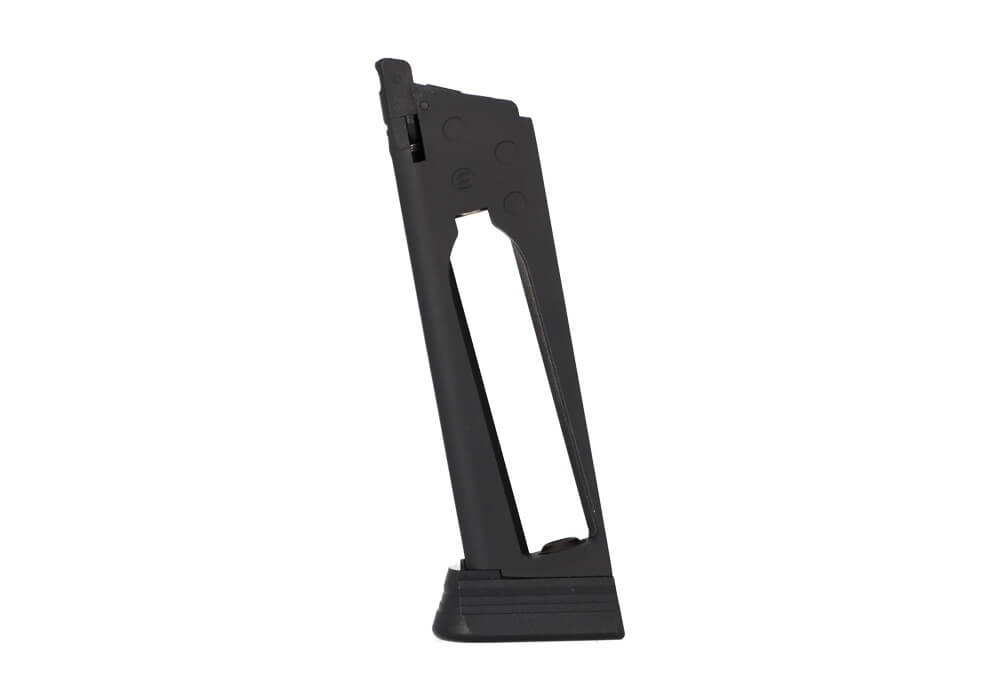
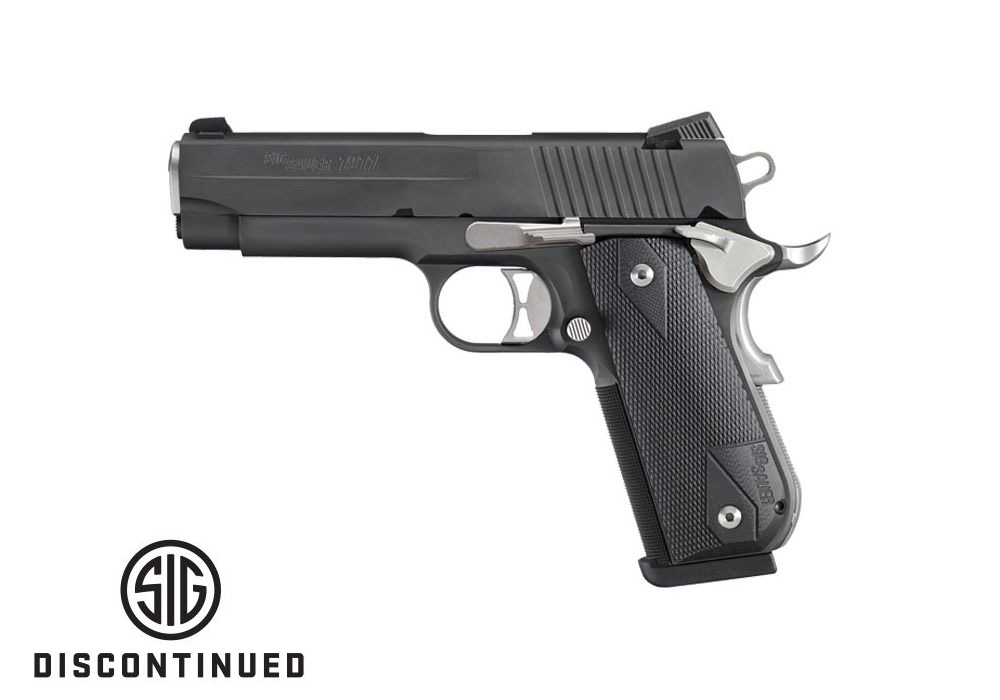
1911 factory magazines are a practical way to keep a classic pistol supplied with dependable, properly matched magazines for practice, training, competition, storage, or lawful defensive use. Built around the original 1911 pattern, these magazines are selected to complement the dimensions, feed geometry, and operating characteristics of compatible pistols. While the 1911 platform is often associated with .45 ACP, factory magazines are also available for other chamberings, including 9mm, 10mm, and .38 Super, depending on the pistol configuration. Caliber is the first detail to verify, followed by the exact model and frame size. A full-size 1911, a Commander-style pistol, and a compact Officer-size pistol may use magazines with different lengths, base pads, or fit requirements. Even pistols chambered in the same caliber can vary in magazine preferences, so checking the owner’s manual and the manufacturer’s specifications is an important part of making a confident selection. For shoppers looking specifically for .45 ACP options, this collection of 1911 45ACP Magazines offers a useful place to compare compatible choices. Factory magazines are especially appealing to owners who want a straightforward replacement or an additional magazine that follows the original design intent. They can also be helpful when restoring an older pistol, organizing a range bag, or replacing magazines that have become worn after years of loading, unloading, and repeated use.
When choosing 1911 factory magazines, pay attention to construction, finish, follower design, spring strength, base configuration, and stated capacity. Steel bodies are commonly chosen for their solid feel and resistance to everyday wear, while finishes may range from traditional blued surfaces to corrosion-resistant stainless steel. A smooth exterior can make insertion and removal easier, particularly when practicing reloads or working from a magazine pouch. The follower should travel smoothly inside the tube without binding, and the spring should provide consistent pressure as cartridges are fed upward. A standard-capacity magazine may preserve the traditional profile of a classic 1911, while an extended-capacity option can provide additional ammunition and may include a projecting base pad for easier handling. That added length can be useful on the range or in competition, but it may not suit every holster, pouch, or carry setup. Base pads also deserve consideration because they can protect the magazine body when it is dropped during a reload and make the magazine easier to grasp with gloved hands or during fast drills. For everyday practice, many owners keep several magazines on hand so they can spend more time shooting and less time stopping to reload. It is wise to inspect each magazine before use, looking for dents, bent feed lips, damaged witness holes, weak springs, or a follower that does not return cleanly. Magazines are consumable components, and replacing one that shows unusual wear is a sensible part of responsible firearm maintenance.
These magazines can serve a wide range of 1911 owners, from someone purchasing a first pistol to an experienced shooter maintaining a long-familiar sidearm. A new owner may appreciate having a spare magazine for basic function checks and supervised range practice, while a seasoned shooter may want dedicated magazines for training, competition, travel to an approved range, or secure storage. They can also make a thoughtful gift for a properly licensed adult who owns a compatible 1911, particularly when the gift is chosen around the recipient’s exact caliber and frame size. A magazine is compact, useful, and easy to store, but compatibility should always take priority over appearance or advertised capacity. Before purchasing, confirm whether the pistol is chambered in .45 ACP, 9mm, 10mm, or another caliber; determine whether it is a full-size, Commander-size, or compact model; and review any manufacturer guidance concerning magazine length and fit. After installation, test the magazine with the unloaded firearm according to the owner’s manual, then evaluate feeding and lockback at a reputable range using appropriate safety procedures. Keep magazines clean and dry, avoid leaving them exposed to excessive moisture, and store them securely away from unauthorized access. During the cooler months, a clean, dependable magazine remains just as important in a range bag as it is during warmer-weather practice, and a small amount of thoughtful maintenance can help preserve reliable performance season after season.