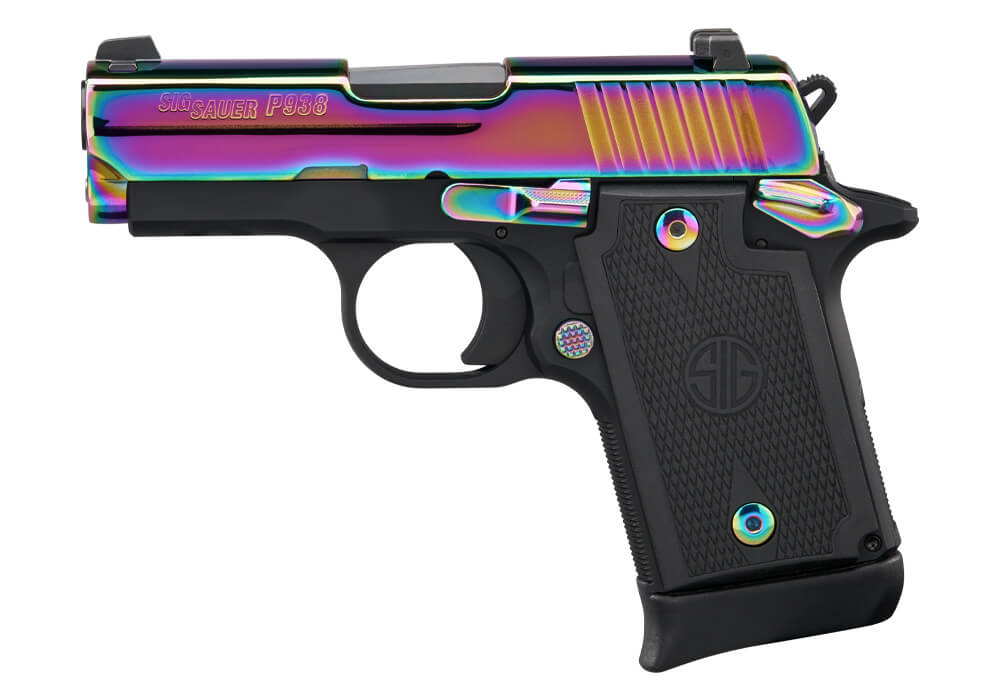
Three-inch barrel subcompact handguns occupy a practical middle ground between deep-concealment firearms and larger compact pistols. Their abbreviated barrels and shortened slides help reduce the overall length of the handgun, while a carefully designed grip can provide enough surface area for a secure, repeatable hold. That balance makes this category appealing to licensed adults who want a handgun for concealed carry, personal protection, training, or discreet storage at home. A 3-inch barrel is commonly associated with compact 9mm pistols, although this size class can also include other chamberings and handgun designs. When comparing options, start with the fundamentals: unloaded weight, overall length, slide width, grip circumference, sight configuration, controls, trigger characteristics, and the way the magazine fits into the grip. A firearm that disappears beneath an untucked shirt or light jacket still needs to feel stable in the hand and manageable during practice. Subcompact dimensions can be especially useful during the cooler months, when layered clothing and outerwear create additional concealment opportunities, but the right setup should remain comfortable and secure across ordinary clothing choices throughout the year. Pay close attention to how the grip contacts the palm, whether the controls can be operated without shifting the hand, and whether the sights are easy to acquire against a variety of backgrounds. Small details become important when a handgun is carried regularly: rounded edges are less likely to catch on fabric, a textured grip can help maintain control in changing conditions, and a well-designed magazine release can make reloads more predictable. The best choice is not determined by barrel length alone; it is the combination of fit, function, training support, and lawful carry requirements.
Capacity is another central consideration in a subcompact handgun, and the available round count often depends on the caliber, magazine design, grip length, and whether the magazine is flush-fit or extended. A flush-fit magazine can preserve the smallest possible profile and reduce printing under clothing, while an extended-capacity magazine may provide a longer gripping surface and additional ammunition for practice or defensive use. Standard capacity is often a useful starting point for everyday carry, with extended capacity serving as an option when concealment, local regulations, and individual preference allow. Any magazine should lock firmly into place, feed reliably, and be easy to remove without forcing the shooter to alter a consistent grip. Chambering also deserves careful thought. Many modern subcompact handguns are chambered in 9mm because it offers a broad selection of defensive and training ammunition, while other calibers may appeal to users who prioritize a particular recoil impulse, bullet weight, or traditional platform. Recoil is influenced by more than caliber; a lighter frame and shorter grip can make a handgun feel sharper in the hand, especially during extended range sessions. That is why handling the unloaded firearm, practicing with appropriate ammunition, and evaluating control during repeated strings of fire are valuable steps before purchase. A three-inch barrel can support useful practical accuracy at typical defensive distances, but compact sights and a shorter sight radius may require more deliberate alignment than a full-size handgun. A dependable holster designed for the exact firearm, a sturdy belt, and secure storage are equally important parts of ownership. Keep the trigger protected at all times, use a holster that fully covers it, and store the handgun unloaded or secured according to the owner’s plan, applicable law, and the needs of the household. Safe handling, professional instruction, and regular practice help turn a compact handgun from a convenient object into equipment that can be handled responsibly and confidently.
These handguns may suit experienced concealed carriers, first-time buyers working with a qualified instructor, or recreational shooters looking for a compact platform that is easy to transport to the range. They can also be considered as a gift for a spouse, family member, or close friend who has expressed a genuine interest in lawful firearm ownership, provided the recipient is legally eligible and the transfer is completed through the required process. A firearm should never be given as a surprise without first confirming the recipient’s preferences, comfort level, training plans, and local requirements; a gift card, professional safety course, or range session may be a more appropriate way to support someone who is still deciding. For personal use, a subcompact handgun can serve as a discreet carry option during daily errands, travel where lawful, or time spent outdoors, while a larger handgun may be preferable for extended range work because its longer grip and additional weight can make practice more comfortable. Users who want a compact firearm for home protection should also consider secure access, safe storage, household layout, and a clear plan for contacting emergency services rather than relying on size alone. During the cooler months, a jacket or heavier layer may make concealment easier, but clothing should never interfere with a safe draw or become caught around the trigger area. Before carrying, verify all local, state, and federal laws, including rules governing permits, magazine limits, transportation, storage, and transfers. Confirm that the handgun functions reliably with the chosen ammunition, inspect it according to the manufacturer’s instructions, and replace worn holsters or magazines when needed. Some shoppers who appreciate the handling of a short, concealable handgun may also compare it with longer-barreled options that offer a different sight radius, balance, and range feel; the 5 Inch Barrel Pistols category provides a useful point of comparison. Whether selected for lawful concealed carry, structured training, or responsible home storage, a 3-inch barrel subcompact handgun should be chosen with attention to fit, reliability, safe handling, and the practical realities of carrying and maintaining it.