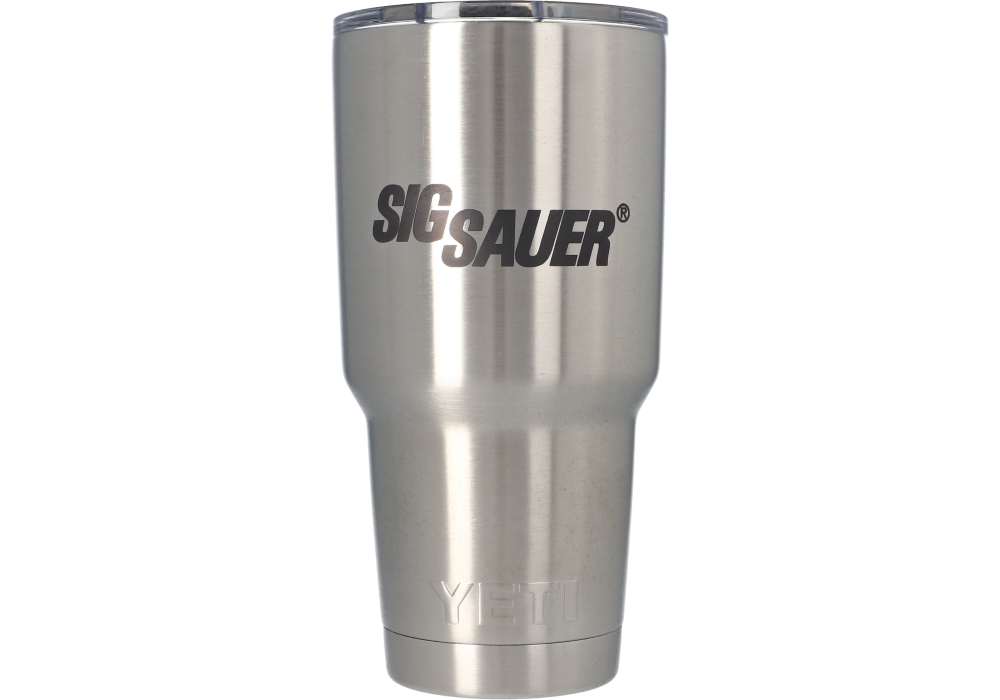
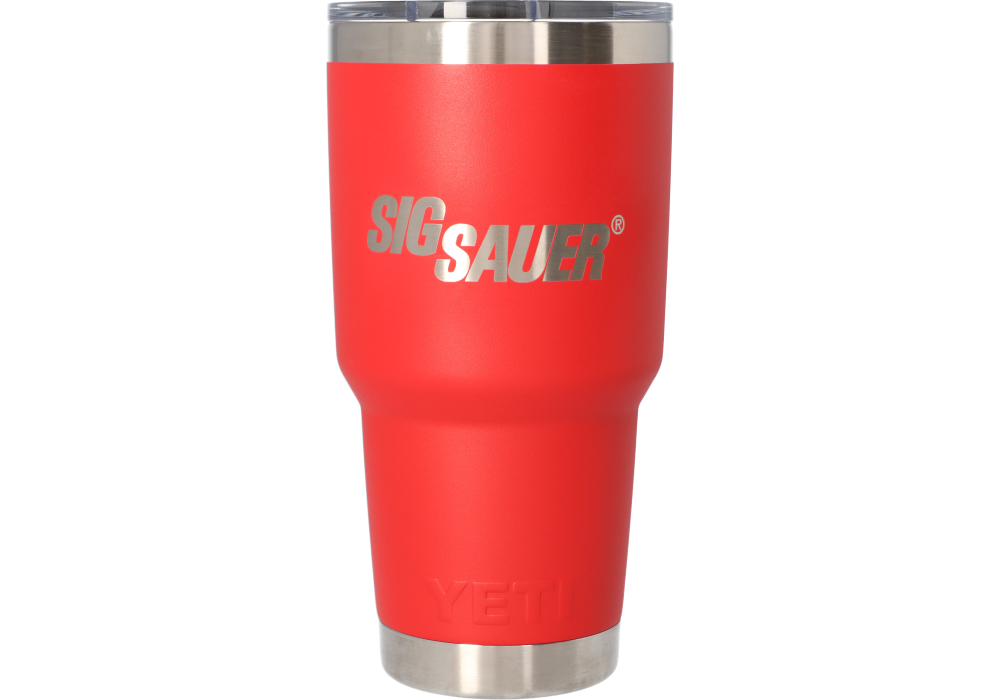
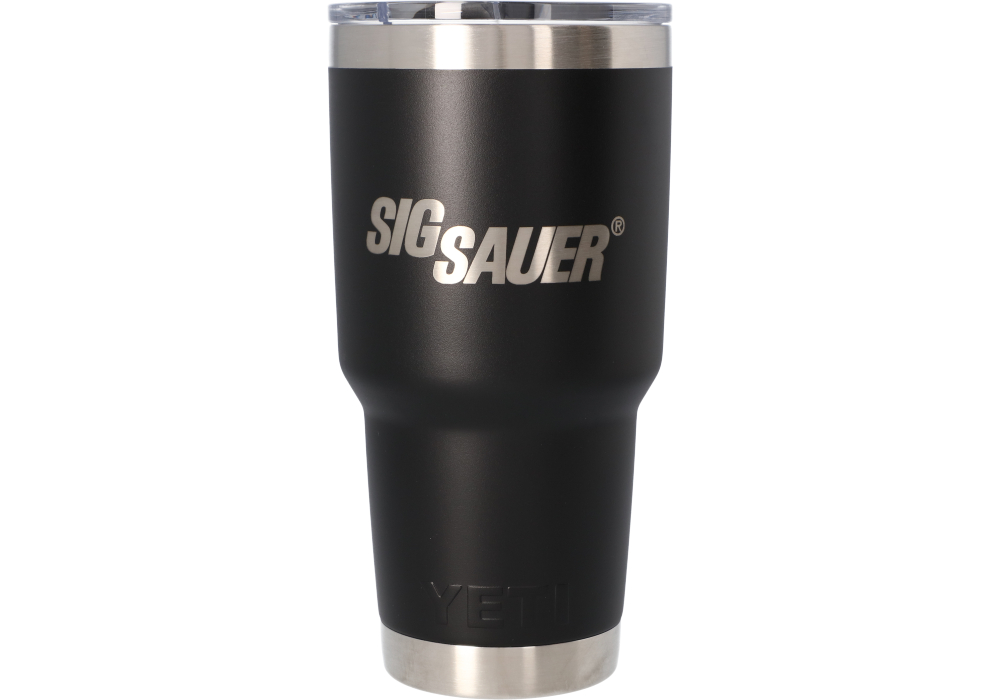
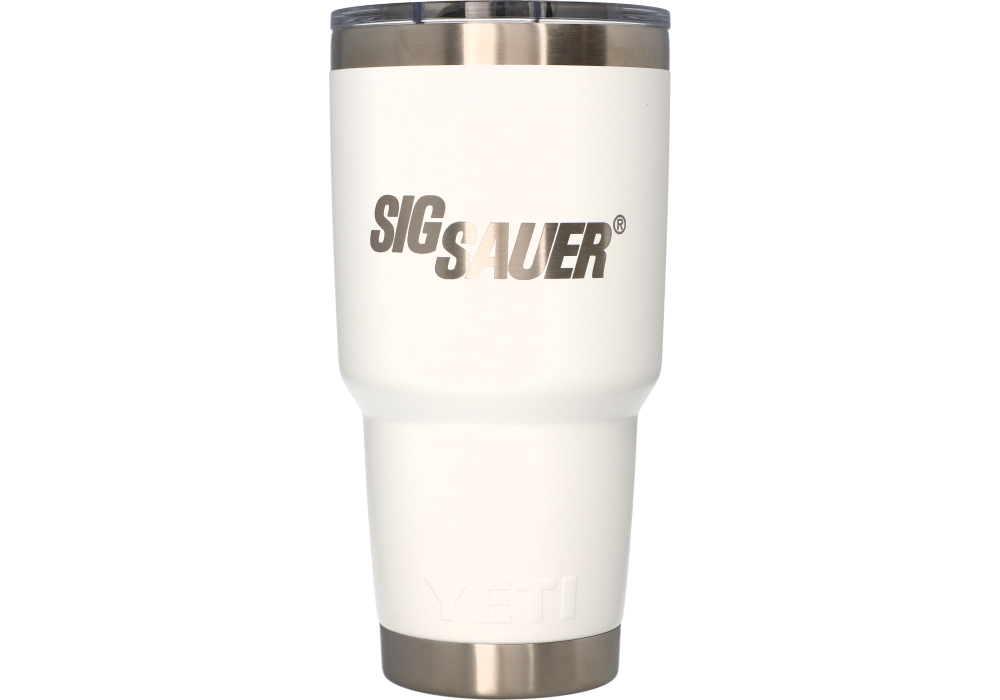
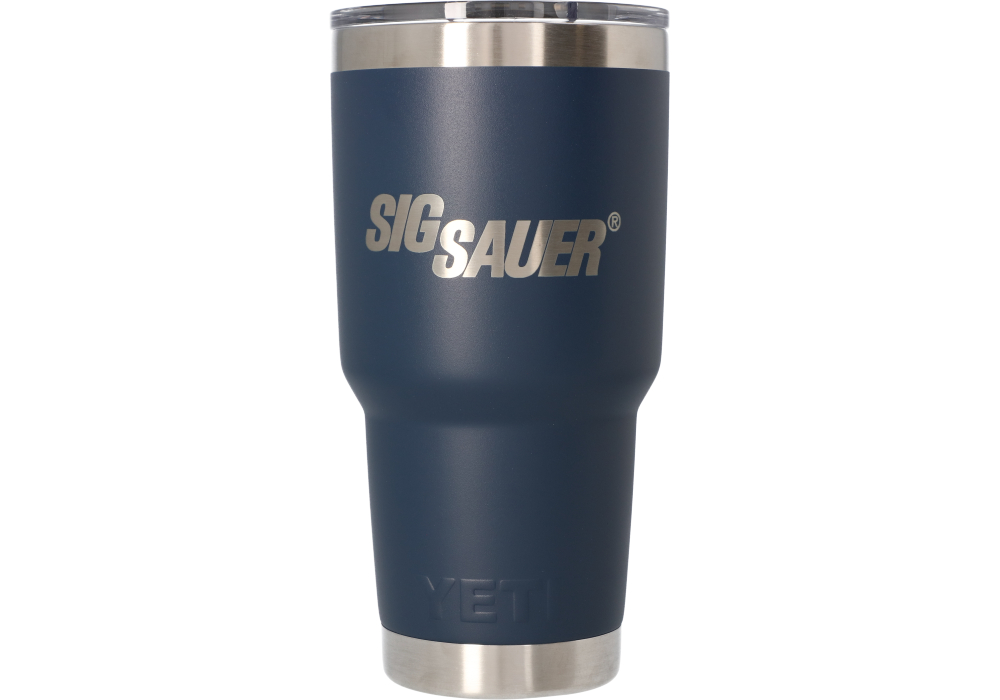
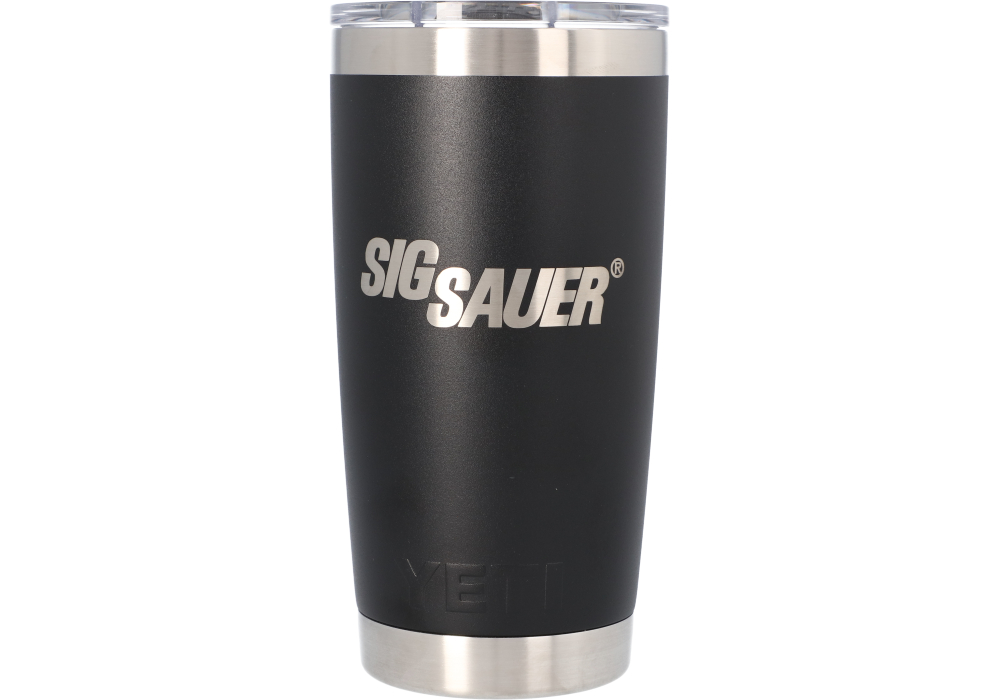
30 oz stainless steel tumblers provide a reusable way to carry coffee, water, iced tea, and other everyday beverages, with enough room for a long meeting, a commute, or an afternoon away from the kitchen. A nominal 30-fluid-ounce size equals about 3¾ cups, although ice and the space needed beneath the lid reduce the amount of liquid that fits comfortably inside. Stainless steel gives the body a sturdy feel and resists corrosion under normal use, while its nonporous surface is practical for regular cleaning. Construction matters as much as size: double-wall vacuum insulation helps slow heat transfer, allowing hot drinks to retain warmth and cold drinks to stay chilled longer than they would in an uninsulated cup. Actual performance depends on the design, starting beverage temperature, amount of ice, and how often the lid is opened. An insulated body can also help limit exterior condensation when holding a cold drink, keeping a desk or cup holder drier. The lid remains an important part of that performance because an open drinking port allows more heat exchange than a closed one. Stainless steel alone does not guarantee insulation, so the stated construction is worth considering alongside the overall shape and lid style. A tapered profile can balance a roomy upper section with a narrower base, while a textured or powder-coated finish may feel more secure in the hand than smooth bare metal. Coatings can also show wear differently from an uncoated surface, particularly where the tumbler rubs against a holder or another piece of gear. For someone who keeps water nearby throughout the day, the appeal is straightforward: a substantial drink within reach without repeatedly returning for a refill. For a coffee drinker, the same format offers room for a larger serving, provided the beverage is allowed to reach a comfortable sipping temperature before drinking.
The best everyday fit depends on where a tumbler will spend its time. A 30 oz stainless steel tumbler can be comfortable beside a workstation yet too wide for a particular vehicle console, so base diameter, overall height, and clearance beneath nearby controls deserve attention. A tapered bottom may help with cup-holder compatibility, but fit is never universal. Handles can make a larger drink easier to lift, especially when moving between a parked vehicle and a building, though they also add width and may interfere with a recessed holder. Handle-free shapes offer a simpler profile for carrying by hand or placing beside a notebook, lunch bag, or range bag. Lid design changes the experience just as noticeably. A sip opening suits coffee and other drinks enjoyed in small amounts, while a straw opening can make water convenient to reach without lifting the entire tumbler. Sliding closures help cover the drinking port between sips, but a covered opening is not necessarily a leakproof seal. Unless the design expressly supports sealed transport, an upright position is the sensible choice; a tumbler belongs in a stable holder rather than loose inside a bag with electronics or paperwork. Straw compatibility also depends on the lid opening and straw length, and suitability for hot beverages should follow the stated care and use information. The larger format brings some weight, especially when filled, so grip comfort matters during longer walks or frequent carrying. A slightly narrowed section may be easier to hold than a uniformly wide body. For broader comparisons across drinkware shapes and sizes, Insulated Cups offers a related category to explore. The useful distinction is not simply which vessel holds more, but which shape, closure, and drinking style fit naturally into the places and routines where it will be used.
Regular care helps a stainless steel tumbler remain pleasant to drink from and keeps its lid working as intended. Rinsing soon after coffee, tea, or flavored beverages prevents residue from sitting against the interior, while a thorough wash with mild dish soap and a soft bottle brush reaches areas that a quick rinse can miss. Lids, straws, and removable seals need their own attention because beverage residue can collect beneath sliders and around narrow openings. Taking apart only the components identified as removable, then allowing everything to dry fully before reassembly, helps keep those spaces clean. Dishwasher suitability varies by body finish, lid material, and insulation design; stainless steel construction does not mean every part is dishwasher-safe. The care information should determine whether a tumbler goes into the dishwasher or is washed by hand. Abrasive pads can scratch surfaces, and harsh cleaners may damage finishes or seals. Stainless steel drinkware should not go in a microwave, and freezing a filled vessel can put stress on its structure as liquid expands. Everyday durability is better understood as resistance to routine handling, not immunity to dents, scratches, or worn components. Setting a tumbler on a stable surface, keeping grit out of the lid, and protecting the rim from hard impacts can help preserve both comfort and function. These practical qualities also give 30 oz stainless steel tumblers broad gift appeal. A commuter, student, coworker, or outdoor enthusiast may appreciate a reusable drink vessel that fits an established routine rather than requiring a new one. Finish, grip, lid style, and ease of cleaning often matter more to the recipient than decorative details alone. Someone who drinks coffee at a desk may value a comfortable sip opening, while someone who carries water between errands may prefer straightforward straw access. A well-chosen tumbler earns its place through those small, repeated moments: an easy grip, a clean rim, a stable base, and a drink kept close at hand.