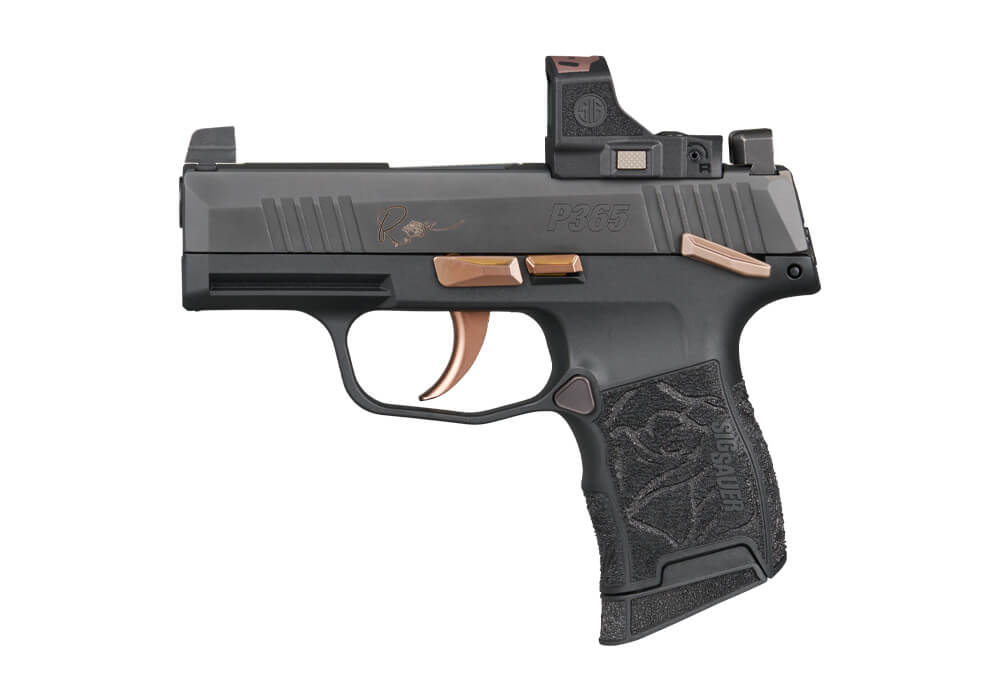
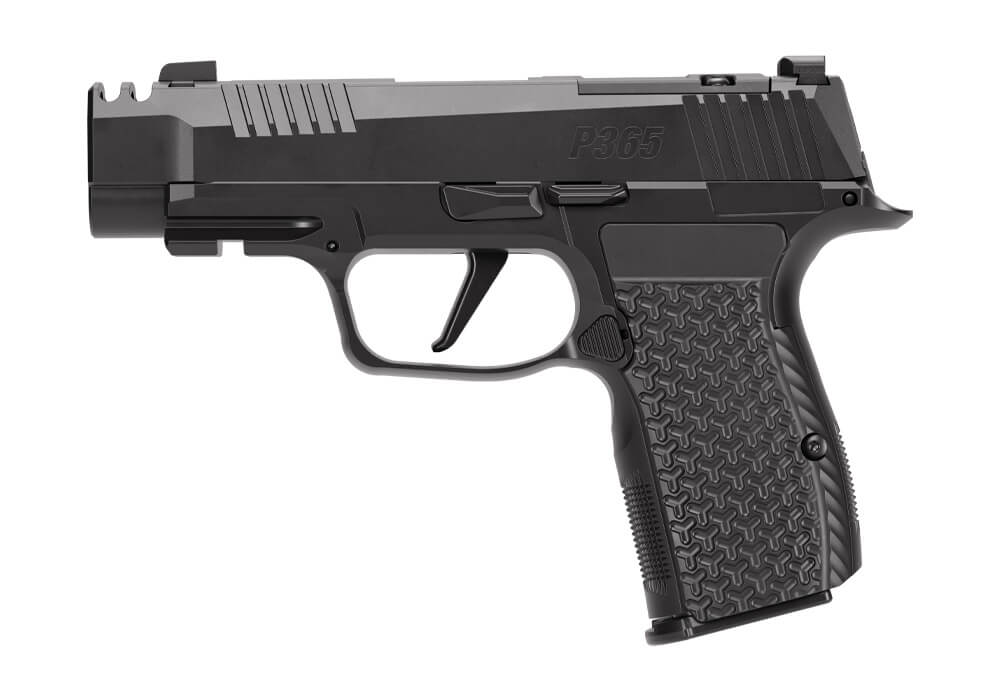
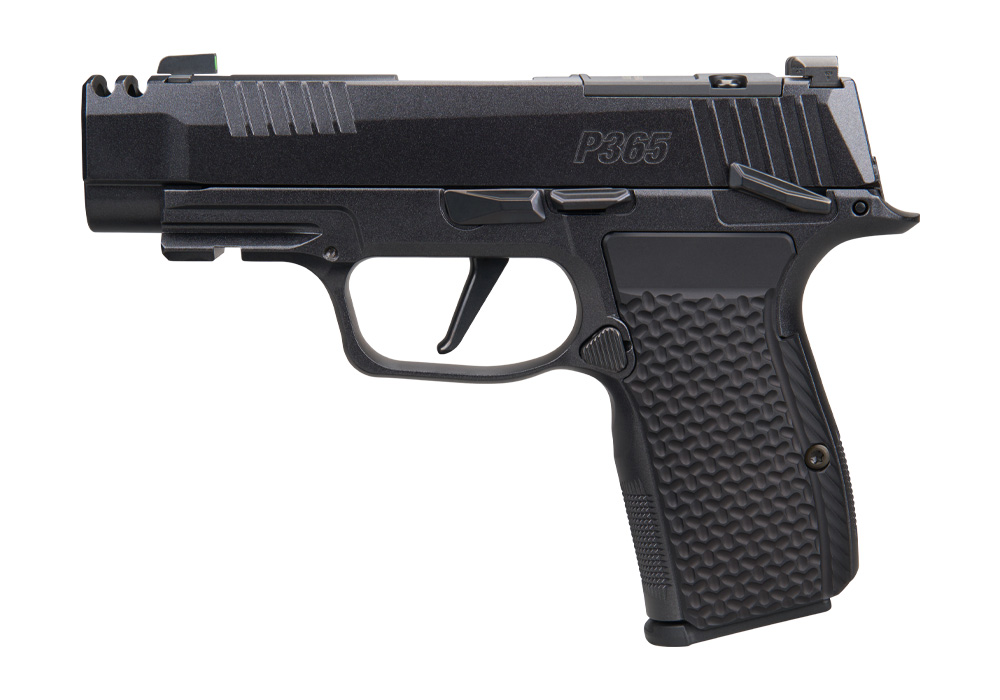
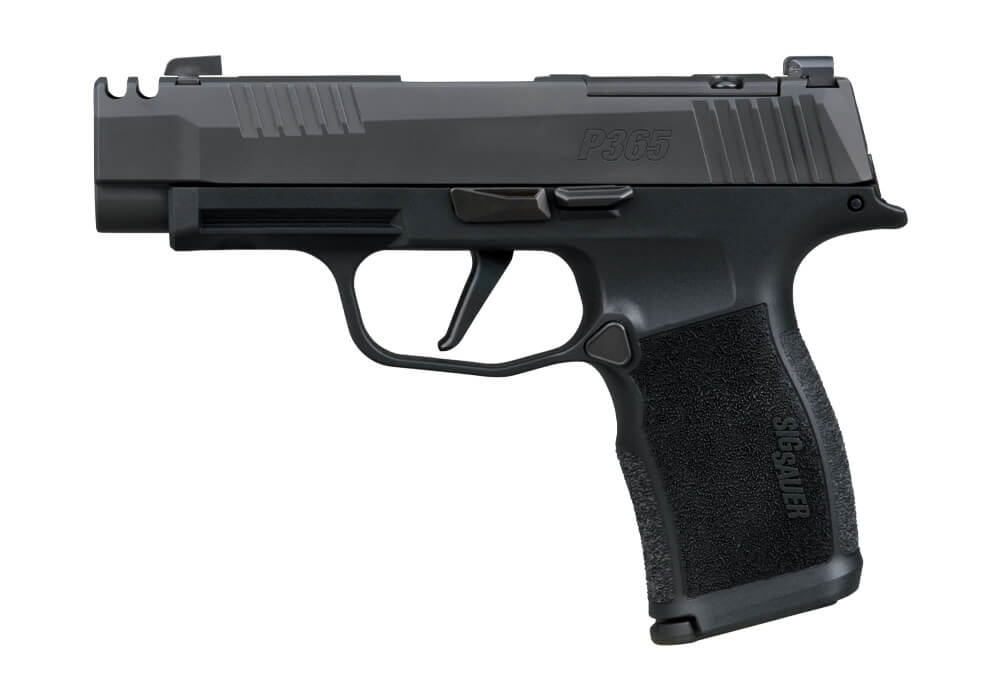
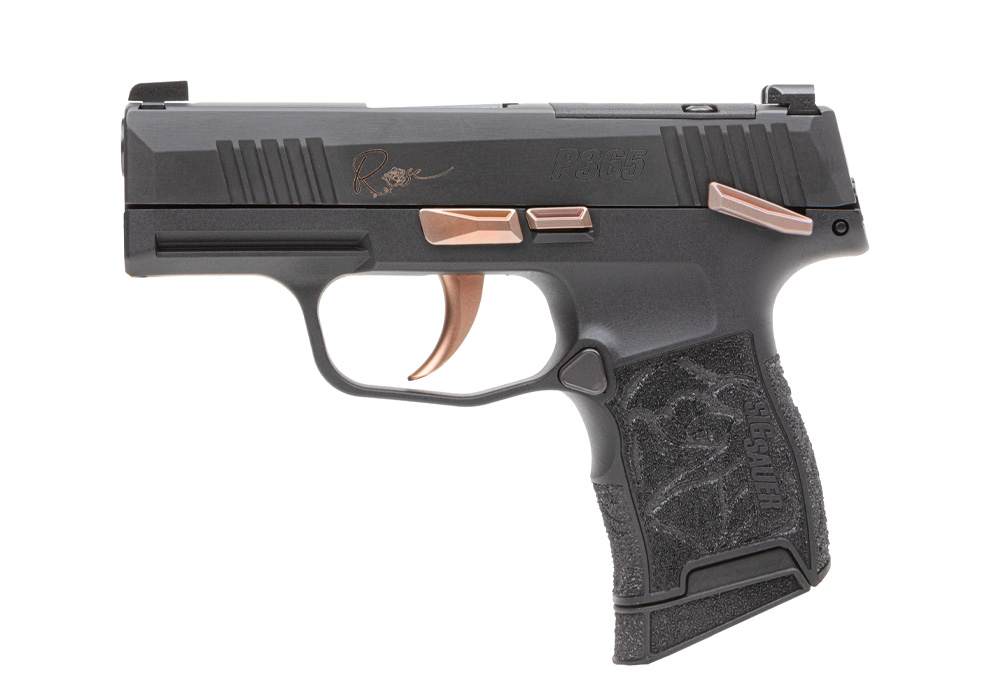
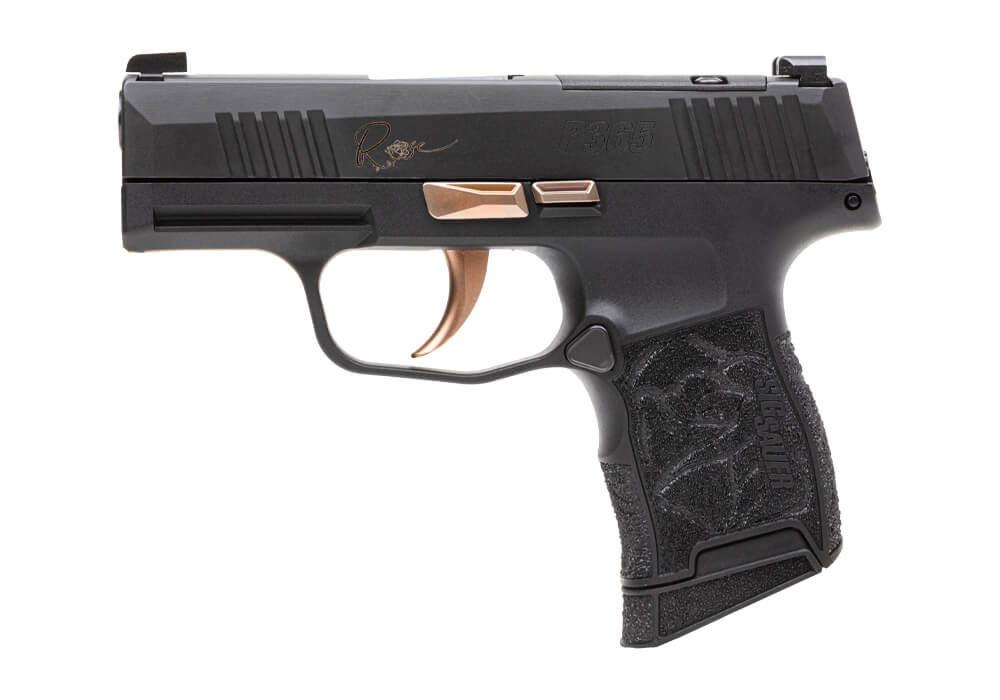
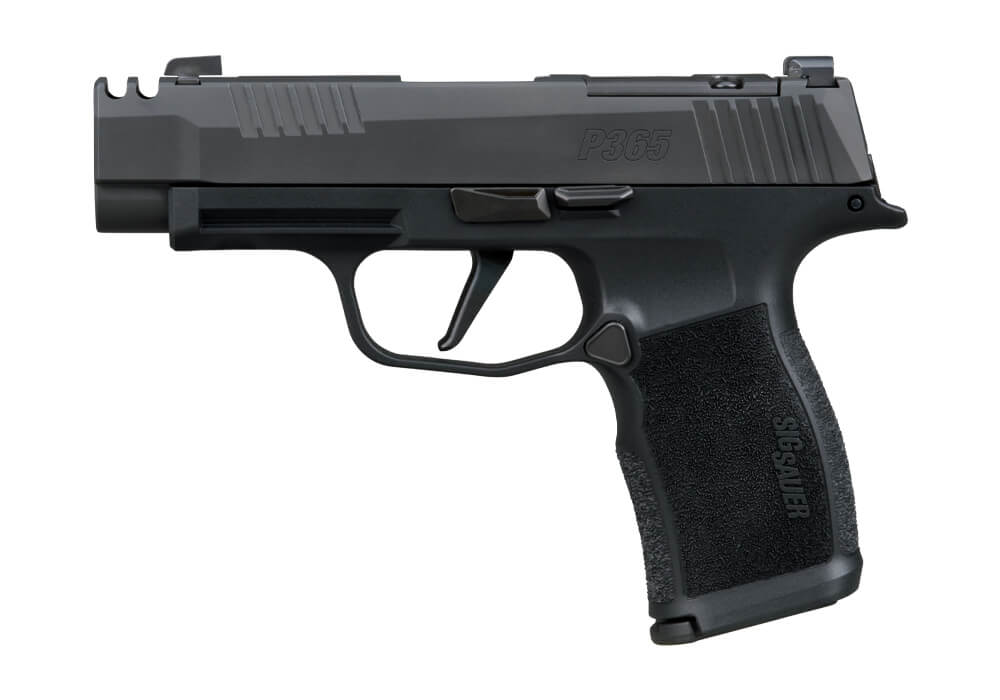
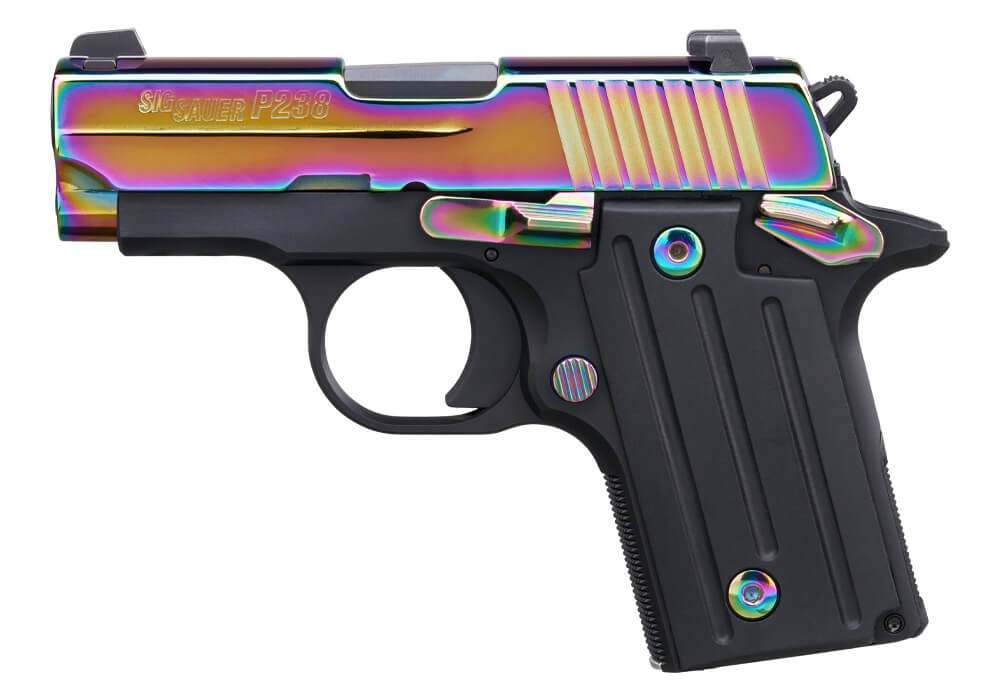
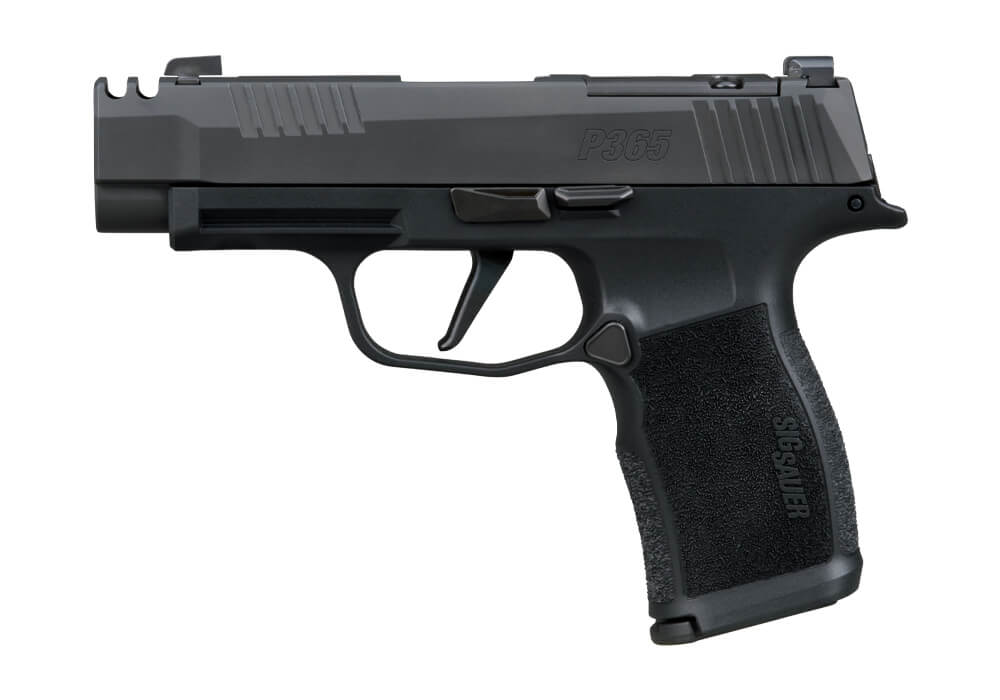
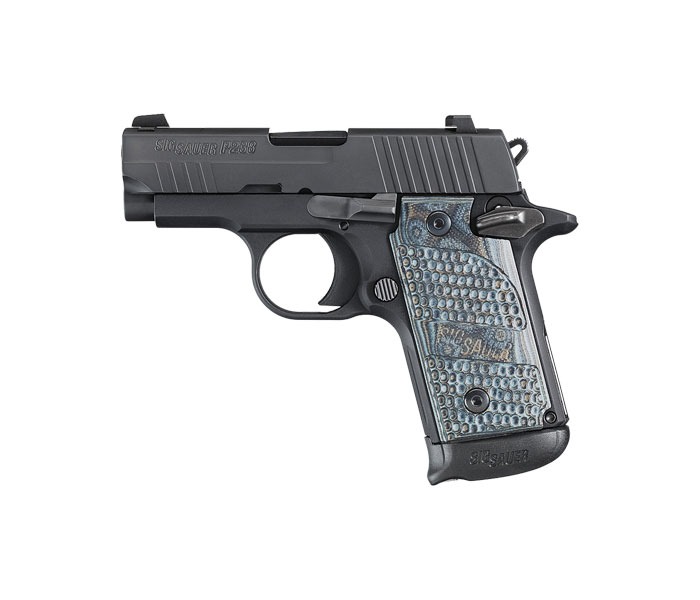
380 ACP compact pistols are valued for combining a small footprint with approachable handling, making them a practical choice for concealed carry, personal protection, range practice, and lawful ownership. Also known as .380 Auto, the cartridge is generally housed in compact and micro-compact frames with short barrels, slim slides, and grips designed to minimize bulk beneath everyday clothing. Compared with many larger defensive handgun cartridges, .380 ACP typically produces a softer recoil impulse, which can be helpful for newer shooters, those with smaller hands, or anyone who prefers a lighter, easier-to-manage pistol. The tradeoff is that these compact dimensions can make the controls, sights, and trigger feel more abbreviated than those found on a full-size handgun. A thoughtful selection begins with fit: the pistol should sit naturally in the hand, allow the shooter to reach the trigger and controls without shifting grip, and remain comfortable through repeated practice. Some models use a double-action, hammer-fired, striker-fired, or single-action operating system, and each design brings a different trigger feel and manual of arms. Slide serrations can make chamber checks and maintenance easier, while an easy-to-rack slide may be especially useful for shooters with reduced hand strength. Sights also deserve close attention. High-visibility fixed sights can help the eye find the aiming reference quickly, while a longer sight radius may support more precise shooting when the pistol’s dimensions allow it. Magazine options commonly range from a compact flush-fit magazine to an extended-capacity magazine that provides additional grip length and rounds, though the best choice depends on concealment, control, and local regulations. A flush-fit setup may disappear more readily in a pocket or waistband, while an extended magazine can give larger hands more purchase. Regardless of configuration, a reliable defensive pistol should be tested with the ammunition intended for use, handled according to the manufacturer’s instructions, and carried only in a quality holster that fully covers the trigger guard. Pocket carry requires a dedicated pocket holster and a pocket kept free of keys, coins, and other objects; placing a loose pistol among everyday items is not an acceptable substitute for secure carry equipment.
The products listed in this collection can suit a wide range of lawful users, from an experienced concealed carrier seeking a lighter secondary option to a first-time owner looking for a manageable pistol to learn with under qualified instruction. Their compact dimensions can be convenient during the warmer part of the year, when lighter clothing makes concealment more challenging, and they remain useful during cooler months when a discreet inside-the-waistband or pocket-carry setup can fit comfortably beneath layered clothing. A .380 ACP compact pistol may also be considered as a gift for an adult family member or close friend who has expressed a genuine interest in responsible firearm ownership, but a firearm should never be given casually or without confirming that the recipient may legally possess it. Transfer requirements vary by jurisdiction, and many buyers choose to involve a licensed firearm retailer so the transaction, background check, and documentation are handled correctly. Along with the pistol itself, practical ownership includes a secure storage solution, eye and ear protection, appropriate ammunition, a sturdy belt or carry method, and regular access to a safe training environment. The right 380 ACP Accessories can help complete that setup, whether the goal is comfortable carry, organized storage, or more consistent practice. At the range, compact pistols reward a steady grip and deliberate fundamentals. Their short sight radius can magnify small aiming errors, and their reduced grip length may make consistent hand placement especially important, but several sessions of slow, controlled fire can build familiarity quickly. A useful routine includes checking unloaded handling, practicing a smooth presentation with an empty firearm under instruction, confirming that magazines seat securely, and learning how the slide stop, magazine release, and any manual safety operate before adding live ammunition. Maintenance is equally important: inspect the pistol after use, follow the recommended cleaning and lubrication points, and replace worn magazines, springs, or other components as needed. With secure storage, suitable carry equipment, regular practice, and a clear understanding of local laws, a 380 ACP compact pistol can offer a balanced combination of portability, controllability, and everyday practicality.