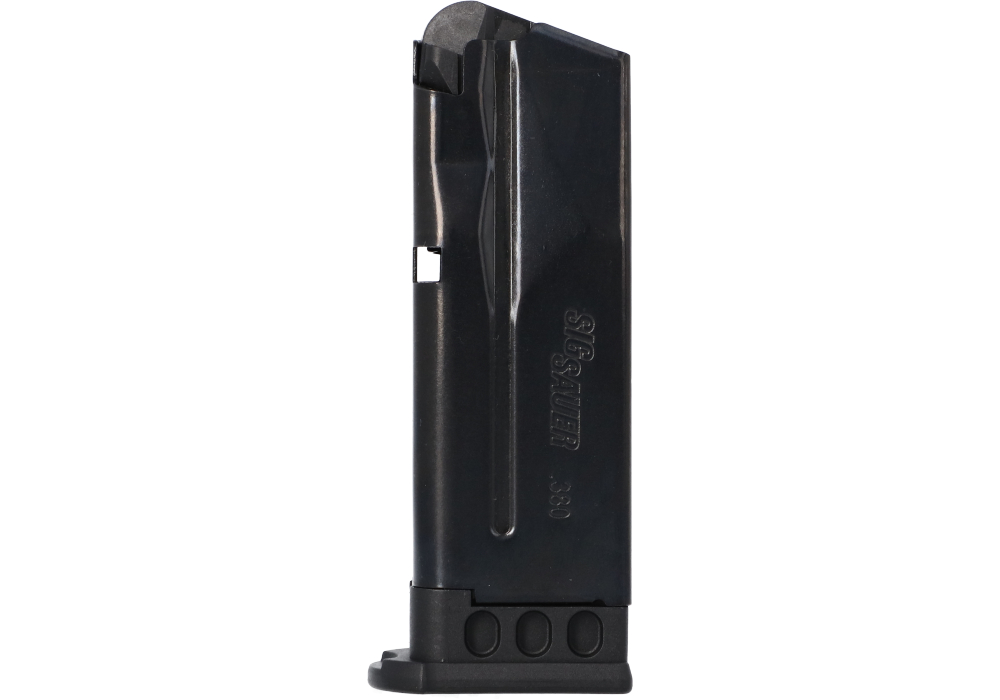
.380 magazines hold .380 ACP ammunition, also known as .380 Auto, for compatible pistols. They store cartridges and present them to the firearm’s feeding system, making correct fit and sound construction important considerations when comparing options. The cartridge designation is only the starting point: a magazine must also match the handgun’s exact model and any applicable generation or configuration. Two pistols chambered for the same ammunition can require different magazine bodies, catch locations, followers, and baseplates. A similar outline or matching round count does not establish compatibility, and a magazine that enters the grip is not necessarily appropriate for that firearm. Manufacturer compatibility information and the handgun’s manual provide the most useful references for narrowing the selection. Round count varies by pistol design and magazine configuration, with compact formats generally balancing ammunition storage against a shorter grip profile. Flush-fitting bases follow the lower edge of the grip closely, while some extended bases provide additional room beneath the frame. An extended base does not automatically mean that a magazine holds additional rounds; some extensions primarily change the gripping surface. That distinction matters when comparing photographs and descriptions, particularly for smaller handguns where a little extra space can affect how the grip rests against the hand. Someone selecting a magazine for lawful everyday carry may prefer a compact profile, while a recreational shooter may value a longer gripping surface during supervised practice. Neither preference overrides the need for an exact firearm match. Differences in grip frames, magazine wells, and retention features mean that dimensions and compatibility deserve more attention than appearance alone. Clearly stated cartridge compatibility, supported firearm models, round count, and base configuration provide a useful foundation for comparing .380 pistol magazines without assuming that similar-looking options serve the same purpose.
Materials and construction influence how a .380 magazine handles repeated loading, routine handling, and ordinary wear. Metal bodies are common, often using steel or stainless steel, although the material and finish vary by design. Protective finishes can help resist corrosion and surface wear, but no finish eliminates the need for appropriate care. Polymer followers and base components are also common, contributing to the magazine’s shape and function without requiring every component to use the same material. The body holds the assembly together, the spring applies pressure beneath the follower, and the feed lips control how cartridges are presented. Consistency across those components matters more than a polished exterior or an aggressive-looking base. Smooth edges, a securely fitted baseplate, and construction that follows the firearm manufacturer’s specifications are useful qualities to consider. A magazine carried close to the body or transported regularly may encounter perspiration, fabric lint, and abrasion, while one used primarily at a range may collect dust and residue. Those environments put different demands on the exterior finish and make routine inspection worthwhile. For a shooter who keeps range equipment organized in a dedicated case, a spare magazine can have a different role from one carried regularly in a compatible pouch. Base shape and overall length can influence how neatly the magazine fits that storage arrangement, especially when protective compartments are closely sized. A longer base may provide a more noticeable gripping surface, but it can also extend beyond the handgun’s original grip outline. A low-profile base may suit a compact setup, yet offer less room for the smallest finger. These are practical differences rather than universal measures of quality. The most suitable choice brings together verified compatibility, appropriate dimensions, durable construction, and a configuration that suits the owner’s lawful use without relying on appearance as a substitute for specifications.
Care helps preserve the condition of .380 ACP magazines and makes wear easier to recognize before it becomes a persistent problem. Cleaning and inspection should follow the firearm manual and the magazine manufacturer’s instructions, with ammunition kept away from the work area. Dirt, lint, corrosion, cracked base components, and visibly distorted feed lips deserve attention; a damaged magazine should be taken out of use and evaluated by a qualified professional. Excess lubricant can attract debris, so protective treatments should follow the recommendations for the particular magazine rather than a general assumption that more oil is better. Storage also matters. A clean, dry location and a protective case or suitable pouch can limit exposure to moisture and prevent loose equipment from rubbing against the magazine body. Secure storage should keep magazines and ammunition inaccessible to unauthorized users, especially children, and follow applicable laws. For recreational shooters, an additional compatible magazine can help keep range equipment organized and provide a separate option when another magazine needs inspection or maintenance. Owners of compact pistols may also appreciate having a clearly identified magazine for a particular firearm rather than sorting through several similar-looking accessories. Where manufacturers permit it, unobtrusive identification can help distinguish magazines belonging to different handguns without altering functional surfaces. Magazines can be a thoughtful accessory gift for an established firearm owner, but the recipient’s exact handgun model and preferred configuration need to be confirmed beforehand; caliber alone is not enough information. Local restrictions may also affect which configurations can be purchased or possessed. Shoppers browsing accessories for a different shooting platform can explore 177 Cal Magazines as a separate airgun category, not an interchangeable alternative to .380 ACP magazines. Within the .380 category, the clearest comparison remains the simplest one: the correct cartridge, an explicitly supported firearm model, suitable dimensions, and construction that can be maintained according to the manufacturer’s directions.