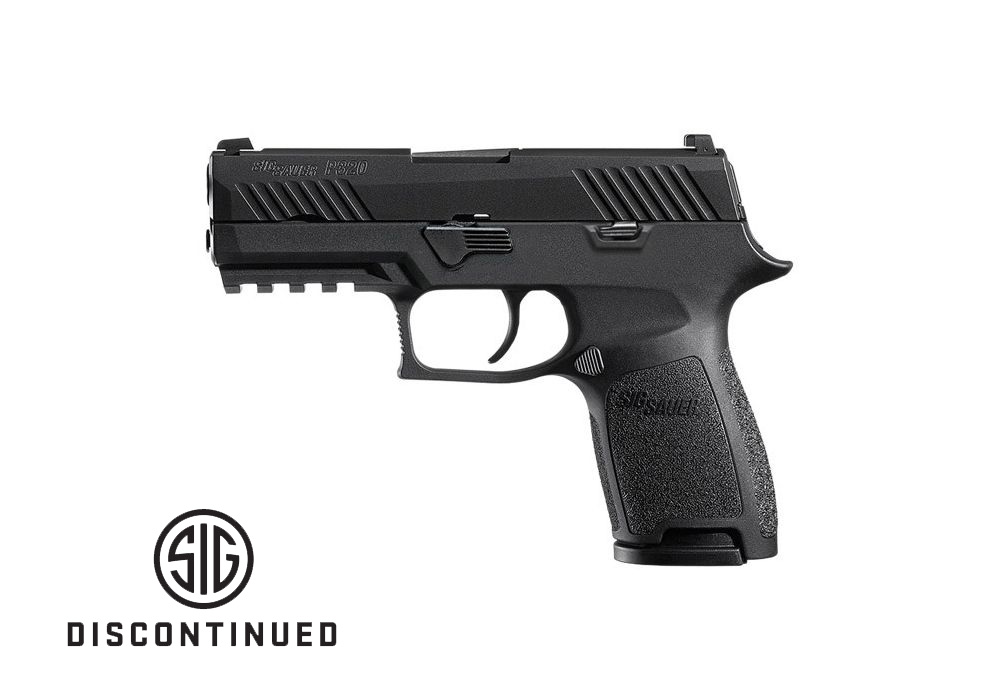
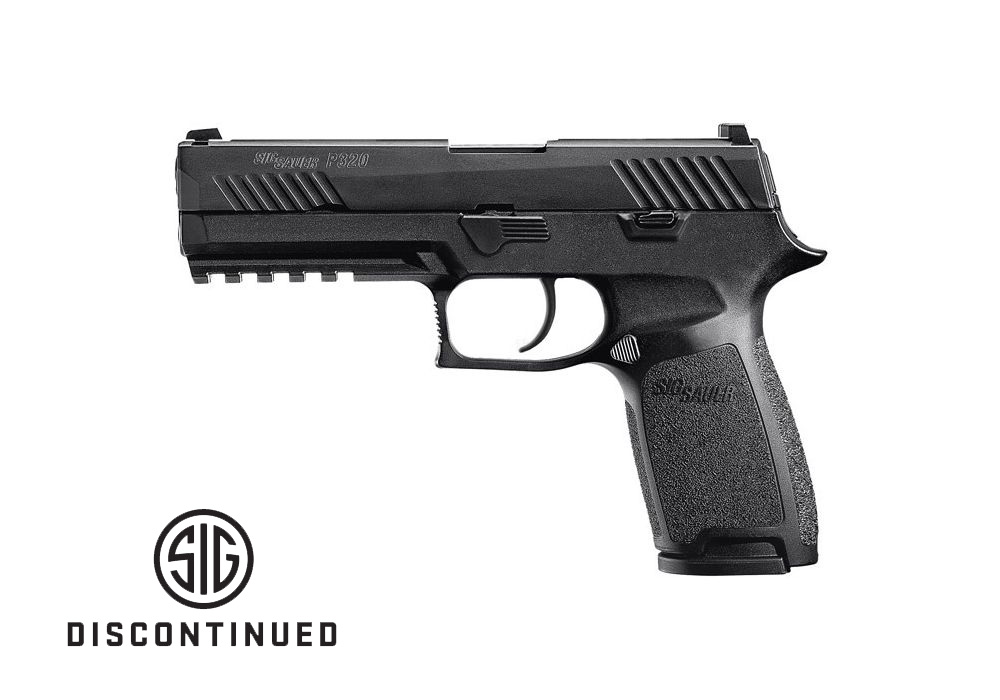
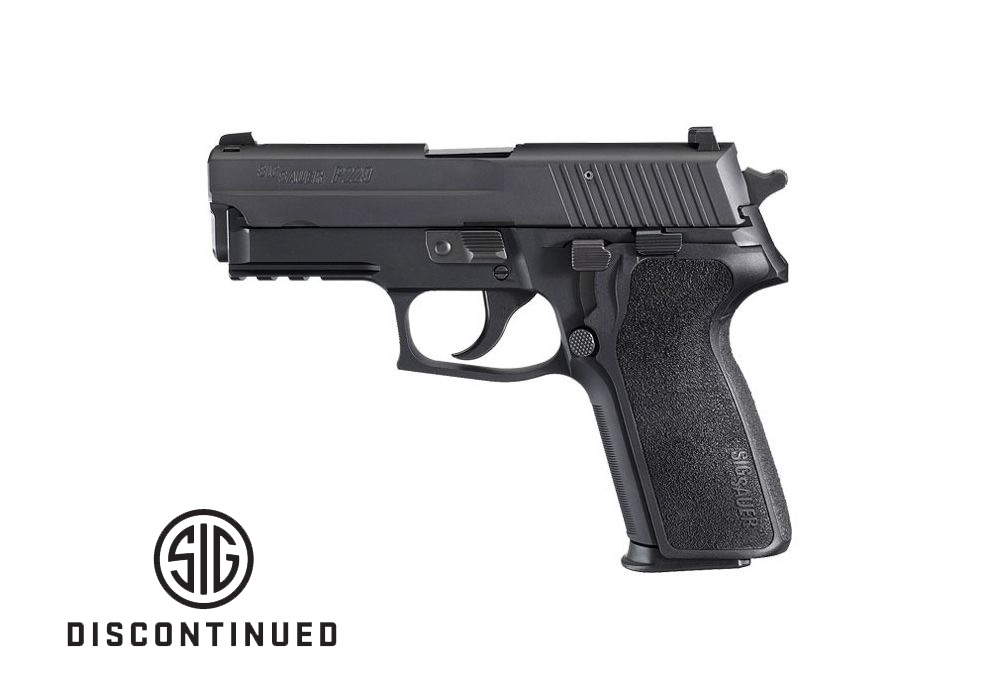
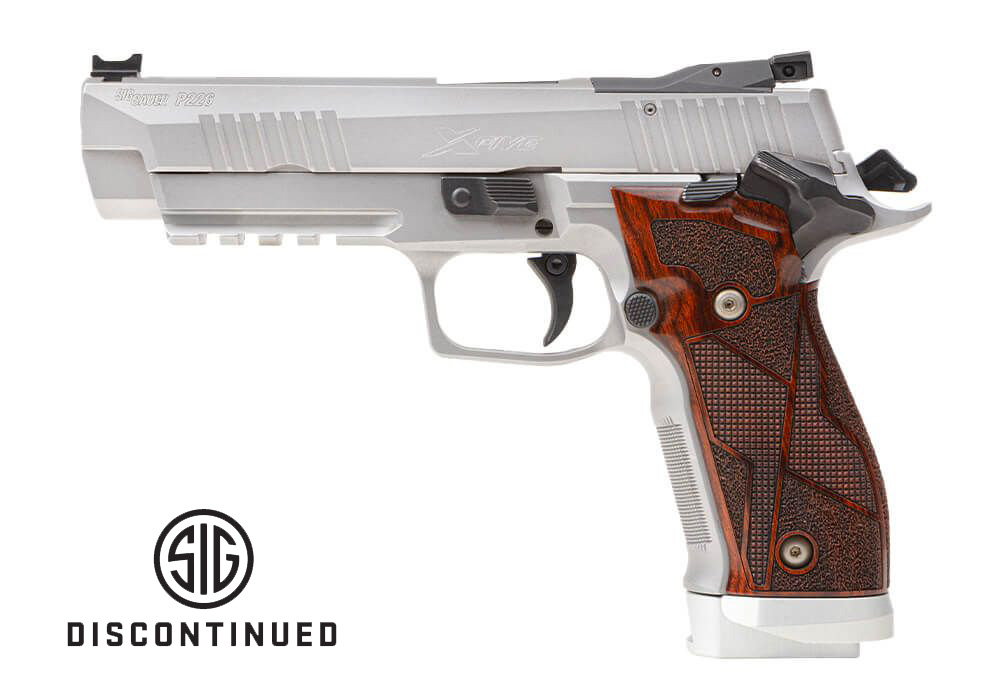
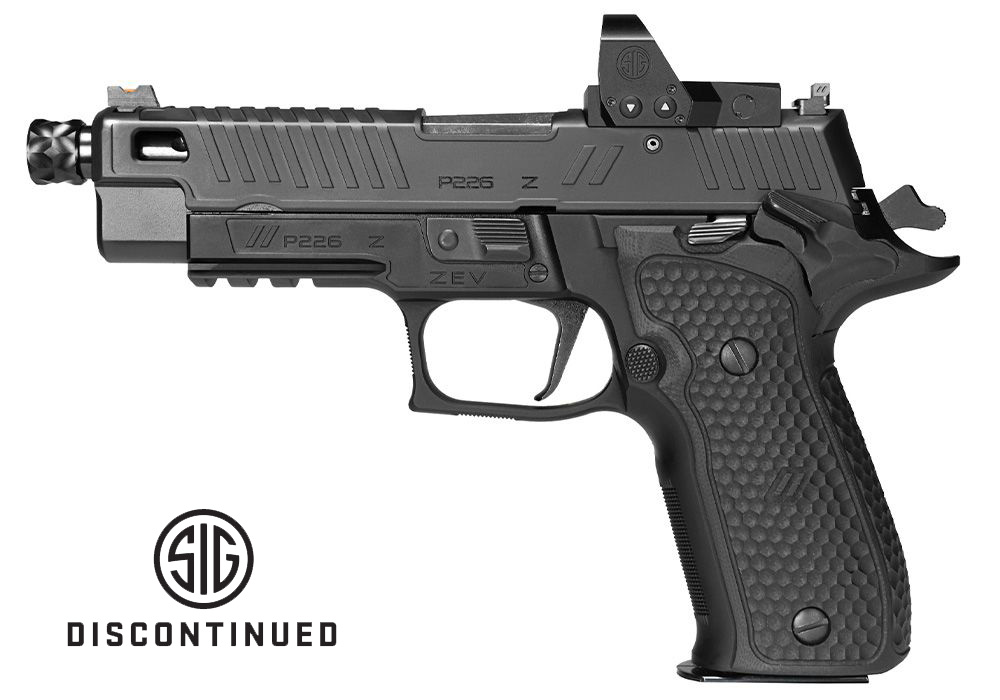
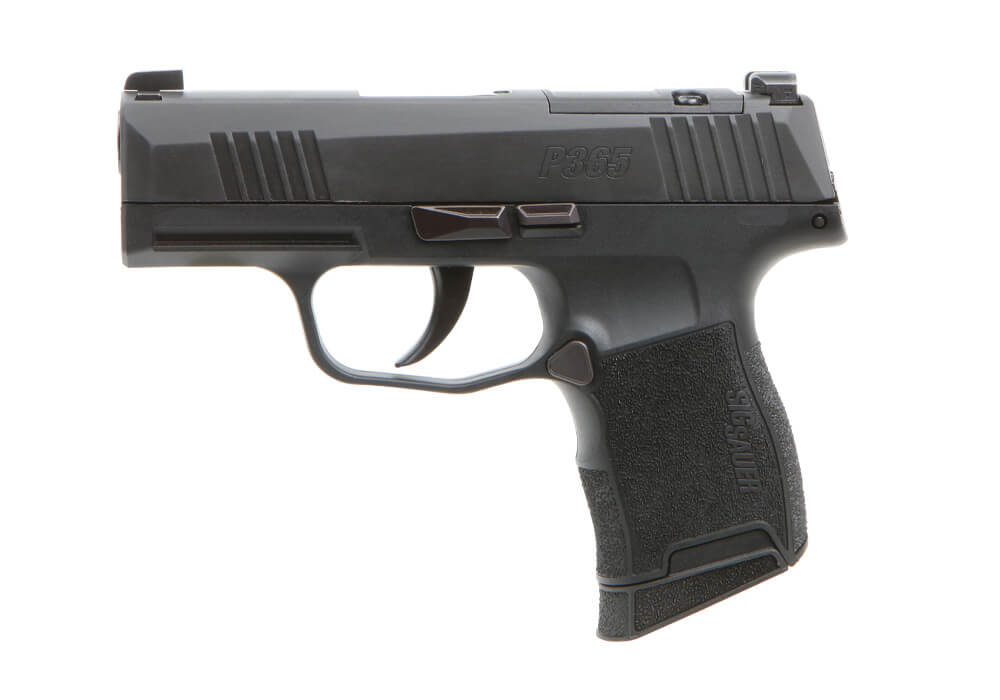
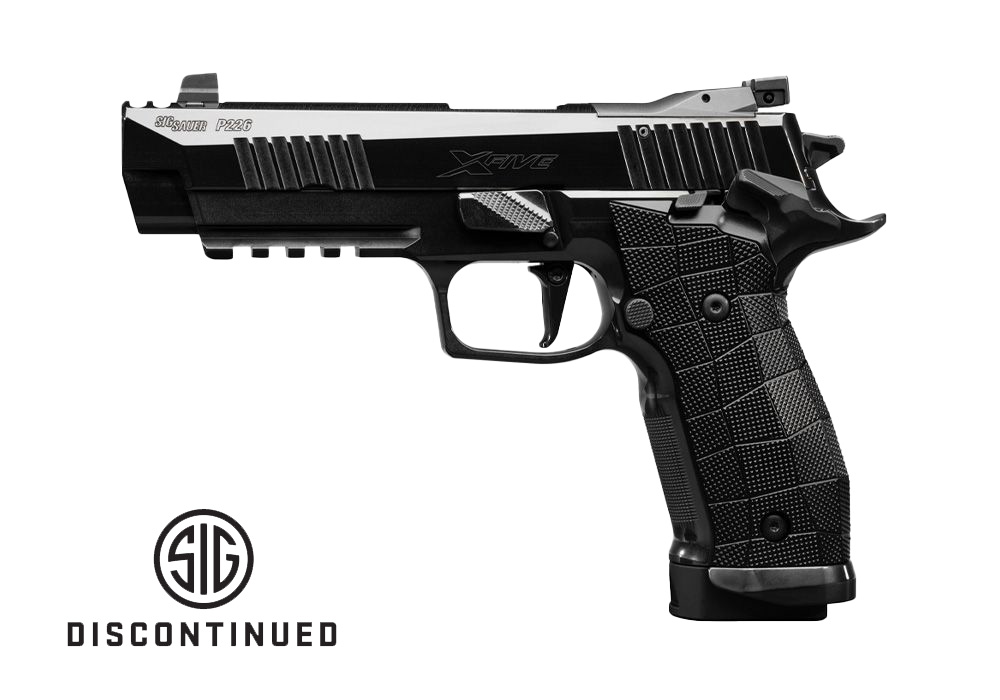
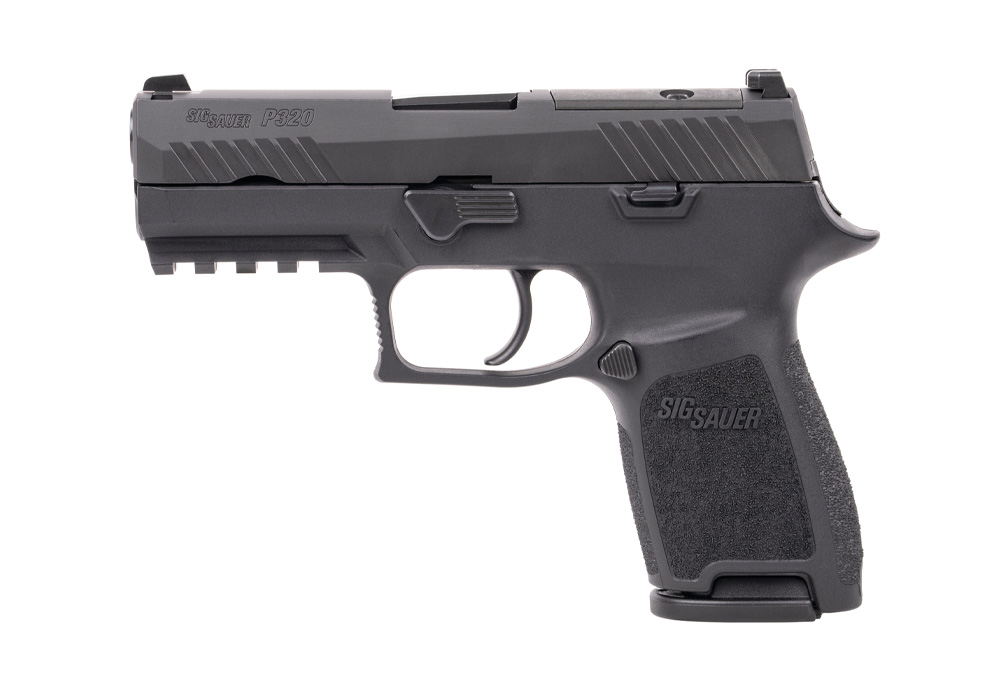
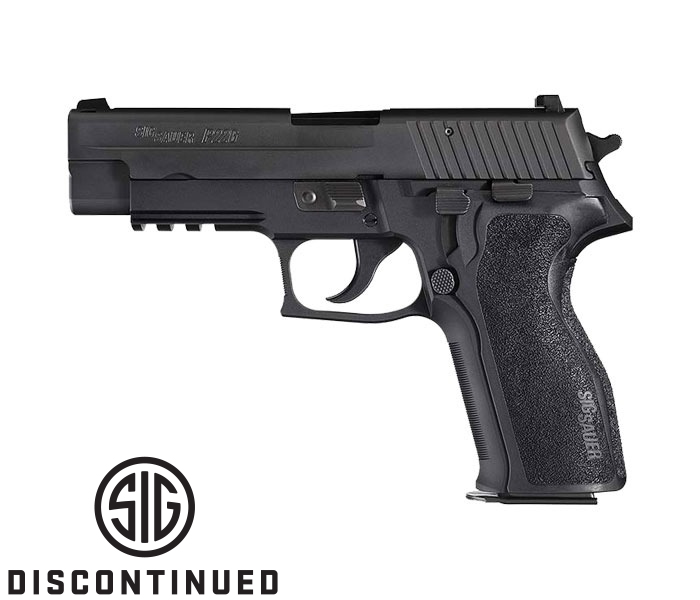
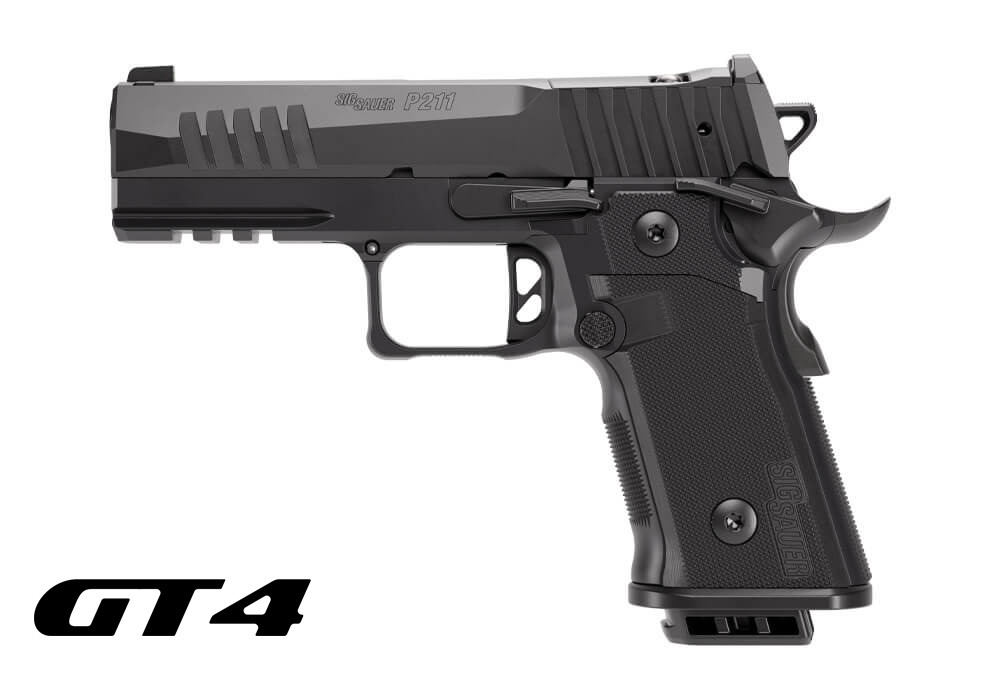
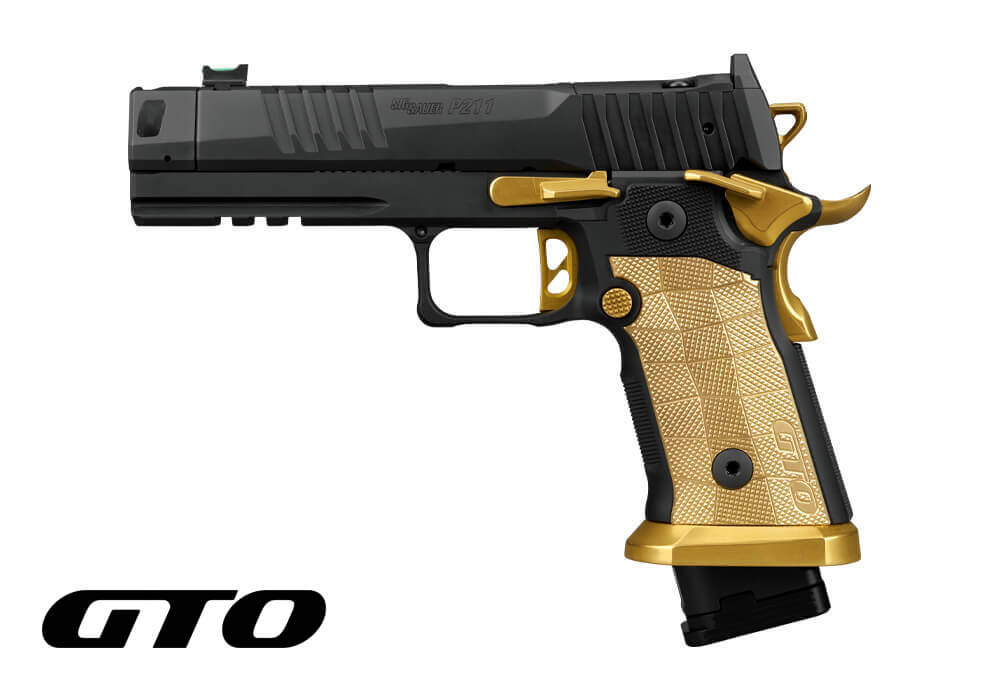
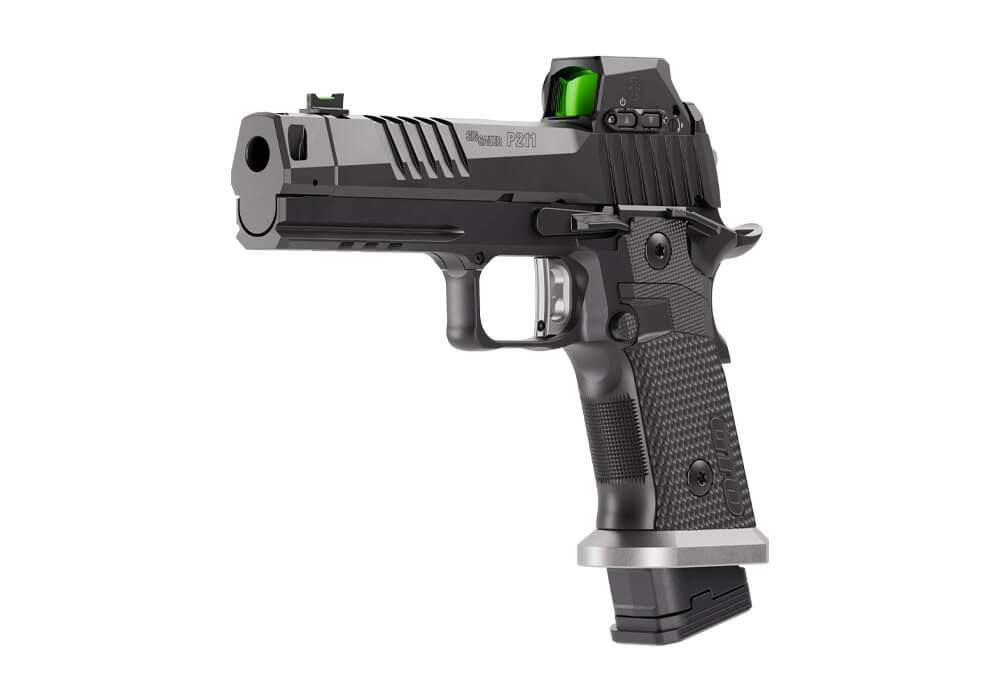
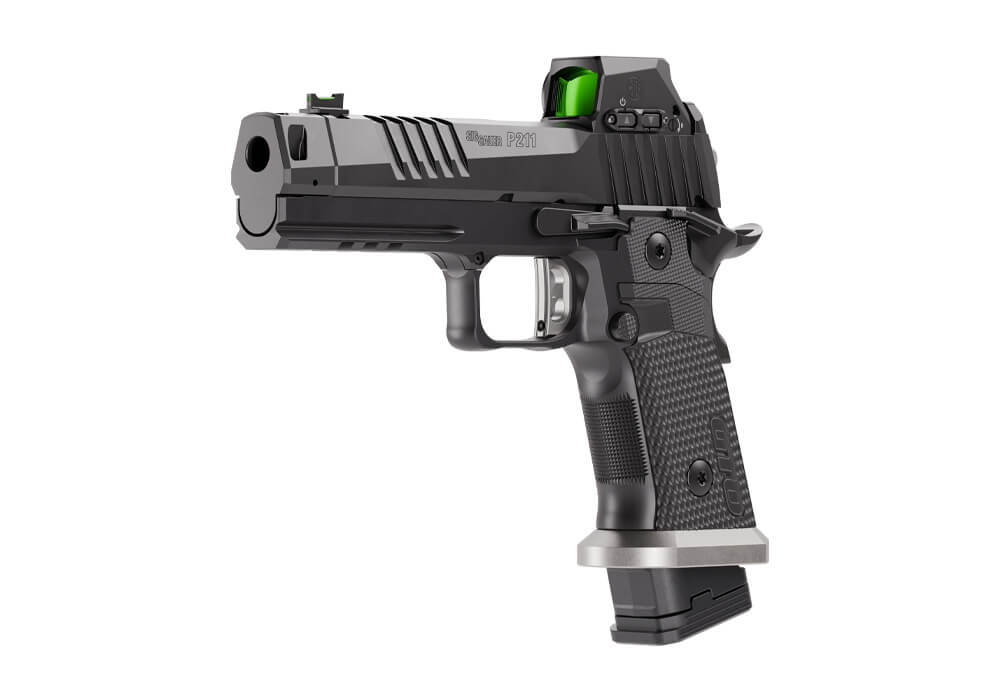
4.5-inch-barrel 9mm pistols occupy a familiar space among full-size and duty-size handguns, combining a substantial grip and slide profile with dimensions suited to regular range use. The measurement refers to barrel length, not overall handgun length, and it does not establish frame size, weight, operating system, or magazine compatibility. Two pistols with the same barrel length can feel quite different in the hand, particularly when their grip shapes, frame materials, and control layouts differ. This category can appeal to recreational target shooters, adults developing their skills through supervised instruction, and qualified professionals whose equipment requirements permit this format. Some owners also consider these pistols for lawful personal protection, where secure storage, appropriate training, and familiarity with the firearm remain essential. Compared with shorter configurations, a longer slide may provide more distance between conventional front and rear sights, depending on their placement. That difference can affect how the sight picture appears, but barrel length alone does not guarantee greater accuracy, softer recoil, or a particular ammunition velocity. Overall design, ammunition, maintenance, and the individual shooter all influence the experience. For shoppers comparing 9mm Pistols With 4.5 In Barrels, the most meaningful distinctions extend beyond that shared measurement. Frame dimensions, unloaded weight, trigger system, sight configuration, and manufacturer specifications help explain the character of each configuration. A handgun intended primarily for structured practice may invite different priorities than one selected for an authorized professional role. Even within the same general size class, some designs emphasize a lighter frame, while others have a more substantial feel. The appeal of the four-and-a-half-inch format lies in that range of possibilities: a familiar barrel length paired with different approaches to handling, construction, and everyday ownership. Exact dimensions and documented features offer a more dependable basis for comparison than broad labels such as compact, full-size, or competition-oriented.
Materials and ergonomics have a direct influence on how a 9mm pistol feels during a full range session, not just during a brief handling assessment. Polymer frames can help limit overall weight, while aluminum-alloy and steel frames offer different combinations of mass, balance, and surface feel. The material name alone does not establish durability; component design, protective finishes, manufacturing quality, and proper maintenance also matter. Steel slides and barrels commonly receive surface treatments intended to resist wear and corrosion, although no finish eliminates the need for inspection and care. Grip texture deserves similar attention. A pronounced pattern may feel secure to one person yet uncomfortable to another, especially during extended practice. Grip circumference, the shape of the backstrap, and the distance to the trigger can be more important than a handgun’s appearance in a photograph. Where interchangeable grip components are part of the design, they may provide additional fit options within the manufacturer’s specifications. A comfortable fit allows the hand to settle naturally without crowding the fingers or creating uncomfortable pressure points. Control placement also affects accessibility, particularly for left-handed users or people with smaller hands. Ambidextrous controls and reversible components are separate features, so their descriptions should not be treated as interchangeable. Trigger systems vary as well: striker-fired and hammer-fired designs can have different operating characteristics, and neither barrel length nor chambering identifies which system a pistol uses. Conventional sights, illuminated sight elements, and optics-ready slide configurations introduce further distinctions. An optics-ready designation does not mean every optic attaches directly; mounting patterns, compatible hardware, and manufacturer requirements remain specific to the firearm. Likewise, an accessory rail does not establish compatibility with every attachment or holster. These details help distinguish pistols that share a barrel measurement but serve different preferences. The result is a category where physical fit and clearly documented specifications deserve as much attention as exterior styling.
Long-term satisfaction with a 4.5-inch-barrel 9mm pistol depends on the practical details that surround ownership: suitable ammunition, compatible accessories, consistent care, and secure storage. Ammunition must match the exact chamber marking and the manufacturer’s approved specifications; a general reference to 9mm is not a substitute for verifying the correct cartridge. Magazine compatibility is equally specific, since similar-looking magazines are not necessarily interchangeable across different frames or generations. Holster fit depends on more than barrel length, too. Slide dimensions, frame shape, sight height, and any fitted accessories can all influence whether a holster properly accommodates a particular configuration and protects the trigger area. For transport to a range, a secure case helps protect the firearm and keeps equipment organized, while storage arrangements must prevent access by unauthorized people. Handling, cleaning, and inspection should follow the firearm’s manual, with the pistol unloaded and ammunition kept away from the work area. Manufacturer guidance also establishes the appropriate cleaning products, lubrication points, inspection intervals, and service procedures. Excess lubricant, unsuitable solvents, and abrasive treatment can create problems rather than provide additional protection. Routine attention to the bore, exterior surfaces, magazines, and other specified components supports dependable condition without requiring cosmetic perfection. Honest finish wear and mechanical concerns are not the same thing; suspected damage, unusual function, or uncertain component condition calls for assessment by a qualified professional. Clear documentation, accessible operating instructions, and understandable warranty terms also contribute to a straightforward ownership experience. For someone returning to regular practice after time away, or moving from occasional visits to a more consistent range routine, a comfortable full-size format can be appealing without every feature needing to be specialized. A well-considered choice brings together manageable dimensions, a suitable grip, compatible equipment, and realistic care requirements. Within this category, the strongest fit is the pistol whose documented characteristics align with its lawful intended use and the owner’s commitment to responsible handling, training, and storage.