9mm Affordable Target Rounds
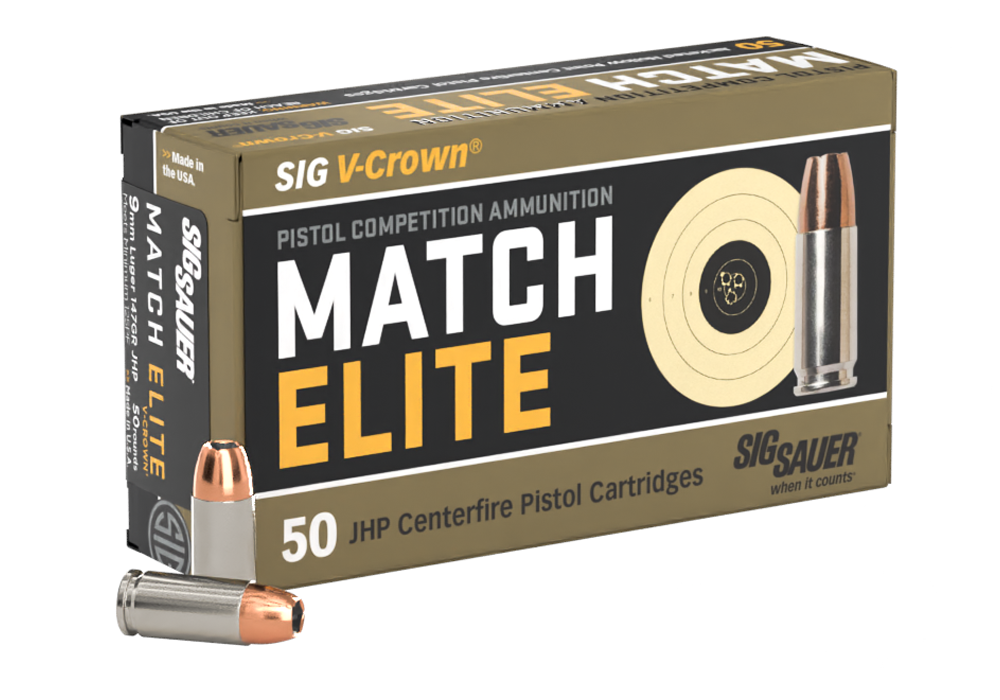
9mm target rounds are ammunition intended for paper targets and other approved targets at a shooting range. The packaging uses a short set of terms to describe the cartridge, and each term refers to something different. The cartridge is the complete round, while the bullet is the projectile and the case is the outer body that holds the components together. A material such as brass, aluminum, or steel may refer to the case, while a term such as full metal jacket, often abbreviated FMJ, describes the construction of the bullet. A weight listed in grains on a box of target ammunition typically refers to the bullet, not to the complete cartridge or the contents of the box. None of those descriptions, by itself, establishes what the ammunition fits or whether a particular facility permits it. Even the broad 9mm designation is not enough to establish compatibility: the complete cartridge designation matters, and similar-looking rounds are not necessarily interchangeable. The original carton preserves that information, along with the lot markings that a manufacturer may ask for when answering a question about a particular box. That distinction is easy to miss when two cartons have similar lettering or when loose rounds from different boxes end up in the same bag. Clear labeling matters more than the appearance of the cartridge.
Target ammunition is part of a range visit for adults taking a supervised introductory class, recreational participants, and members of organized target leagues. The setting can differ quite a bit from one visit to the next. A public range might post its ammunition policy at the check-in counter, while a club hosting a league may send participants a separate set of rules for the event. Those rules can distinguish between the material in the case and the construction of the bullet, so a statement about one component should not be read as a statement about the other. Some facilities also have separate policies for individual bays, and a rule from a previous visit may not apply at another facility. Keeping the carton at hand gives staff the exact wording to refer to if a label is unclear. The same care applies at the end of a visit. A spent case on the floor and an intact cartridge left on a bench call for different handling. Facility staff can explain what belongs in a collection container, what should be left for them to handle, and when it is safe to retrieve anything in the range area. An unfamiliar round found near a bench should not be assumed to belong with the contents of a neatly labeled box simply because it looks similar.
Care between range visits is mostly a matter of keeping ammunition identifiable, dry, and secure. The original packaging keeps the cartridge designation and lot information together and, when it includes a fitted tray, keeps individual rounds from rolling against one another or getting mixed into the bottom of a bag. A carton is useful for organization, but it is not a substitute for locked storage out of reach of children and anyone who should not have access. A range bag that comes home with a partially used box is easy to set aside and forget; putting that box back in secure storage keeps it from being left among hearing protection, spare targets, and other gear. The carton can also show signs of rough handling or moisture even when the contents are not immediately visible. Protect ammunition from moisture and physical damage, and do not try to clean, polish, or repair a cartridge that appears damaged or corroded. The same caution applies to loose rounds whose markings or condition cannot be confidently identified. Range staff or a local authority can explain how unwanted or questionable ammunition should be handled rather than placing it in household trash or in a container intended for spent cases. Keeping ammunition in its labeled packaging also makes it easier to describe a concern accurately without relying on memory or on the color of the case.