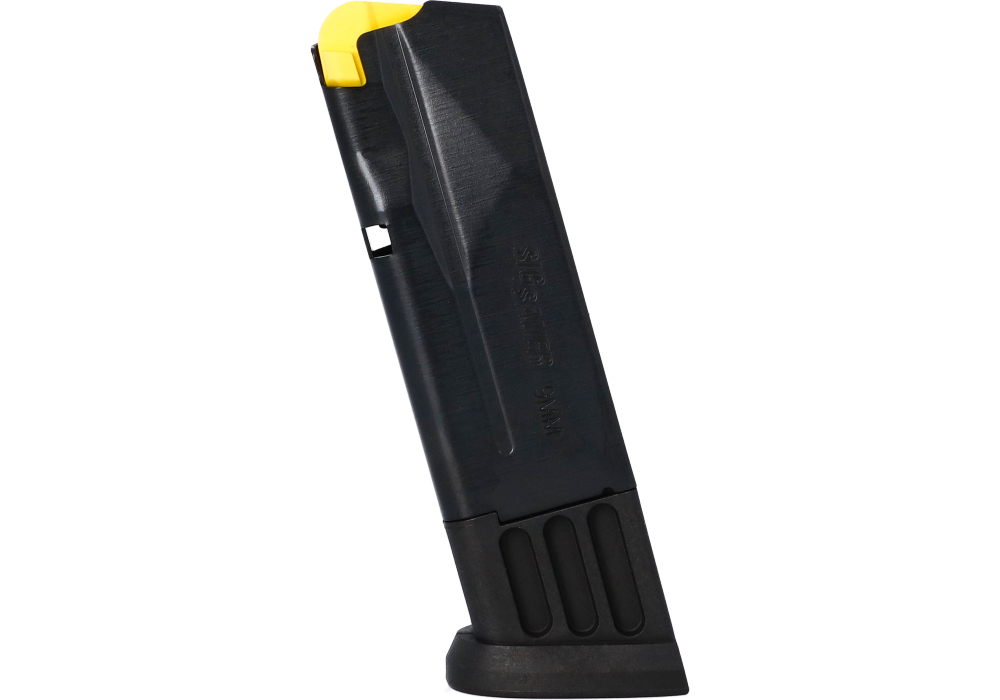
9mm magazines for fall competitions belong in a range kit selected around firearm compatibility, match requirements, and dependable everyday handling. The caliber marking is only the beginning: magazines must match the firearm’s exact model and any generation or frame specifications identified by the manufacturer. Two magazines can hold the same ammunition and look nearly identical while differing in body dimensions, catch placement, feed-lip geometry, or baseplate shape. Those differences matter when checking whether a magazine is suitable for a particular pistol. For competitors, the next consideration is the rulebook. Match divisions may set limits on magazine length, permitted round count, equipment dimensions, and baseplate configurations, so a magazine intended for one division is not automatically appropriate for another. Local event requirements and applicable laws also belong in that decision. Flush-fitting designs offer a compact profile, while some longer configurations provide a different gripping surface or additional room for ammunition where permitted. Neither format is inherently the better choice; the right match depends on the firearm, the event, and the shooter’s established equipment preferences. A weekend club competitor may value a straightforward set of matching magazines that is easy to identify and maintain, while someone traveling to several matches may place greater emphasis on keeping compatible spares organized. Fall events can involve a damp range bench at check-in, dusty shooting bays by afternoon, and equipment packed away before the light fades. In that setting, clear compatibility information and sturdy construction are more useful than broad performance promises. Product descriptions should be evaluated for exact fit, construction details, overall dimensions, and any stated restrictions rather than appearance alone. A familiar-looking baseplate or similar body profile is not a substitute for a confirmed fit. This makes a collection of competition-oriented 9mm magazines most useful when considered as firearm-specific equipment, not as a group of interchangeable accessories.
Materials and construction influence how a magazine holds up to repeated range use, transport, and routine care. Depending on the design, a magazine may have a steel body, a polymer body, or a combination of materials, with a spring, follower, and removable or fixed baseplate forming the rest of the assembly. Steel offers rigidity in a relatively slim profile, while polymer designs can provide corrosion resistance in the body itself; neither material eliminates the need to inspect the complete magazine. Surface treatments and finishes may help protect metal against moisture and wear, but their properties vary, and scratches or worn areas deserve attention during regular checks. The follower and spring work together to support ammunition presentation, while the feed lips help retain and position cartridges. Visible distortion, cracks, unusual follower movement, or persistent feeding problems warrant evaluation according to the manufacturer’s guidance rather than improvised repairs. Baseplates also deserve consideration because they are frequent contact points when magazines meet range surfaces or ride in a packed equipment bag. A textured surface can feel different from a smooth one, and a wider baseplate may affect compatibility with the firearm, storage case, or magazine pouch. Those details are worth checking before committing to a matching set. For fall competition use, care is less about an elaborate ritual than about paying attention to what the equipment has encountered. Windblown grit, damp leaves near a staging table, and moisture inside a range bag can all leave residue where it is easy to overlook. Follow the manufacturer’s cleaning and lubrication recommendations, including any limits on solvents or disassembly. More lubricant is not necessarily better, particularly where residue can collect. Cleaning and inspection should take place with ammunition removed from the work area and the firearm safely secured. Before storage, ensure that cleaned components are dry as directed, and keep magazines protected from prolonged moisture. Consistent care supports service life without relying on unsupported claims about a finish, spring, or body material.
Intended use helps narrow the choice further. A magazine reserved for sanctioned matches may need to meet different equipment requirements from one used for informal target practice, even when both fit the same firearm. Familiarity matters, too: a consistent set can simplify identification, pouch selection, and maintenance records, while mixed configurations require closer attention to which magazine belongs with which setup. Before an event, confirm compatibility with existing gear and establish reliable function through ordinary, lawful range use in accordance with the firearm and magazine manufacturers’ instructions. Competition day is an inconvenient time to discover that a baseplate conflicts with a pouch or that two similar magazines belong to different models. Nonintrusive identifying marks, where appropriate and permitted, can help distinguish personal equipment from a squadmate’s and make it easier to track a magazine that needs inspection. Keep questionable equipment separate until it has been evaluated; a spare is useful only when its condition and compatibility are known. Storage and transport deserve the same practical attention. Compartments or suitable protective cases can keep magazines from rubbing against loose tools, while a separate space for equipment awaiting cleaning helps prevent grit from spreading through the bag. These considerations suit both newer participants building a manageable match kit and experienced competitors replacing worn accessories. Magazines can also be a thoughtful gift for a competitive shooter, but exact firearm details and event requirements should be confirmed first; caliber alone does not provide enough information for a suitable selection. For shoppers whose range activities overlap with other lawful outdoor pursuits, 9mm Magazines For Fall Hunting Season offers a related category to consider separately, with attention to local hunting regulations and firearm suitability rather than assumptions carried over from competition rules. Across these uses, the strongest purchasing criteria remain specific and verifiable: correct fit, permitted dimensions and round count, appropriate materials, documented care requirements, and a condition suitable for continued use. Those fundamentals keep the focus on equipment that belongs with the firearm and the occasion, whether the calendar includes an autumn club match or practice for a later event.