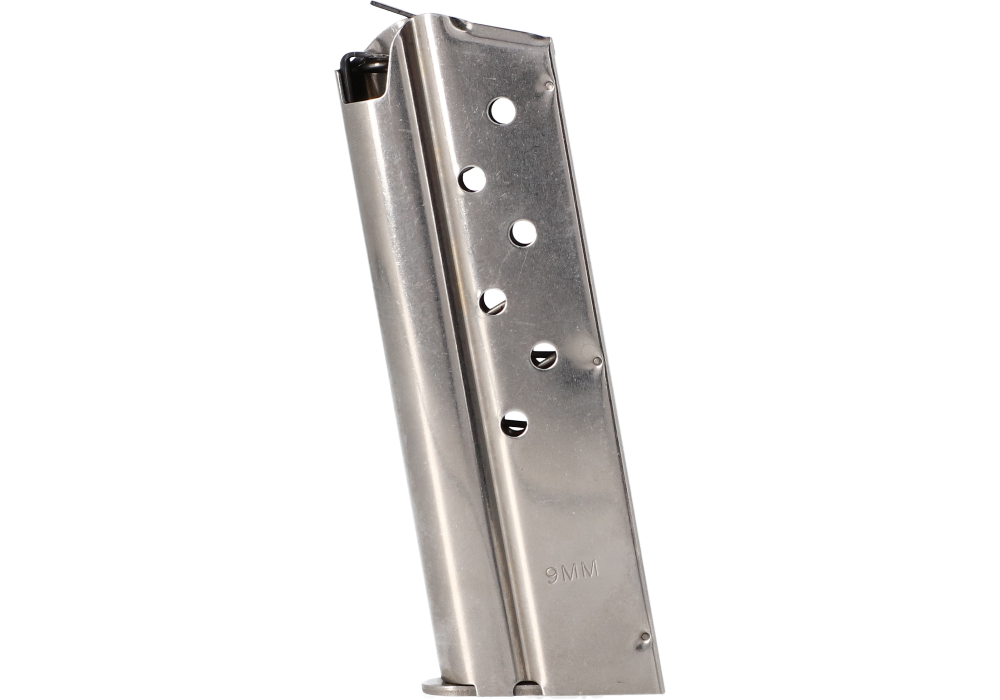
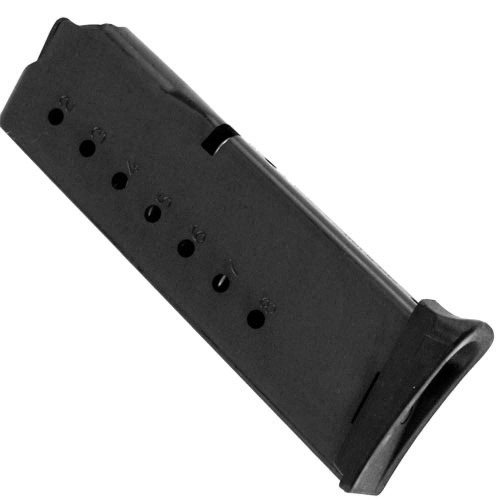
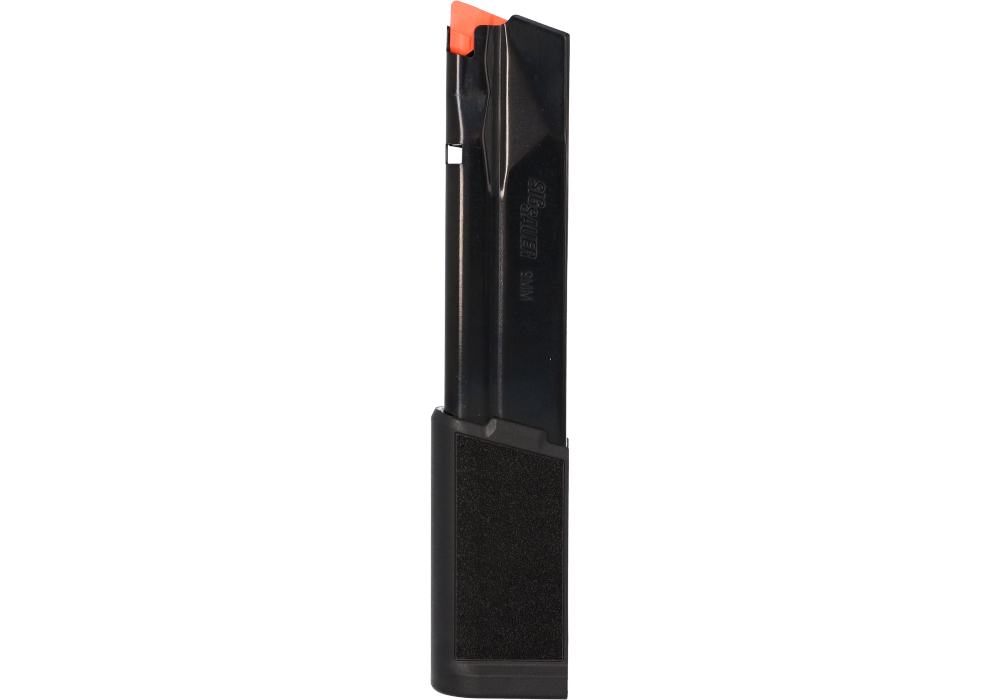
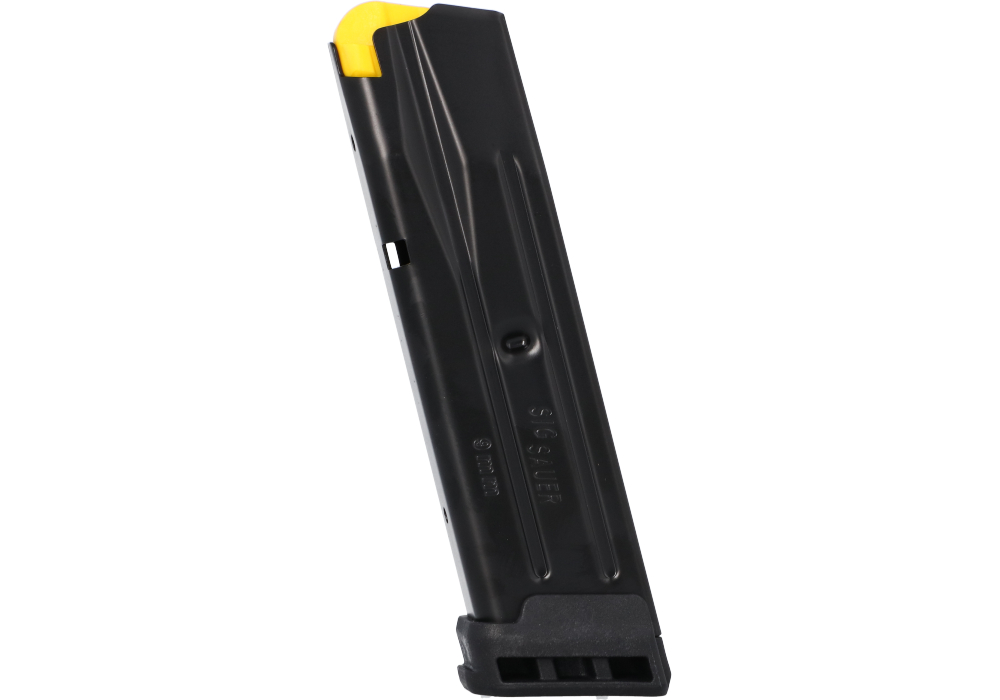
For seasonal gun owners, a dependable 9mm magazine can make the transition from occasional storage to regular range use smoother and more organized. Whether your pistol comes out for practice during the cooler months, accompanies you to a training class, or is kept as part of a carefully maintained home-defense setup, the right magazine should match the exact make and model of the firearm. Magazine dimensions, catch locations, feed-lip geometry, and baseplate design vary between manufacturers and even between models in the same product family. A magazine intended for one compact 9mm pistol may not lock into a full-size pistol, and one that appears similar may not feed reliably or seat correctly. Before ordering, confirm the model designation, generation where applicable, and the manufacturer’s recommended magazine type. It is also useful to compare the magazine’s overall length with your intended use. A flush-fit magazine keeps the grip streamlined and is often preferred for concealed carry or compact storage, while an extended magazine may offer additional rounds and a larger gripping surface for range practice. Local and state regulations should always guide the selection process, since detachable magazine limits can vary by jurisdiction and may apply differently to ownership, purchase, transport, or use. Standard-capacity and restricted-capacity options are available in many configurations, making it important to verify current rules before placing an order. A quick inspection of the magazine body, feed lips, follower, spring, and baseplate is also a worthwhile habit, especially when equipment has spent several seasons in a safe, range bag, or vehicle case.
Magazine selection often comes down to balancing reliability, handling, storage, and the kind of shooting planned for the season. Someone who visits the range a few times each year may appreciate keeping several clearly marked magazines on hand so practice sessions do not become a cycle of loading and unloading the same one. A new shooter may benefit from a flush-fit option that is easier to control, while an experienced owner preparing for structured drills may prefer extended-capacity magazines that reduce interruptions between exercises, where permitted by law. For concealed-carry users, a spare magazine should be comfortable to carry, secure in its carrier, and protected from lint, moisture, and impact. For home storage, magazines should be kept in a cool, dry location away from corrosive materials, with ammunition handled according to the firearm and ammunition manufacturer’s instructions. A 9mm magazine can also be a practical gift for a responsible firearm owner, particularly when the giver confirms the recipient’s exact pistol model and local requirements first. Magazine compatibility is not a safe area for guesswork, so a model number copied from the firearm manual or confirmed through the manufacturer’s specifications is more useful than relying on a photograph. During fall range trips and winter training days, small details become more noticeable: a baseplate that is easy to remove for cleaning, witness holes that make round counts clear, and a follower that moves smoothly without catching can save time when cold fingers and heavier clothing make equipment handling less convenient. Those details do not replace safe handling or proper training, but they can make routine preparation more consistent.
Seasonal storage deserves the same attention as seasonal use. Leaving a quality magazine loaded for a period of time does not automatically damage its spring, but long-term care still calls for periodic inspection rather than complete neglect. Check for cracks, dents, bulges, excessive wear, rust, damaged feed lips, or a baseplate that has begun to separate from the body. Polymer components should be protected from prolonged heat, harsh solvents, and direct sunlight, while metal components should be kept clean and dry to help prevent corrosion. If a magazine has been exposed to rain, snow, condensation, or muddy range conditions, unload it safely and allow it to dry fully before storage. Use only cleaning methods and lubricants recommended for the magazine, since excess oil can attract grit and migrate onto ammunition. Rotating magazines during practice can help identify problems before a high-stakes situation, and marking them with a simple number can make it easier to track which one needs attention. Any magazine that repeatedly causes failures to feed, fails to lock the slide open when expected, or does not seat securely should be removed from service until inspected by a qualified professional or replaced. Owners preparing for seasonal outings may also want a dedicated pouch, protective case, and written inventory so magazines and ammunition remain separated, organized, and easy to account for. For those planning a holiday-season range visit or giving shooting equipment as a gift, related options can be found among 9mm Magazines For Holiday Shooting. Thoughtful preparation keeps the focus on safe, lawful, enjoyable practice, whether a magazine is being selected for occasional use, concealed carry, training, or responsible long-term storage.