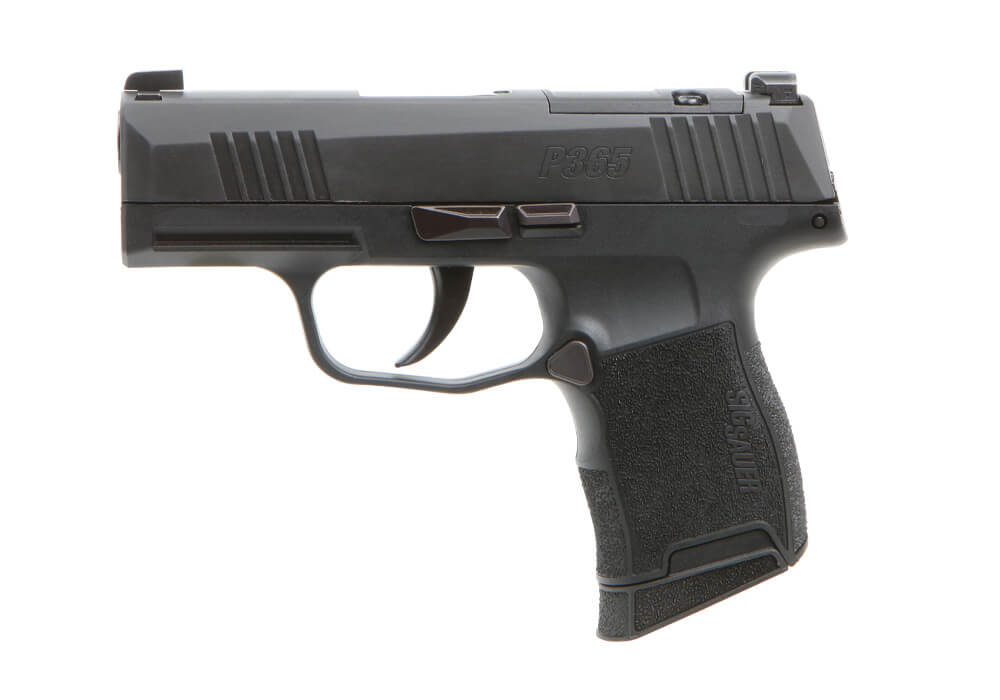
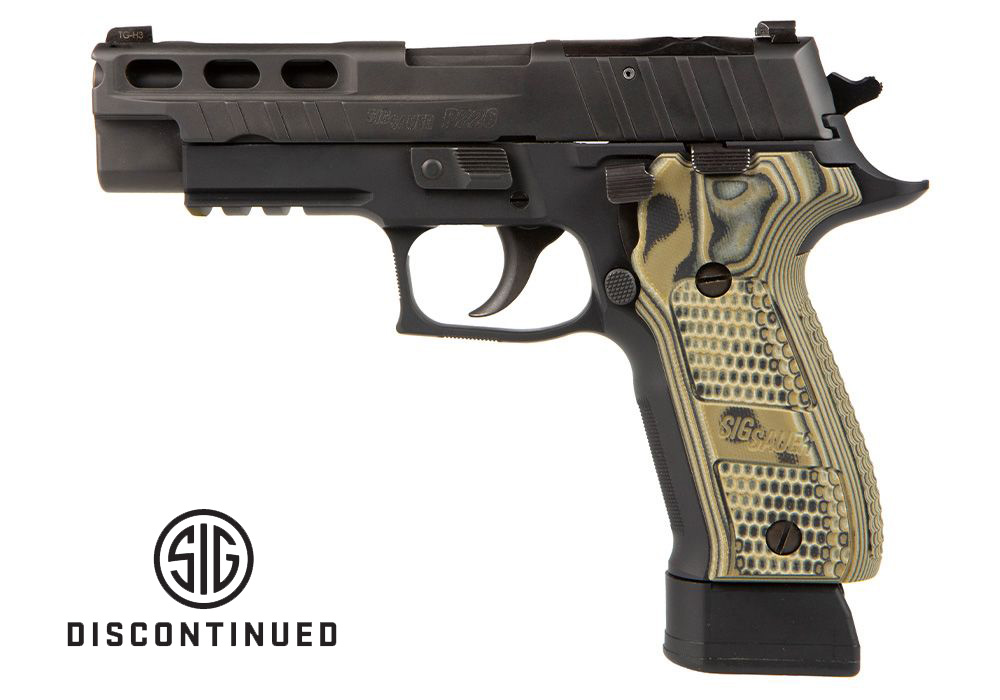
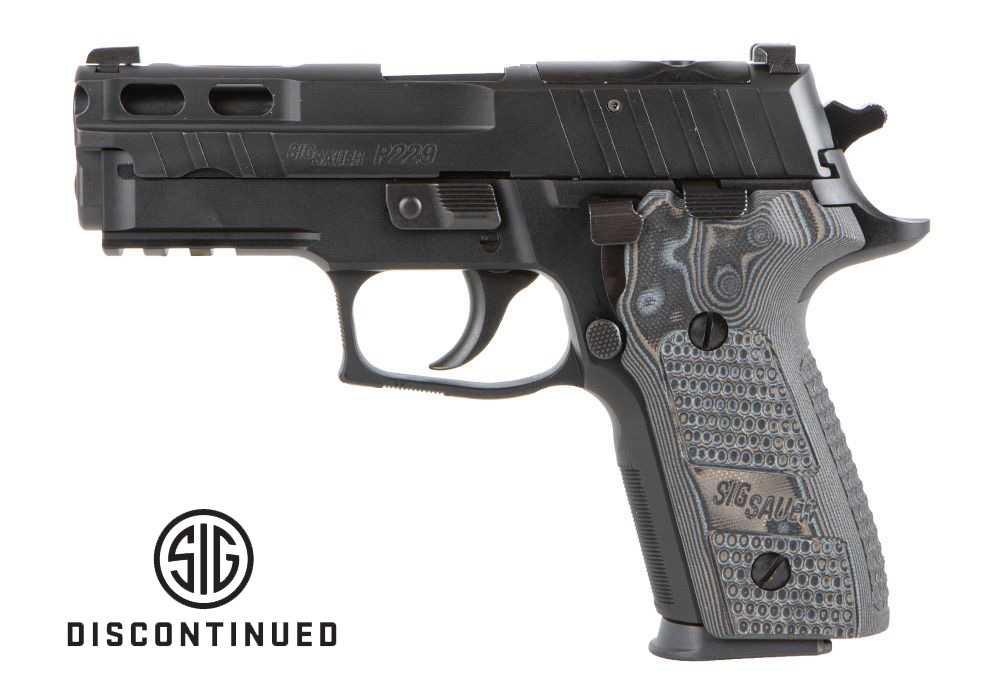
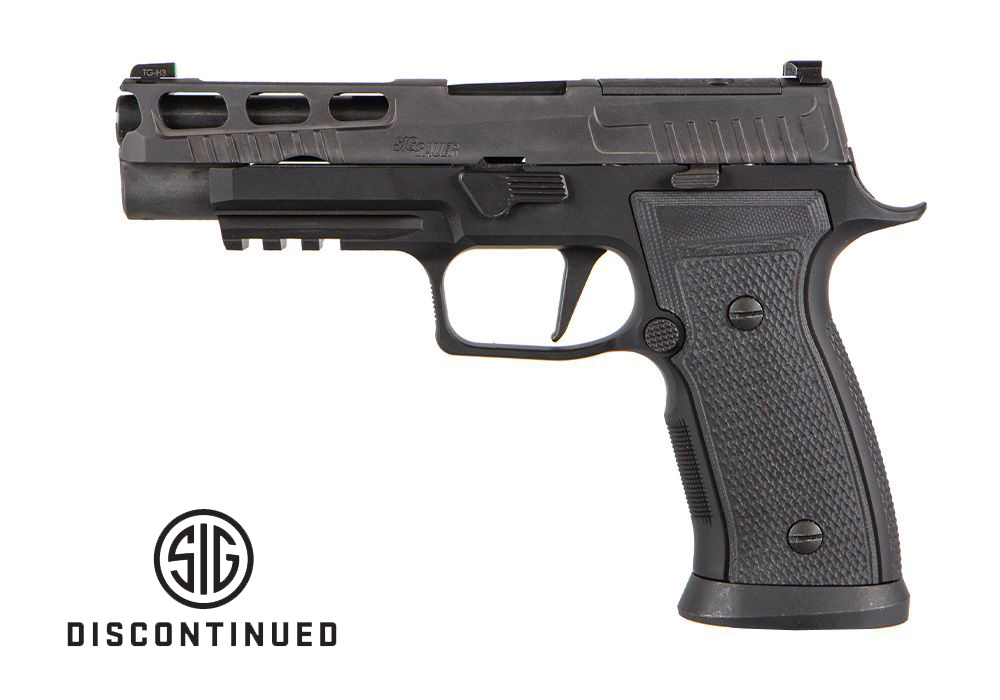
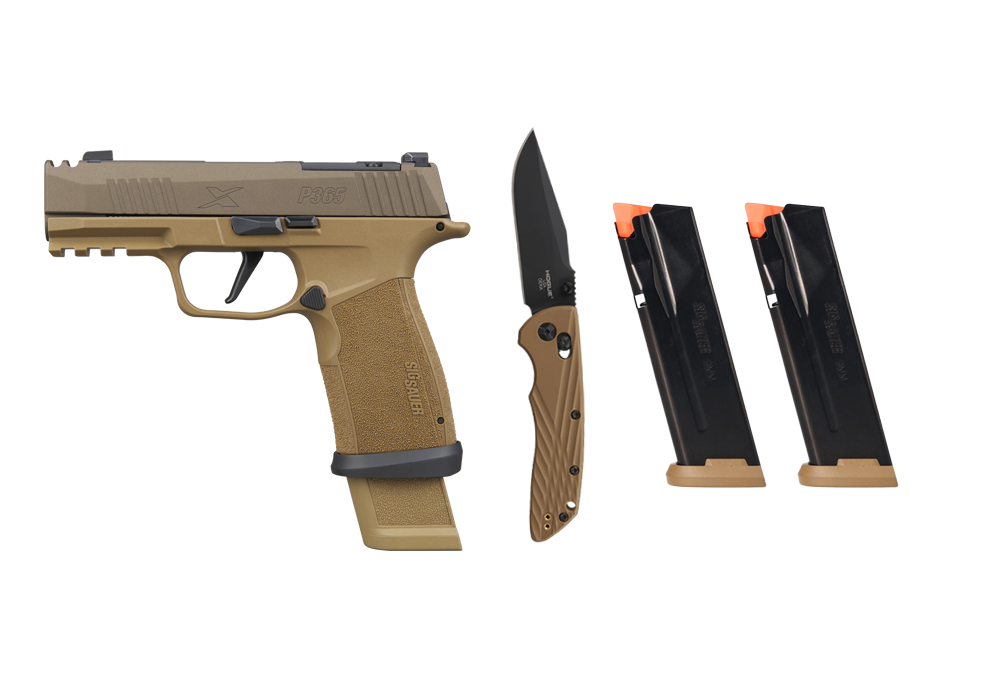
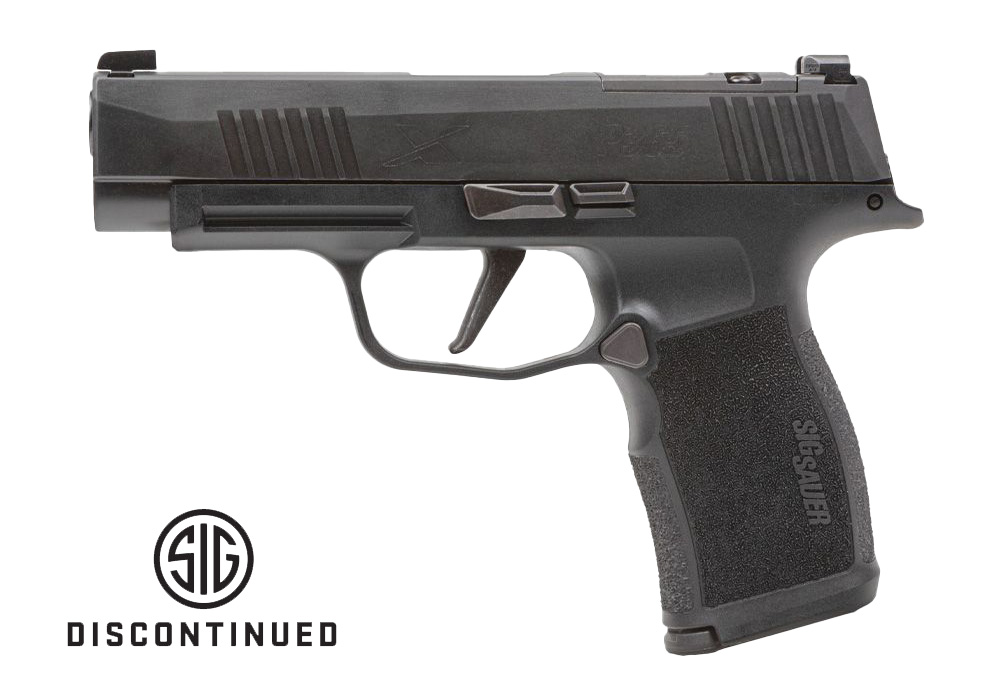
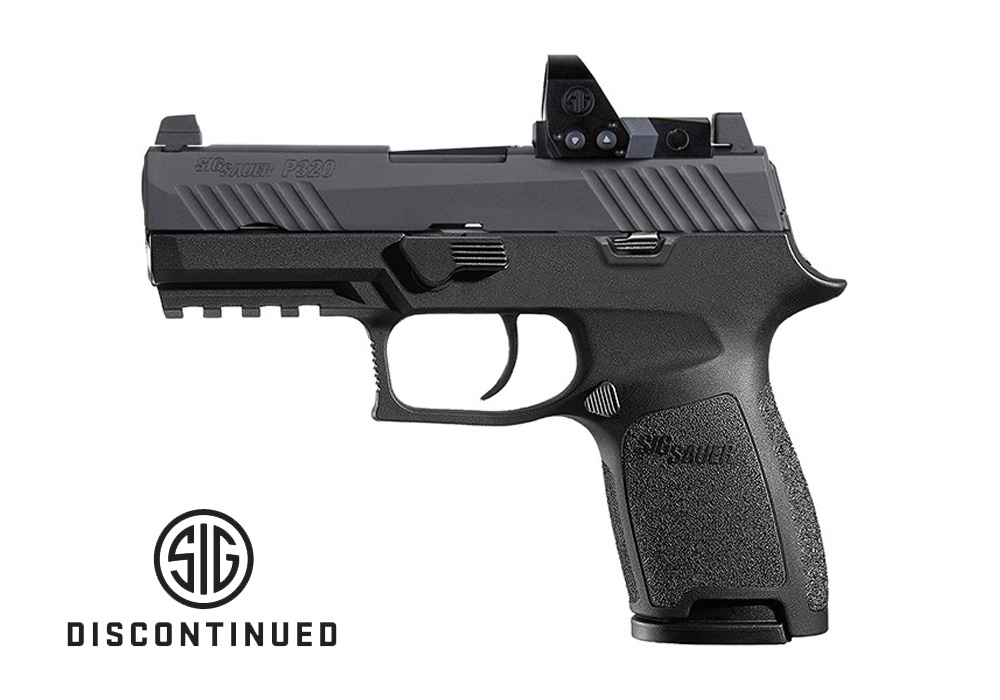
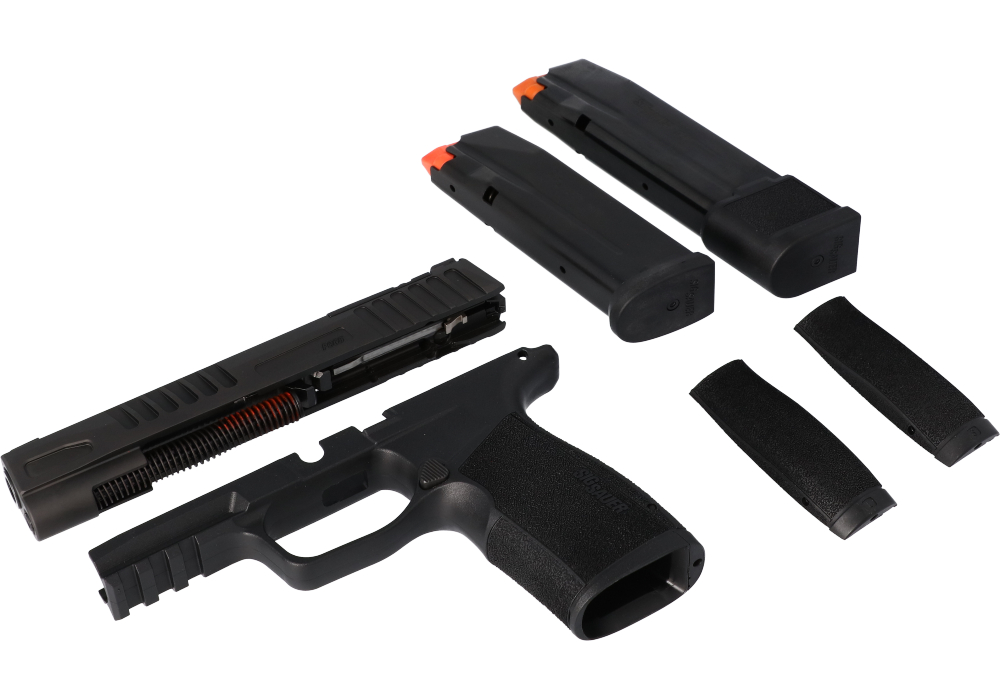
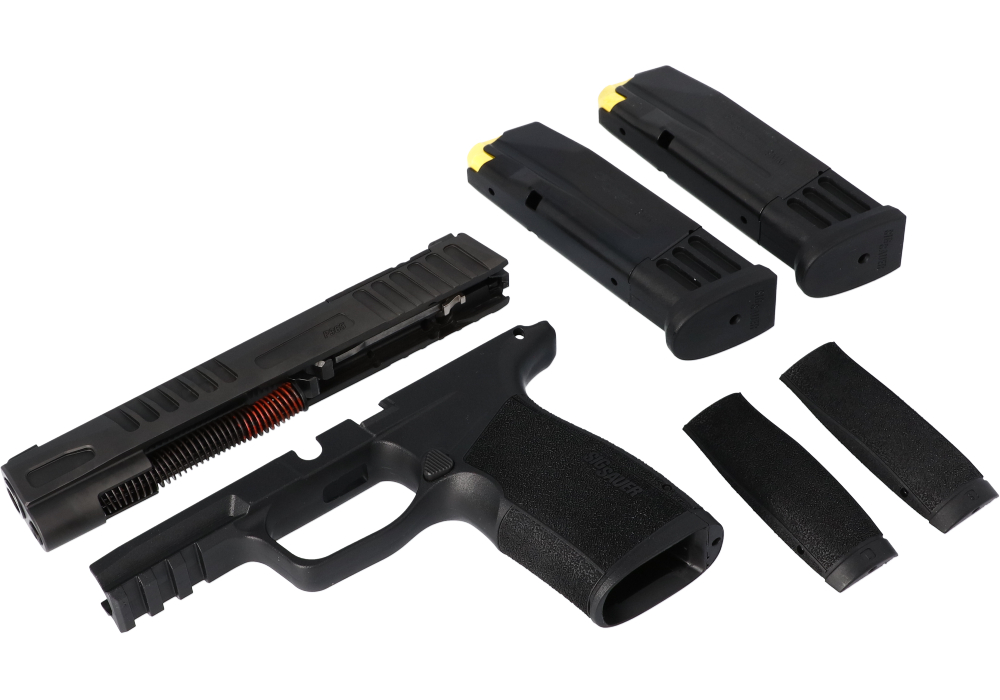
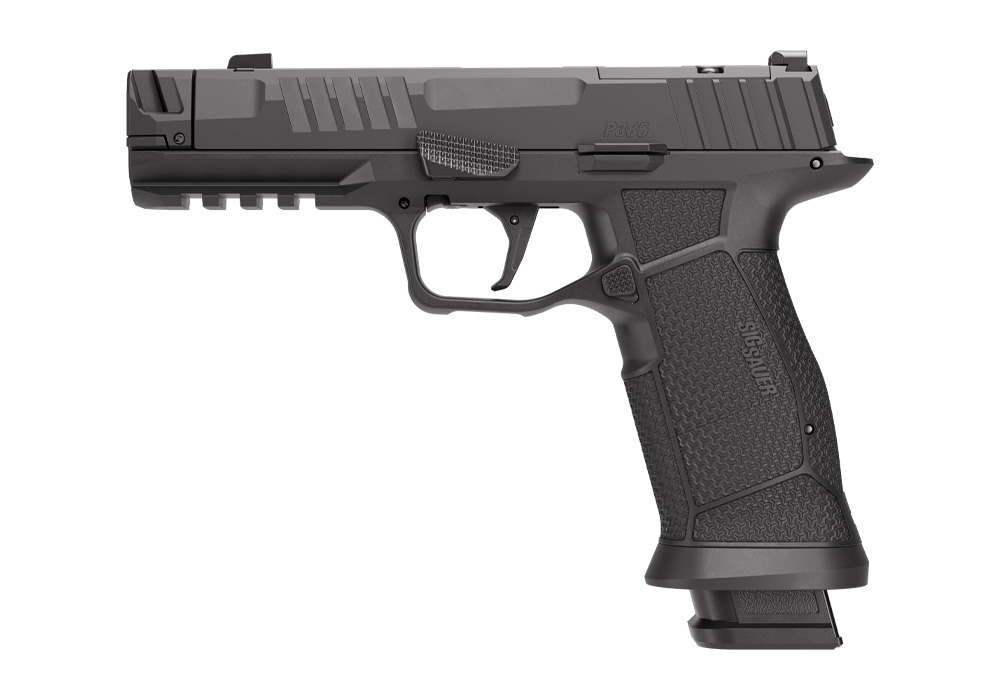
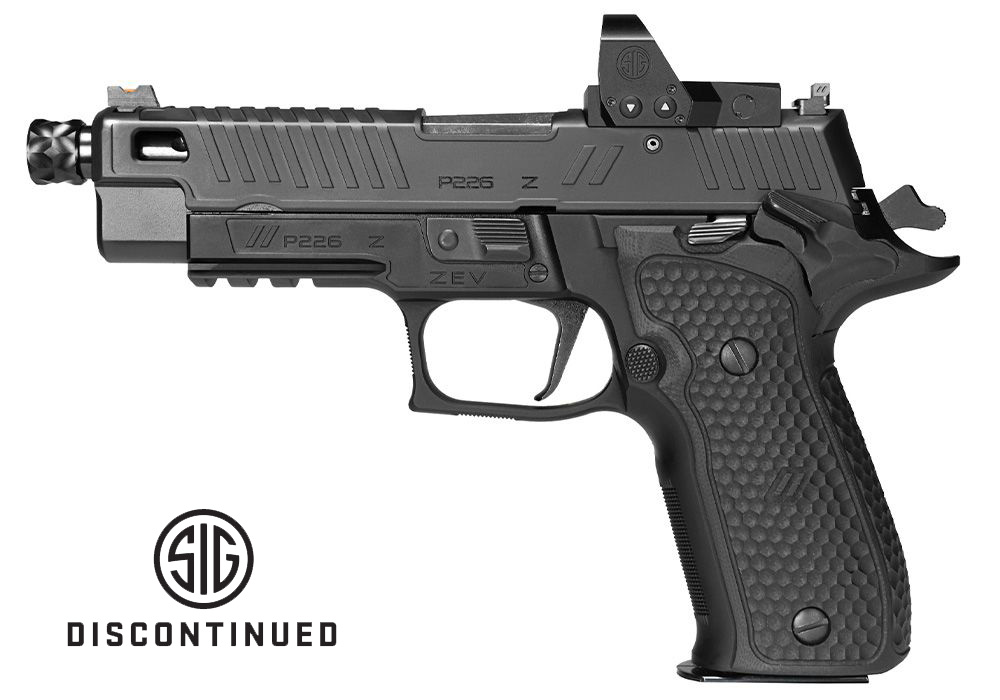
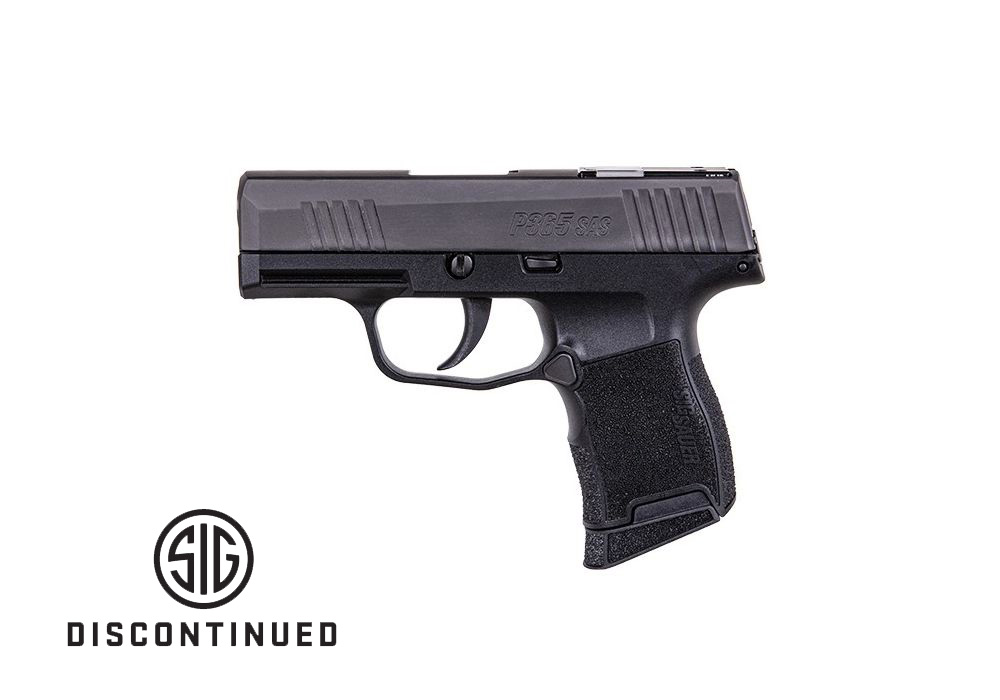
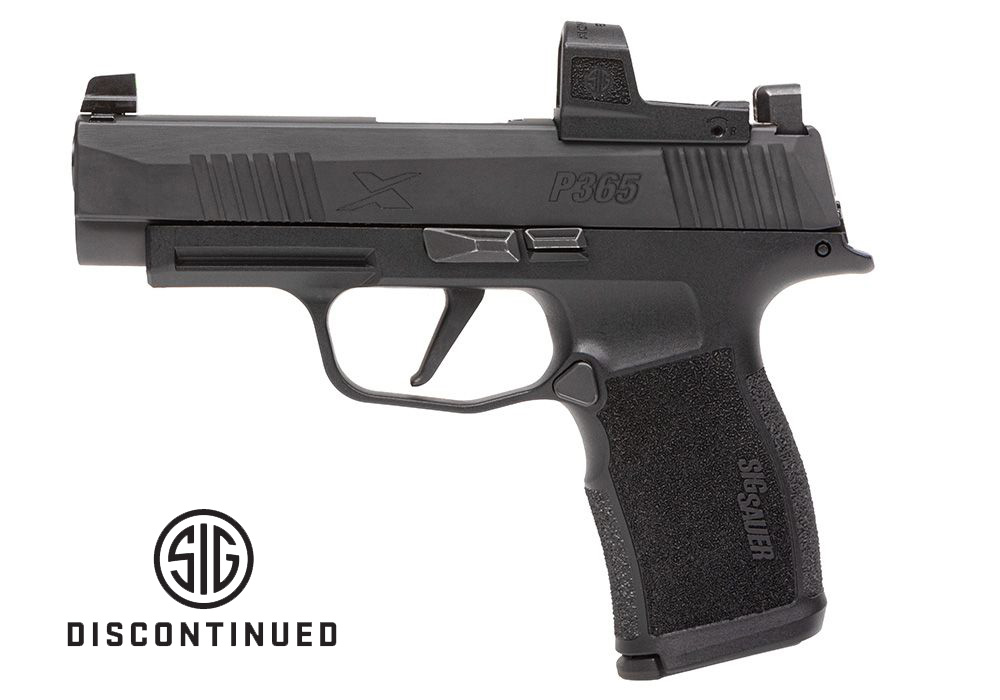
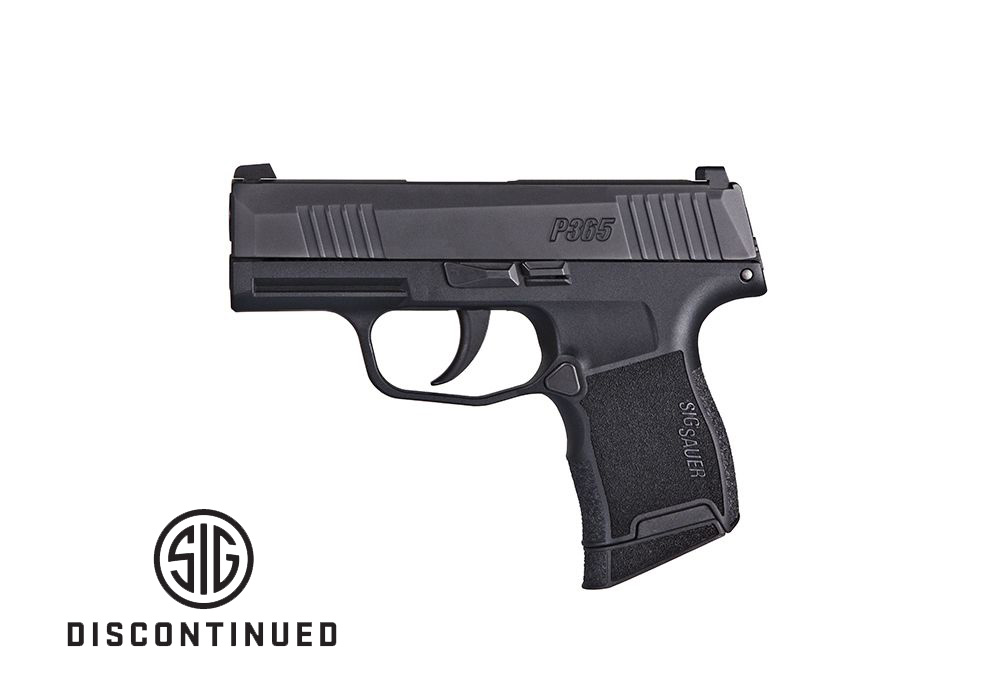
9mm pistols with slide cuts combine the familiar handling of a 9mm platform with a slide profile designed for a specific purpose, whether that purpose is mounting a compact red dot, reducing reciprocating weight, improving manipulation, or adding a distinctive visual treatment. A slide cut is not a single feature, and understanding the difference helps narrow a product list quickly. Optic cuts are machined to accept a compatible reflex sight, often through a direct-mount pattern or an adapter plate system. Window, carry, or top cuts remove selected material from the slide without necessarily providing an optic mounting interface. Some designs include both features, while others use serrations, ports, or openings primarily to improve purchase during press checks and slide operation. A lighter slide can influence the feel of recoil and cycling, sometimes producing a flatter, quicker-moving shooting experience, but the effect depends on the complete setup, including ammunition, recoil spring, barrel, optic, and shooter technique. For that reason, a factory-complete pistol with an engineered slide assembly can be an appealing choice for buyers who want a ready-to-configure platform rather than a separate aftermarket slide that requires careful part matching. When comparing 9mm pistols with slide cuts, look closely at whether the cut is compatible with the optic you intend to use, whether mounting plates are included, and whether the sight sits low enough to work with the pistol’s iron sights. A product described as optic-ready may still require a separately purchased optic, screws, plate, or professional installation, so the specifications deserve as much attention as the appearance.
The intended role should guide the rest of the comparison. For concealed carry, a compact or slim profile may be easier to carry throughout the day, while a slightly larger frame can offer a more comfortable grip, longer sight radius, and steadier presentation. A cut slide may reduce some weight, but the mounted optic can add it back, making overall balance an important consideration. For range practice, competition, or recreational shooting, buyers may appreciate an open sight picture, positive front serrations, and a grip that remains secure through extended sessions. Those who train during the cooler months may also value controls that are easy to operate while wearing gloves, though glove fit and trigger access should always be evaluated carefully. Standard or extended capacity magazines can provide flexibility depending on the model, local law, and intended use, but magazine compatibility, availability, and compliant configuration should be confirmed before purchase. A 9mm pistol with a window cut or ported slide can have a striking appearance, yet styling should never take priority over dependable function, serviceability, and safe handling. Pay attention to the frame texture, reach to the trigger, ambidextrous or reversible controls, magazine release location, and the way the slide serrations feel under both bare and gloved hands. It is also wise to verify the manufacturer’s guidance on ammunition, lubrication, optic installation, and break-in procedures. After mounting an optic, confirm that the fasteners are torqued according to the manufacturer’s specifications, apply the recommended thread treatment if appropriate, and recheck the zero after the first range session. Anyone new to a red dot should expect a short learning period; presenting the pistol consistently and finding the dot is a practiced skill, not an automatic benefit of the equipment.
These pistols may appeal to an experienced owner refining a carry setup, a recreational shooter building a practical range configuration, or a lawful adult receiving a firearm as a gift from someone who understands their preferences. A gift is most useful when it matches the recipient’s hand size, training level, optic plans, and local requirements, and firearm transfers should always follow applicable federal, state, and local laws, including any required dealer involvement or background-check process. For a first-time owner, professional instruction and a secure storage plan are essential parts of the purchase, not afterthoughts. A lockbox or full-size safe, separate storage for ammunition where appropriate, and a clear household safety routine help keep the pistol inaccessible to unauthorized users. New owners should learn the four fundamental rules of firearm safety, practice loading and unloading with guidance, and spend time with an instructor before relying on an optic-equipped pistol for defensive use. Buyers who prefer a traditional sight picture or want a longer profile for a particular holster and range routine may also want to compare this category with 9mm Pistols With Full Length Slides. Across the selection, the most useful comparison is the relationship between the cut slide, optic compatibility, grip dimensions, controls, magazine configuration, and the role the pistol will serve. During changing weather and busy travel or training seasons, a reliable setup is one that can be handled safely and consistently in ordinary clothing, stored securely at home, and maintained without unnecessary complexity. A thoughtful choice balances visual design with proven function, ensuring that the slide cuts contribute to a practical shooting system rather than simply adding decoration.