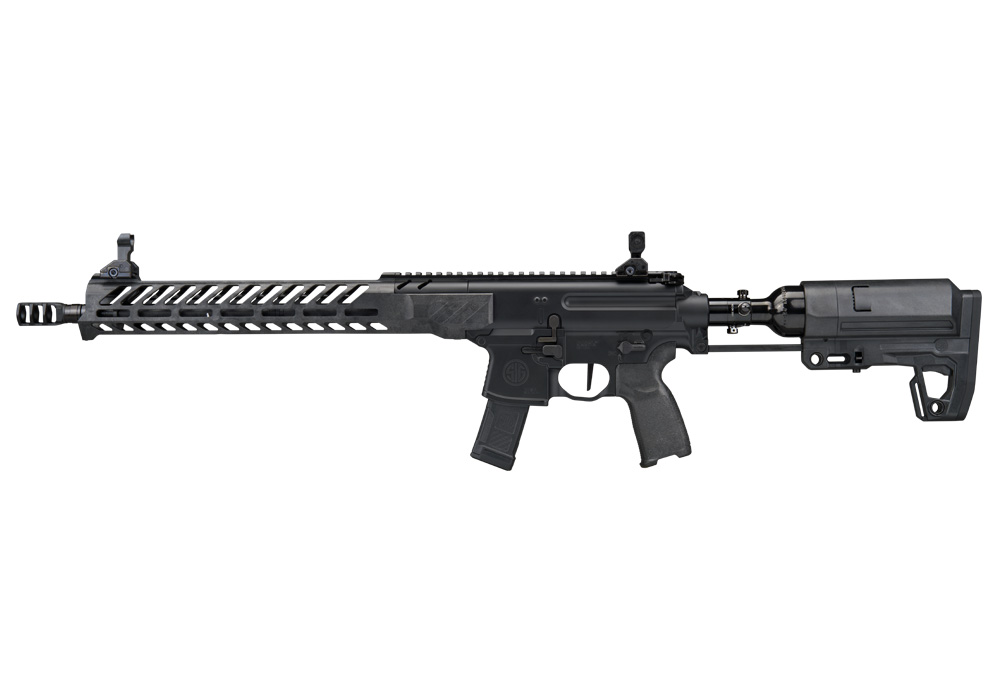
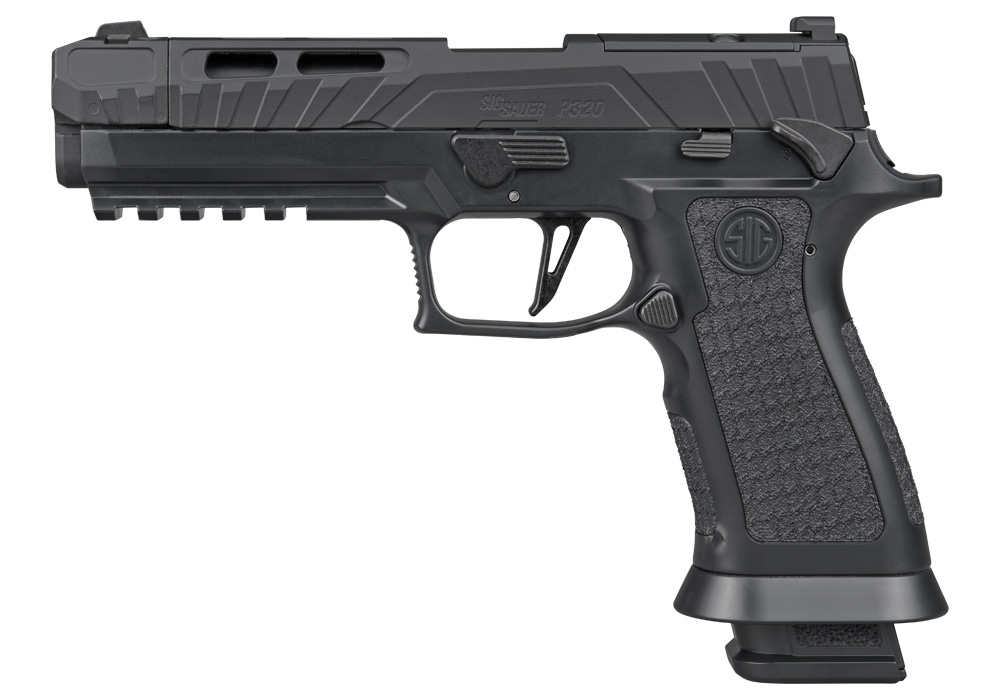
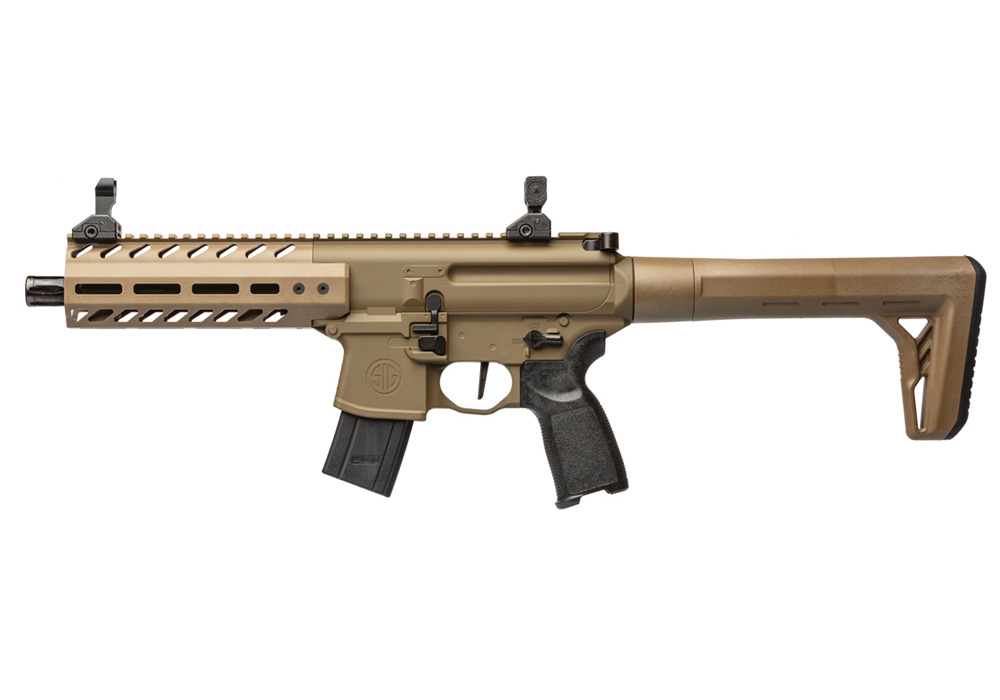
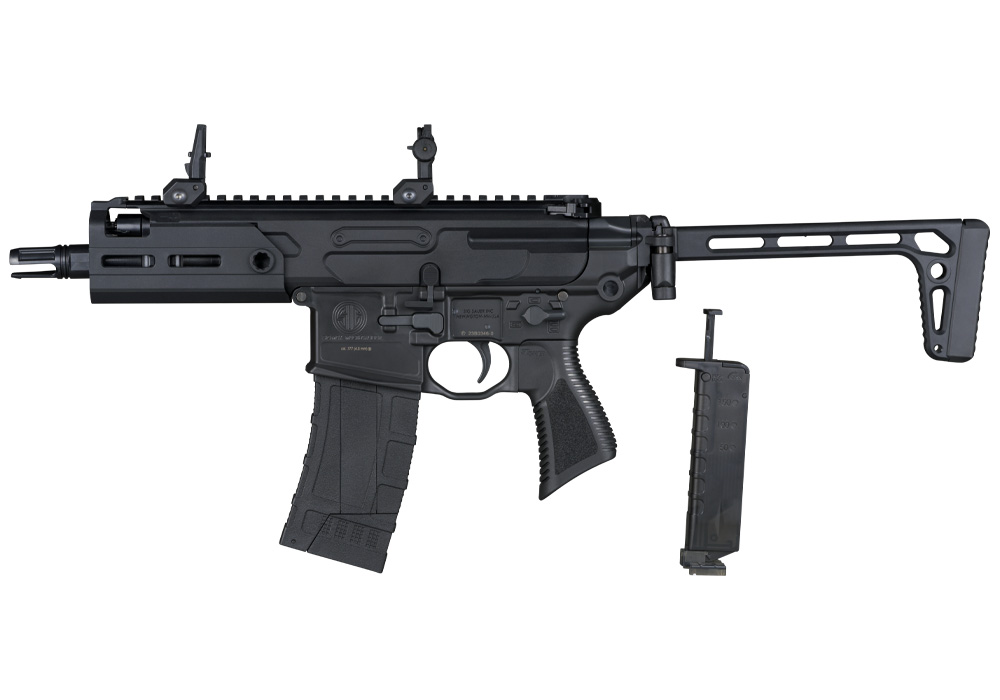
Advanced airgun equipment is designed for shooters who want more control, consistency, and flexibility from a modern air-powered platform. At the center of many advanced setups is a pre-charged pneumatic, or PCP, airgun that stores compressed air in an onboard reservoir and delivers a measured burst behind each projectile. PCP systems are valued for their low operating effort, repeatable shot behavior, and compatibility with precision shooting, pest control, small-game hunting where lawful, and recreational practice. When choosing equipment, begin with the intended use, projectile type, caliber, expected shooting distance, and the amount of adjustment you want available at the range. A compact setup may suit informal target work and easy transport, while a more specialized platform with a regulated air system, adjustable power, match-grade barrel, and tunable controls can better serve benchrest shooting or long-range slug work. Big-bore airguns are built around larger projectiles and substantially greater energy than traditional pellet rifles, making them a serious option for hunters who understand local regulations, safe backstops, and ethical shot placement. Their performance also places greater demands on the rest of the setup: the optic must withstand the platform’s operating characteristics, the mounts must hold a reliable zero, and the filling system must be matched to the reservoir pressure. Shooters new to this category often find that the most satisfying results come from building a balanced system rather than selecting the most powerful component available. A well-matched combination of airgun, optic, ammunition, fill equipment, and support gear can make each session feel more deliberate, from the first paper target on a calm afternoon to a carefully measured shot during the cooler months.
Filling and maintaining a PCP system is an important part of advanced airgun ownership. High-pressure compressors provide a convenient way to refill compatible reservoirs and storage bottles at home or at a dedicated shooting area, while carbon fiber tanks offer portable air for range days, field use, or extended sessions away from an electrical outlet. Check the operating pressure of every component before filling, and use only equipment rated for the pressure specified by the manufacturer. A proper fill hose, secure fittings, pressure gauge, and a clean, dry air supply all contribute to safer and more consistent operation. Moisture management deserves particular attention because condensation introduced into a high-pressure system can affect seals, valves, and internal surfaces over time. Moisture filters, dry packs, and compressor filtration accessories help reduce that risk, especially in humid conditions or when a compressor is used frequently. Keep fill equipment protected from grit, inspect hoses and connectors for wear, and allow heated compressor components to cool according to their instructions. Electronic chronographs are equally useful for understanding how an airgun is performing. By recording projectile velocity, a chronograph helps confirm consistency across a string of shots, identify changes caused by pressure or temperature, and estimate muzzle energy when paired with the projectile’s weight. A Doppler-style or infrared unit can turn informal testing into a more useful record, allowing shooters to compare ammunition, regulator settings, and power adjustments with measurable results. For anyone refining a setup, those numbers provide a clearer picture than feel alone. A notebook or digital log covering fill pressure, velocity, projectile choice, and environmental conditions can reveal patterns that are easy to miss during a single range visit.
Precision optics and mounting hardware complete the advanced airgun setup. A scope should provide the magnification, reticle design, light transmission, and adjustment range appropriate for the distances and targets involved, while thermal or night-vision optics may be useful for lawful observation or pest-management applications where permitted. Choose a mount that matches the rifle’s rail system, whether Picatinny, dovetail, or another compatible standard, and consider a riser when the optic’s objective bell, digital housing, or night-vision attachment requires additional clearance. A solid mount helps prevent movement and preserves a dependable zero, but proper installation still matters: tighten fasteners evenly, use the manufacturer’s recommended torque, and confirm alignment before zeroing. Sound moderators made for compatible airguns can reduce the report and make practice more comfortable, although they do not eliminate the need for eye protection, a safe direction, and awareness of nearby people, property, and wildlife. Advanced equipment can be an excellent gift for an experienced airgunner, particularly when the recipient already has a preferred caliber or platform and would appreciate a chronograph, upgraded mounting solution, fill accessory, or protective storage option. For a newer shooter, a quality optic, stable rest, or maintenance accessory may be more practical than a highly specialized component. Browse Modern Airguns alongside compatible optics, air-management equipment, mounts, and accessories to assemble a setup that fits the shooter’s habits and responsibilities. Whether the goal is quiet backyard practice where allowed, disciplined bench work, field carry, or long-range experimentation, advanced airgun equipment should support safe handling, repeatable performance, and a clear understanding of the system from reservoir to target.