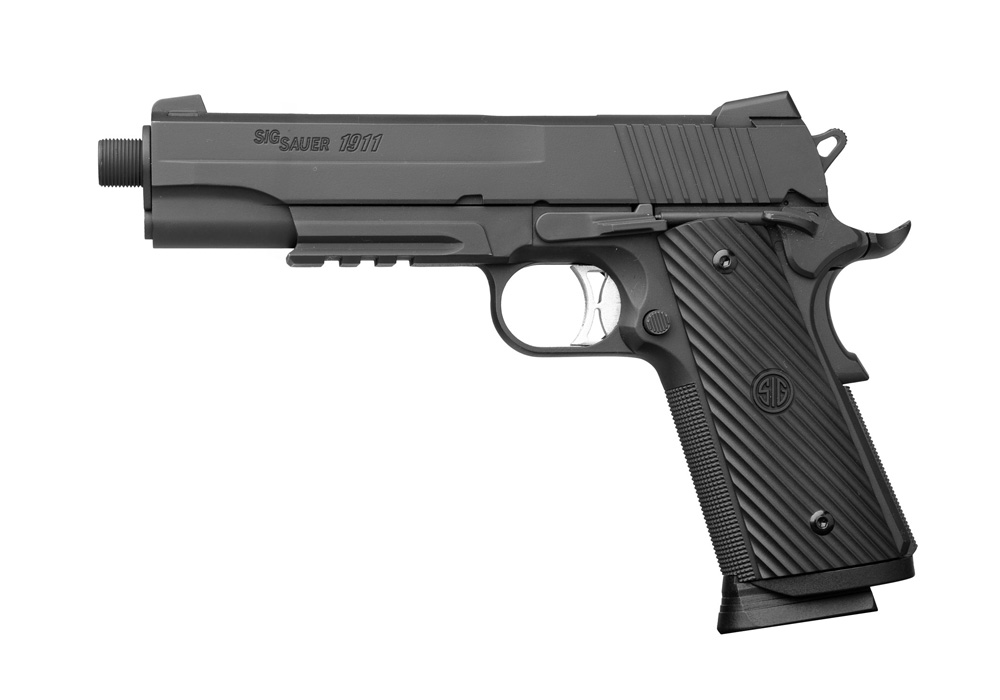
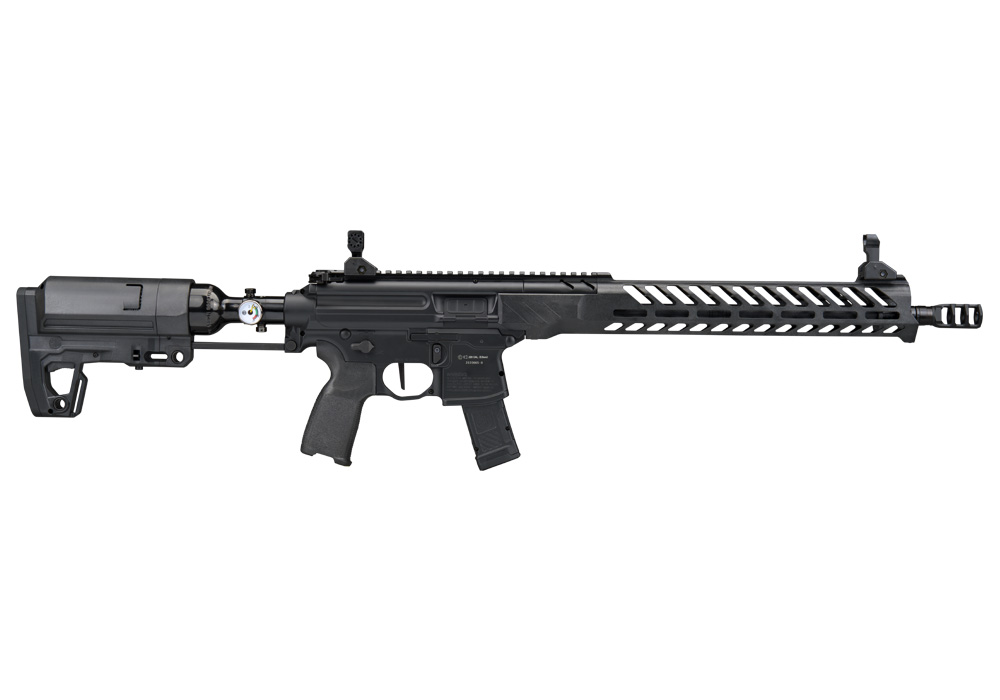
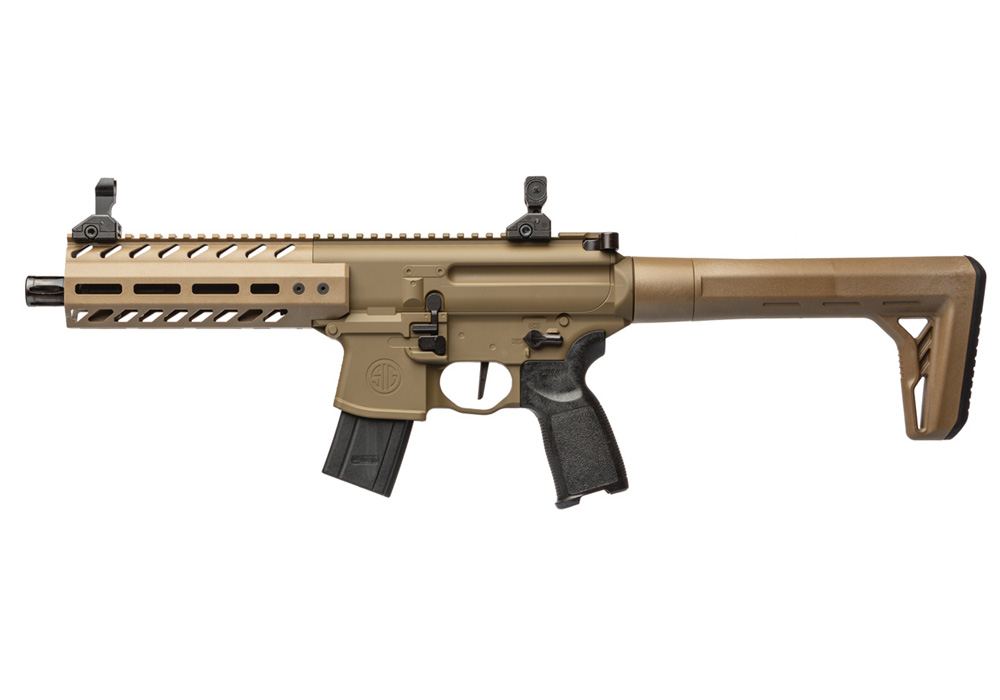
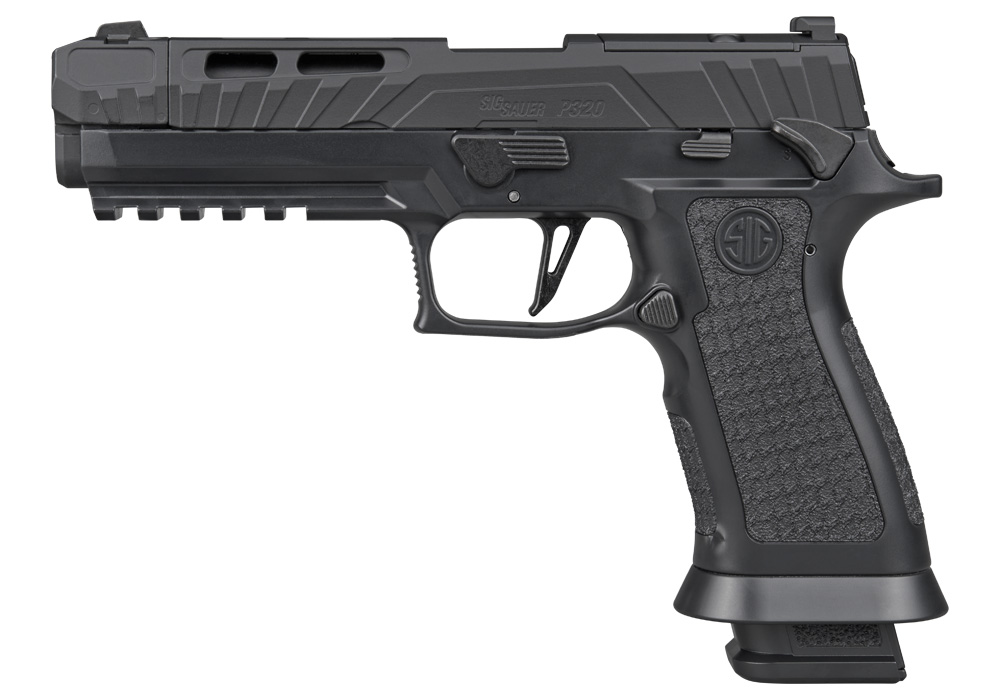
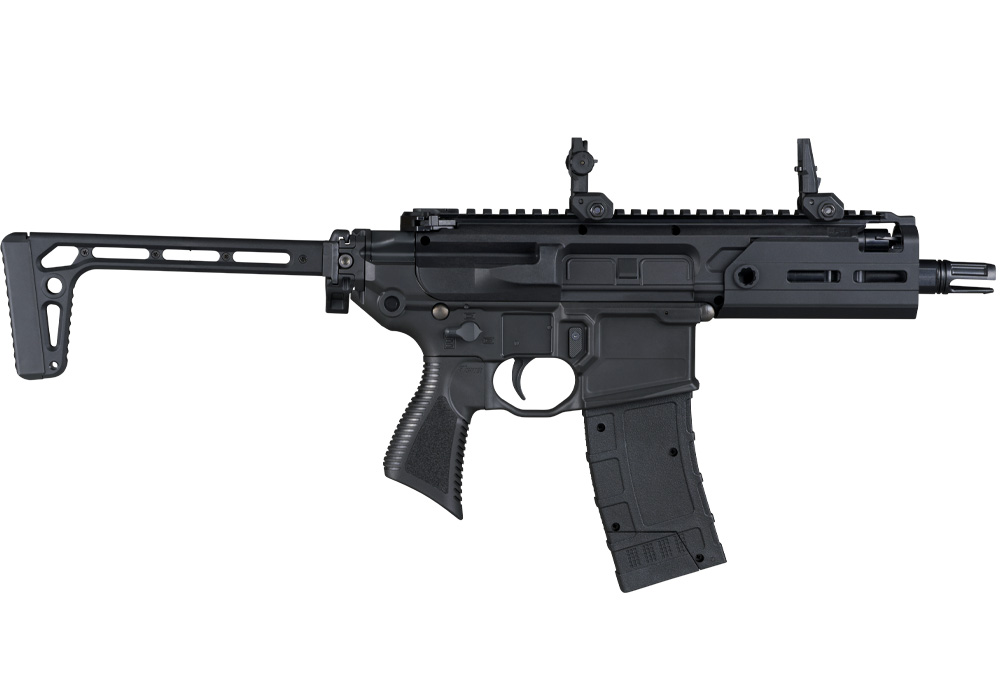
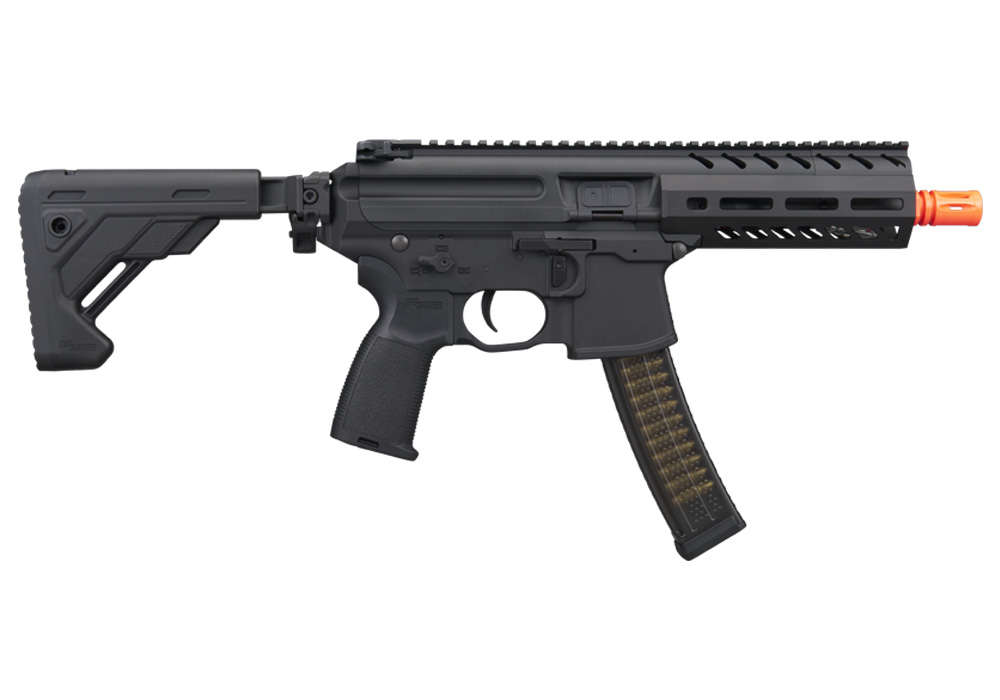
Airgun sport gear brings together the equipment that makes recreational shooting, target practice, backyard training, and organized competition more enjoyable and consistent. The right setup can be as simple as an air pistol, paper targets, and protective eyewear, or it can include an air rifle, an optic, a stable shooting rest, a chronograph, and a carefully arranged target system. Airguns may use CO2, pre-charged pneumatic air, or a break-barrel powerplant, and each system has its own considerations for handling, storage, maintenance, and routine use. Caliber is another important detail: .177 is widely associated with target shooting and competition, while .22 and larger calibers may be selected for different recreational applications where permitted by local law. Ammunition should always match the airgun and its intended use, with pellets and BBs available in a range of shapes, weights, and materials. For a new shooter, selecting compatible ammunition and dependable targets can make the learning process much smoother, helping them see where shots land and build confidence through repeatable practice. Experienced shooters may focus more closely on consistency, sight picture, trigger control, and equipment that supports tighter groups over longer sessions. Families, club members, and first-time hobbyists can all benefit from choosing gear that suits the shooter’s age, experience, available space, and preferred style of practice. Anyone giving airgun sport gear as a gift can create a thoughtful, hands-on experience by pairing the main equipment with useful essentials such as targets, pellet storage, safety glasses, or a compact maintenance kit. Before purchasing or using any airgun equipment, review applicable laws and range rules, follow the manufacturer’s instructions, and establish a safe shooting area with a suitable backstop.
A well-rounded collection of airgun sport gear can support accuracy from the first shot through advanced practice. Sighting equipment may include aperture sights, red dot sights, laser sights, or rifle scopes, depending on the airgun, distance, lighting, and type of target. A properly selected optic should be mounted securely and adjusted for the projectile and range being used; even a modest change in pellet weight or velocity can affect point of impact. Stabilization equipment, including shooting bags, bipods, monopods, and field tripods, can help reduce movement when practicing from a bench, prone position, or supported field position. Targets are equally important. Paper targets make it easy to track group size and sight adjustments, while resettable targets can add variety and provide immediate feedback during informal practice. A dependable target trap or pellet catcher helps contain projectiles and simplify cleanup, but it must be placed in a safe direction and inspected regularly for wear or damage. Shooters working with CO2 systems may need compatible cartridges and storage practices that help preserve seals, while PCP users may require a hand pump, compressed-air tank, or portable compressor suited to the equipment’s specifications. Air supply should be handled carefully, with attention to pressure ratings, fittings, and safe filling procedures. A chronograph can measure projectile velocity and help identify changes caused by ammunition, temperature, pressure, or mechanical condition. These details are especially useful for competitors and serious hobbyists who want to document performance rather than rely only on impressions. For additional ways to organize a setup, explore Airgun Accessories, including practical equipment that can make transport, storage, aiming, and routine range sessions more convenient.
Safety and upkeep are central to enjoyable airgun shooting in every season. Rated eye protection should be worn by the shooter and anyone nearby, since pellets, BBs, and fragments can ricochet or return from an unsuitable target surface. Hearing protection may also be appropriate, particularly when several shooters are practicing together or when an airgun is used in an enclosed or semi-enclosed space. A safe range layout should include a clear firing direction, a reliable backstop, controlled access, and a firing line that remains free of unnecessary distractions. Keep the airgun pointed in a safe direction, treat it as loaded until it has been checked, keep fingers away from the trigger until ready to fire, and secure it when it is not in use. Storage should prevent unauthorized access, with ammunition kept separately where appropriate and air supplies secured according to their instructions. Routine maintenance may include barrel cleaning, inspection of seals and fasteners, and the careful use of products approved for the specific airgun; avoid applying unsuitable oils or lubricants, particularly in systems where combustion or pressure can create a hazard. During cooler months, temperature can influence CO2 pressure, pellet behavior, and the comfort of the shooter, while damp conditions make dry storage and corrosion checks more important. A padded case, organized ammunition container, and small tool kit can keep equipment protected when traveling to an indoor range, club practice, or a sheltered outdoor lane. As the weather changes, many shooters find that a deliberate setup and a short, repeatable practice routine are more valuable than simply spending longer on the range. Whether used to introduce a new participant to target sports, refine competition fundamentals, or enjoy quiet practice with friends, airgun sport gear is most rewarding when it supports safe habits, dependable performance, and steady progress.