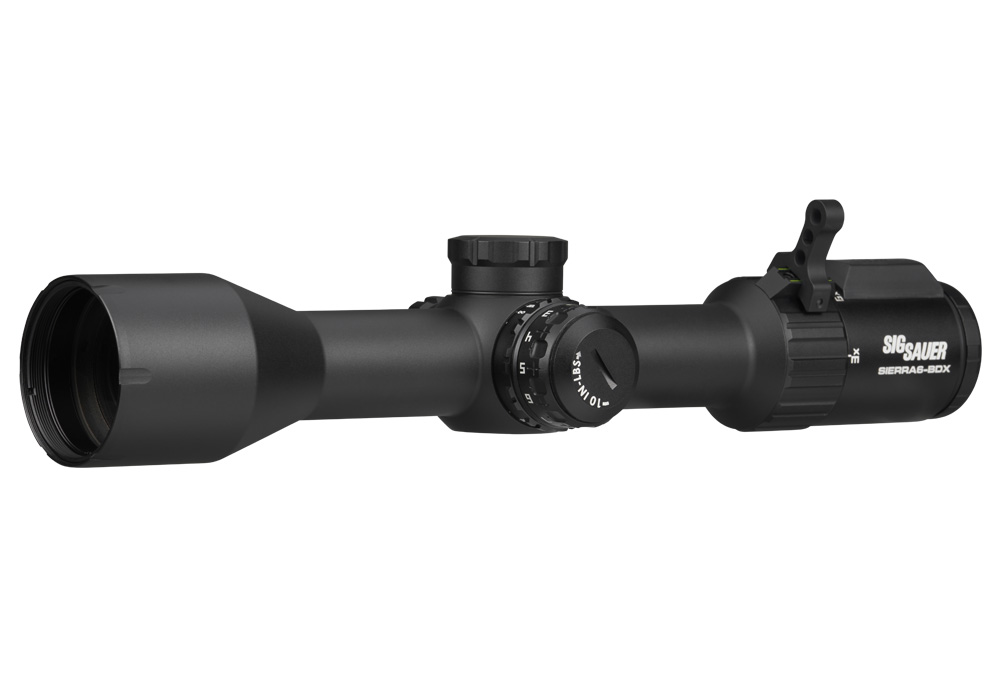
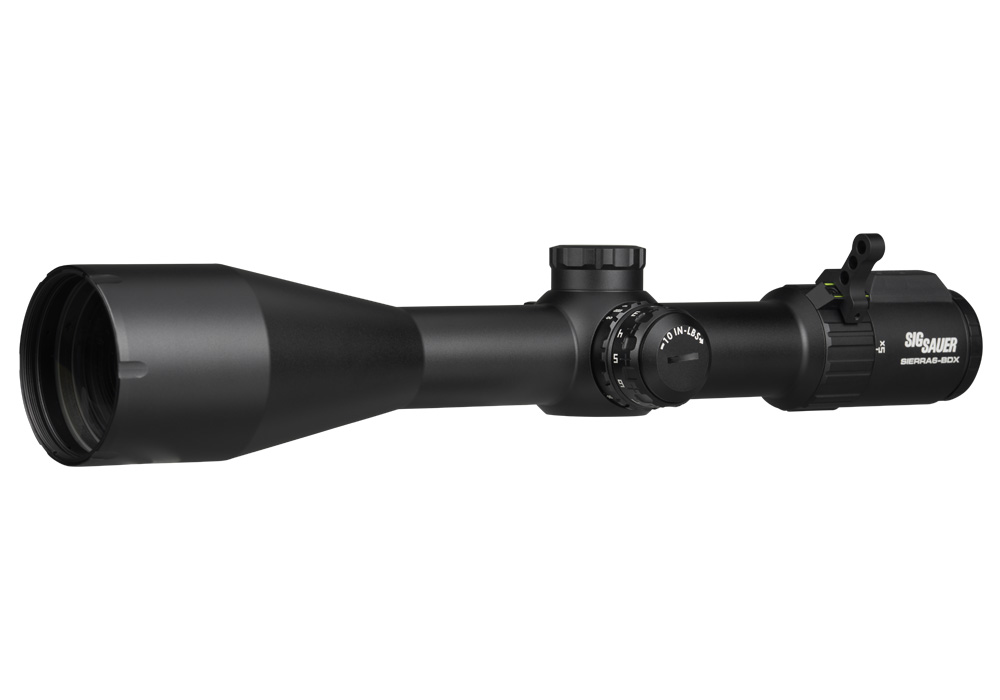
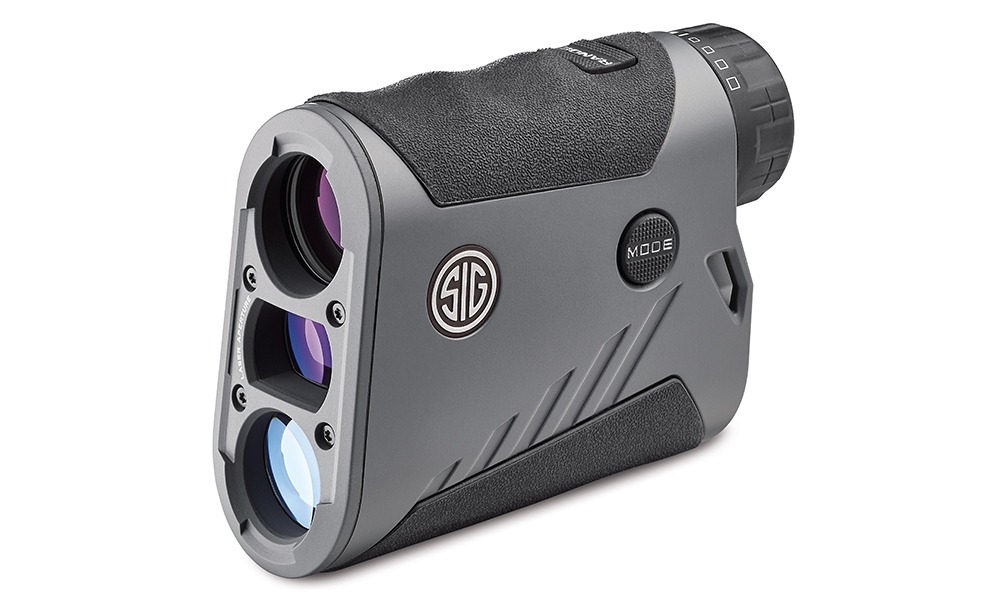
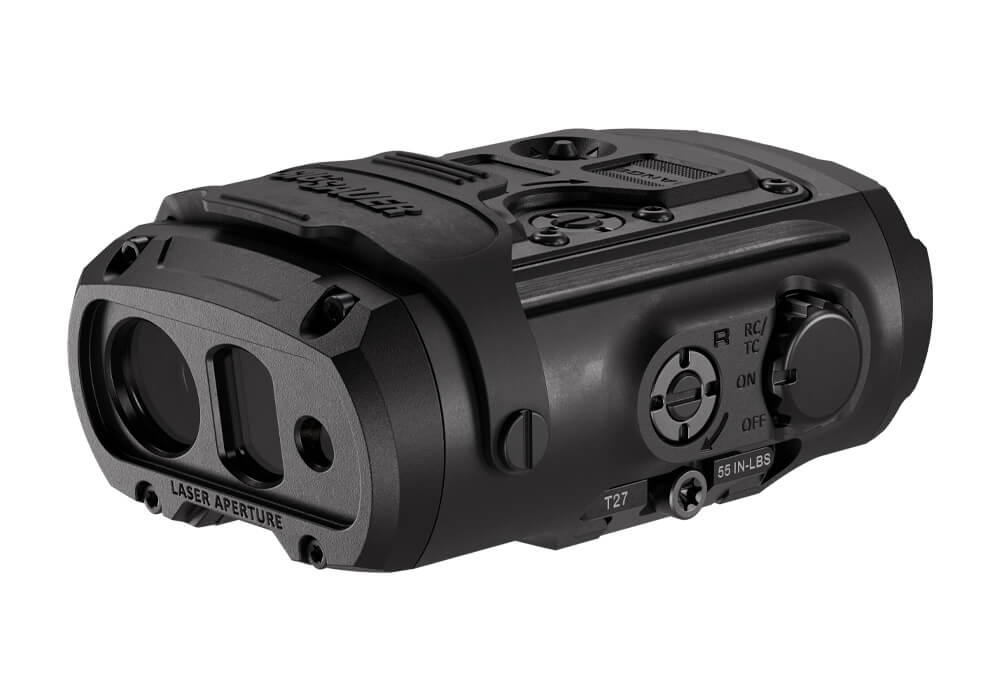
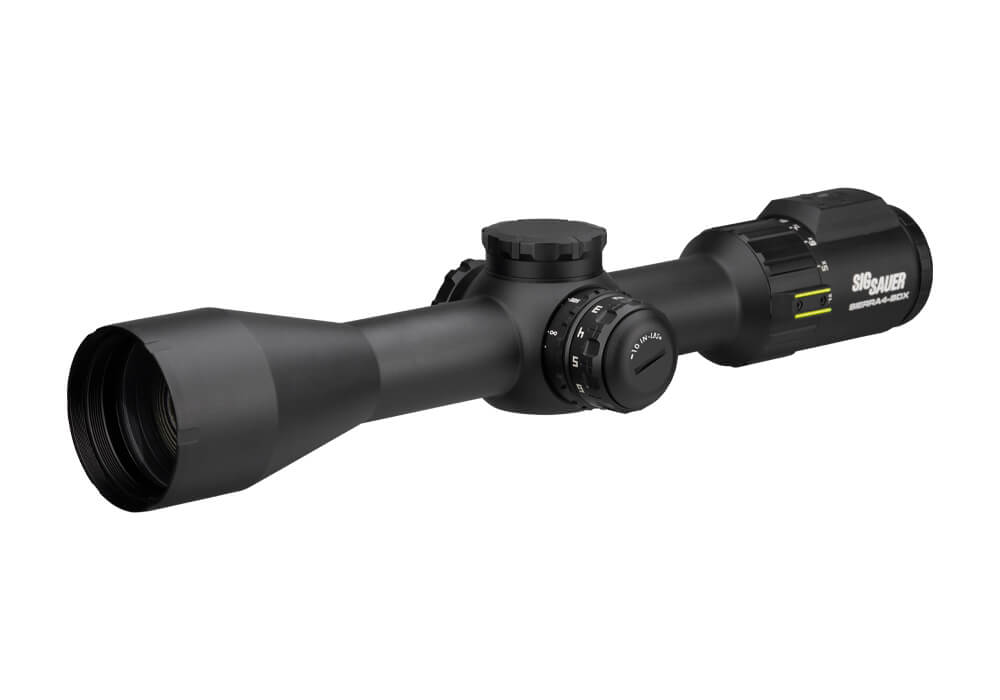
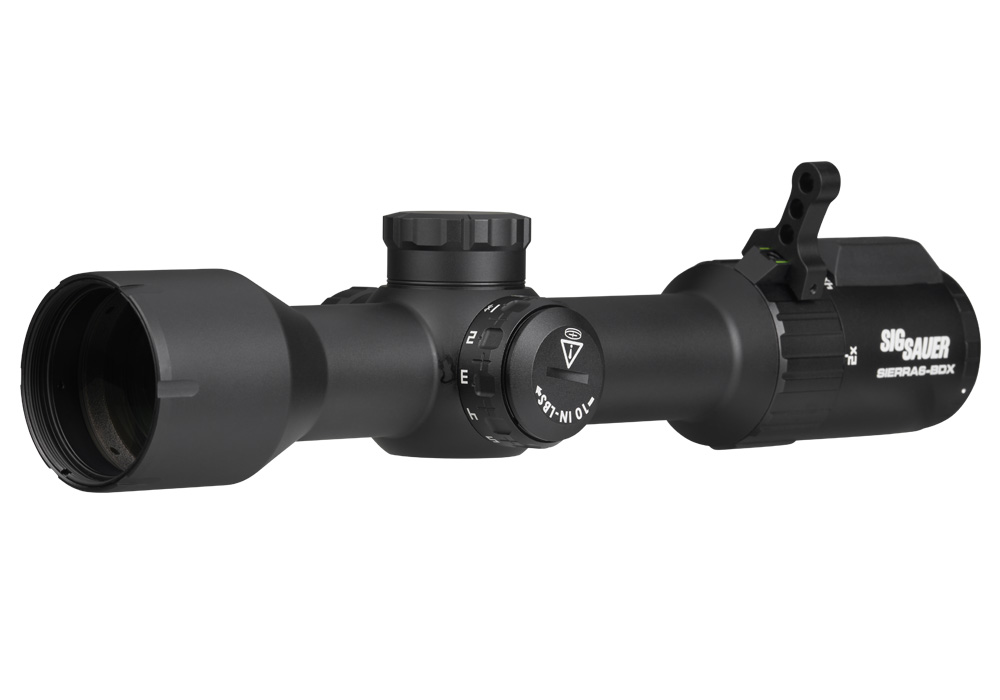
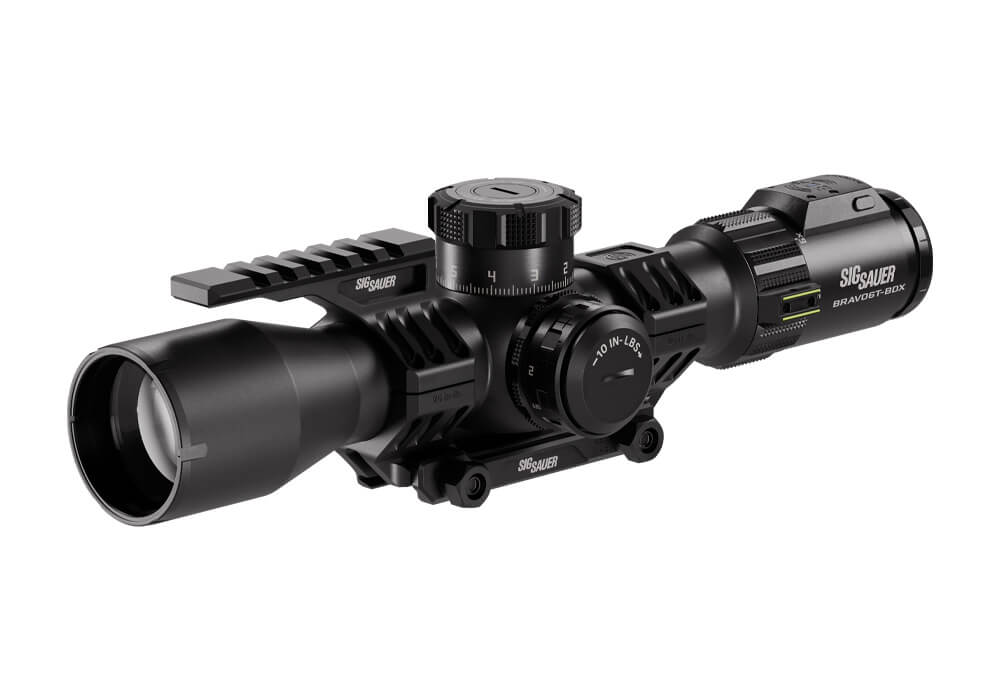
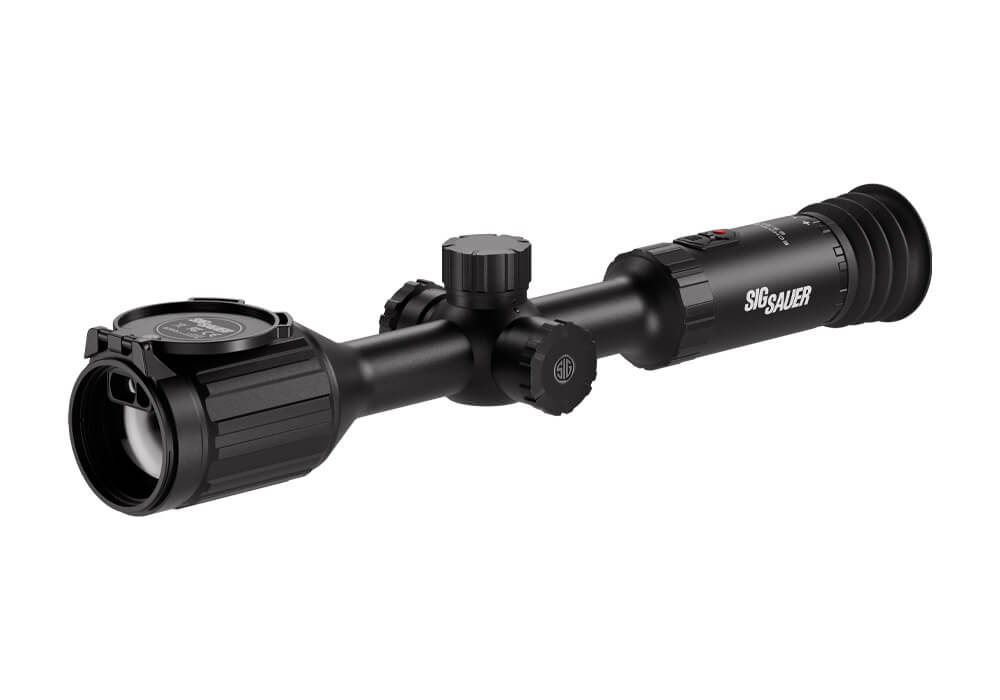
Ballistic data systems bring together the tools, software, and reference information used to understand how a projectile behaves from the moment it leaves the firearm until it reaches the target. Instead of relying solely on a printed holdover chart or a remembered dope correction, shooters can organize important variables and apply them to a more consistent firing solution. Depending on the system, that information may include bullet weight, ballistic coefficient, muzzle velocity, sight height, zero distance, atmospheric pressure, temperature, humidity, wind speed, and wind angle. Ballistic calculators and related software use these inputs to estimate trajectory, elevation adjustments, wind holds, time of flight, and retained velocity at different distances. A data system may also connect with rangefinding equipment, weather meters, chronographs, or electronic optics, giving the user a clearer picture of the conditions surrounding each shot. These tools are useful for recreational range sessions, hunting preparation, competitive shooting, professional training, and technical testing, but they work best when the user understands that predictions are only as reliable as the information entered. Even small differences in ammunition, barrel length, elevation, or environmental conditions can influence results downrange. That is why many experienced shooters confirm their data at the range, record confirmed adjustments, and update their ballistic profile when changing ammunition or equipment. For shooters building a new setup, exploring Custom Ballistics can be a practical way to think through the relationship between equipment, ammunition, and the performance information needed to make responsible decisions in the field.
When comparing ballistic data systems, begin with the way you expect to use the information. A compact mobile solution may be convenient for a range bag, while a dedicated device or integrated optic may be preferable when gloves, bright sunlight, rain, or limited access to a phone could make operation difficult. Look for compatibility with the cartridges and projectiles you use, flexible unit settings, a clear interface, dependable battery life, and an easy method for saving or exporting profiles. If the system accepts custom inputs, check whether it allows verified muzzle velocity, measured ballistic coefficient, sight height, and multiple zero distances rather than limiting you to generic factory data. Systems that account for atmospheric pressure, density altitude, humidity, and wind can be especially helpful when moving between a cool local range and a warmer, higher-elevation hunting area. A chronograph or other velocity-measuring device can add value by replacing an assumed muzzle velocity with a measured average gathered from your own firearm. Weather and rangefinding accessories can provide similarly useful context, while printed data cards and durable notebooks remain worthwhile backups when electronics are unavailable. Pay attention to mounting options, weather resistance, screen readability, button placement, charging requirements, software updates, and whether the device can be operated without removing your eye from the target area. A good system should support a repeatable process rather than encourage hurried adjustments. Before relying on calculated information for hunting or formal competition, confirm the setup with a stable firing position, known-distance targets, and appropriate range safety practices. Recording the date, ammunition lot, temperature, wind, and observed point of impact creates a useful history that can reveal patterns over time. That record is often more valuable than a single perfect session: it shows how a particular rifle and load behave across changing conditions and gives the shooter a dependable starting point for the next outing.
Ballistic data systems also serve users beyond the individual range enthusiast. Engineers and test teams use specialized sensors, data recorders, and analysis platforms to capture high-speed measurements during impact, blast, vehicle, and projectile testing. These systems may track acceleration, pressure, force, velocity, or deformation, then organize the results for detailed review. In defense and aerospace environments, larger analytical platforms can combine flight-test and ground-test information to evaluate the performance of complex systems and identify changes in behavior across different conditions. Forensic laboratories use another form of ballistic data technology: imaging and database systems can document the microscopic surface characteristics of bullets and cartridge cases, allowing trained examiners to compare markings associated with firearm evidence. These professional applications differ substantially from consumer shooting tools, but they share the same basic principle of collecting accurate measurements, preserving the surrounding context, and using organized data to support a careful conclusion. For a recreational shooter, that principle may be as simple as logging a confirmed 100-yard zero before heading into the field during the cooler months. For a competitor, it may mean maintaining separate profiles for different loads and reviewing wind calls after every stage. A ballistic data system can also make a thoughtful gift for a precision-minded shooter, new hunter, range officer, or technical student who enjoys learning how equipment performs rather than guessing at the outcome. Choose equipment that matches the recipient’s experience, firearm platform, and preferred shooting discipline, and consider practical accessories such as protective storage, spare power, mounting hardware, or a durable data book. Used with sound judgment, verified inputs, and disciplined range practices, these systems help turn scattered measurements into useful information that can be carried from the bench to the field.