Ballistic performance pistols bring together the mechanical qualities of a handgun and the measurable behavior of the ammunition it fires. Pistol ballistic performance is commonly described through muzzle velocity, muzzle energy, penetration, and projectile expansion, but those figures tell only part of the story. Velocity measures how fast a projectile travels as it leaves the barrel, usually expressed in feet per second. Muzzle energy describes its kinetic energy at that point, typically expressed in foot-pounds, and depends on both projectile mass and velocity. Penetration and expansion are evaluated under specified test conditions; results in calibrated ballistic gelatin offer a basis for comparison rather than a guarantee of outcomes in other materials. These measurements describe the interaction between a pistol and its ammunition, not an independent rating of the firearm itself. Barrel length, ammunition construction, and testing methods all influence published results, so meaningful comparisons depend on knowing the conditions behind the numbers. A velocity figure recorded with a test barrel may differ from the result obtained with a shorter handgun barrel. Likewise, an energy figure alone cannot establish accuracy, reliability, or suitability for a particular owner. Mechanical accuracy concerns the firearm’s ability to place shots consistently, while practical accuracy also reflects sight visibility, grip fit, trigger familiarity, and the shooter’s skill. For shoppers comparing pistols for recreational target shooting, organized competition, or lawful personal protection, that distinction matters more than an isolated headline statistic. A well-suited pistol balances its ballistic characteristics with manageable handling, dependable operation, and dimensions that fit its intended role. The most useful product information connects those qualities clearly: chambering, barrel length, overall dimensions, unloaded weight, frame construction, and sight configuration each help explain how a handgun may feel and function. Related information on Custom Ballistics can complement that broader examination of pistol and ammunition characteristics. The aim is a clear understanding of the complete system, with published specifications serving as reference points rather than promises of identical results in every setting.
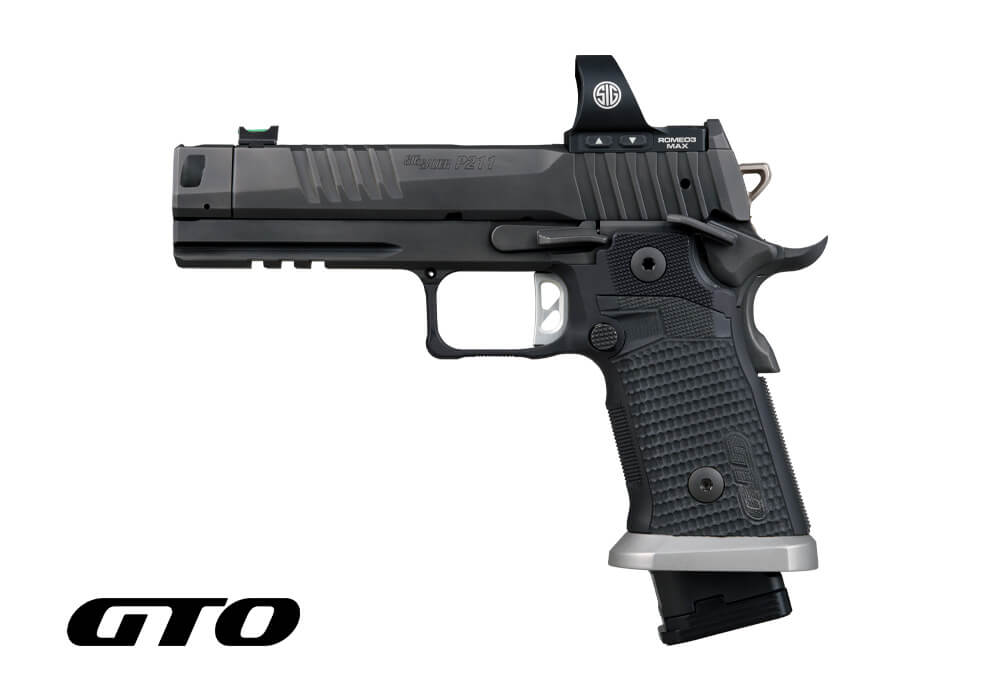
Materials and fit shape the ownership experience just as directly as ballistic specifications. Polymer frames can reduce overall weight, while aluminum alloy and steel frames offer different balances of weight, rigidity, and handling feel. No single frame material guarantees better performance for every shooter, and a heavier handgun is not automatically a better match for every purpose. A pistol that feels steady during an extended range session may be less convenient for lawful everyday carry, while a compact frame that carries comfortably may provide less room for the support hand. Grip circumference, front-to-back reach, and texture deserve close attention because hands vary considerably in size and shape. A comfortable grip allows secure contact without forcing the fingers into an awkward position, and controls should be accessible without excessive shifting of the hand. Interchangeable grip components, where included in the design, can provide useful flexibility, though compatibility should always be confirmed in the product specifications. Surface texture also involves a practical compromise: pronounced texture may feel reassuring during supervised range practice but uncomfortable against clothing or skin during carry. Barrel and slide materials, protective finishes, and the quality of contact surfaces contribute to durability, although appearance alone does not establish service life or corrosion resistance. Sight configuration affects how easily the aiming reference can be seen, and an optic-compatible slide requires careful verification of the mounting interface and approved components. Holster fit is equally specific. A suitable holster must match the firearm’s dimensions and configuration, cover the trigger guard, and provide appropriate retention; a holster that merely looks close is not an adequate substitute. For someone moving from occasional range visits to regular practice, these everyday details often become more noticeable than a small difference on a specification sheet. Clear sights, an appropriate grip, and manageable overall weight can make practice more comfortable and consistent. They also help distinguish a pistol selected for a defined purpose from one chosen solely for its appearance or a single ballistic measurement.
Long-term satisfaction depends on care, familiarity, and a realistic view of intended use. Pistols used frequently for target practice need routine inspection and maintenance according to the manufacturer’s manual, while those kept for lawful protective purposes require the same attention even when fired less often. Protective finishes help resist wear and corrosion, but they do not eliminate the need for proper cleaning, lubrication, and storage. Residue, lint, and worn components can affect function, and maintenance requirements vary by design. Manufacturer-approved procedures and compatible cleaning supplies help protect metal surfaces, polymer components, and sighting equipment without introducing unnecessary wear. Persistent functional problems, damaged components, or uncertainty about a firearm’s condition call for evaluation by a qualified professional rather than improvised repairs. Ammunition must match the chambering marked on the firearm and meet the manufacturer’s requirements; higher-pressure designations should never be treated as universally compatible. Consistent ammunition and a consistent testing method are also important when interpreting range results, since changes in either can complicate comparisons. For a recreational shooter, a durable pistol with comfortable ergonomics may support years of structured practice. A competition participant may place greater emphasis on rules compliance, sight visibility, and repeatable handling, while a lawful carry owner may prioritize secure holster compatibility and dimensions suited to daily routines. New owners benefit from qualified safety instruction and supervised familiarization, regardless of prior experience with other firearm types. Responsible ownership includes treating every firearm as loaded, maintaining a safe muzzle direction, keeping fingers away from the trigger until ready to fire, and knowing the target and what lies beyond it. Secure storage should prevent unauthorized access, especially by children, with firearms stored unloaded and ammunition secured separately. Applicable possession, transport, transfer, and carry requirements also remain part of the purchase decision. Within those responsibilities, ballistic performance is best understood as one element of a complete selection: a pistol’s materials, fit, reliability, maintenance needs, and intended role all deserve consideration alongside the numbers.