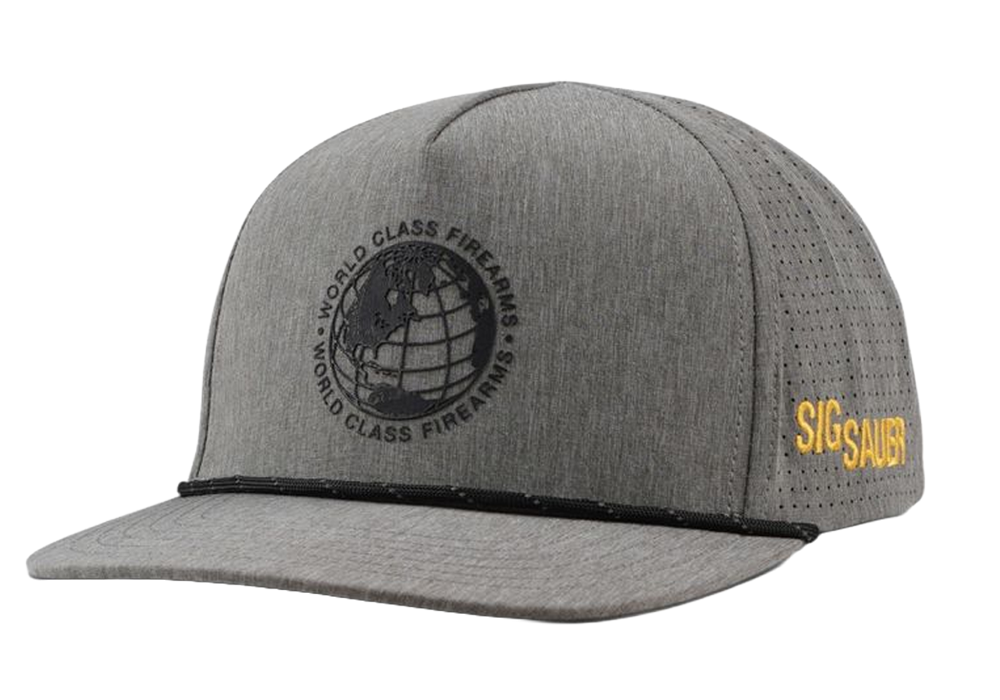
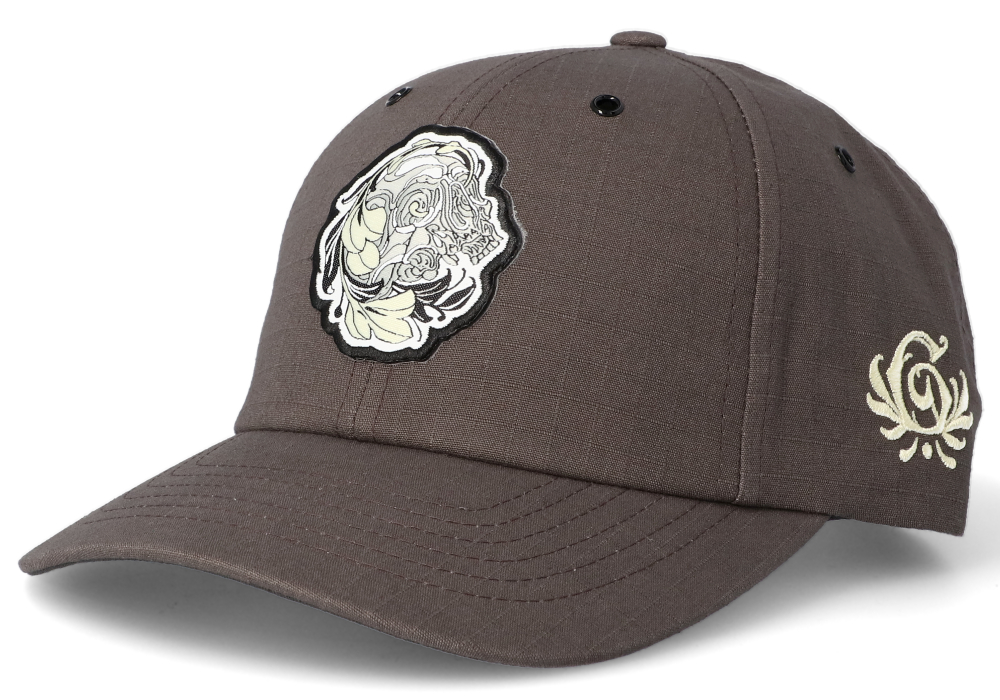
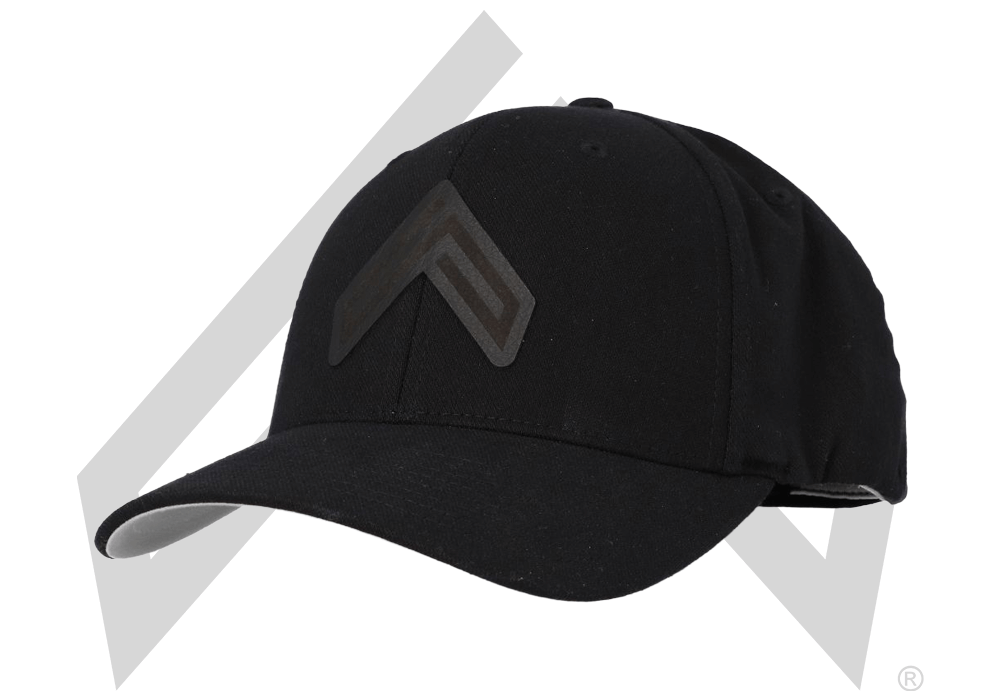
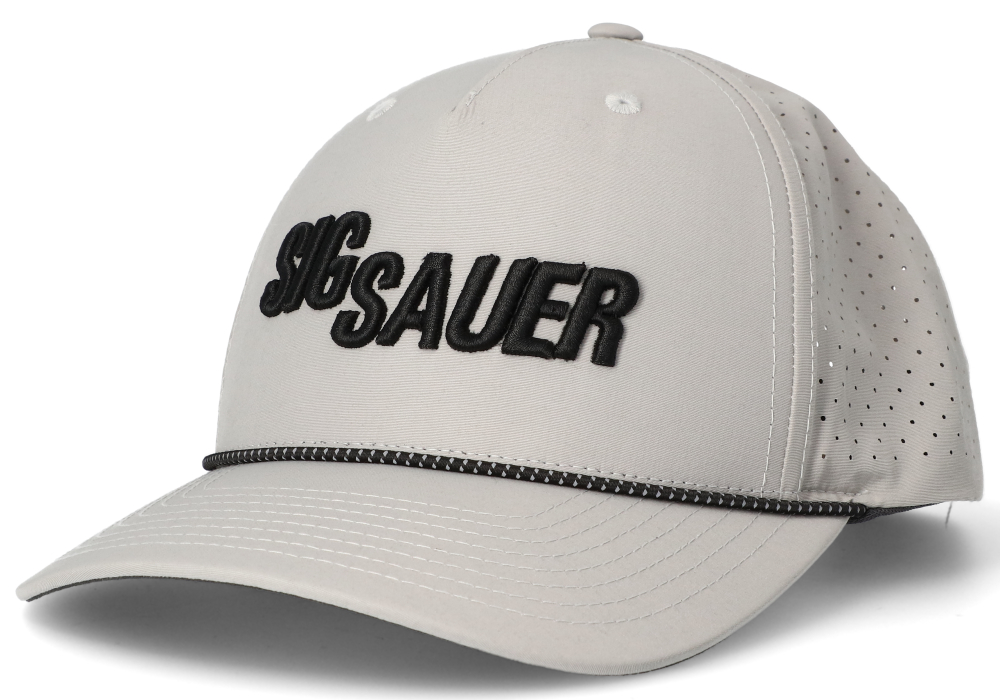
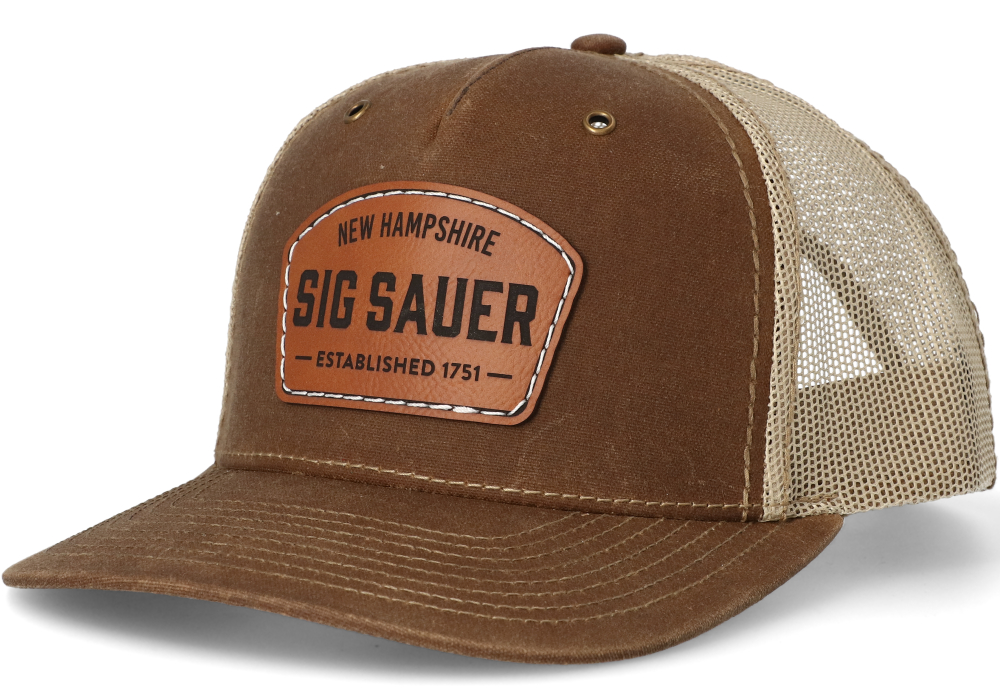
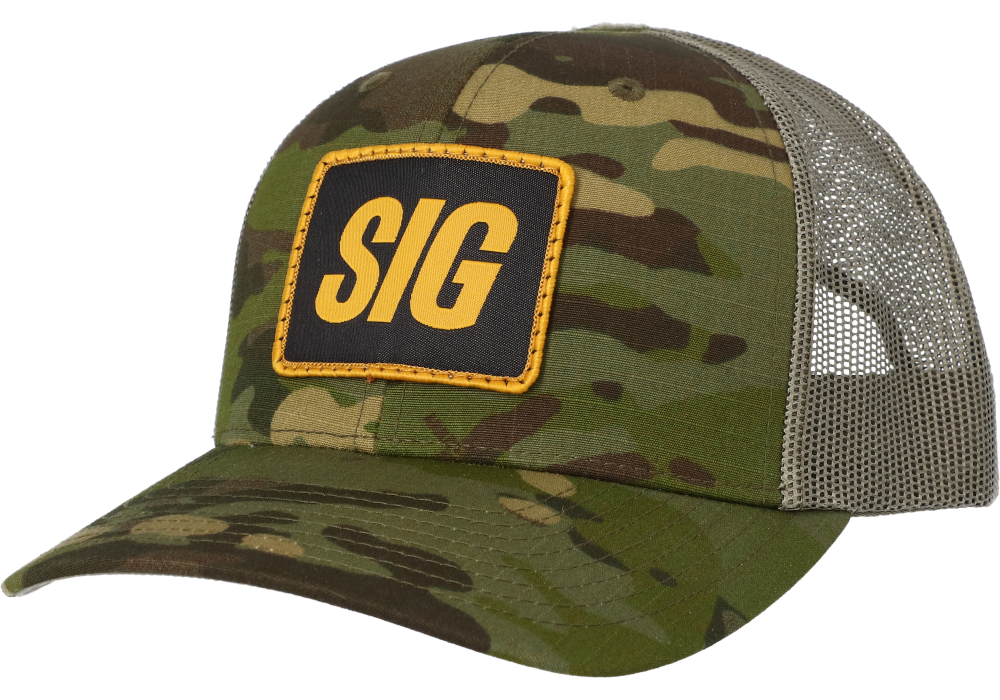
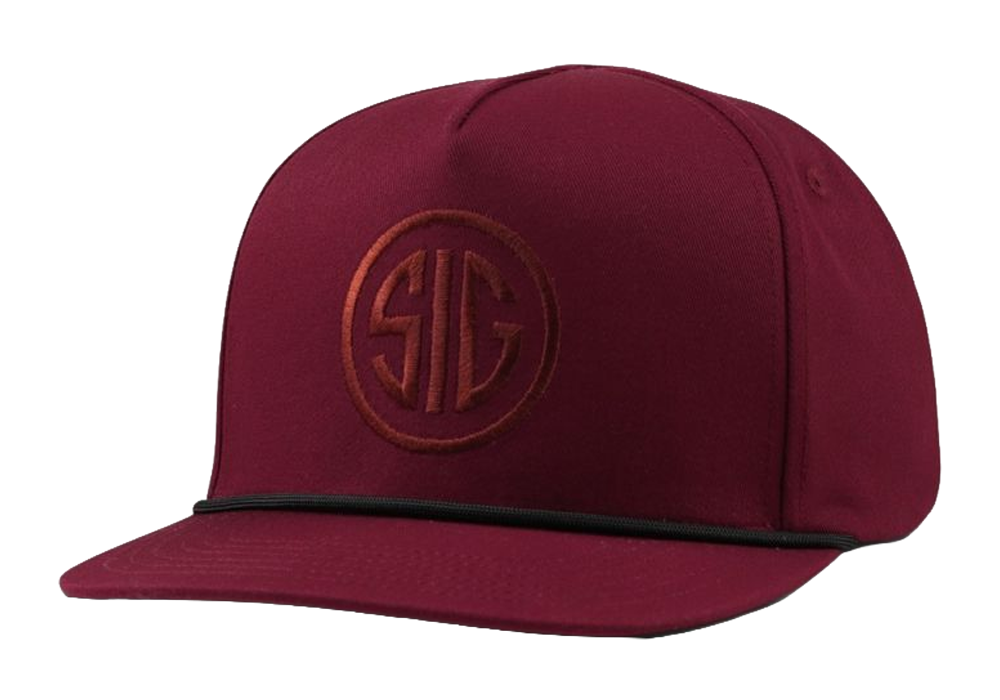
Baseball hats combine a familiar brimmed shape with practical coverage and an easygoing look that works well beyond the ballpark. Also called baseball caps, they typically have a paneled crown, a front brim, and either a sized fit or an adjustable closure at the back. The differences between common styles come down to structure, profile, and construction. A dad hat usually has a soft, unstructured crown and a curved brim, giving it a relaxed shape that settles closer to the head. A snapback uses an adjustable snap closure and often has a more structured front, though its brim can be flat or curved. Trucker hats pair a solid front with mesh back panels for ventilation, while fitted caps rely on a specific size rather than a back adjustment. These categories can overlap: an adjustable hat may have a soft crown, and a mesh-back cap may have a curved brim. Materials influence how each style feels and wears. Cotton twill has a familiar texture and a casual appearance, with enough body to support stitched panels without necessarily feeling stiff. Polyester and nylon fabrics can offer lightweight construction and quicker drying, depending on the weave and finish. Blended fabrics balance different qualities, while a small amount of stretch can help a cap accommodate movement. Mesh panels allow airflow, and an interior sweatband helps manage moisture where the crown meets the forehead. Details such as reinforced stitching, neatly finished seams, and a securely attached closure matter because those areas receive repeated handling. A six-panel crown is a familiar construction, but panel count alone does not determine comfort or quality. The shape of the panels, the height of the crown, and the placement of seams all affect how the hat sits. For everyday wear, the most useful choice is often the one that feels comfortable from the first errand to the last stop, rather than the one with the most elaborate construction.
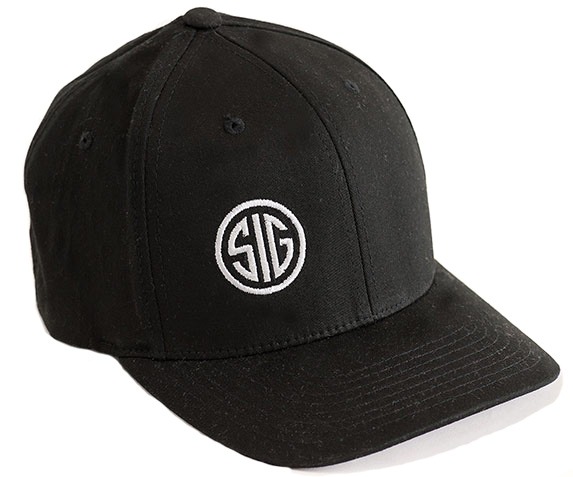
Fit deserves as much attention as color or decoration because a baseball hat should stay in place without pressing into the forehead or leaving the wearer constantly readjusting it. Adjustable closures offer flexibility, but each type works a little differently. Snap closures provide distinct settings, fabric straps can allow finer adjustment, and hook-and-loop closures are easy to reposition. Stretch-fit designs accommodate a range of measurements within a designated size, while fitted hats benefit from an accurate head measurement and the relevant size chart. Crown depth is another important distinction. A low-profile cap sits closer to the head; a taller crown creates more room and a more upright silhouette. A hat that feels tight may need a different crown shape rather than simply a looser closure. The brim also changes the experience. A curved brim frames the face and provides forward shade, while a flatter brim gives a broader visual line. Brim length and angle can affect the view when looking upward, leaning over a workbench, or wearing protective eyewear. At the range, a cap should work comfortably with eye and hearing protection without pushing frames out of position or interfering with the seal of earmuffs. A baseball hat is not a substitute for either form of protection. For walking, travel, casual outings, and time at the ballpark, a secure fit and comfortable sweatband can matter more than a dramatic profile. Color offers another practical way to narrow the choice. Neutral shades coordinate with jeans, work shirts, and casual outerwear without demanding a matching outfit. For a simple option that pairs easily with different clothing, black adjustable hats offer a versatile look with room to fine-tune the fit. Hair length, glasses, and personal preference also influence how a cap wears throughout the day. Someone who ties their hair back may prefer an accessible rear opening, while a wearer who dislikes rigid fabric against the forehead may favor an unstructured front. Small construction differences become noticeable during extended wear, so the way a hat rests on the head matters more than its style name alone.
Regular care helps a baseball hat retain its shape, comfortable feel, and clean appearance through repeated use. The care label should guide cleaning because crown supports, brim inserts, decorative stitching, and fabric blends do not all respond the same way to water or agitation. When permitted, spot cleaning with a mild detergent and a soft cloth can address marks along the sweatband or brim without soaking the entire cap. Scrubbing aggressively can roughen fabric, disturb embroidery, or leave a cleaned patch looking different from the surrounding material. Rinsing away detergent residue is important, especially along the band that rests against the skin. Some caps allow hand washing, while others require more limited cleaning; machine washing should never be assumed suitable. Likewise, a dishwasher is not a reliable shortcut, since detergent and heat can affect fabric, color, and internal supports. After cleaning, gently reshape the crown and allow the hat to air-dry according to its care instructions. A clean towel tucked loosely inside can help support the shape when appropriate, without stretching the fabric. Storing a cap on a shelf or a broad hook protects it better than crushing it under other belongings, and stacking structured hats carefully helps prevent dents in their front panels. Everyday durability also depends on handling: opening the closure rather than forcing a tight cap on, avoiding sharp folds in the brim, and keeping fasteners clear of loose threads can reduce unnecessary wear. These practical details make baseball hats useful gifts as well as personal wardrobe staples. An adjustable style can simplify gifting when the recipient’s exact head size is unknown, though fit ranges still vary. A relaxed cotton cap may suit someone who favors familiar casual clothing, while a mesh-back or lightweight fabric style may appeal to someone who spends more time walking or participating in outdoor recreation. For a birthday, a thank-you gift, or a small addition to a travel bag, a comfortable hat in a familiar color can feel personal without requiring an entirely new outfit. The strongest everyday choice balances a comfortable crown, a dependable closure, easy coordination, and care requirements that suit the wearer’s routine.