BB gun replacement parts are components used to restore the fit, function, and reliability of a compatible airgun when an original component becomes worn, damaged, or lost. Common replacement part categories include seals, O-rings, springs, valves, sights, fasteners, and feeding components, with the correct selection depending on the airgun’s design. A CO2-powered BB pistol, a pump pneumatic rifle, and a spring-powered BB gun can have very different internal arrangements, even when their external features look similar. The most useful starting point for compatibility is the exact model designation, followed by any relevant version, caliber, and component reference number. Appearance alone is not enough: two seals can look nearly identical but differ in thickness, while a spring of similar length may have a different wire diameter or working specification. Those small differences matter when a component must seat securely, retain pressure, or move through a precisely defined range. Replacement parts should match the original function rather than serve as a shortcut to changing the airgun’s operating characteristics. Factory-specified components and documented compatibility help preserve the intended relationship between the moving parts, pressure system, and controls. For older airguns, a familiar model name may cover several production revisions, so original documentation and service references can be especially valuable. A diagram can also help distinguish a complete assembly from an individual component, preventing confusion between a seal, its retaining hardware, and the surrounding housing. Caliber deserves the same attention as model identity. BB guns, pellet airguns, and airsoft equipment use different ammunition and feeding arrangements; a shared profile or similar description does not establish interchangeability. Understanding these distinctions keeps the focus on parts suited to the actual platform. Whether the need involves a missing sight screw or a pressure-retaining component, accurate identification is more valuable than choosing something that merely looks close. It also helps separate a straightforward external replacement from work that belongs with a qualified airgun service technician.
Materials and construction influence how BB gun replacement parts perform over repeated use. Metal components may provide rigidity, wear resistance, or stable attachment points, while engineered polymers can offer light weight and shapes suited to housings, guides, and other nonmetallic interfaces. Elastomer seals perform a different job, creating a flexible barrier where air or CO2 must remain contained. Their dimensions, formulation, and compatibility with the surrounding system are more important than color or surface appearance. A seal that fits loosely, binds, or reacts poorly to an unsuitable lubricant can undermine an otherwise sound assembly. Springs likewise depend on more than their visible shape; their specifications need to suit the mechanism they serve. For external hardware, thread size, screw length, head profile, and seating surface all contribute to a secure fit. A fastener that reaches too far can interfere with nearby components, while one with insufficient engagement may not hold as intended. Surface finishes also deserve consideration, particularly where parts are handled often or meet another moving surface. Consistent dimensions and an appropriate finish support smooth operation without replacing the need for correct installation. Care is closely tied to durability. Clean storage, protection from grit, and lubrication specified for the particular airgun help limit unnecessary wear, but an airgun is not best served by applying a general-purpose oil to every component. Some lubricants are unsuitable for certain seals or internal systems, making the owner’s manual the appropriate reference for product selection and maintenance requirements. Pressure loss, inconsistent feeding, or a change in feel can have more than one cause, so a symptom does not automatically identify a single replacement part. A sound seal cannot compensate for damage elsewhere in the pressure system, and a new feeding component may not resolve an ammunition mismatch. For work involving pressurized assemblies, internal valves, or trigger mechanisms, professional evaluation can help establish the underlying issue and preserve the airgun’s intended operation. The goal is dependable service, not repeated replacement of components that were never the source of the problem.
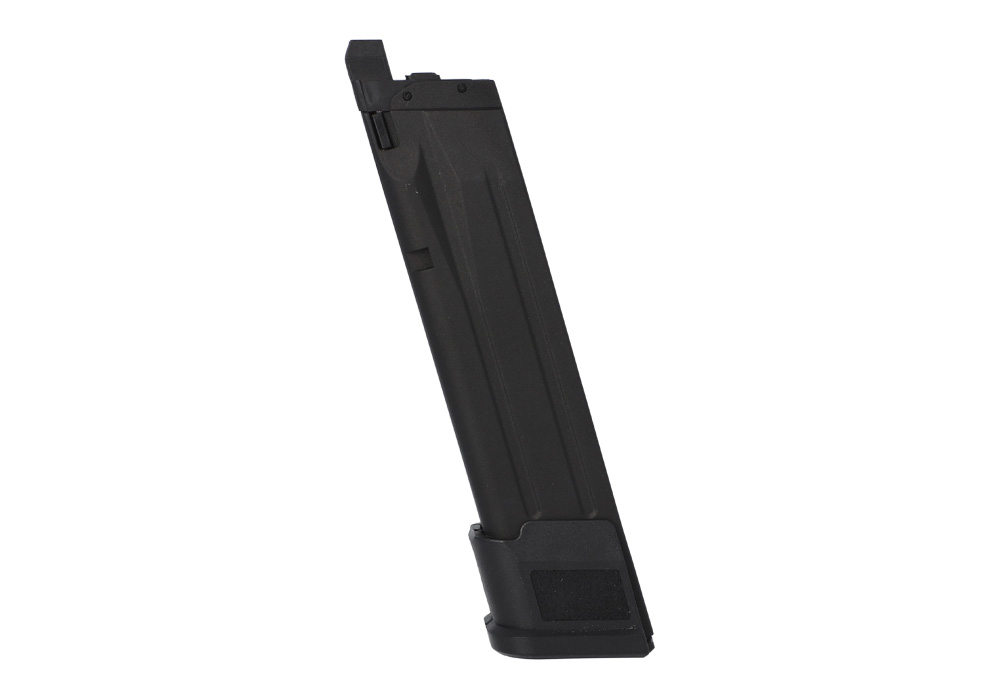
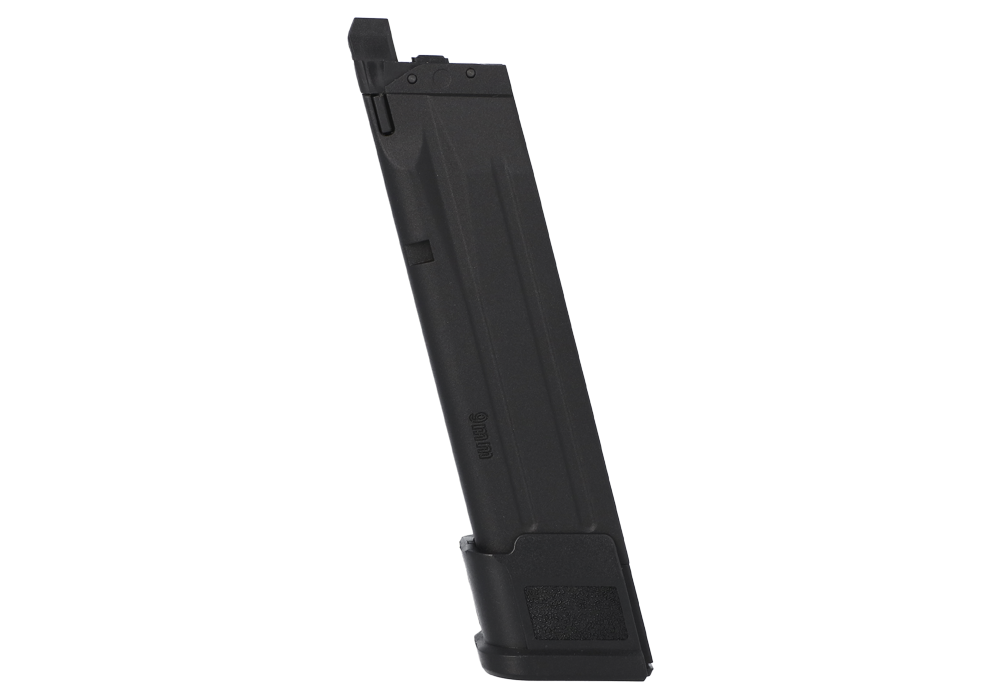
Replacement parts are relevant to recreational target shooters, airgun enthusiasts, and owners who want to keep a familiar BB gun functioning as intended. A well-fitting grip component, a secure sight attachment, or a correctly matched feeding assembly can make a meaningful difference during routine target practice without altering the platform’s purpose. For someone who uses an airgun to practice sight alignment and consistent handling, dependable operation supports attention to those fundamentals instead of interruptions caused by loose hardware or feeding trouble. Owners caring for a long-used airgun may also value retaining its original configuration, particularly when its controls and handling are already familiar. Magazines deserve separate consideration because their fit involves both the airgun’s magazine interface and its ammunition system. Shoppers looking specifically for those assemblies can explore BB Gun Replacement Magazines, with compatibility remaining the deciding factor. Depending on the design, a magazine may hold BBs alone or combine ammunition storage with other operating components; matching the exact platform matters more than a similar outline. The same principle applies to accessories or replacement components intended as a gift. Knowing the recipient’s precise airgun model is essential, and technical parts are most useful when they meet an identified need rather than an assumption based on appearance. Responsible ownership remains part of the context for every replacement. BB guns can cause serious injury, so appropriate eye protection, a suitable target area, and a backstop intended for the ammunition and airgun are important during use. Storage should prevent unauthorized access, and any maintenance or service should follow the manufacturer’s directions for an unloaded, unpressurized condition where applicable. A replacement component is not a substitute for inspecting the rest of the airgun or addressing an unresolved operating concern. Thoughtful selection brings model compatibility, material suitability, maintenance requirements, and intended use together, helping owners preserve the familiar feel and reliable function of equipment they understand.