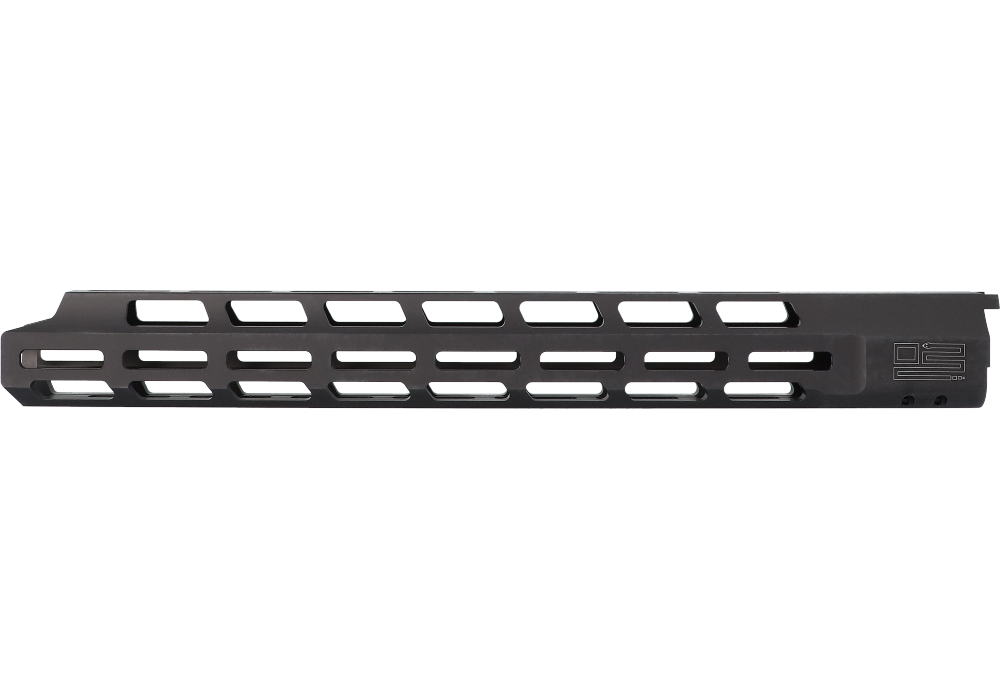
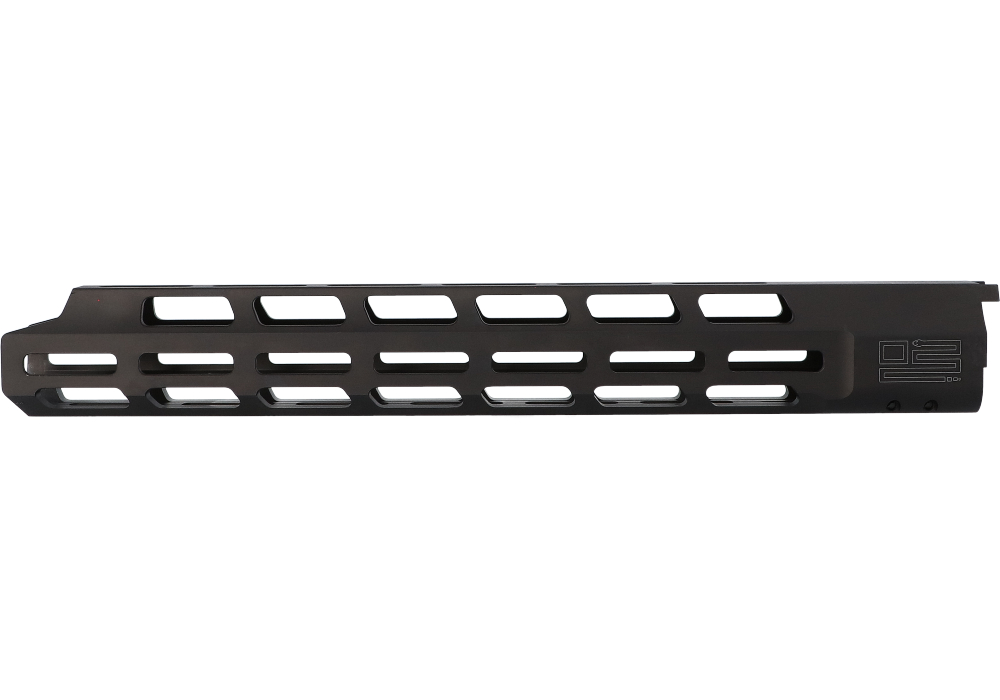
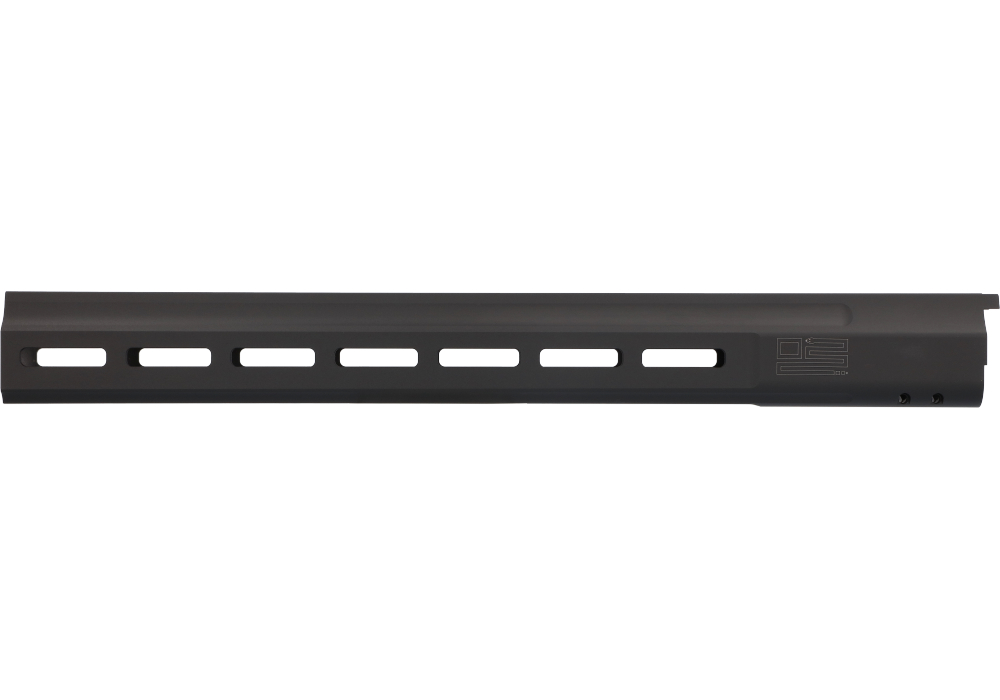
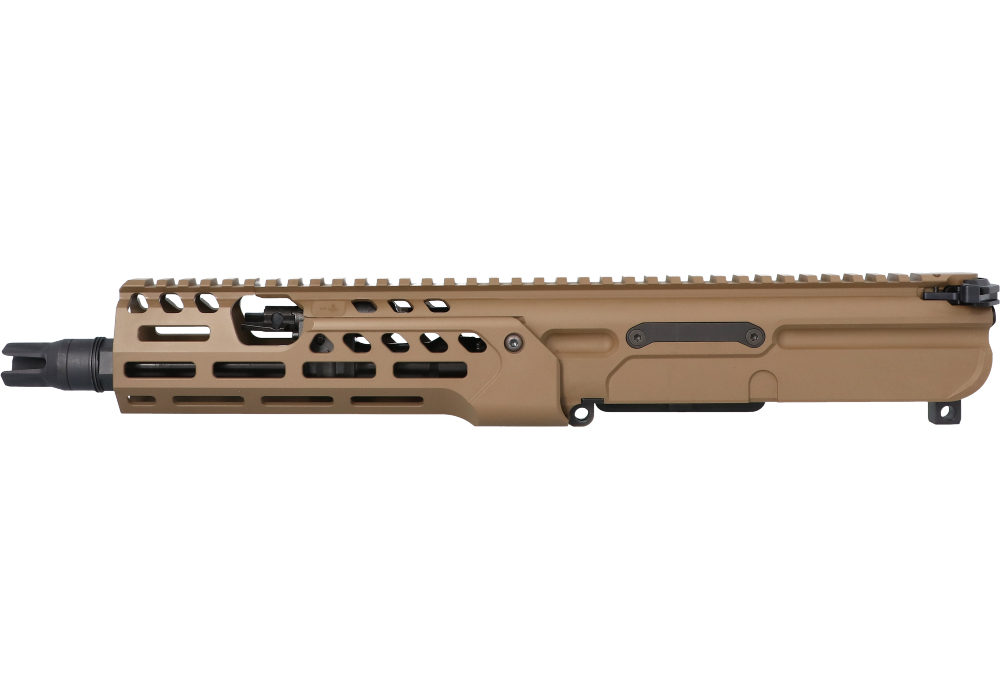
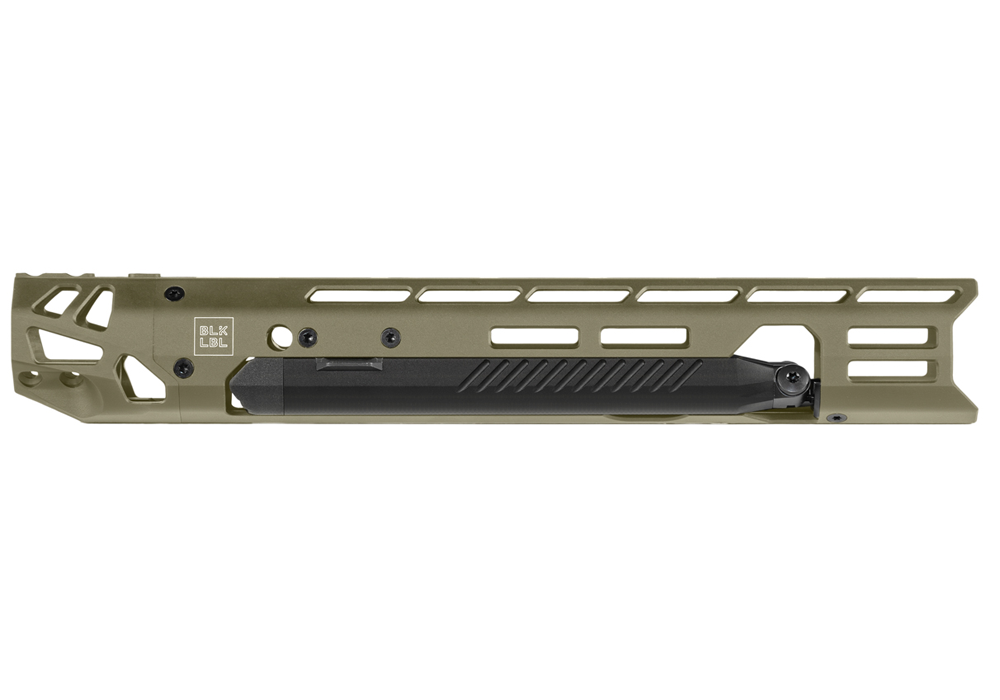
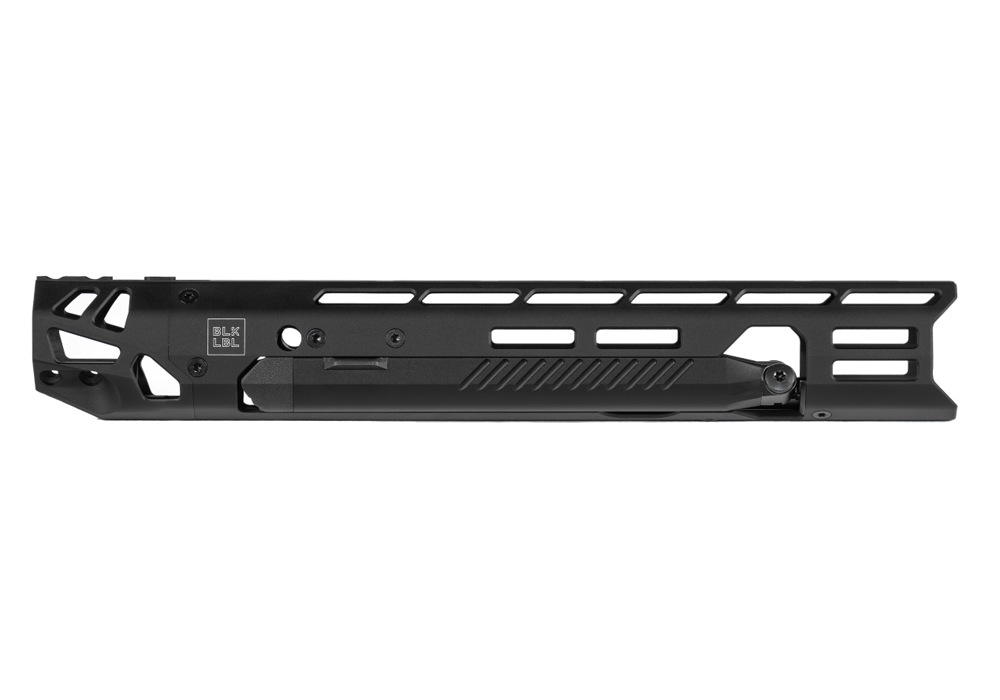
Black AR-15 handguards provide a gripping surface around the barrel while shaping the rifle’s overall feel, balance, and accessory layout. Their black finish offers a consistent visual match for many receivers and stocks, but the differences that matter most extend beyond color. Material, construction, mounting interface, and exterior profile all influence how a handguard feels during an afternoon of target shooting or a practice session at the range. Aluminum is common in slim, rigid designs, with machined openings that reduce bulk and provide ventilation. Polymer appears frequently in traditional two-piece designs, sometimes paired with internal heat shields. Neither material tells the whole story: wall thickness, structural design, surface treatment, and attachment hardware also contribute to durability and handling. An anodized aluminum surface can resist routine wear, although contact with rests, sling hardware, and other equipment may leave visible marks over time. Black finishes also vary in sheen and texture, so two components with the same color description may not look identical beside one another. Accessory interfaces create another important distinction. M-LOK handguards use elongated slots for compatible attachments, allowing much of the gripping surface to remain free of projecting rail sections. Picatinny quad rails provide continuous mounting surfaces on four sides, with a broader, more angular feel. Other designs combine a top rail with slotted sides and an underside, balancing mounting space with a relatively streamlined exterior. Shoppers focused on slotted attachment options can explore Black Mlok Handguards while comparing overall dimensions and exterior profiles. A narrow octagonal shape, a rounded polymer shell, and a full quad rail can feel noticeably different even at similar lengths. Smooth edges, comfortable transitions, and enough room for the support hand often matter more in everyday use than an aggressive appearance or an extensive list of attachment points.
Fit is the starting point for comparing black AR-15 handguards, because a shared platform name does not establish compatibility. Receiver configuration, attachment system, barrel nut requirements, gas system components, and surrounding clearances all affect whether a particular design is appropriate. Traditional two-piece handguards may rely on existing retaining hardware, while free-floating designs typically use a dedicated mounting arrangement at the receiver end and avoid intended contact with the barrel along their length. These approaches are not interchangeable simply because their exterior measurements appear similar. Manufacturer specifications should identify the required interface, included hardware, and any restrictions that apply to the intended firearm. Length deserves equally careful attention. Common descriptions include carbine, mid-length, rifle-length, and extended, but those labels can refer to different dimensions or intended configurations. Published overall measurements are more useful than assuming a name guarantees fit. A longer handguard can provide additional gripping room and mounting positions, while a shorter one leaves more of the barrel exposed and may place less weight toward the front. Neither arrangement is universally preferable. Clearance around the gas block and muzzle area remains important, and a narrow internal diameter can limit compatibility even when the exterior looks suitable. Any uncertain fit or installation requirement belongs with a qualified gunsmith rather than guesswork. Beyond mechanical compatibility, the handguard should suit the way the rifle is supported and carried. A target shooter using a bench rest may appreciate an underside that settles comfortably on a support bag. Someone practicing from several range positions may prefer a consistent gripping surface with fewer protrusions. Competition use can place greater emphasis on reachable accessory positions and unobstructed hand placement, within the rules of the discipline. Published weight figures also need context: some include mounting hardware, while others describe only the handguard body. Comparing equivalent measurements gives a clearer picture of the complete assembly than choosing solely by length or appearance.
Durability becomes most meaningful in ordinary use: repeated trips in a rifle case, contact with a shooting bench, and regular handling during cleaning. A well-fitted handguard should retain its intended alignment and provide a dependable gripping surface, but even a durable finish benefits from routine care. With the firearm unloaded and handled according to its manufacturer’s safety directions, accessible exterior surfaces can generally be wiped with a soft cloth to remove dust and fingerprints. Cleaning products should be compatible with the handguard’s finish, polymer components, and any attached accessories; a solvent suitable for one surface may not be appropriate for another. Ventilation openings and rail slots can collect lint or fine debris, especially after transport in a padded case. Keeping those areas clean makes changes in condition easier to notice without turning routine care into an extensive project. Deep gouges, cracks, unusual movement, or shifting alignment deserve professional inspection rather than being treated as cosmetic wear. Comfort also benefits from a restrained accessory layout. A handguard crowded with attachments can become difficult to grasp or awkward to rest on a bag, even when every attachment fits its interface. Leaving useful gripping space helps preserve the reason the handguard is there in the first place. Range users who wear shooting gloves may notice different preferences in texture and circumference than those shooting without them, while larger hands may favor a fuller profile over the narrowest possible option. For an experienced firearm owner, a compatible handguard can be a thoughtful gift when the recipient’s exact configuration and preferences are already known. Guessing from a photograph or choosing by color alone is less reliable than confirming those details beforehand. Across recreational target shooting, organized competition, and regular practice, black AR-15 handguards are best understood as functional components with distinct fit and handling characteristics. The most suitable choice brings together verified compatibility, a comfortable shape, appropriate mounting space, and a finish that stands up to the owner’s normal routine.