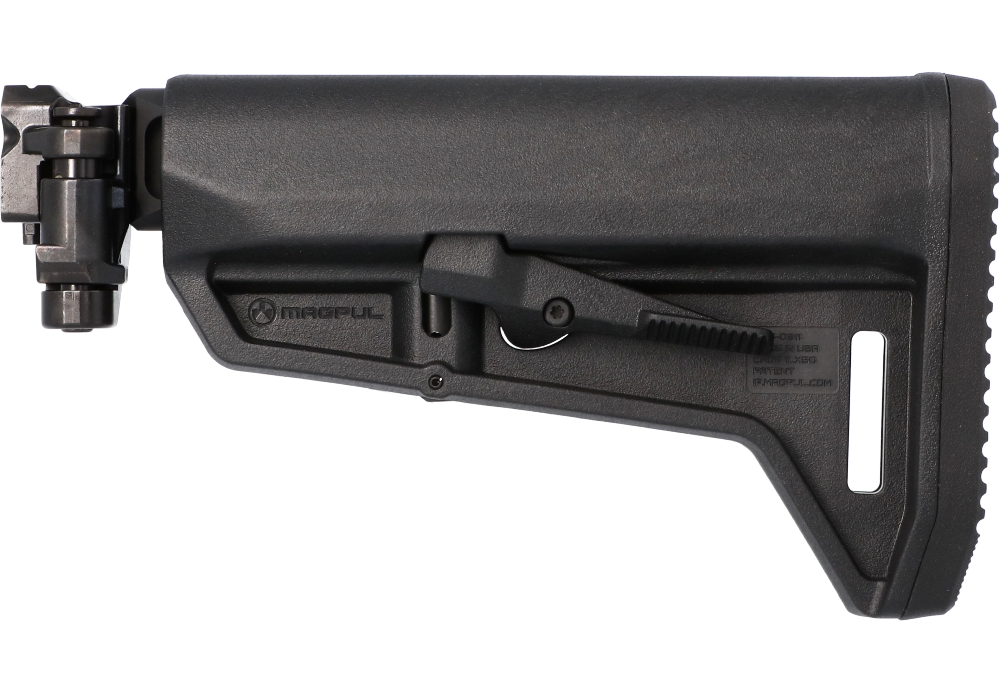
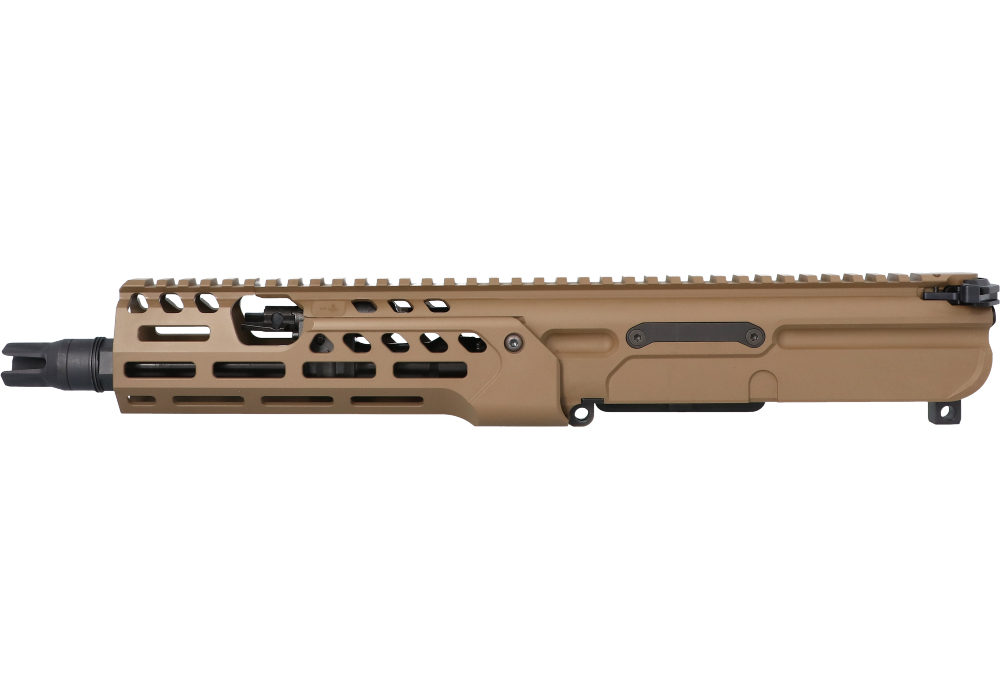
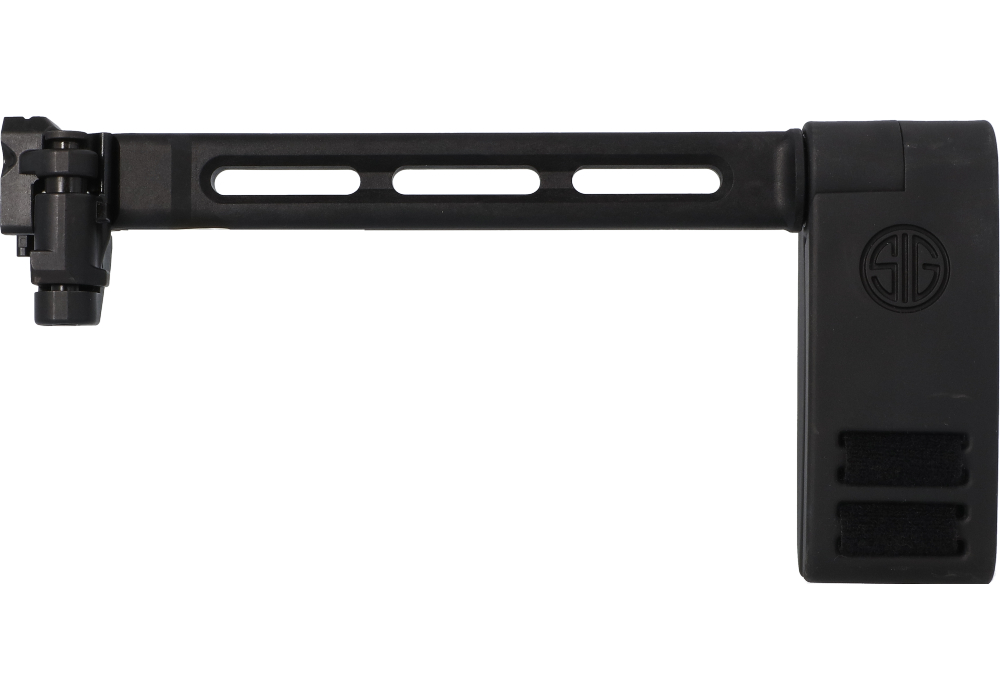
Black folding stock adapters for tactical rifles provide a hinged connection that lets a compatible shoulder stock fold toward the firearm, reducing overall length for storage and transport. The barrel remains the same length; the space savings come from repositioning the stock rather than shortening the rifle itself. When returned to its extended position and securely locked, the stock provides the shoulder support associated with the rifle’s normal configuration. This makes a folding adapter relevant to owners who want a compatible rifle to fit more conveniently into a protective case, a secure storage compartment, or an organized range bag. The adapter sits at the junction between the rifle and its stock assembly, so compatibility involves more than the appearance of the hinge or the color of the finish. Receiver attachment type, stock mounting interface, operating system, and clearance around nearby controls all matter. A rifle with a rear accessory rail has different mounting requirements from one with a threaded stock interface, and neither connection should be assumed to accept the same hardware. Rifles with operating components that extend behind the receiver also require different considerations from designs that contain those components within the receiver. An adapter’s stated compatibility is therefore more useful than a broad description such as universal or tactical. Folding direction matters as well: a stock that swings to one side can occupy space near controls, sling attachment points, or other accessories. Even when the mounting connection is correct, the complete arrangement needs adequate clearance in both its folded and extended positions. Added length at the rear can also change the distance between the trigger and the shoulder, affecting how naturally the rifle fits its owner. Black folding stock adapters are best understood as interface components within a complete system, not interchangeable hinges that suit every rifle. Their practical value comes from a compatible fit, secure lockup, and a folded profile that works with the owner’s actual storage and transport needs.
Materials and construction influence how a folding adapter feels in use and how well it holds up to repeated handling. Aluminum is common where lower weight is important, while steel may appear in hinge pins, locking components, or other areas subject to concentrated contact. The material name alone does not establish quality; machining, alignment, contact surfaces, and the design of the locking mechanism contribute to the finished assembly. A substantial adapter can still be poorly matched to a particular rifle, while a lighter design may be appropriate when its construction and intended application align. The hinge should be considered alongside the latch rather than treated as the only moving part that matters. Consistent engagement, controlled movement, and minimal unwanted play help the stock feel stable when extended. The release mechanism also needs to suit ordinary handling without interfering with nearby equipment. A black exterior can provide a visually consistent transition between the receiver and stock, but color does not identify the protective treatment underneath. Anodized aluminum, treated steel, and coated surfaces have different characteristics, and the care recommendations for one finish may not suit another. Matte surfaces often reduce visible reflections, while texture and sheen affect how closely the adapter matches surrounding components. Contact with case interiors, sling hardware, and other equipment can leave wear marks over time, particularly around edges and moving interfaces. Routine care centers on keeping the assembly free of accumulated grit and following the manufacturer’s recommendations for cleaning and lubrication. Harsh solvents, abrasive tools, or excessive lubricant can create problems rather than improve function. Inspection is especially relevant around the hinge, locking surfaces, and mounting connection, where unusual movement or visible damage deserves attention from a qualified professional. Any handling or maintenance should take place with the firearm unloaded and ammunition kept separate. Durability is not simply a rugged appearance; it is the ability of a correctly fitted assembly to maintain dependable operation through its intended use and appropriate care.
For recreational rifle owners, range regulars, and professionals using compatible equipment, the appeal of a folding adapter is often found in small logistical details. A rifle that occupies less length inside a case can be easier to arrange with protective padding, hearing protection, and other range essentials without forcing equipment against the stock. The folded outline still matters, however, because reduced length may come with added width where the stock rests alongside the receiver. Case fit depends on that complete shape, including attached optics, sling hardware, and any protruding controls, rather than on a single length measurement. A compact storage arrangement also does not replace secure storage practices or applicable transport requirements. The stock’s extended position deserves equal attention: shoulder placement, cheek support, and access to controls remain central to a comfortable fit. An adapter that adds rearward length may change the feel of a stock that previously suited its owner, while the location of a hinge or latch can affect how surrounding accessories sit. Folding and telescoping functions address different needs. Folding changes the stock’s orientation to reduce the rifle’s storage footprint; telescoping adjusts stock length along its axis to accommodate fit or equipment. For shoppers comparing these approaches, Collapsible Stock Adapters for Tactical Rifles provide a related category to consider when adjustable length is the primary requirement. Some compatible arrangements combine both functions, but that should be confirmed rather than inferred from appearance. The same caution applies to operation with the stock folded: folding hardware alone does not establish whether a firearm can function safely in that position. The firearm’s design and manufacturer’s instructions govern that question. As a gift for an experienced rifle owner, an adapter is most appropriate when the recipient’s exact mounting requirements and preferred configuration are already known. For any owner, the strongest match balances mounting compatibility, reliable locking, manageable weight, suitable finish, and realistic case dimensions. Those details give black folding stock adapters their purpose: a more compact storage and transport configuration without overlooking the fit and support needed when the stock is extended.