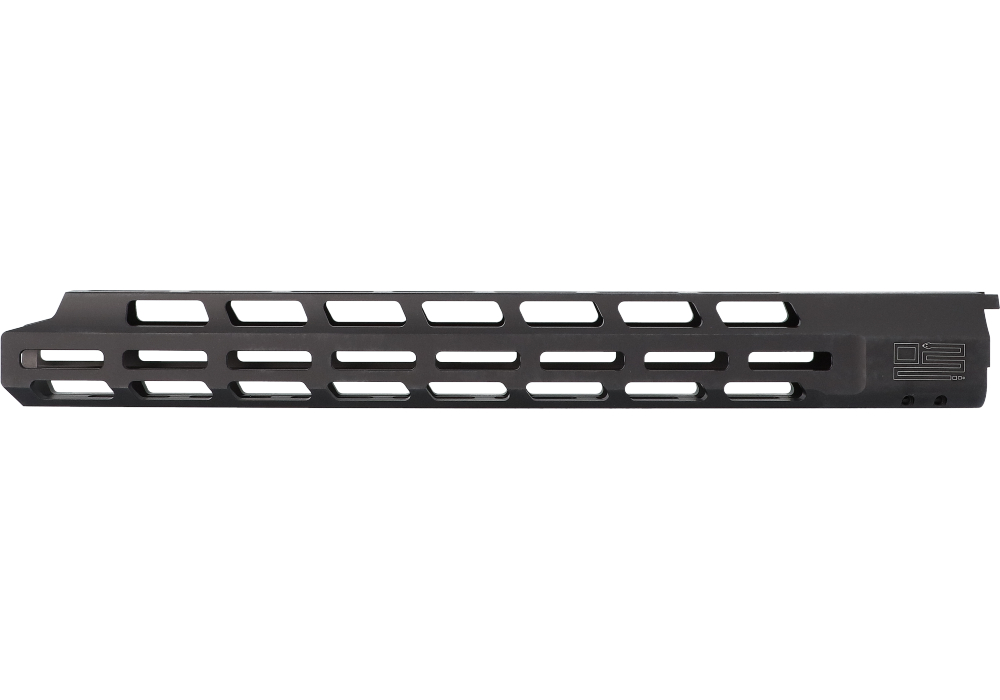
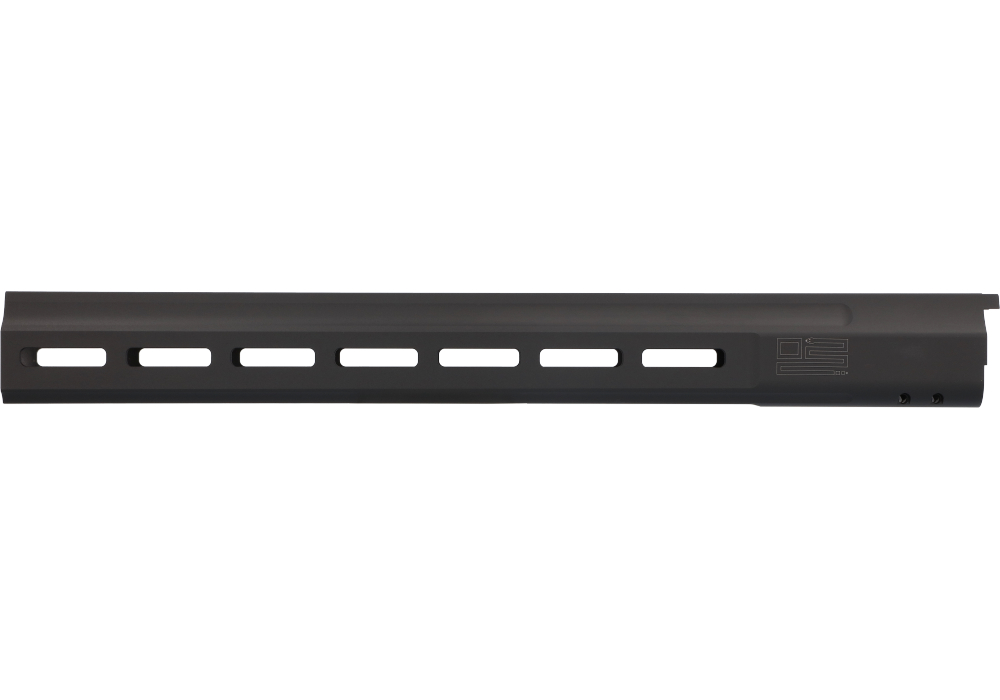
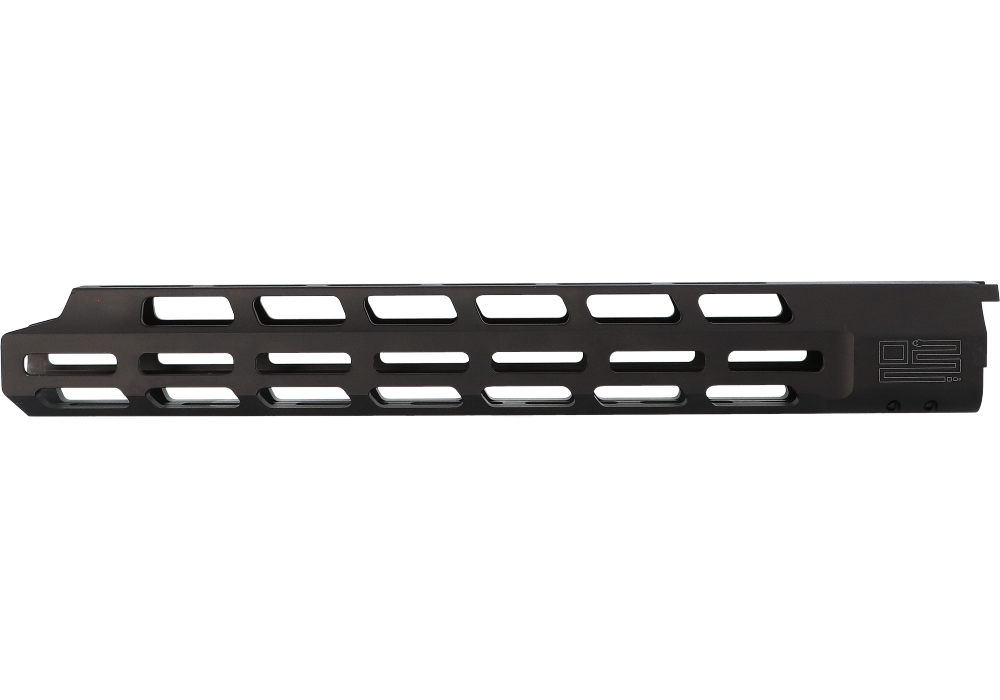
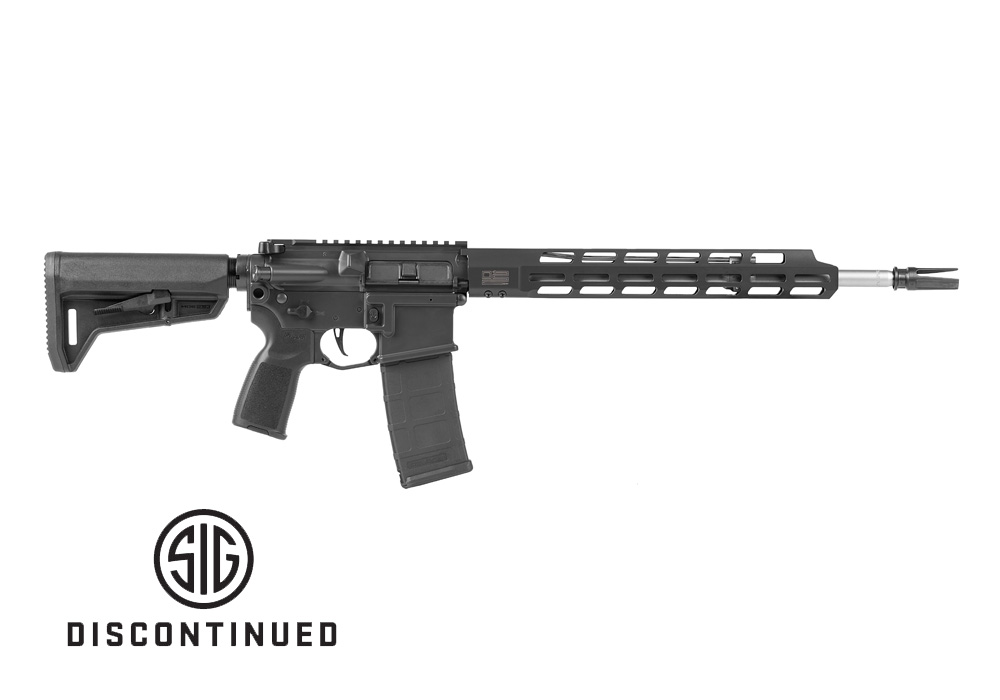
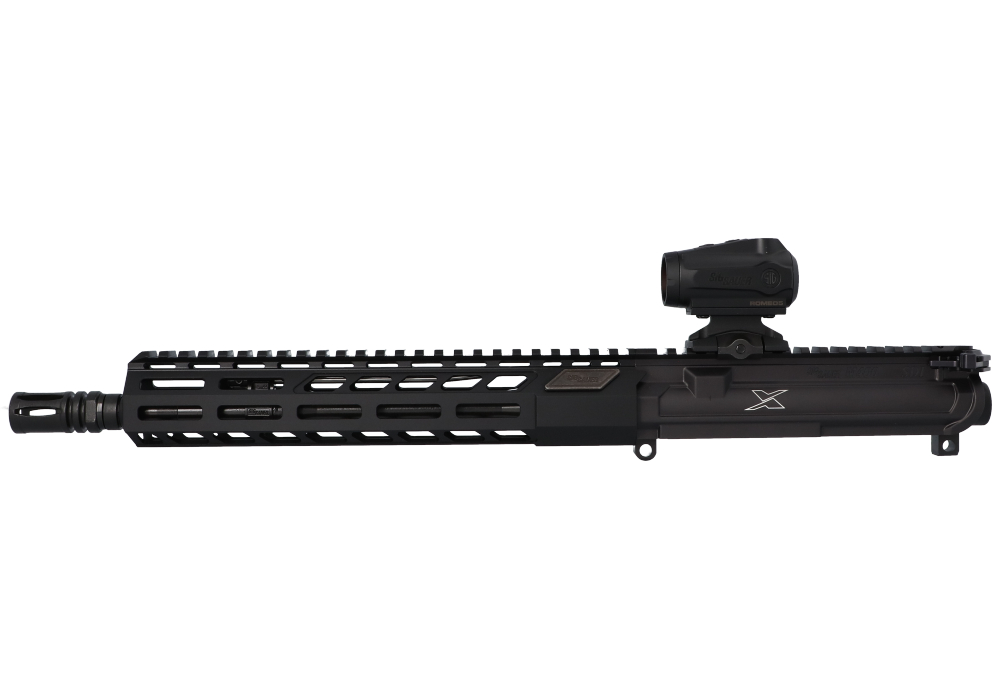
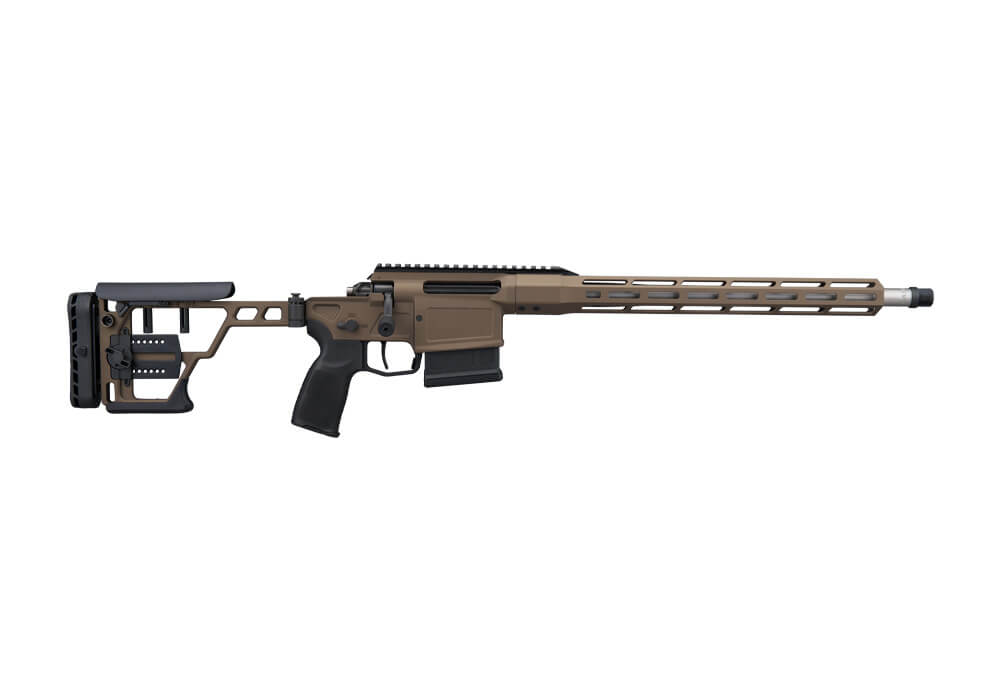
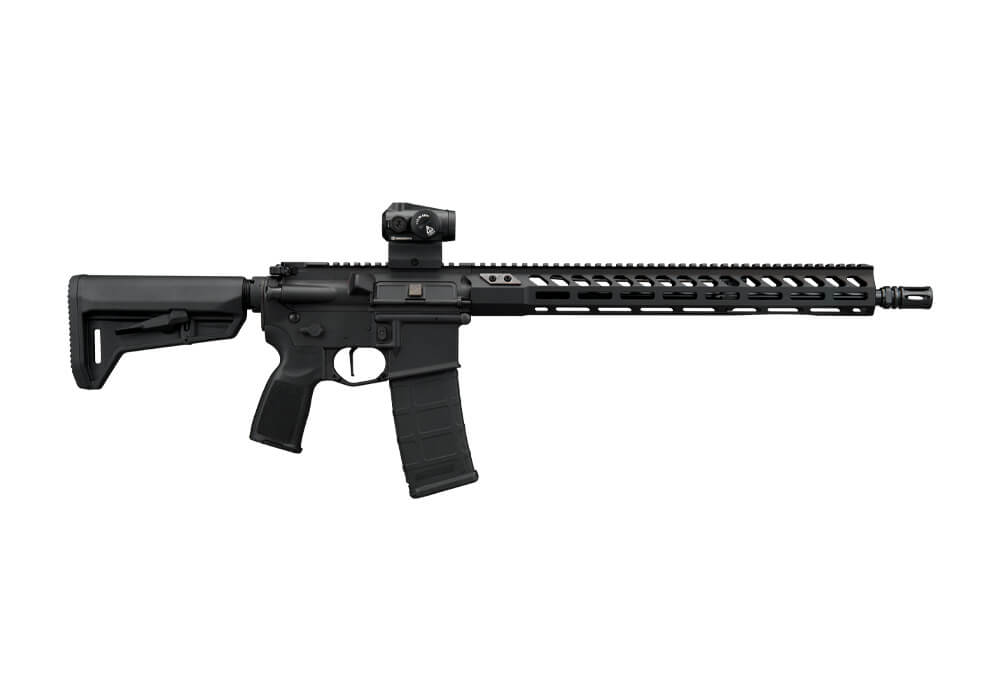
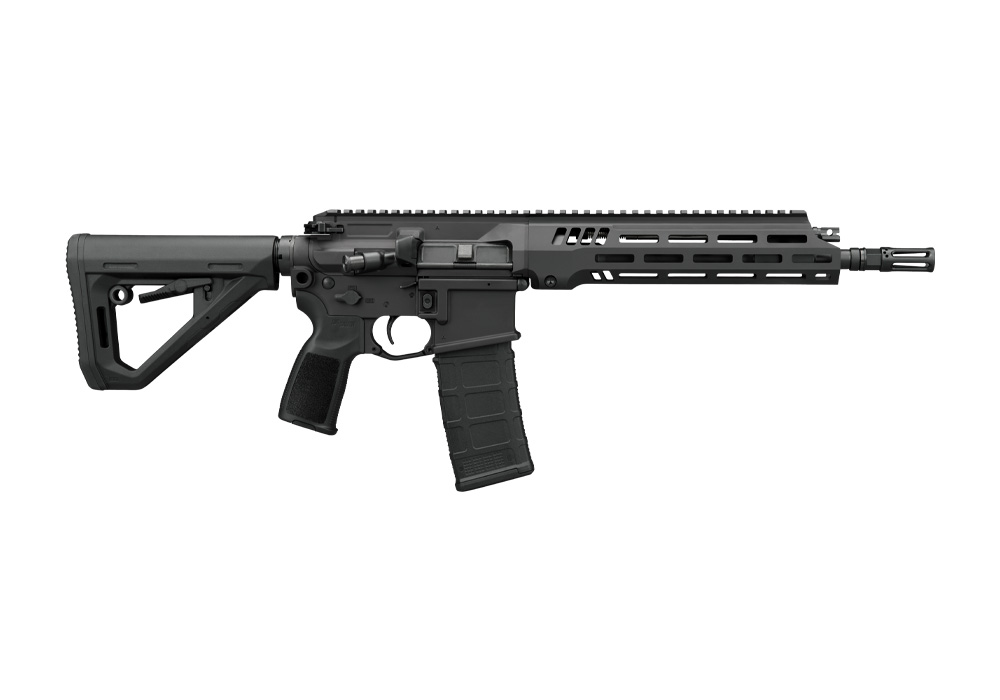
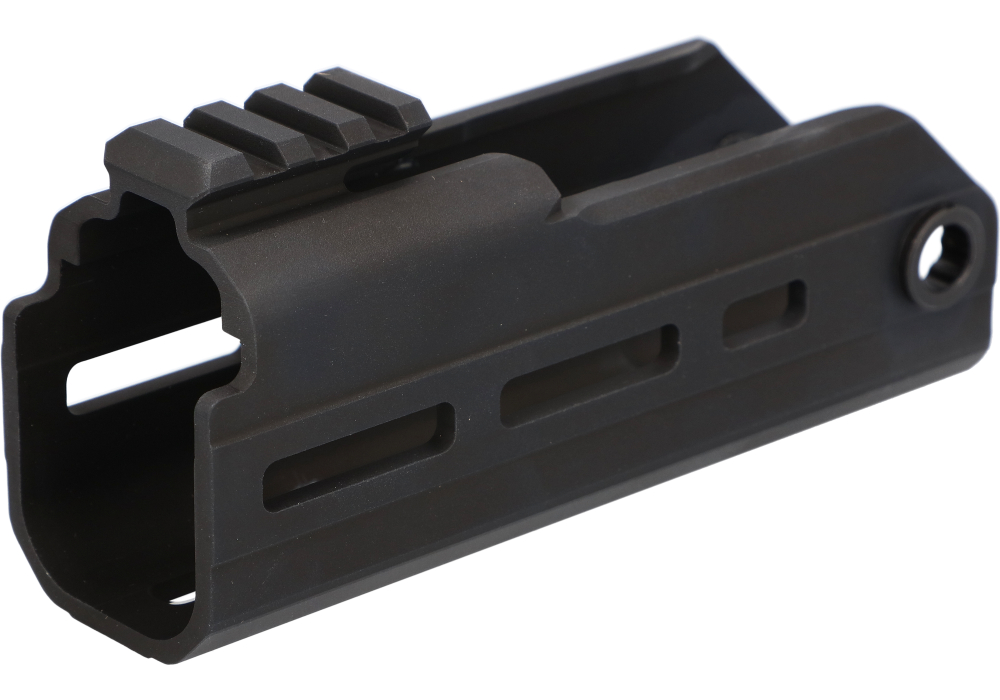
Black free float handguards combine a clean, purposeful appearance with practical support for modern rifle setups. Unlike a two-piece or receiver-mounted handguard that may contact the barrel, a free float design attaches to the upper receiver through its barrel nut, leaving the barrel suspended without direct pressure from the handguard. That separation can help maintain a more consistent point of impact when the rifle is supported against a barricade, fitted with a bipod, or held firmly during longer strings of fire. It does not replace sound fundamentals, quality ammunition, or proper maintenance, but it can provide a stable foundation for a carefully assembled rifle. The black finish is a popular choice for its understated appearance and its ability to coordinate naturally with a wide range of receivers, stocks, grips, sights, optics, and accessories. Many models are formed from aluminum, which offers a useful balance of strength and manageable weight while helping spread heat during repeated firing. Slim profiles can make it easier to wrap the support hand around the rifle, while a more substantial profile may offer additional rigidity and a broader surface for support. These details are noticeable in ordinary use: a well-fitted handguard should feel secure when the rifle is shouldered, remain free of unwanted movement, and provide enough room to place the support hand where it feels natural rather than forcing an awkward grip. A black free float handguard may be a practical upgrade for a rifle used at the range, during training, for competition, or as part of a carefully planned home-defense configuration where lawful and appropriate. It can also be a thoughtful gift for an experienced shooter who enjoys refining a favorite platform, provided the buyer knows the exact rifle configuration and understands that fitment is not universal.
Before selecting a black free float handguard, begin with the rifle rather than the finish or overall appearance. Confirm the receiver pattern, barrel length, gas system length, barrel profile, muzzle device, and the dimensions of the existing barrel nut area. The handguard must clear the gas block and gas tube, and its length should leave enough space around the muzzle device while providing the desired amount of barrel coverage. A model that ends too close to the muzzle may offer limited support and accessory space, while one that extends too far can interfere with the muzzle device or create clearance problems. Manufacturer specifications should be checked carefully, especially when replacing an existing handguard, because barrel nuts, alignment methods, mounting hardware, and installation procedures vary. Attachment preference is another important consideration. M-LOK slots provide a low-profile way to mount compatible lights, sling points, hand stops, bipod adapters, and other accessories directly where they are needed, without requiring a continuous rail along every surface. A traditional quad-rail arrangement may appeal to users who want extensive rail space or prefer a more pronounced gripping surface, though it can add bulk and weight. Some shooters use a short hand stop and light near the front, keeping the rest of the support side smooth; others arrange a vertical grip, laser-compatible equipment, or sling hardware around a specific training or duty setup. Accessory placement should preserve a comfortable grip, avoid obstructing the gas system, and keep controls easy to reach. Weight matters as well. A lighter handguard may be appreciated during movement, field practice, or extended range sessions, while a rigid design can be valuable for shooters who regularly use supported positions. Finish quality, edge treatment, ventilation, and the security of the mounting system all contribute to day-to-day satisfaction. For additional options organized around the M-LOK interface, explore Free Float MLok Handguards.
Installation deserves the same attention as selection. Removing the original handguard, replacing the barrel nut, aligning the new rail, and confirming gas-block clearance can require specialized tools, accurate torque values, and a careful understanding of the rifle’s assembly. A handguard that appears tight but is incorrectly aligned can affect accessory placement, sight alignment, or safe operation. When the setup is unfamiliar, professional installation by a qualified gunsmith is a sensible choice. After installation, inspect the mounting hardware, confirm that the handguard does not contact the barrel or gas system, and verify that the bolt locks and cycles properly before live fire. At the range, begin with a function check and a few deliberate shots, then inspect the handguard and attachments for movement or unusual heat transfer. Aluminum can become hot during rapid fire, so gloves, heat-resistant barriers, and sensible handling practices may be appropriate; always follow the firearm and accessory manufacturers’ instructions. Keep the rifle pointed in a safe direction, use suitable eye and ear protection, and observe all federal, state, and local laws governing firearm configuration and accessories. During the cooler months, a black free float handguard can be especially comfortable to pair with gloves and layered outdoor gear, but fit and control should remain the priority in every season. Whether the goal is a streamlined range rifle, a training setup with carefully placed accessories, or a durable foundation for a personalized build, the best choice is the one that matches the barrel and gas system, supports the intended shooting position, and allows every mounted component to work together without unnecessary weight or interference.