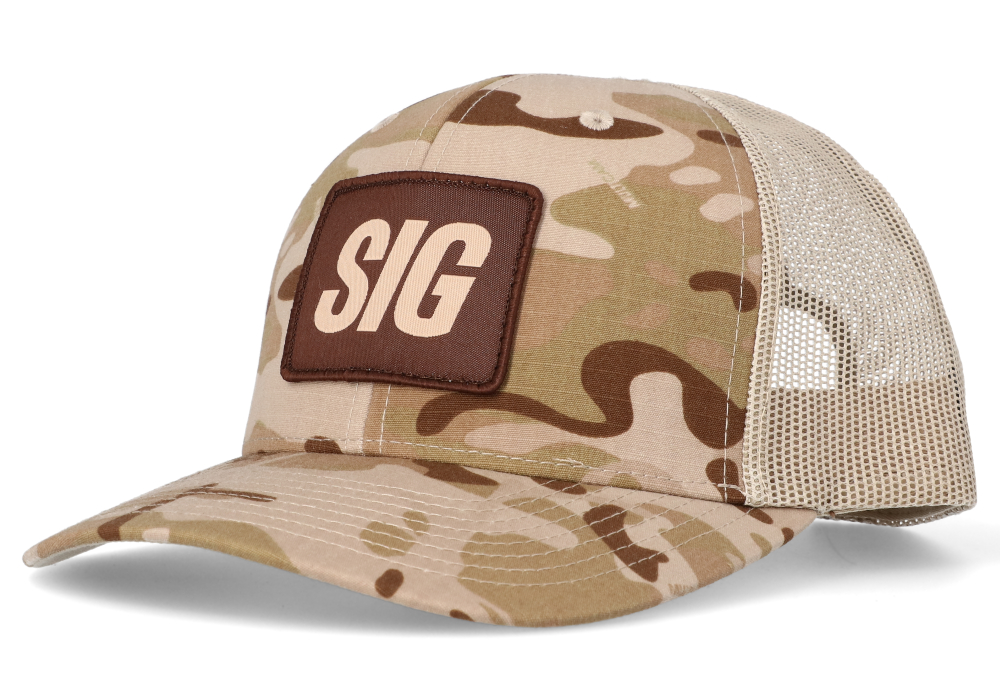
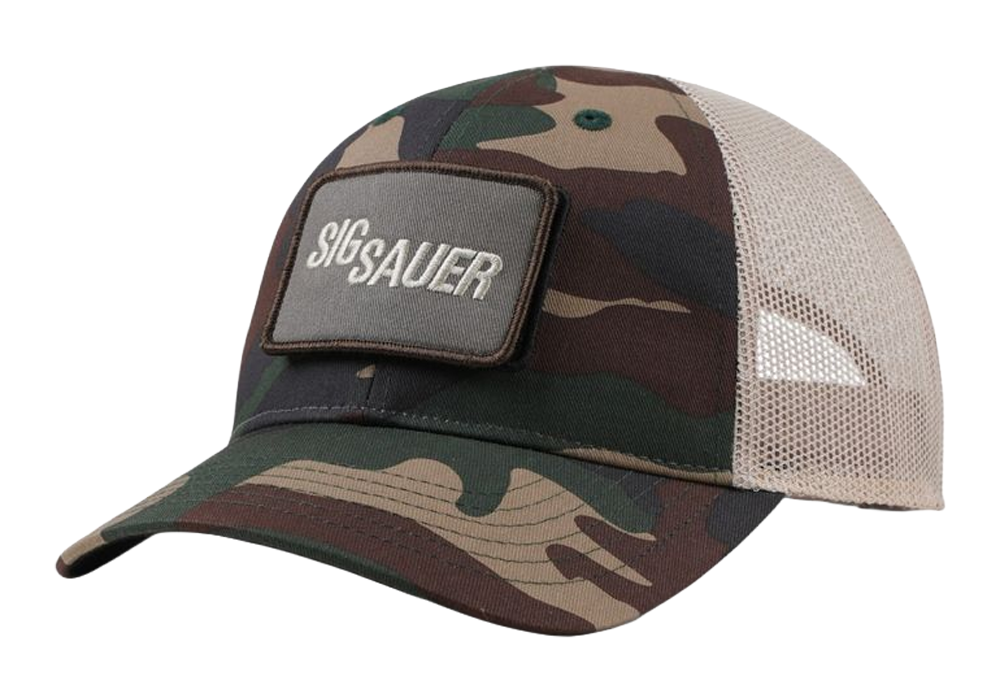
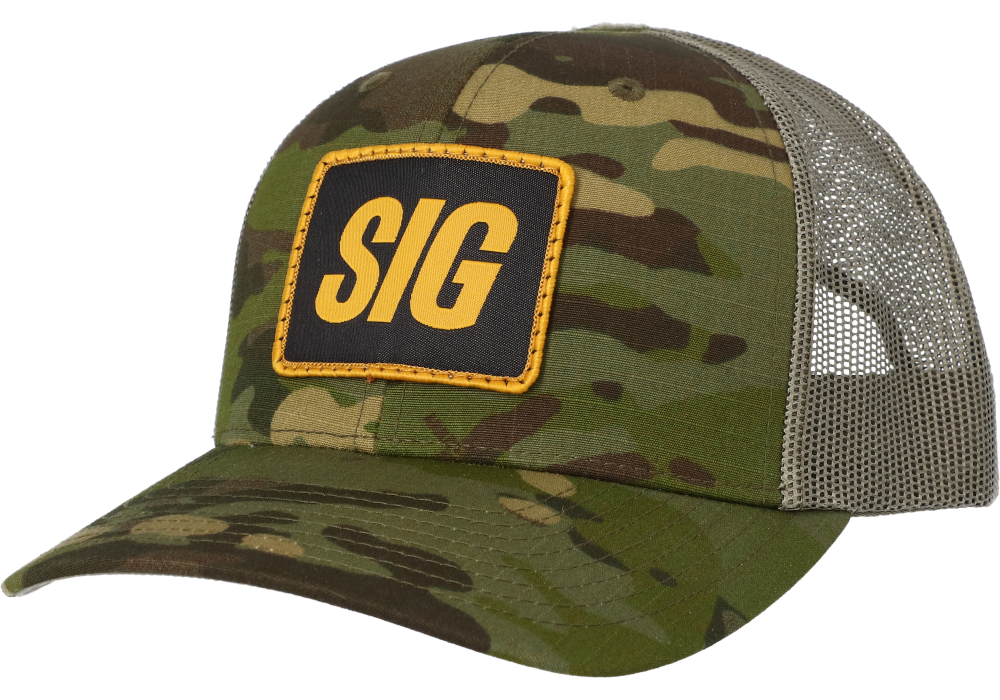
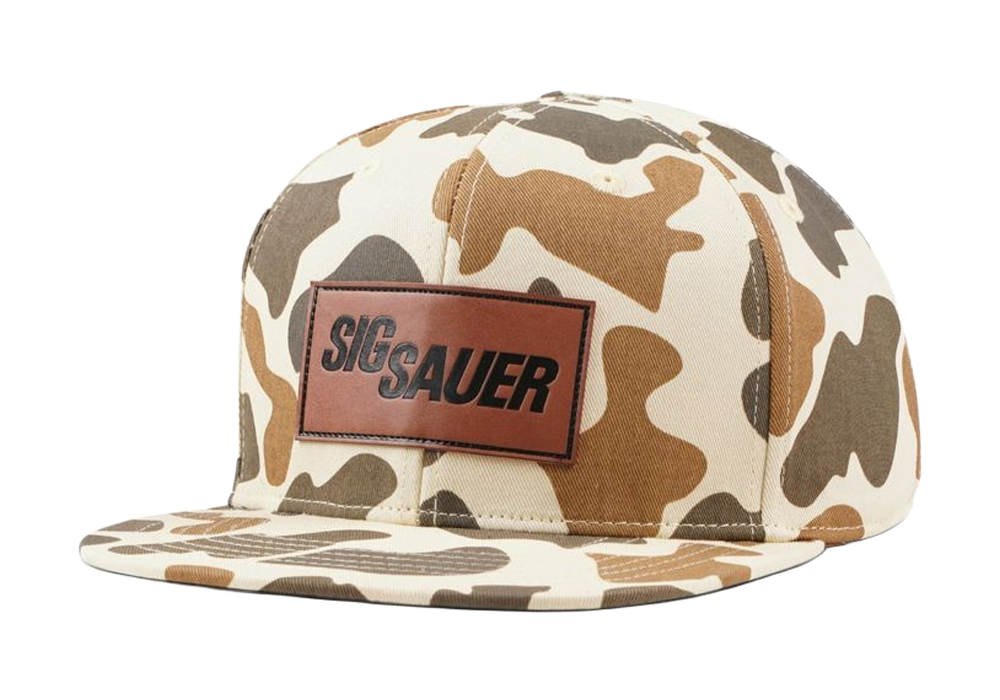
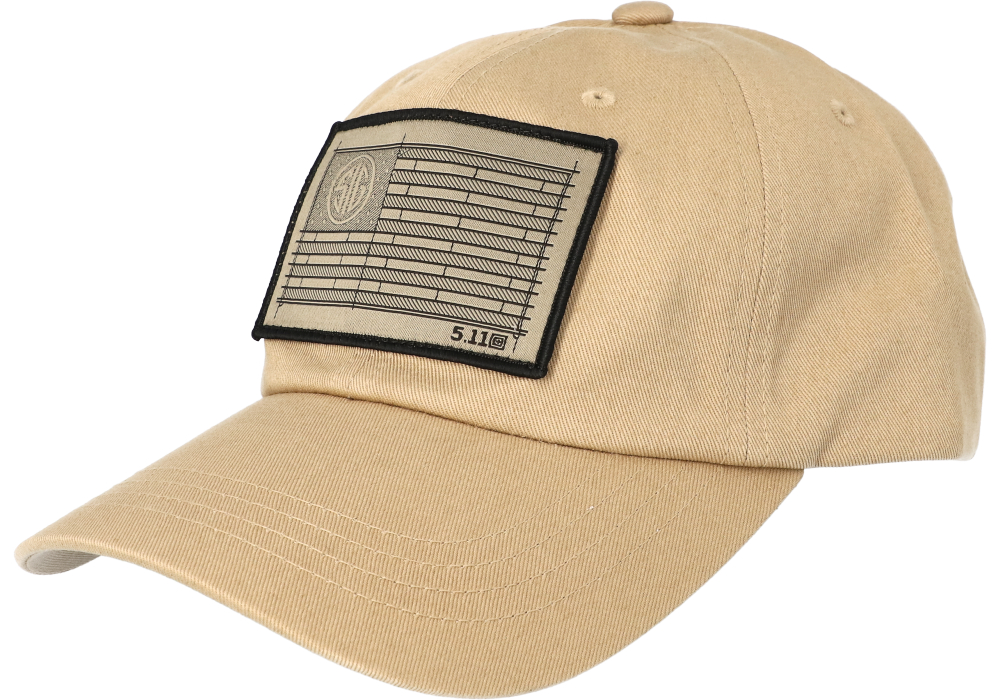
Camo hats for Labor Day bring an outdoors-inspired look to a holiday built around taking a break, gathering with friends, and enjoying time away from the usual routine. Camouflage headwear fits naturally into a backyard cookout, a campground breakfast, or a long afternoon spent between the grill and a lawn chair. Its appeal goes beyond the pattern: a comfortable crown, a practical brim, and an adjustable fit can turn a casual accessory into something that earns a place beside the keys long after the holiday. Woodland-inspired greens and browns pair easily with denim, canvas pants, and solid-colored shirts, while muted gray or earth-tone patterns offer a quieter take on the same look. Larger patches of contrasting color give a hat a bolder presence; finer patterns tend to blend visually from a distance. Neither approach needs a matching camouflage outfit. A patterned cap often works best as the single textured detail against simple clothing, whether that means a plain tee for a picnic or a work shirt for an afternoon project. Shape matters just as much as color. A structured crown holds a defined profile, while an unstructured crown has a softer feel and follows the contours of the head more closely. A curved brim can help shade the eyes during outdoor gatherings, though a cap does not replace sunscreen or broader sun protection for exposed ears and the neck. For a Labor Day weekend that includes packing the car, walking a trail, and sitting down with family, versatility comes from a hat that feels appropriate through all three. Camouflage is also a visual style, not a promise of concealment or specialized outdoor performance. For everyday wear, the more useful details are often the ones noticed after several hours: whether the forehead band feels smooth, whether the crown stays comfortable, and whether the brim keeps its shape without getting in the way.
Fabric and construction help determine how a camo hat feels throughout a full day. Cotton generally offers a soft hand and absorbs moisture, while polyester often dries more quickly; blends balance these qualities according to their fiber content and weave. Fabric weight matters, too. A substantial woven crown can feel more substantial and hold its profile, while a lighter construction may feel less bulky during active wear. Mesh panels allow air to move through the back or sides of a cap, a useful detail for a holiday afternoon spent tending food outdoors or carrying gear to a picnic spot. For a closer look at that breathable construction, Mesh Hats for Labor Day offers a related headwear theme. Solid fabric panels provide more coverage, so the choice between mesh and a fully woven crown depends on personal comfort and intended use rather than appearance alone. Fit deserves the same attention. An adjustable closure can accommodate small changes in hairstyle or preferred tightness, but the adjustment range does not tell the whole story. Crown depth influences where the hat rests above the ears, and the shape of the front panels affects how closely it sits against the forehead. A secure fit should stay in place when leaning over a cooler or looking down to tie a shoe without leaving an uncomfortable pressure line. For anyone who wears sunglasses, brim shape and crown position can affect whether the cap pushes against the frames. A low-profile design may suit someone who prefers a close-fitting silhouette, while a taller crown creates more room above the head. Closure design also affects daylong comfort: a buckle, strap, or snap can feel different against a vehicle headrest or when worn over longer hair. Smooth inner seams, neatly finished edges, and an even sweatband are worth attention because these small contact points often determine whether a hat remains comfortable through a full gathering or ends up on the table before lunch.
Durability in everyday headwear comes from construction and care working together. Even stitching, firmly attached adjustment hardware, and well-finished panel seams help a cap stand up to repeated handling, but no construction benefits from being crushed beneath a loaded bag or left damp in a closed vehicle. A little room in a weekend tote helps preserve the crown and brim, especially on structured styles. After a long outdoor gathering, allowing the interior to air out before storage can help limit lingering odors. Cleaning should follow the care label because fabrics, decorative details, closures, and brim supports may respond differently to water and agitation. When the label permits spot cleaning, a soft cloth and a small amount of mild detergent can address marks along the forehead band without soaking the entire hat. Avoid aggressive scrubbing across printed camouflage or stitched details, and test any cleaning solution on an inconspicuous area first. Air-drying away from direct heat is generally gentler than trying to speed the process with a heater or dryer, though the label remains the best reference for the particular construction. These habits are especially helpful for a cap that moves between yard chores, weekend errands, and holiday outings. Camo hats can also be thoughtful Labor Day gifts for a host, a hiking companion, or someone who prefers practical accessories to decorative keepsakes. The strongest gift choices reflect the recipient’s habits: a familiar crown shape, an easy-to-adjust closure, and colors that work with clothing already in regular rotation. Someone who spends hours at a grill may appreciate ventilation and an easy-care fabric, while a frequent traveler may prefer a softer crown that packs with less fuss. An adjustable fit can reduce sizing uncertainty, but checking measurements still matters when possible. For personal wear or gifting, the lasting appeal of a camo hat is straightforward: a recognizable outdoor pattern paired with comfort, useful coverage, and a shape that feels natural enough to reach for beyond Labor Day.