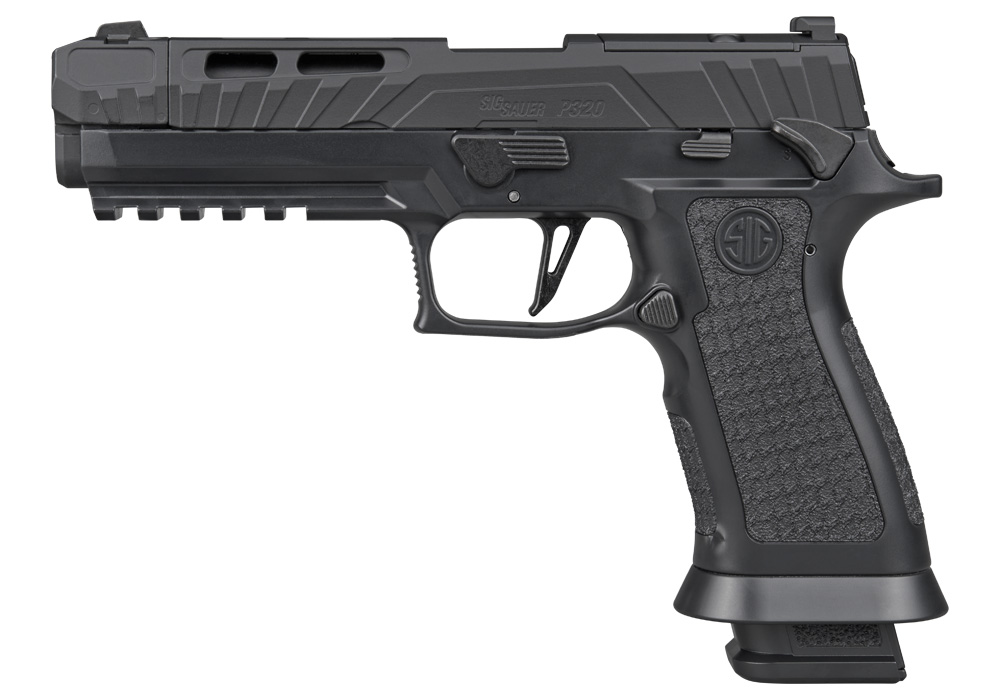
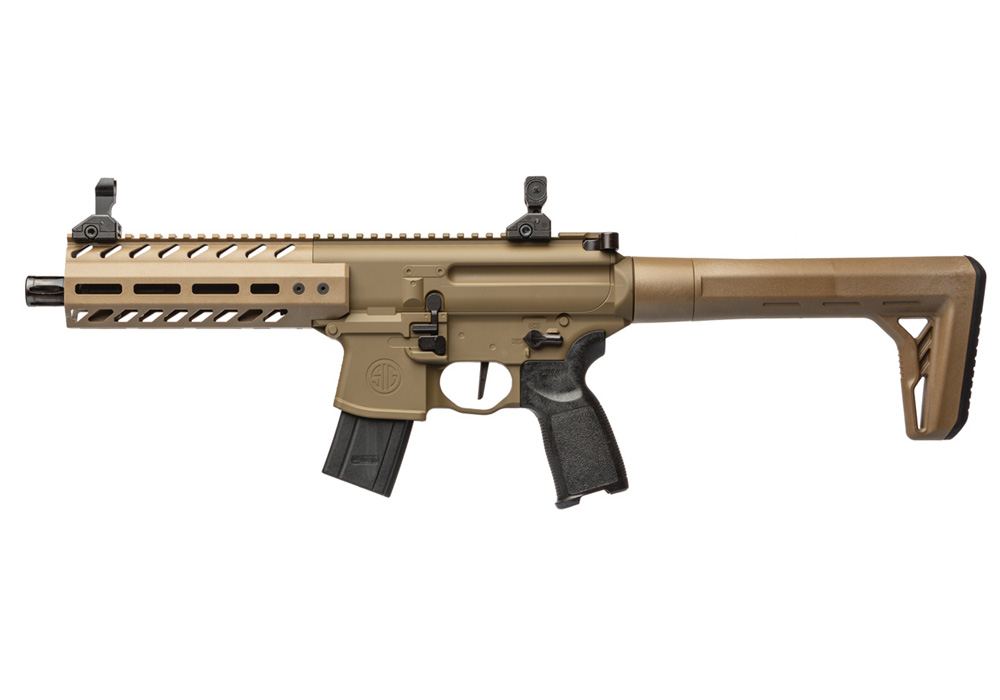
CO2 pellet guns offer an accessible way to enjoy target shooting, backyard plinking, and realistic airgun practice without the setup associated with traditional firearms. These guns use compressed carbon dioxide, typically supplied by a disposable 12-gram cartridge, to propel a pellet through the barrel. When the trigger is pressed, a valve releases a measured burst of gas, and the expanding CO2 drives the projectile forward. This system gives shooters a convenient alternative to spring-powered airguns because there is no need to cock the action before every shot on many designs, and it can provide a smooth, repeatable shooting experience for informal practice. Available configurations include single-shot pistols, multi-shot pistols, rifles, semi-automatic actions, and blowback models that add visible slide or bolt movement for a more realistic feel. Some are built around pellet-only use, while others are designed for both pellets and BBs, so checking the manufacturer’s specifications before purchasing is important. CO2 pellet guns are often chosen by new shooters learning basic sight alignment and trigger control, experienced enthusiasts who enjoy casual plinking, and families looking for an engaging outdoor activity when a suitable, lawful shooting area is available. They can also make thoughtful gifts for adults and responsible older teens who appreciate mechanical design, marksmanship, or hands-on recreation. A few cans, paper targets, or a dedicated airgun target can turn a quiet afternoon into a satisfying session, with the soft snap of each shot and the gradual improvement of group size providing a clear sense of progress. For simple recreational use, explore CO2 Air Pistols for Plinking Cans alongside other CO2-powered options suited to casual target work.
Choosing the right CO2 pellet gun begins with matching the design to the way it will be used. Pistols are compact, easy to store, and especially well suited to short-range paper targets, knockdown targets, and plinking cans. Rifles generally provide a longer sight radius and a steadier shoulder-fired platform, which can be helpful for deliberate target practice at an appropriate range. For many general-purpose airgun applications, .177 caliber is a popular choice because pellets are widely available and the lighter projectile can produce a flatter trajectory at typical recreational distances. .22 caliber options may appeal to shooters who prefer a heavier pellet and a different balance of impact and velocity. Neither choice is automatically right for every situation; the barrel’s intended ammunition, the gun’s power, and the type of target practice matter more than caliber alone. Buyers should also compare the action type, grip and stock comfort, sight system, trigger feel, safety features, magazine or loading arrangement, and whether the design accepts standard or extended capacity magazines. Blowback actions can add a convincing shooting feel, while non-blowback designs may place more of the available CO2 toward propelling the pellet. A semi-automatic action can make informal practice lively and convenient, while a single-shot design encourages a slower rhythm and careful attention to every shot. It is also worth confirming cartridge access, pellet compatibility, replacement magazine availability, and storage requirements before settling on a particular configuration. CO2 pressure is affected by temperature, and colder conditions can reduce velocity and shot consistency, so performance may vary during cooler months. Keeping cartridges and the airgun at a moderate temperature, avoiding unnecessary rapid fire, and allowing the system to settle between strings can help maintain more consistent results. A small amount of airgun-approved pellet or seal oil applied as directed to the cartridge tip can support seal care; household oils and unapproved lubricants should be avoided because they may damage internal components.
Responsible use is central to getting the most from any CO2 pellet gun. These products should always be handled with the same basic discipline applied to any projectile-firing device: keep the muzzle pointed in a safe direction, keep fingers outside the trigger guard until ready to fire, treat every gun as though it is loaded, and use an appropriate backstop that can safely stop pellets without allowing ricochets or pass-throughs. Eye protection is strongly recommended, and hearing protection may be appropriate depending on the setting and the shooter’s preference. A backyard is only suitable when local laws, property boundaries, neighbors, and the surrounding environment all permit airgun use; otherwise, an established range or designated shooting area is the better choice. Store the gun unloaded, separate from CO2 cartridges and ammunition, and secured from children or anyone who has not been trained to handle it. CO2 pellet guns are not toys, even when selected for casual plinking, and realistic replica styling should never be used in public spaces or displayed where it could be mistaken for a firearm. Before giving one as a gift, consider the recipient’s age, experience, available shooting area, and interest in learning safe handling. During the cooler seasons, these guns can provide a rewarding way to maintain marksmanship habits indoors where permitted or outdoors on milder days, while warmer weather invites longer sessions and relaxed informal competition. With the right caliber, action, sight arrangement, and accessories, a CO2 pellet gun can become a dependable part of a target-shooting routine—whether the goal is tightening groups, practicing fundamentals, enjoying the tactile appeal of a realistic airgun, or spending time with friends and family in a controlled, responsible setting.