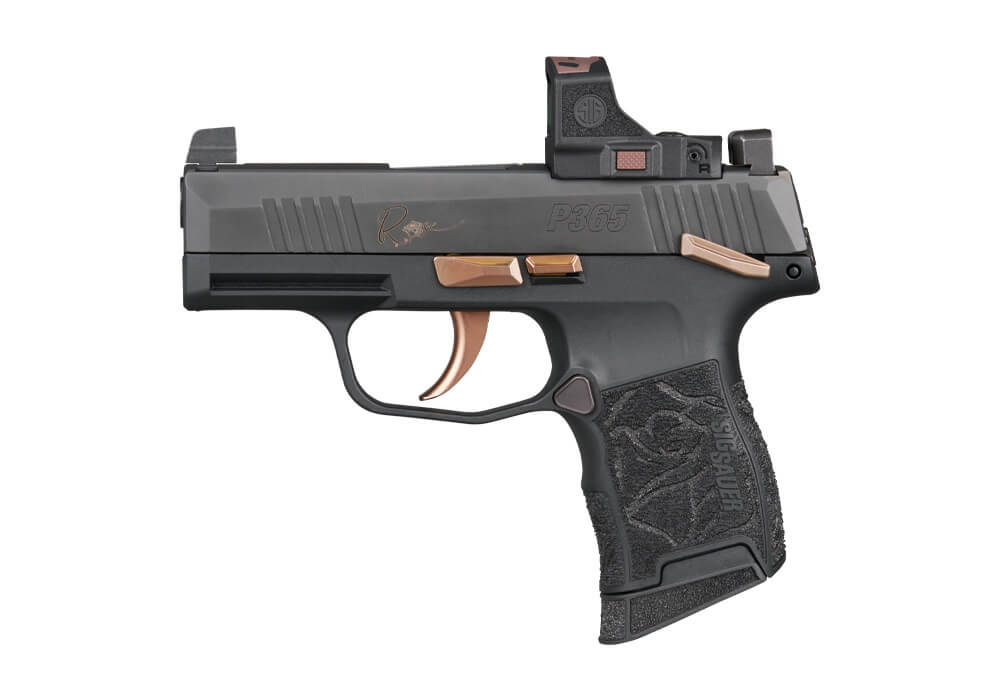
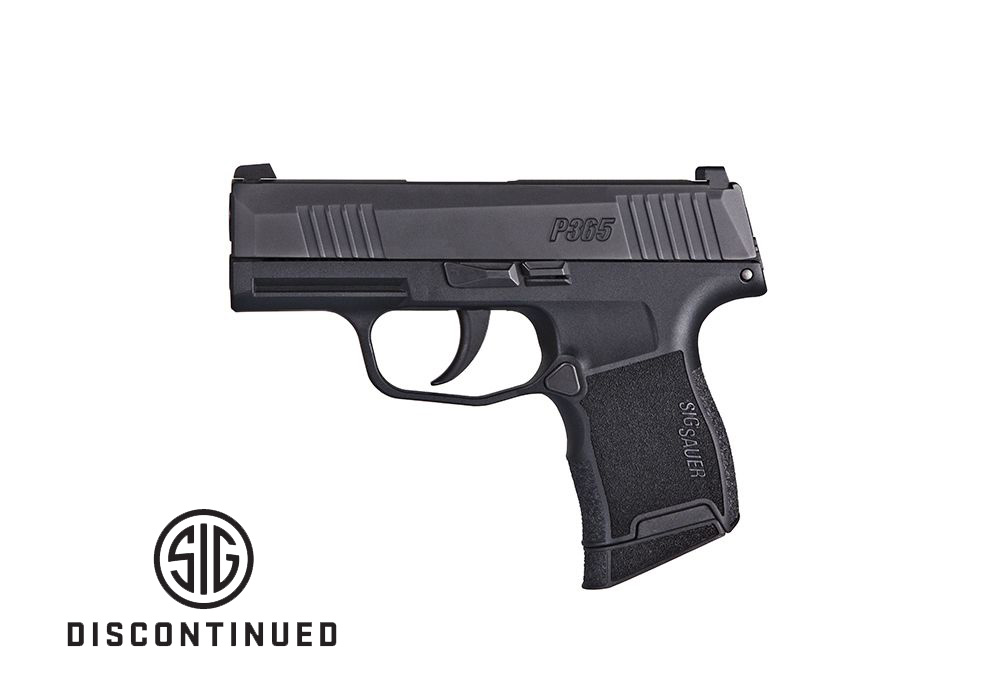
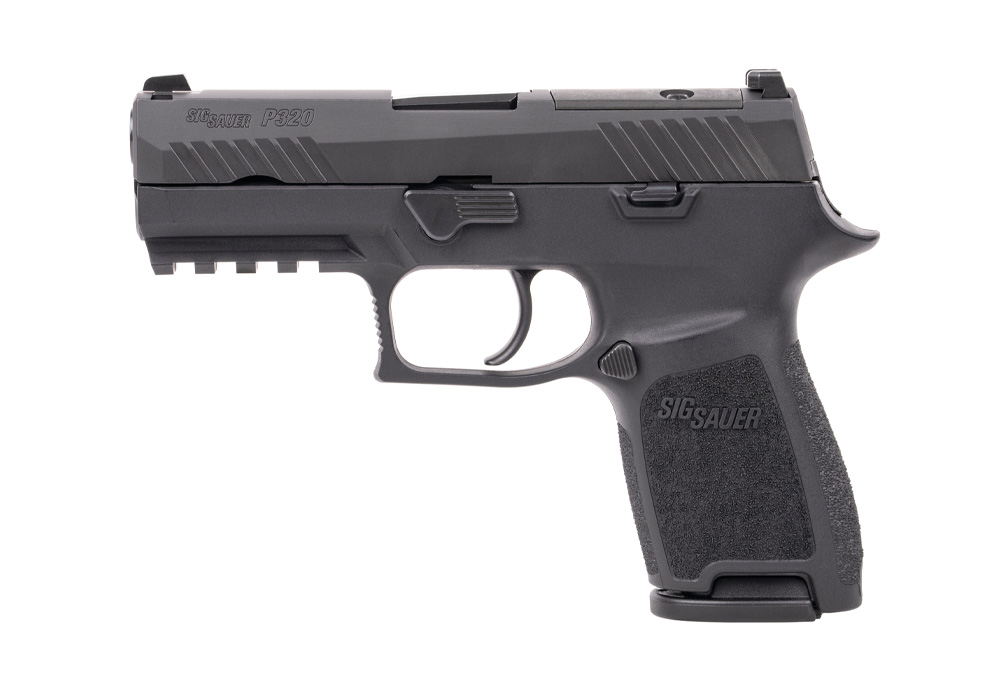
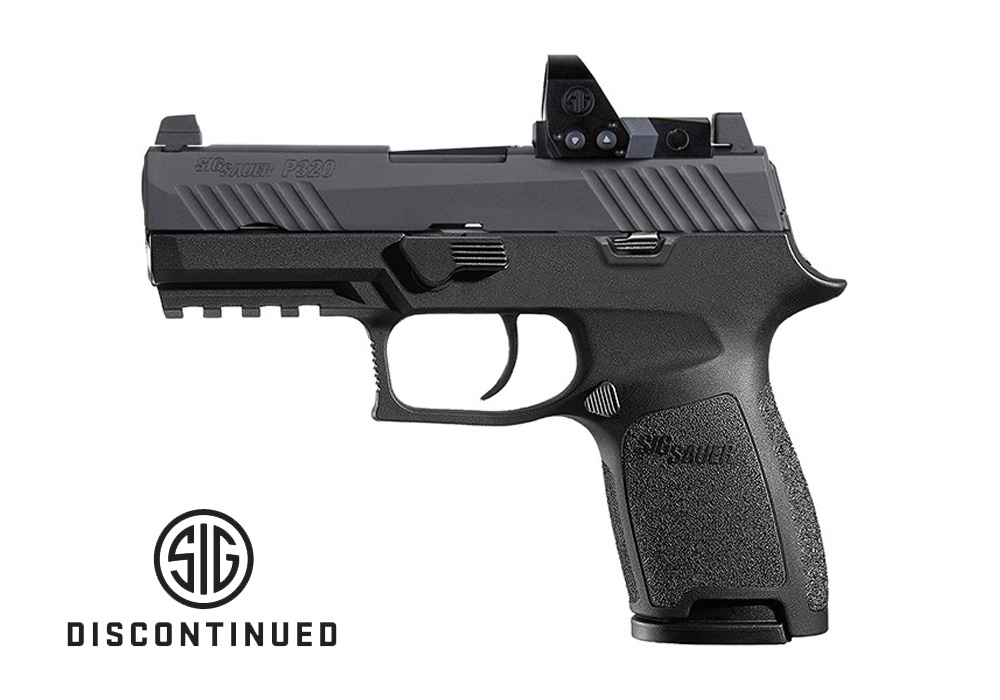
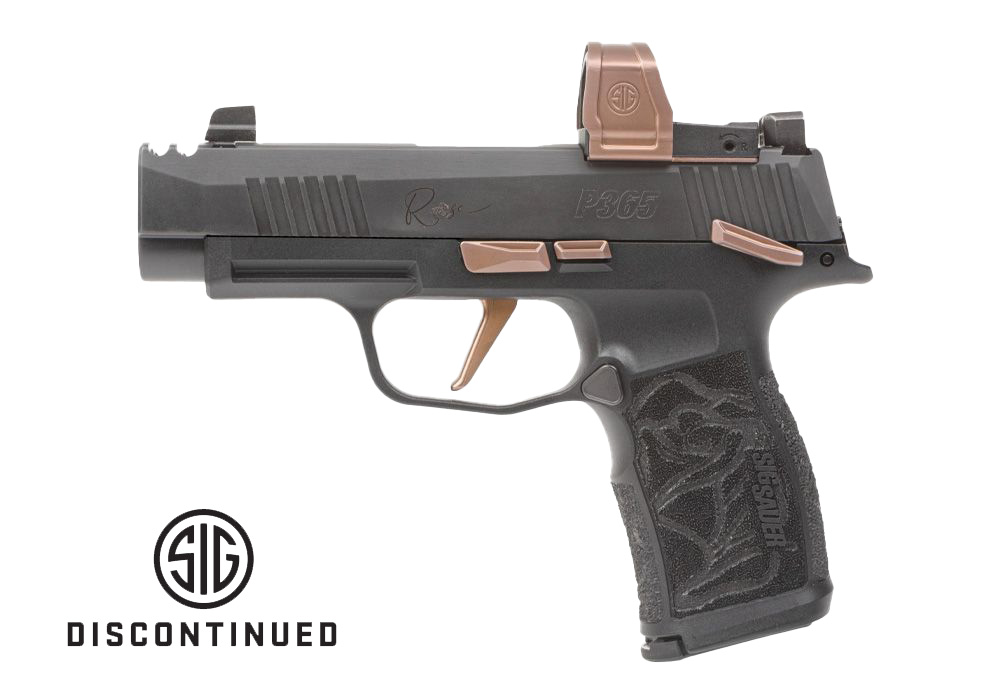
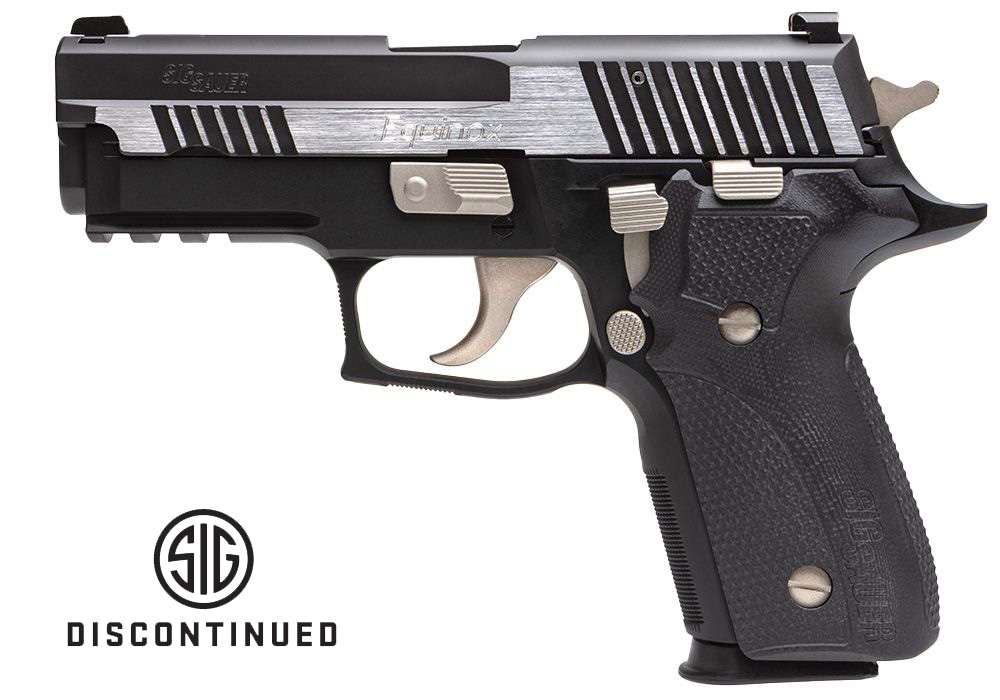
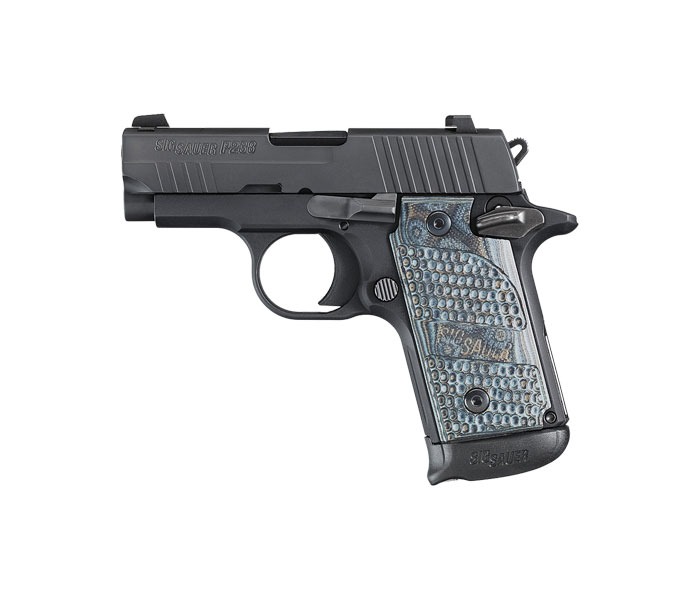
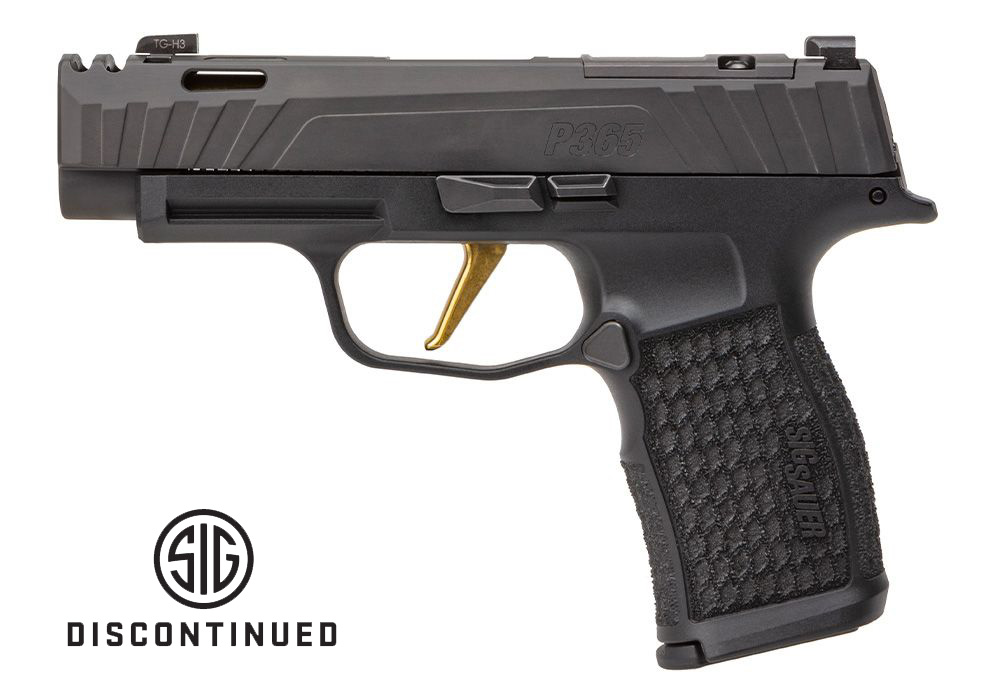
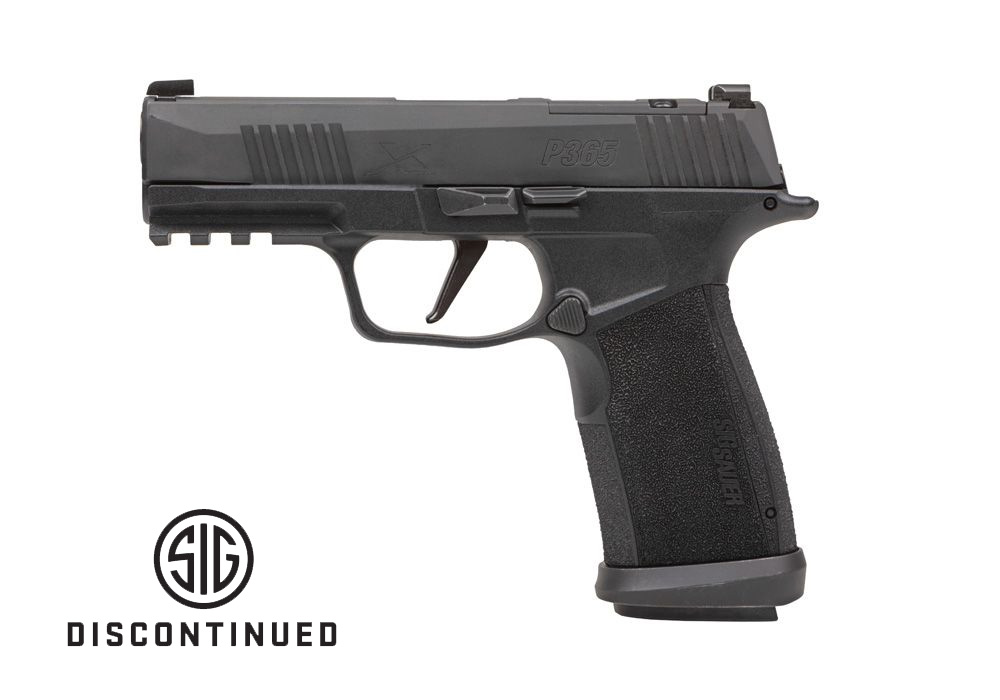
Compact pistol gifts for women are most meaningful when they reflect the recipient’s experience, preferences, and intended use rather than assumptions about what a woman should carry. A compact pistol can offer a practical balance between a smaller overall footprint and enough grip area for comfortable handling, but size alone does not determine suitability. Someone who spends time at an indoor range may value a clearly defined sight picture and a grip that remains comfortable throughout a practice session. A woman considering lawful personal protection may place equal importance on familiar controls, a secure storage plan, and access to qualified instruction. Experienced owners often have established preferences, while a first-time owner may benefit from trying different sizes under professional supervision before a gift is selected. Hand shape, finger length, and wrist comfort vary from person to person; a petite frame does not automatically call for the smallest pistol, and larger hands do not rule out a compact design. Grip circumference, texture, trigger reach, and the position of operating controls all influence how natural a pistol feels. A surface that feels pleasantly secure during a brief inspection may feel quite different after an extended range visit, especially along the palm or near the base of the thumb. Likewise, a lighter pistol is not necessarily easier to shoot comfortably, since overall weight, dimensions, and ammunition choice affect perceived recoil. Compact and micro-compact categories also overlap, so actual measurements are more useful than a label by itself. The related selection of Micro Compact Pistols for Women offers another size category to consider without assuming that smaller always means a better fit. The strongest gift choice respects the recipient’s judgment: it fits her hands, supports her interests, and feels like something she would choose for herself. Thoughtful selection leaves room for individual preference instead of treating one design as the answer for every woman.
Materials and construction help explain how compact pistols feel in the hand and how they hold up to routine ownership. Polymer frames can reduce overall weight, while metal frames bring a different balance and feel; steel slides and protective surface treatments contribute to durability but still require regular attention. Finish color is a personal preference, not a substitute for corrosion resistance, comfortable edges, or clear manufacturer care instructions. Sweat, skin oils, lint, and residue from range use can affect surfaces over time, particularly around textured areas and small exterior recesses. Appropriate cleaning supplies and maintenance performed according to the owner’s manual support proper upkeep without relying on harsh household chemicals or improvised tools. Long-term comfort is equally practical. A pronounced grip texture may feel secure during practice yet be less comfortable against clothing or skin, while smoother surfaces can feel different when hands are damp. There is no universal answer; the right balance depends on the recipient’s routine and preferences. Sight visibility also matters in ordinary use. Clear contrast, an uncluttered view, and compatibility with prescription eyewear can be more relevant than a dramatic appearance. Any sighting accessory should be evaluated for compatibility with the exact firearm and the owner’s training rather than selected on appearance alone. For a woman who enjoys deliberate target practice, a pistol that remains comfortable over a longer session can be more satisfying than one selected solely for minimal dimensions. For someone considering lawful everyday carry, weight and secure, compatible equipment deserve attention alongside overall size. Clothing preferences, workplace restrictions, and the places where a firearm may legally be carried can all influence whether a compact design suits daily life. A pistol intended mainly for range recreation may serve a different role from one selected for personal protection, even when the two share similar dimensions. Durable construction supports long-term ownership, but it does not replace inspections, appropriate care, or attention to the manufacturer’s service recommendations.
A well-considered gift also accounts for the responsibilities that come with ownership. A birthday, anniversary, or personal milestone can be a meaningful occasion, particularly when the recipient has already expressed interest in a compact pistol. An honest conversation about preferred size, intended use, and experience can preserve the thoughtfulness of the gesture without leaving important decisions to guesswork. Personal style can certainly play a part, but a favorite finish matters less than comfortable handling and genuine interest in owning the firearm. Supporting equipment deserves the same care in selection. A holster should fit the exact firearm configuration, securely retain it, and fully cover the trigger guard. Protective eyewear, hearing protection, and an appropriate transport case can support range visits, while a suitable locking storage solution addresses a separate and essential need at home. A transport case is not automatically a substitute for secure storage. Firearms should be stored unloaded and locked, with ammunition secured separately and access restricted to authorized adults. Household circumstances matter, including children, visitors, and anyone else who should not have access. Firearm gifts also involve eligibility and transfer requirements, which can differ by jurisdiction and circumstance. Any purchase or transfer should comply with applicable federal, state, and local law, with questions directed to a licensed firearms retailer or qualified legal professional. Beyond the gift itself, access to qualified instruction helps an owner build familiarity with safe handling, storage, and range procedures. Previous experience does not eliminate the value of learning the controls and care requirements of an unfamiliar firearm. For an established enthusiast, the appeal may be a compact format that complements an existing range routine; for a newer owner, it may be a manageable introduction supported by patient instruction. Either way, the lasting value comes from a thoughtful match between the firearm, the recipient’s preferences, and the time she wants to devote to responsible ownership.