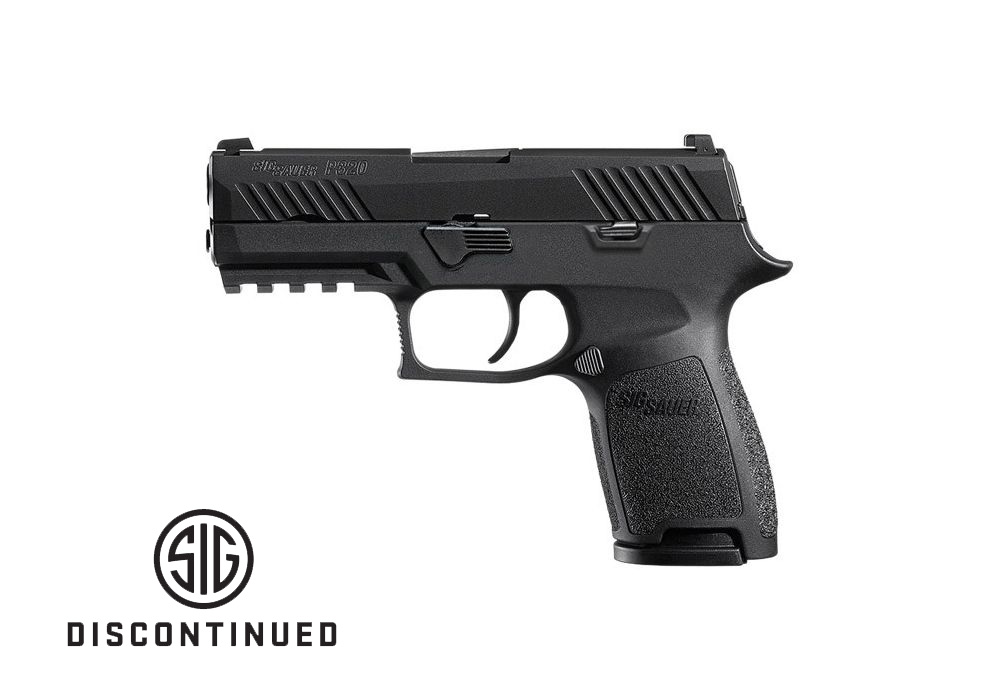
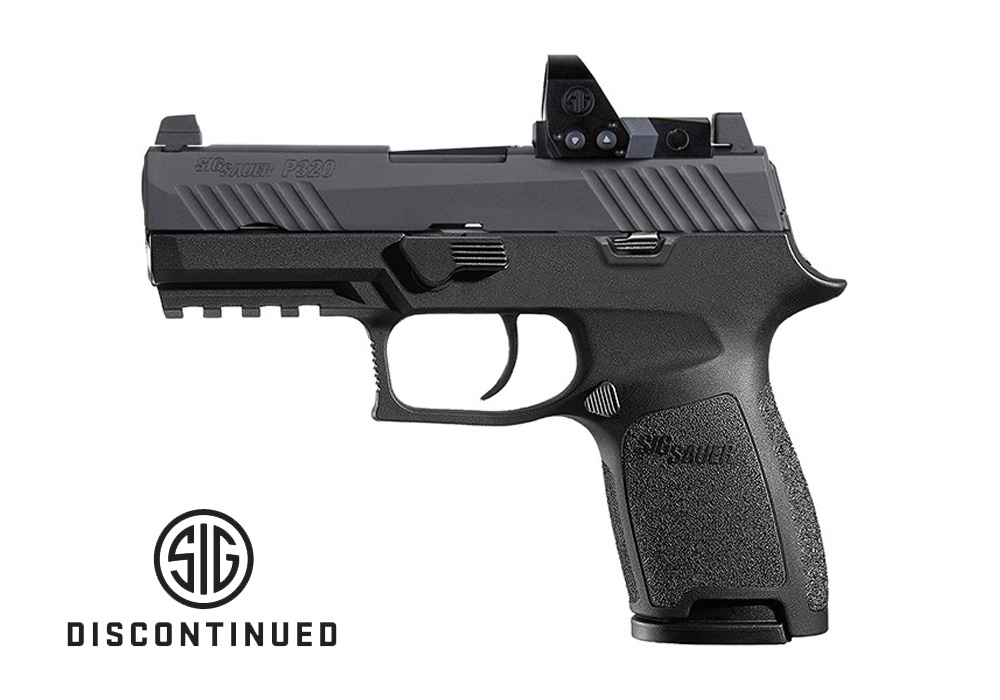
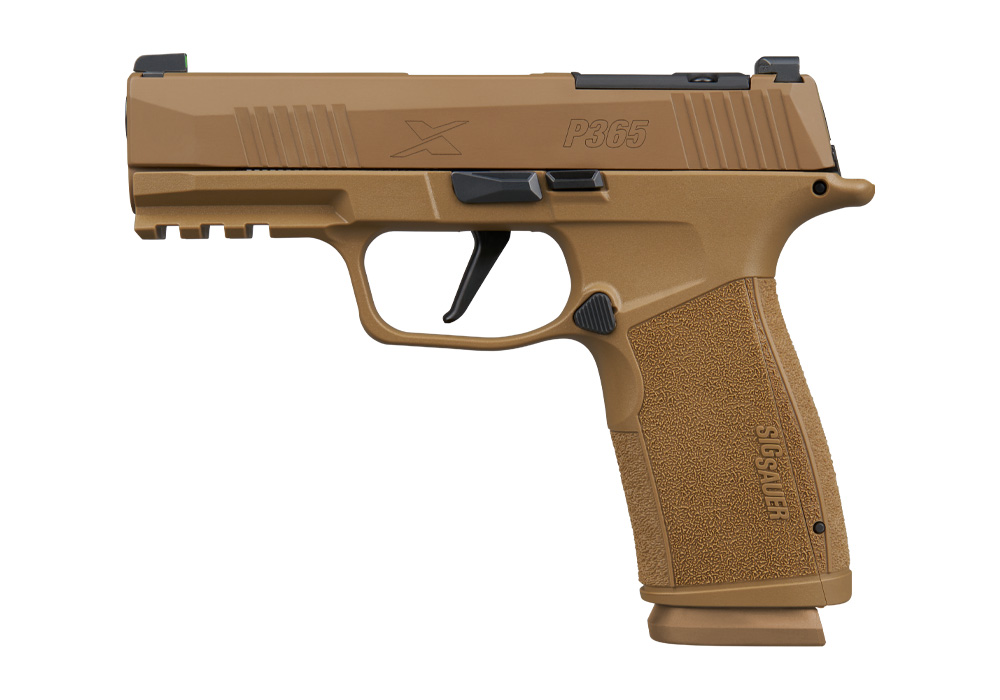
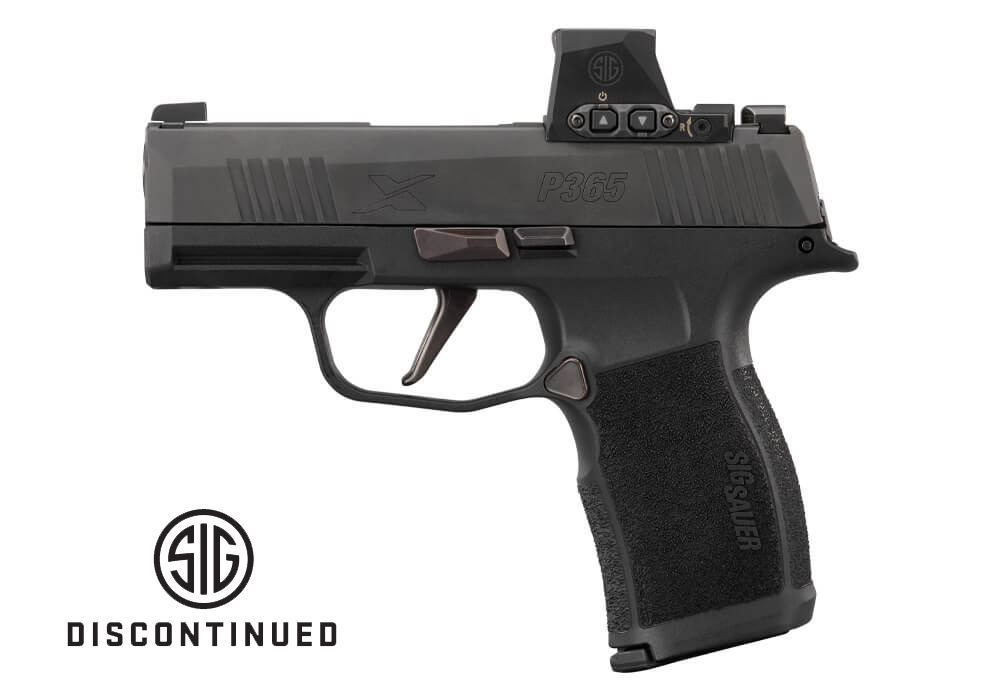
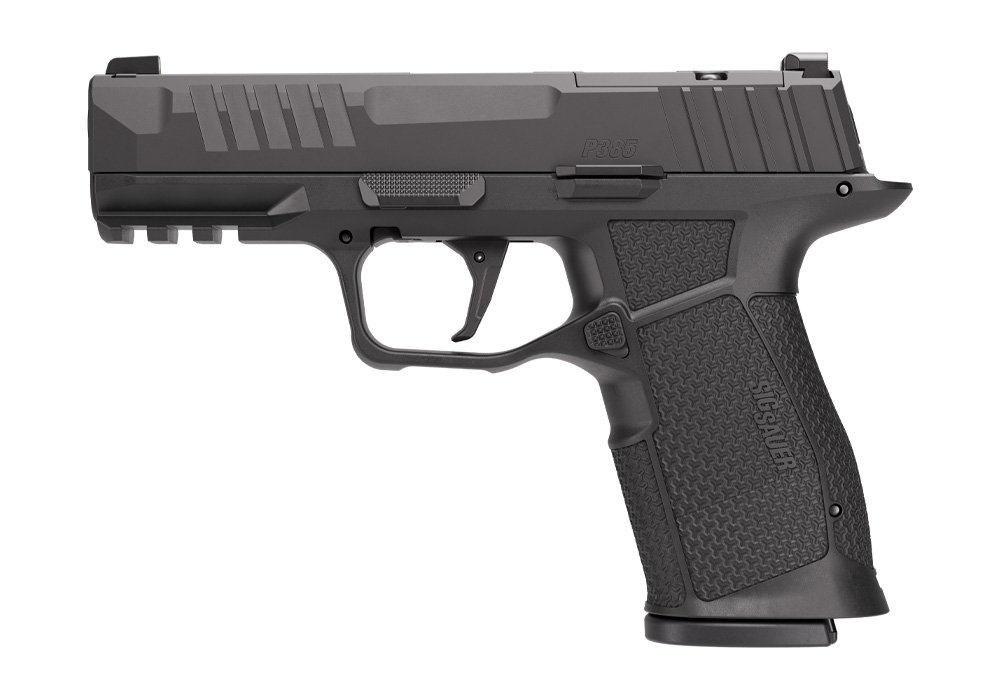
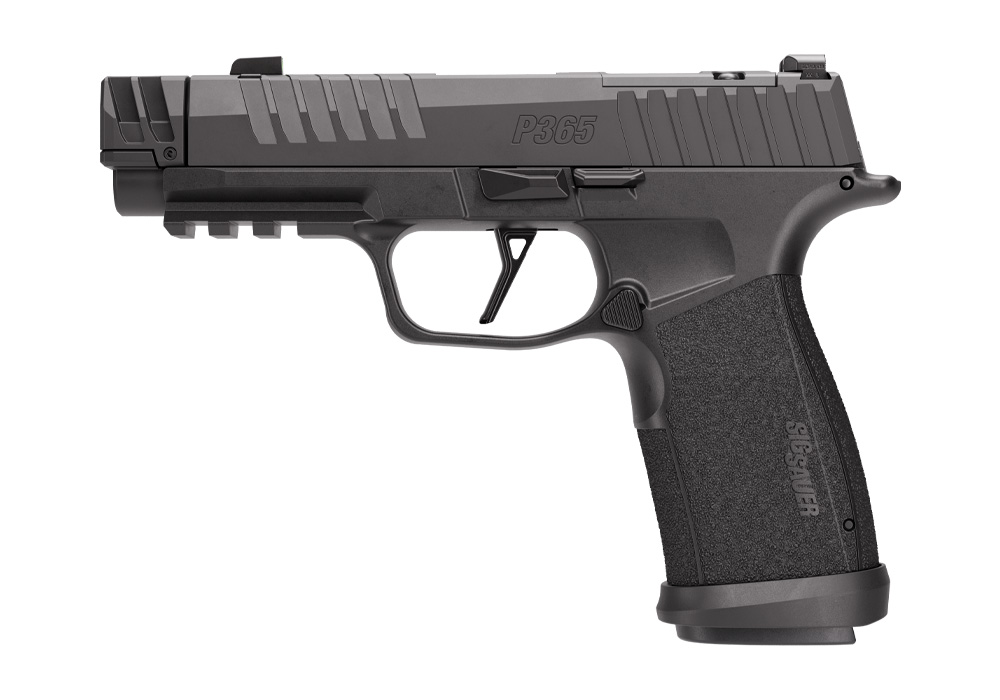
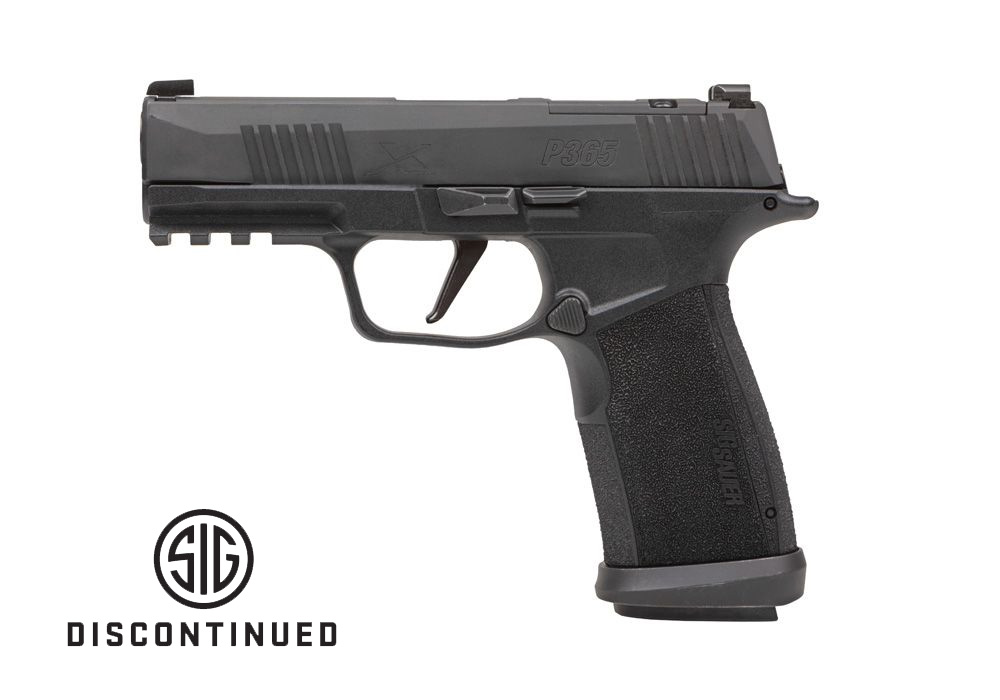
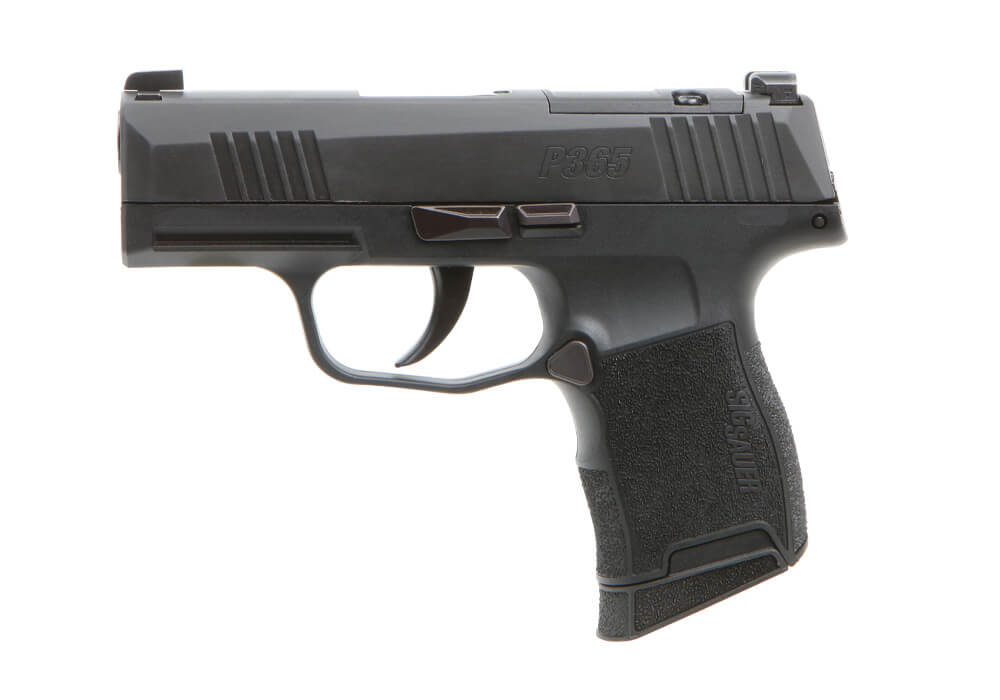
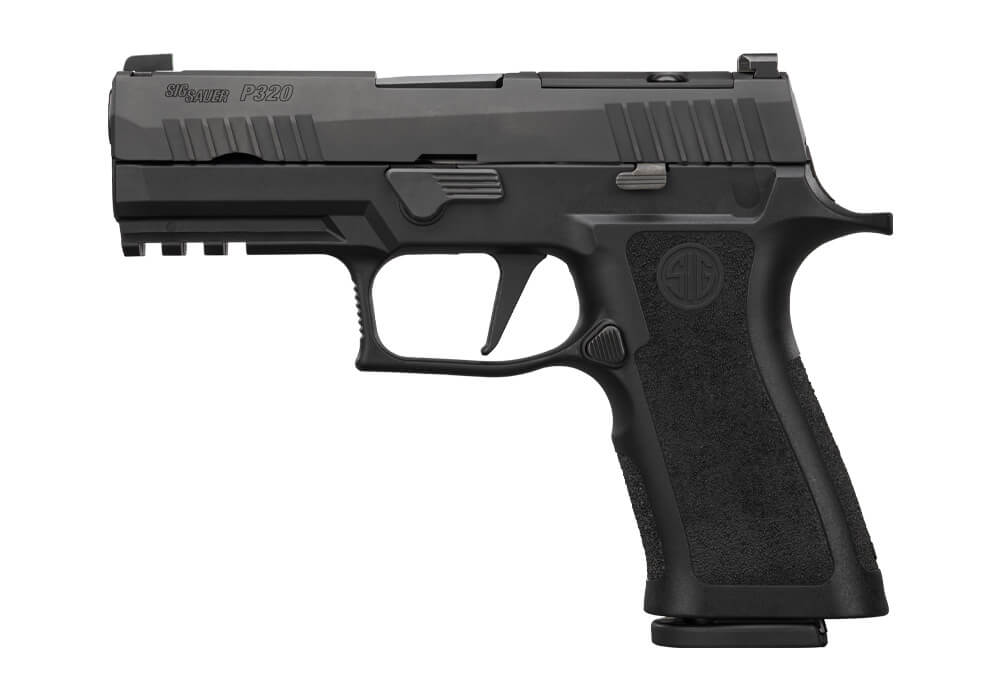
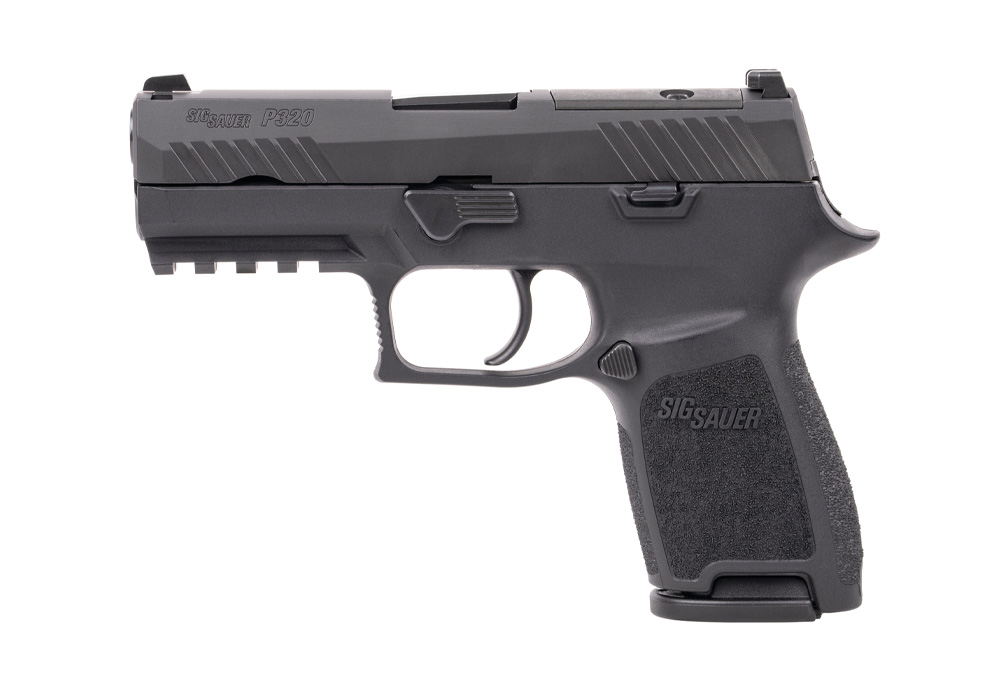
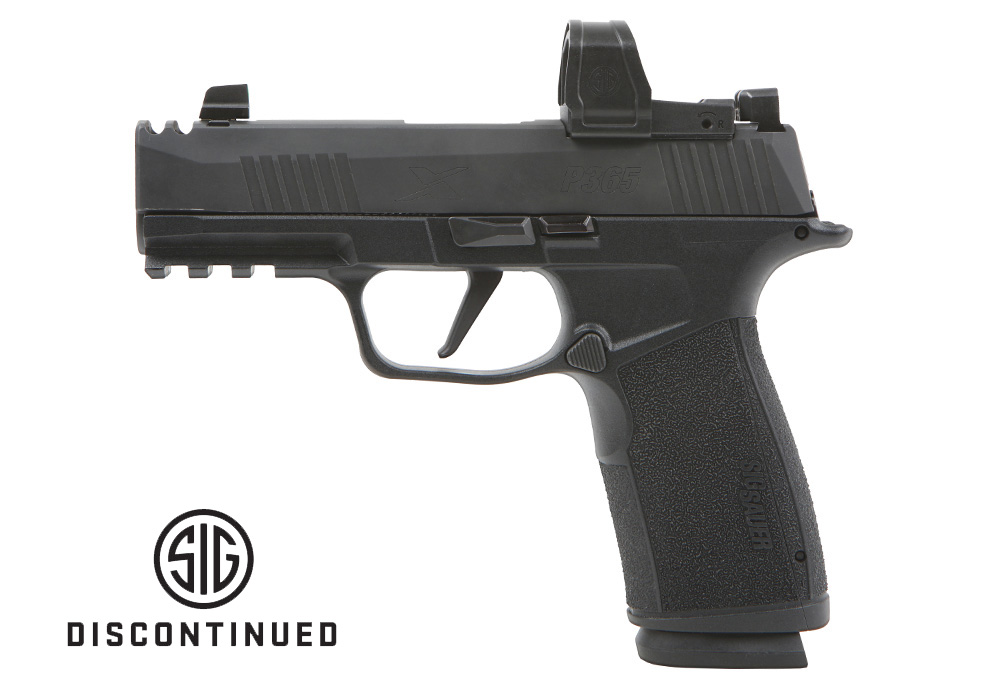
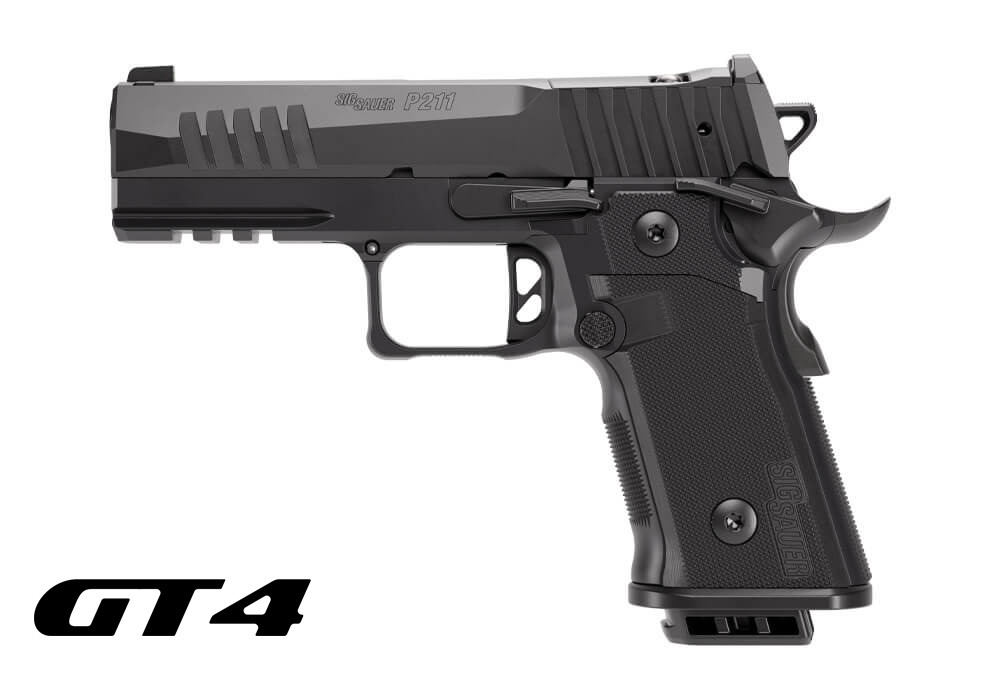
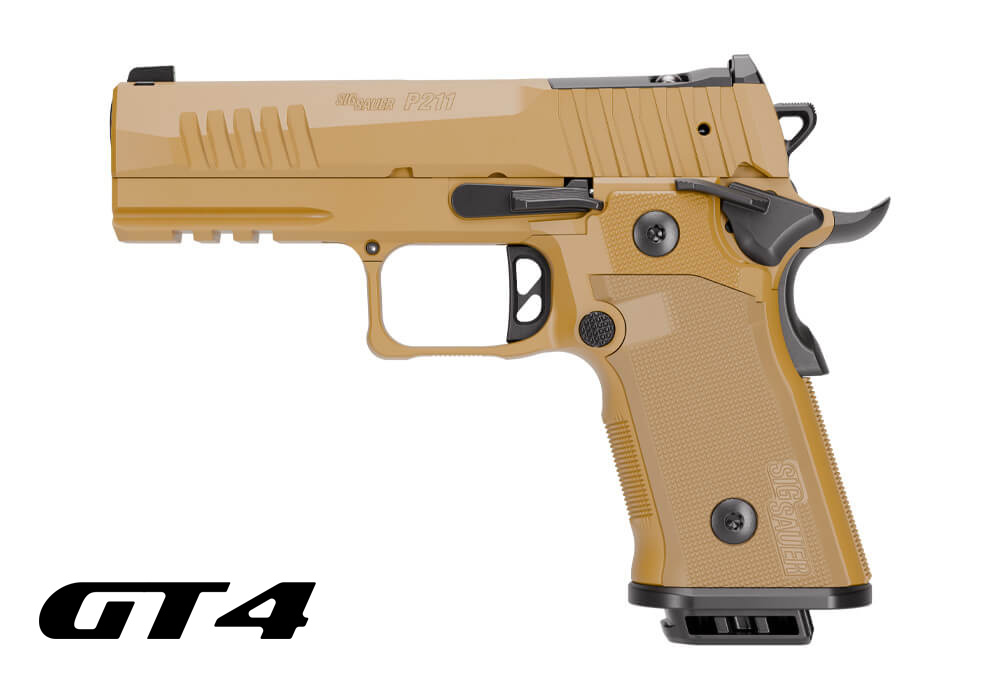
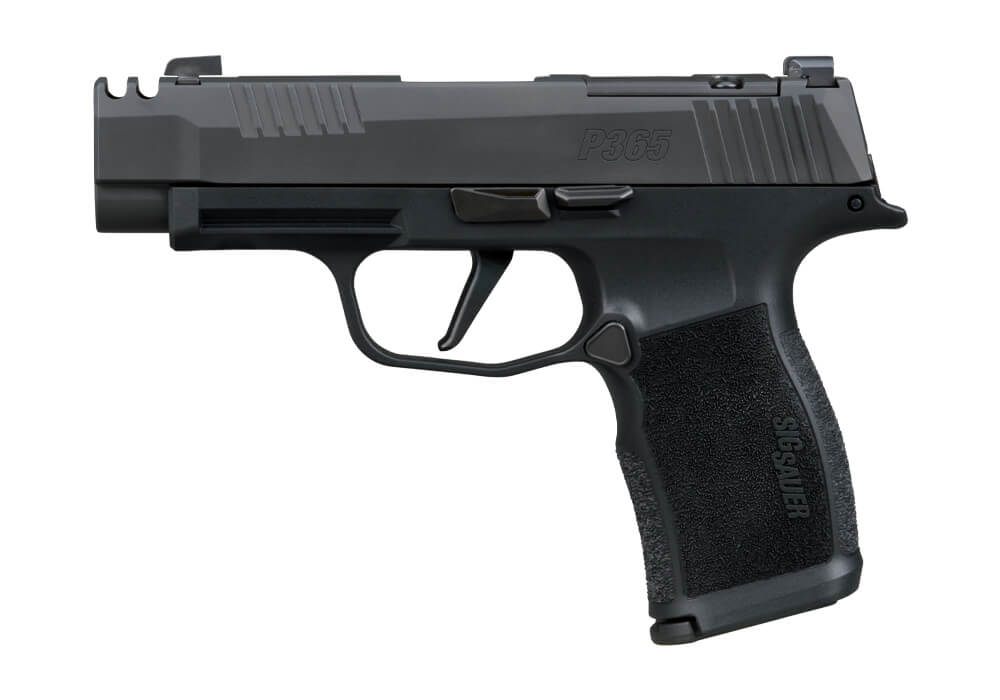
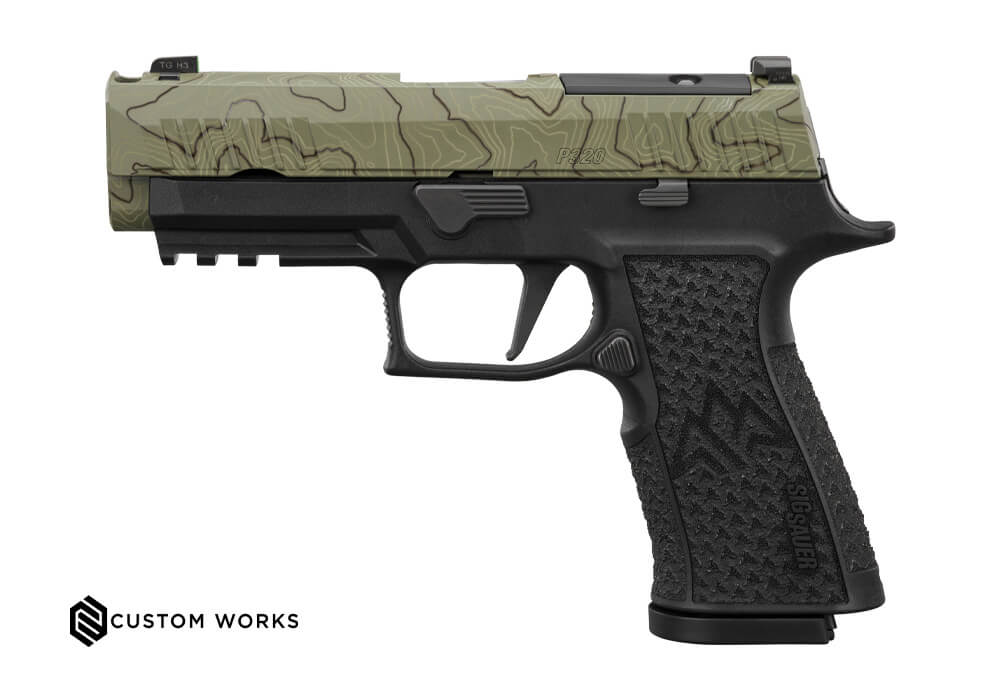
Compact pistols with interchangeable grips offer a way to adapt the pistol’s contact surfaces to different hands without necessarily changing its overall size or operating system. Depending on the design, that adjustment may involve replaceable backstraps, removable grip panels, or an interchangeable grip module that forms much of the pistol’s exterior frame. These approaches are not identical: a backstrap typically changes the contour behind the hand, grip panels influence the sides of the grip, and a modular frame can alter several dimensions at once. The benefit is a more individual fit, particularly for people who find that a fixed grip feels too broad, too narrow, or awkward around the palm. Hand length alone does not tell the whole story. Finger length, palm width, joint mobility, and personal preference all affect how a compact pistol feels. A smaller grip is not automatically better for smaller hands, just as a fuller grip is not automatically better for larger hands. The shape of the backstrap, the space beneath the trigger guard, and the texture along the front and sides all contribute to comfort. A pronounced palm swell may feel supportive to one person and create an uncomfortable pressure point for another. Trigger reach also deserves attention, although changing a grip surface does not change the trigger mechanism itself. For shoppers comparing compact pistols, the useful distinction is between the firearm’s external dimensions and the dimensions that actually meet the hand. Two pistols with similar overall measurements can feel quite different because of their grip contours. Interchangeable components provide room to accommodate those differences, but they do not guarantee a particular fit or replace an in-person assessment under appropriate safety procedures. This flexibility can be especially valuable for someone whose preferred grip shape falls between common sizes, or whose comfort requirements change over time. It also helps explain why grip options matter alongside familiar specifications such as barrel length, overall height, and weight: a compact footprint describes size, while the grip determines much of the physical connection between the person and the pistol.
Materials and construction influence how that connection feels and how well the components tolerate regular use. Polymer grip modules are common because they can combine relatively low weight with molded contours and integral texture. Depending on the platform, metal inserts or a separate internal chassis provide structural interfaces, while the exterior module supplies the shape held in the hand. Other designs use replaceable panels, backstraps, or combinations of materials rather than a complete modular frame. These differences matter when comparing what “interchangeable” actually means. Some systems offer only a change in palm contour; others support different grip circumferences, surface treatments, or frame profiles within a defined family. A removable component should never be assumed to fit another pistol simply because it looks similar. Compatibility depends on the exact platform, configuration, and manufacturer specifications, and not every combination of frame, magazine, slide, or accessory is supported. Even within a modular system, a different exterior profile can affect holster fit or the way a magazine base meets the grip. The intended configuration therefore matters as much as the component’s appearance. Texture presents another practical distinction. Fine stippling can feel unobtrusive during extended handling, while more pronounced texture may feel firmer against the palm but less comfortable against clothing or bare skin. Seams, panel edges, and the transition beneath the trigger guard can become noticeable over a longer range session, even when a grip feels pleasant during a brief inspection. Durable construction involves more than a rugged-looking surface: properly fitting interfaces, secure retention, and resistance to routine cleaning products all contribute to dependable service. Polymer can still show wear, metal can still require corrosion protection, and aggressive cleaning chemicals can affect certain finishes. A quality grip system balances contour, material, and secure fit rather than relying on texture alone. Cosmetic choices may be part of the appeal, but the most meaningful differences remain the ones that influence comfort, compatibility, and suitability for the pistol’s intended role.
For range use, lawful concealed carry, or responsible ownership for personal protection, compact pistols with interchangeable grips offer options for balancing portability with a comfortable hand fit. A shorter grip may suit some carry preferences, while a fuller contour may feel more comfortable during supervised practice. Neither characteristic establishes that a pistol is right for every person or every purpose. Grip flexibility is particularly relevant for adults who have struggled with pressure points or an overly broad frame, and for experienced owners who already know which contours feel natural to them. New owners may also appreciate the opportunity to assess different fits with a qualified instructor rather than assuming that one grip shape suits everyone. Regardless of experience, familiarity with the firearm’s controls and safe handling requirements remains essential. Grip changes should follow the manufacturer’s instructions, and any uncertainty about compatibility, retention, or function belongs with a qualified professional. Fit assessments and maintenance require an unloaded firearm, with ammunition kept separate from the work area. Routine care generally includes inspecting contact surfaces for cracks, unusual movement, damaged retention features, or wear that could affect secure attachment. Cleaning methods should match the material and finish; a soft cloth and manufacturer-approved products are preferable to improvised solvents or abrasive treatment. Textured areas can collect lint and residue, especially on a regularly carried firearm, so their condition deserves attention along with the rest of the pistol. Secure storage should prevent unauthorized access while protecting the firearm from moisture and unnecessary contact with harsh chemicals. For shoppers considering modularity beyond grip shape, Compact Pistols With Interchangeable Parts provides a related category to explore, with compatibility still determined by each platform’s specifications. Interchangeable grips are best understood as a fit feature within a complete firearm system, not a promise that every component can be exchanged. Their lasting value lies in accommodating individual hands while preserving the importance of correct configuration, careful maintenance, secure storage, and responsible ownership.