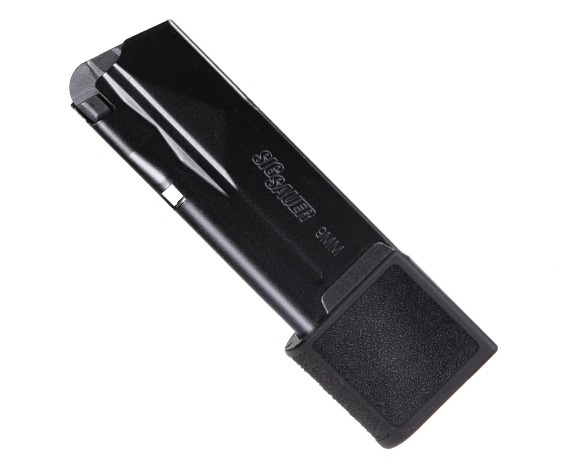
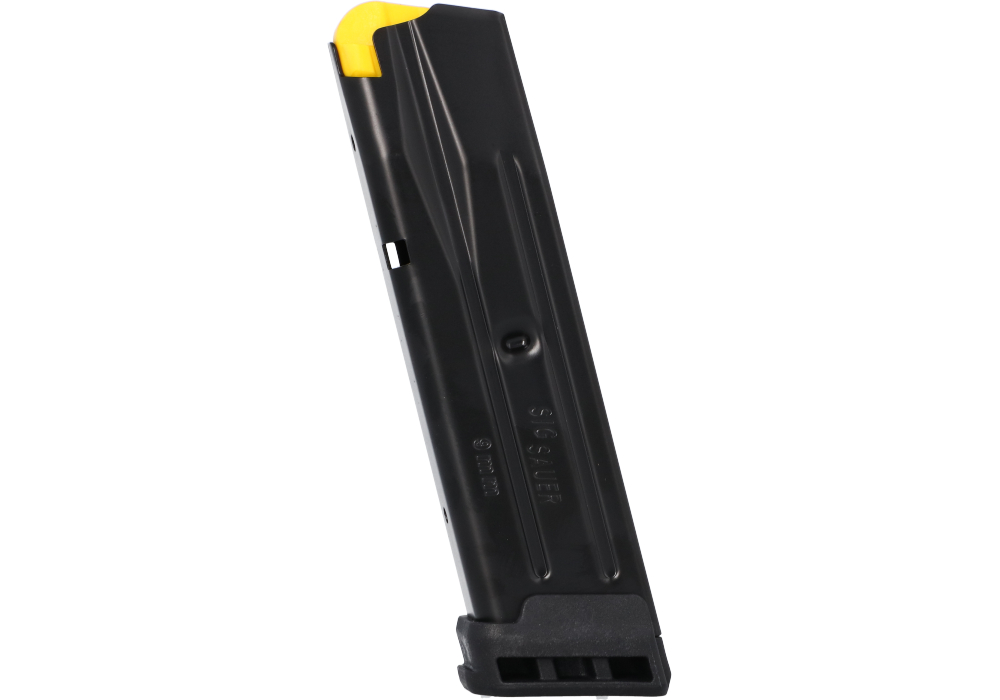
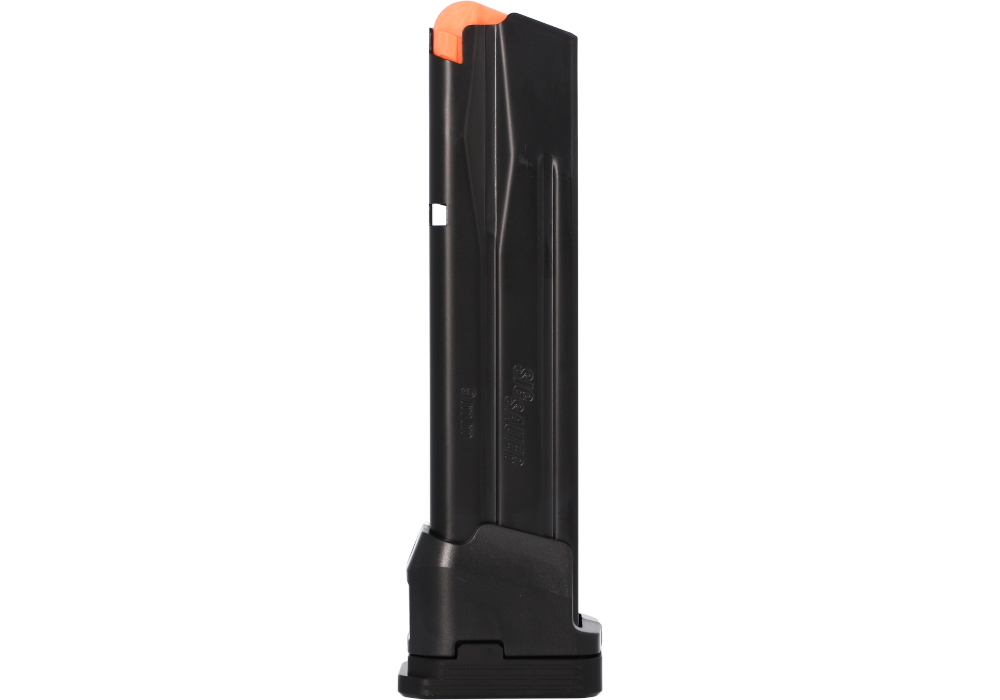
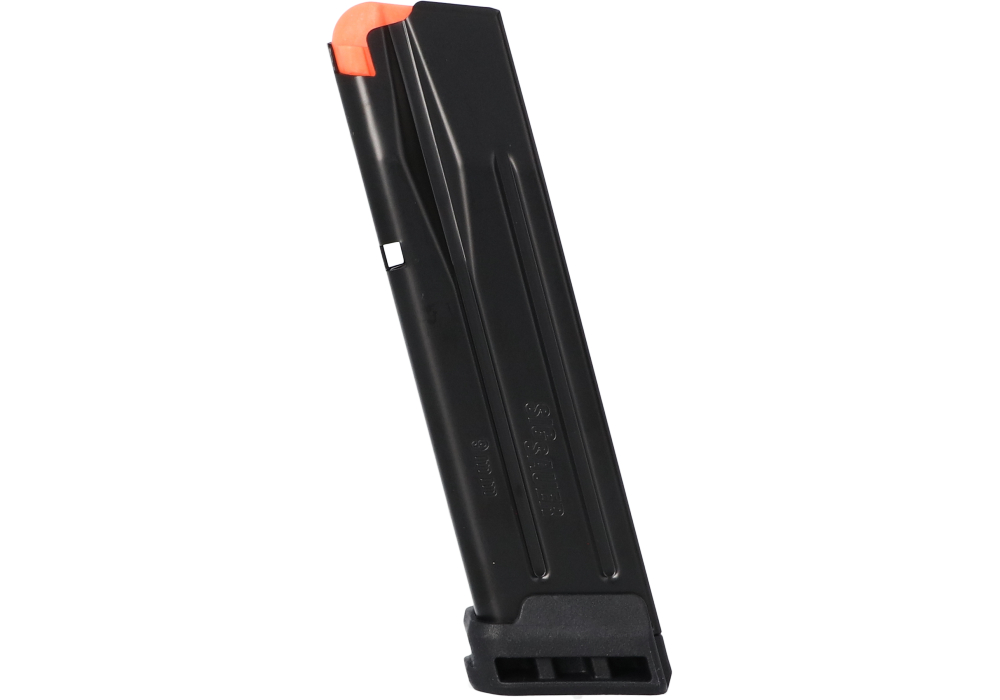
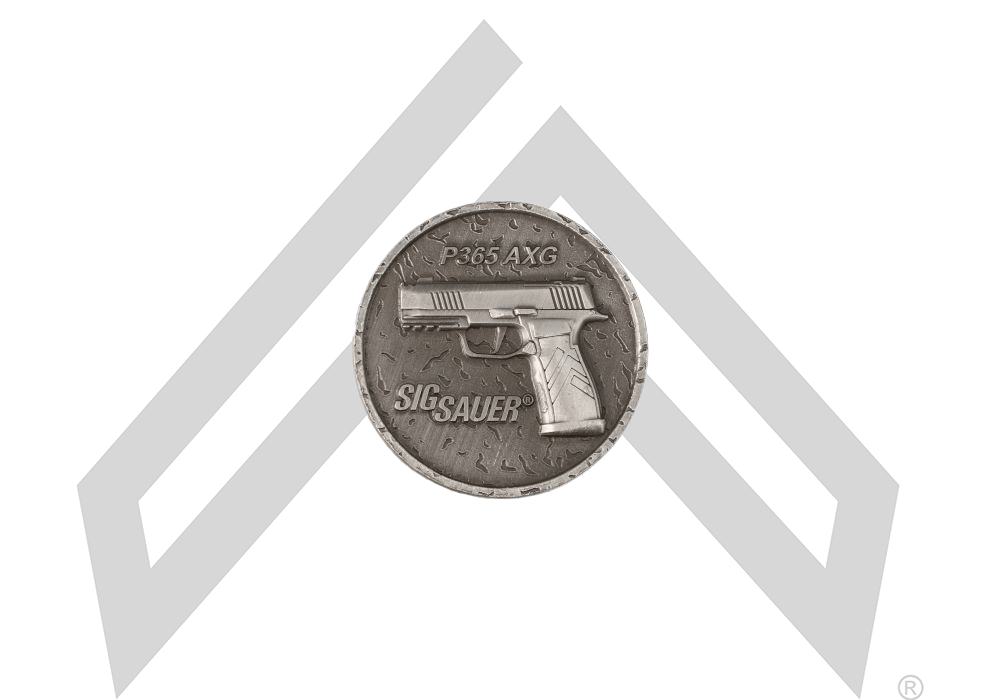
Compatible magazines are firearm magazines designed to fit and function with a particular handgun or rifle platform, caliber, and generation. On this page, “compatible” refers to firearm fitment rather than magnetic phone accessories or other products that use a magnetic connection. A magazine may look similar to another model’s magazine while differing in dimensions, feed-lip geometry, locking-notch placement, follower design, or baseplate shape, so visual similarity alone is not enough to confirm compatibility. The most reliable starting point is the firearm manufacturer’s specifications and the exact model information marked on the firearm or listed in its owner’s manual. Check the chambering, frame or receiver size, generation, and any configuration details before ordering. A compact handgun, for example, may accept a shorter magazine intended for its own frame while also accepting a longer magazine made for a related full-size model, but that does not mean every magazine from the same caliber will function correctly. Differences between older and newer generations can also affect fit, especially when rails, magazine catches, feed geometry, or internal dimensions have changed. Some firearms are built to accept more than one magazine length, while others require a specific magazine family. Compatibility can also vary among models that share a caliber, including differences between compact, full-size, competition, duty, and subcompact configurations. Use the firearm’s manual, the listing details, and the manufacturer’s compatibility information together rather than relying on caliber alone. For shoppers comparing Replacement Magazines, this careful approach helps narrow the selection to options intended for the correct platform and avoids the frustration of receiving a magazine that appears close but does not seat, lock, feed, or release as expected.
The intended use of the firearm should guide the rest of the selection. A magazine kept for everyday carry may need a compact profile that sits comfortably beneath clothing and does not create unnecessary bulk, while one used for range practice may be chosen for convenient loading, repeated handling, or standard capacity that keeps training sessions moving. A home-defense firearm may benefit from a dependable magazine that is stored properly and kept ready according to the owner’s safety plan. For competition, training classes, or a long day at the range, additional magazines can reduce interruptions between strings of fire and make it easier to separate loaded, unloaded, and inspected equipment. Standard capacity is often a practical choice for routine practice and storage; an extended capacity option may be useful where lawful and where the firearm, holster, pouch, and local regulations support it. Capacity should never be considered separately from handling. A longer magazine can alter the balance of a compact firearm, extend below the grip, or require different magazine pouches. Baseplate shape may matter when removing a magazine from a snug pouch, while a textured surface can make handling easier when hands are cold, wet, or gloved during the cooler months. Material and finish can also influence weight, durability, and resistance to wear. Metal and polymer magazines each have distinct characteristics, and neither should be judged by appearance alone. Look for clear fitment information, a properly marked caliber, a secure floorplate, and construction suited to the way the magazine will be carried or stored. When a magazine is loaded, the cartridges should sit correctly under the feed lips without unusual resistance, and the magazine should insert and release smoothly with the firearm unloaded and pointed in a safe direction. A magazine that requires force to seat, drops free inconsistently, or produces repeated feeding problems should be removed from service and inspected rather than being treated as a minor inconvenience.
Compatible magazines can be practical additions for new firearm owners, experienced shooters, instructors, competitors, and family members who share a properly configured training setup. They may also be a thoughtful gift for a licensed adult who already owns the matching firearm, provided the giver confirms the exact model, caliber, generation, and applicable laws before purchasing. A spare magazine is easy to overlook when assembling range gear: the case is packed, eye and ear protection are ready, ammunition is secured, and then a session is slowed by having only one magazine available. Keeping several correctly matched magazines allows one to be loaded while another is in use, supports deliberate practice with different drills, and simplifies unloading at the end of the day. Marking magazines with a discreet identifier can help distinguish personal equipment at a busy range, especially when several shooters use similar platforms. Store magazines unloaded or loaded according to the firearm maker’s guidance and the owner’s safety practices, away from excessive moisture, heat, and loose debris. Inspect feed lips, the follower, spring tension, locking surfaces, and the baseplate periodically; damage, unusual corrosion, cracked polymer, or sluggish follower movement are reasons to stop using the magazine until it has been evaluated. Compatibility is ultimately a combination of correct dimensions, correct caliber, correct generation, and dependable function in the specific firearm. Reviewing those details before purchase helps ensure that a magazine selected for practice, carry, home protection, instruction, or gifting serves its intended role with confidence and consistency.