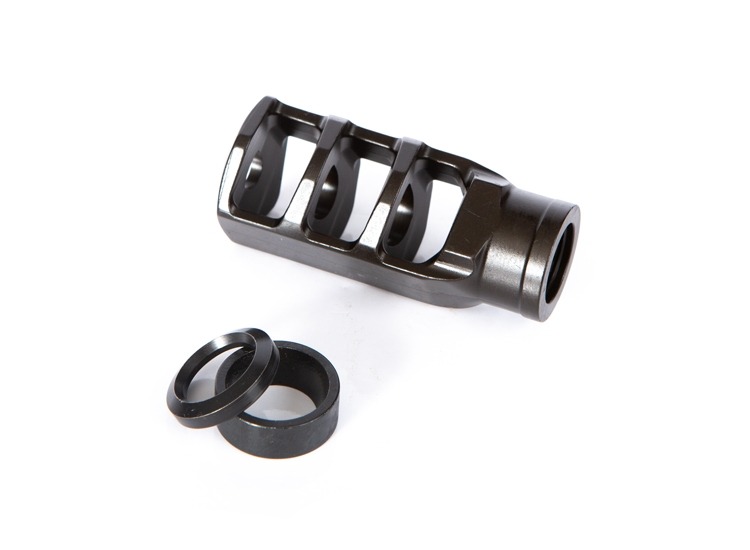
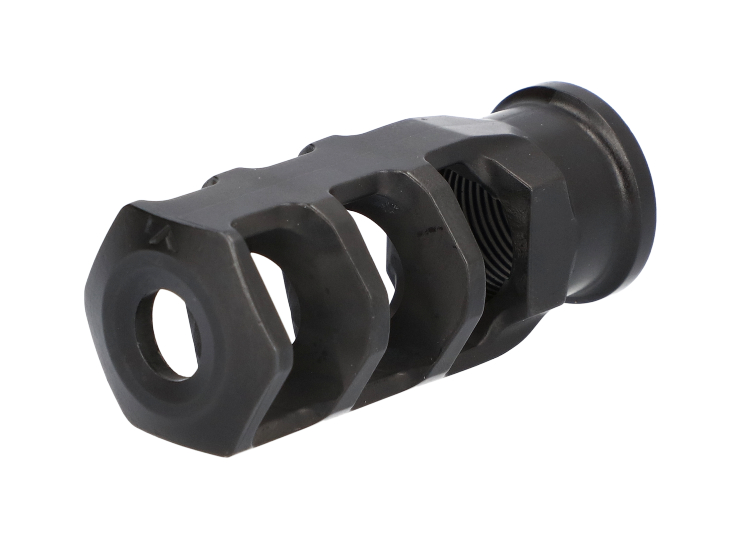
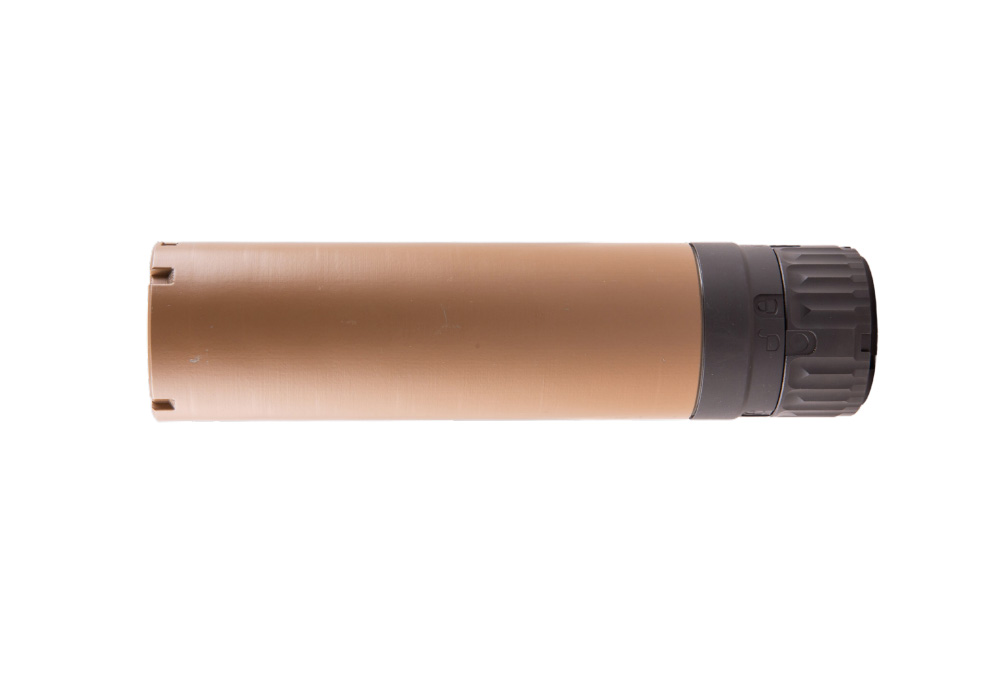
Selecting the right compensator for high power rifles is a key consideration for shooters who demand precision, control, and comfort during every session at the range or in the field. These specialized muzzle devices are engineered to redirect the high-pressure gases produced when firing powerful calibers—such as .308 Winchester or 6.5 Creedmoor—upward and to the sides. The result is a dramatic reduction in both muzzle rise and felt recoil, which can make all the difference for those who value rapid target reacquisition and consistent accuracy. Whether you’re zeroing in on distant steel targets during a precision match, engaging in tactical drills, or simply looking to improve your shooting experience, a well-chosen compensator can provide smoother follow-up shots and help maintain your sight picture, even with the most robust rifle platforms. For many, the difference is immediately noticeable: faster transitions between targets, less fatigue over the course of a long day, and increased confidence in every shot. As the weather transitions from the warmth of summer into the crisp, cooler months of fall, shooters often find themselves spending more time outdoors, making these upgrades especially timely for those preparing for seasonal competitions or extended range sessions.
When considering a compensator for a high power rifle, there are several factors that experienced shooters weigh carefully. First, compatibility is essential—matching the internal bore diameter and thread pitch of the compensator to the rifle’s barrel ensures a secure fit and optimal performance. Shooters who participate in long-range competitions or tactical scenarios may prioritize models that feature hybrid baffle designs or multi-chamber configurations, which can offer enhanced recoil mitigation without adding unnecessary weight. For those who frequent crowded ranges or shoot alongside friends, linear compensators are a popular choice, as they direct blast and concussion noise downrange, minimizing discomfort for both the shooter and bystanders. The right compensator can also make an excellent gift for the dedicated marksman in your life, especially as hunting season approaches and enthusiasts gear up for new challenges. Whether you’re looking to fine-tune a favorite rifle or surprise a friend with a thoughtful upgrade, compensators are a practical and appreciated addition to any high power rifle setup. For those whose pursuits lean more toward the field than the range, options tailored for hunting applications are also available—explore more at Compensators for Hunting Rifles to find solutions designed for stealth, reliability, and performance in rugged outdoor environments.
Ultimately, the choice of compensator comes down to your individual shooting style, preferred discipline, and the specific characteristics of your rifle. Many seasoned shooters recall the first time they installed a compensator and immediately noticed the difference: tighter shot groups, less shoulder fatigue, and a newfound ability to stay on target through rapid strings of fire. These devices have become a staple for everyone from competitive shooters and tactical professionals to recreational enthusiasts who simply want to get the most out of their high power rifles. As you prepare for the next range day or hunting adventure, investing in a quality compensator is a smart way to enhance your shooting experience, support your goals, and enjoy greater control behind the trigger—no matter the season.