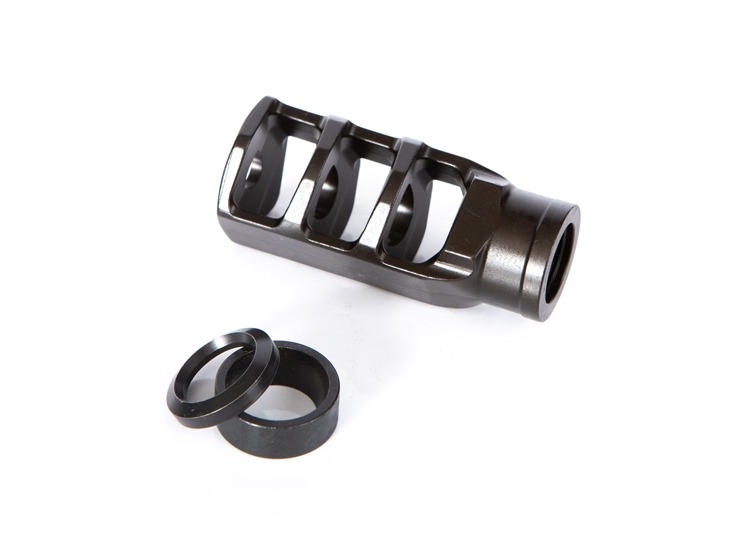
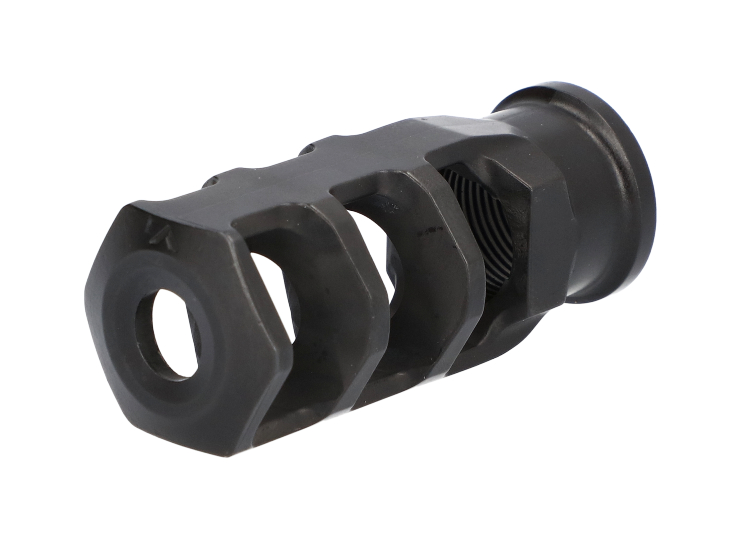
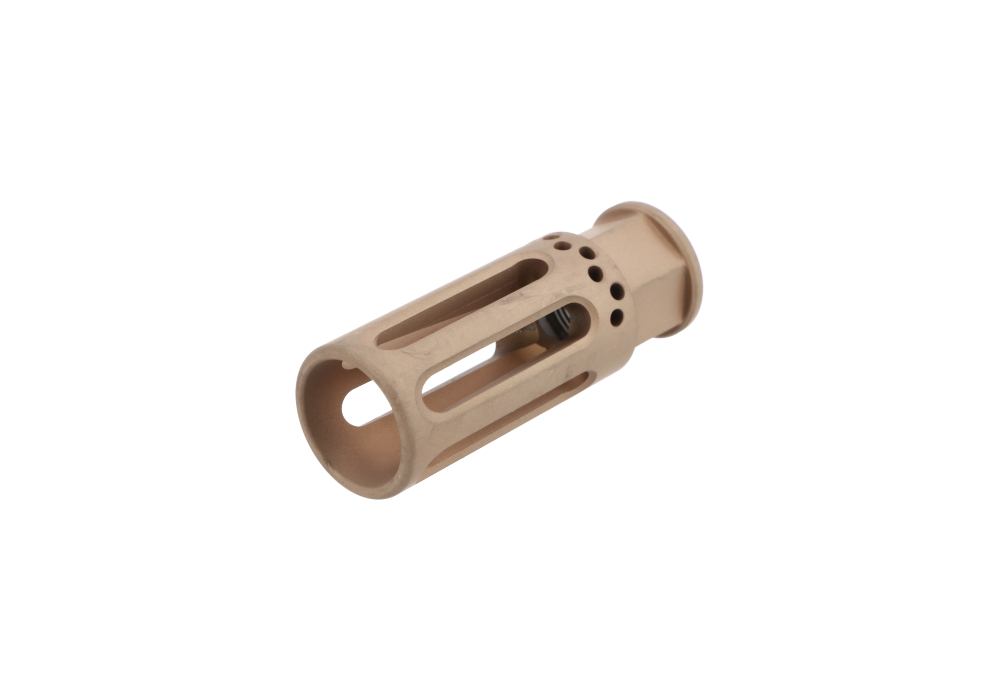
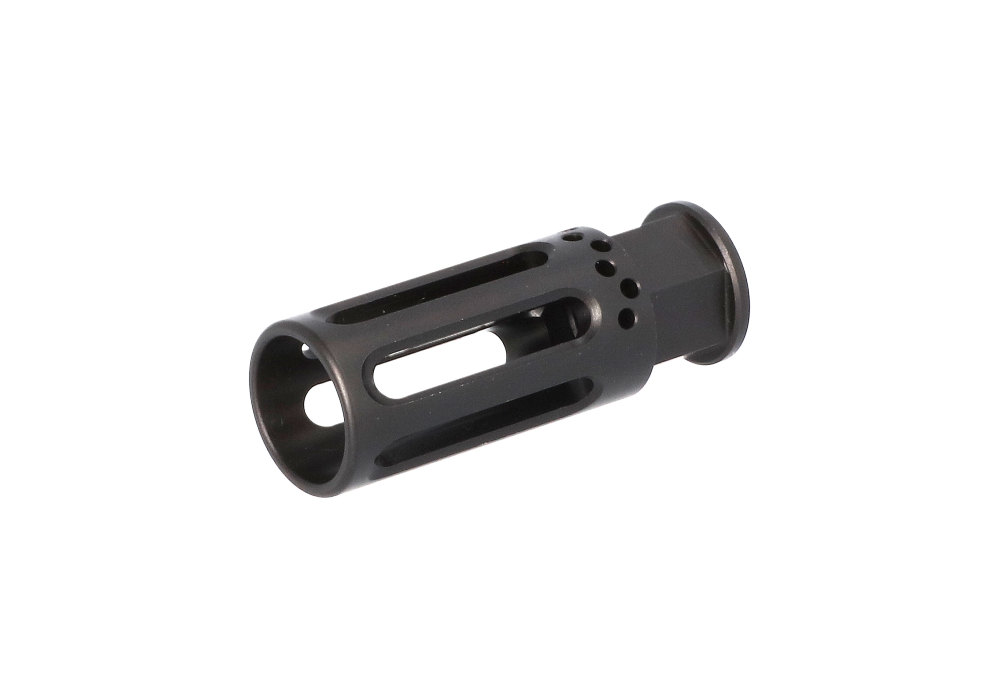
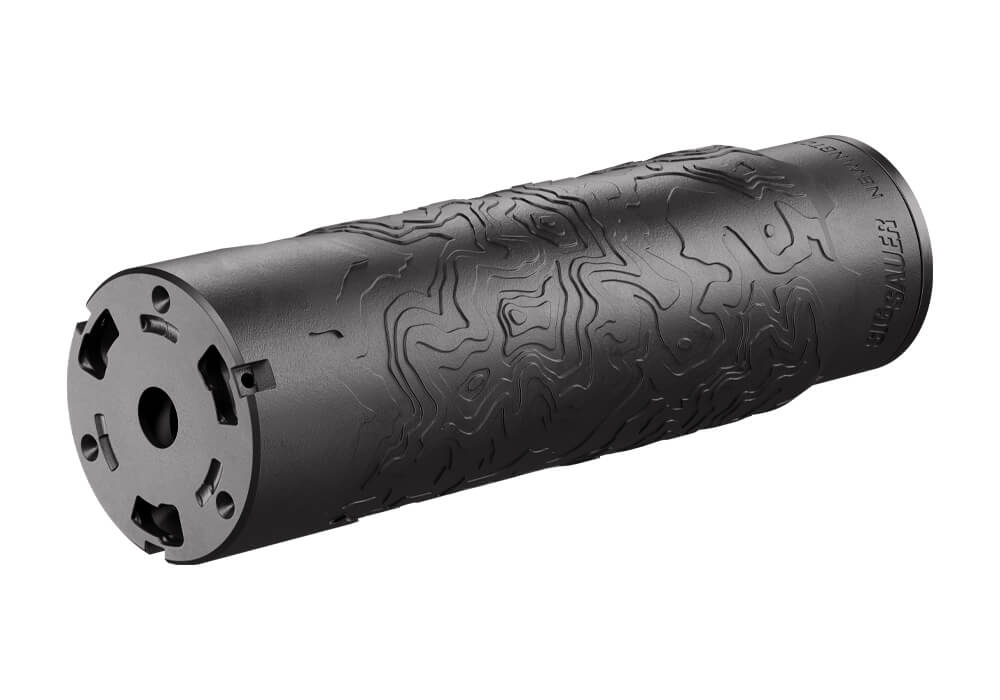
Compensators for hunting rifles are muzzle devices that influence how propellant gases leave the barrel, with different designs emphasizing muzzle movement, recoil characteristics, or the direction of blast. A conventional compensator uses strategically positioned ports to help counter muzzle rise, while a linear compensator directs gases primarily forward, away from the sides of the rifle. Muzzle brakes generally emphasize reducing rearward recoil, although the terminology overlaps and some devices combine braking and compensating features. The distinction matters on a hunting rifle because a device that feels comfortable from a standing position may behave differently when the rifle rests close to the ground or inside a confined blind. A hunter sharing a blind with a companion may value less lateral blast, while someone practicing from a supported position may place more emphasis on manageable muzzle movement. Linear compensators can reduce the harsh sideways concussion associated with some side-port designs, but they are not suppressors and should not be expected to make a rifle hearing-safe. Redirecting sound and pressure does not eliminate them; appropriate hearing protection remains essential for the shooter and anyone nearby. Forward-directed designs can also limit the lateral disturbance of loose dirt or leaves compared with certain ported devices, though no muzzle accessory guarantees a debris-free shooting position. Their rearward recoil reduction is typically less pronounced than that of an effective side-port brake, and any change in muzzle movement depends on the device and rifle combination. These differences give compensators for hunting rifles a practical role without making every design suitable for every hunting setup. A compact rifle carried along narrow trails presents different handling priorities from a heavier rifle used mainly from a stable rest. Added length, balance, blast direction, and the space around the muzzle all influence how comfortably the complete rifle fits its intended use. A compensator can change the shooting experience, but it does not replace sound technique, a dependable rifle setup, or careful judgment in the field.
Fit is the foundation of a suitable hunting rifle compensator, and compatibility involves more than a device appearing to match the barrel. The manufacturer’s stated caliber suitability, barrel-thread specifications, mounting requirements, and firearm restrictions need to align with the rifle. Matching threads alone does not establish safe compatibility, and an incorrect combination can create a serious hazard. Some symmetrical linear compensators do not require a particular rotational orientation, while directional port designs may require alignment according to their manufacturer’s specifications. Installation requirements vary, so a qualified gunsmith is an appropriate resource when compatibility, alignment, or mounting is uncertain. Materials and construction also shape the ownership experience. Steel and stainless steel are common choices for strength and resistance to wear, while titanium can offer a weight advantage in designs intended for that material. Neither material names nor an impressive-looking exterior tell the whole story: suitability for the cartridge, structural design, finish, and manufacturer’s use limits remain important. Protective surface treatments can help resist corrosion and surface wear, but no finish removes the need for routine care. A subdued exterior may complement a hunting rifle without drawing unnecessary visual attention, while smooth contours can be easier to wipe clean after carrying the rifle through brush. Weight deserves consideration beyond the number on a specification sheet. A few additional ounces at the muzzle can be more noticeable than the same weight near the receiver, especially during a long walk or when holding the rifle unsupported. Overall length can also affect how the rifle fits in a case, moves through vegetation, or rests within the available space in a blind. For hunters who also spend time practicing from supported positions, Compensators for Precision Rifles provides a related category with overlapping fit and handling considerations. A shared emphasis on consistent rifle behavior does not mean the same accessory is appropriate for both applications; the intended rifle and its use remain the deciding factors.
Long-term satisfaction with a hunting rifle compensator depends as much on straightforward upkeep and realistic expectations as on its initial fit. Propellant residue can collect around ports and internal surfaces, and regular inspection helps reveal buildup, corrosion, damaged edges, or other changes that deserve attention. Cleaning should follow the device manufacturer’s recommendations, with products suitable for its material and finish rather than aggressive methods that could harm protective surfaces. A clean, dry exterior is easier to inspect, and the muzzle area deserves attention after the rifle has been carried through brush or exposed to dirt. Suspected damage, an unusual change in the rifle’s behavior, or uncertainty about the attachment calls for evaluation by a qualified gunsmith rather than continued use. Durability is not simply resistance to scratches: a hunting accessory also needs to maintain its integrity through repeated firing and ordinary handling within its stated limits. A practical choice should suit the amount of shooting the owner expects, whether that means occasional practice and field use or frequent range sessions between hunts. Comfort matters during those sessions, particularly when neighboring shooters or hunting partners would otherwise receive noticeable side blast. At the same time, a compensator should never be treated as a promise of better accuracy, quieter shooting, or easier ethical decisions. Familiarity with the complete rifle remains important, and any equipment change warrants confirming that the rifle performs as expected before field use. For an experienced hunter, a compatible muzzle device can be a useful gift when the recipient’s preferences and exact rifle requirements are already known. Guessing from appearance or a general caliber description is not enough. The most useful hunting rifle compensators are those that address a clear preference without introducing unnecessary weight, awkward dimensions, or unwanted blast characteristics. Considered as part of the complete rifle, they offer a way to tailor handling and shooting comfort while preserving the practical qualities that matter during a hunt.