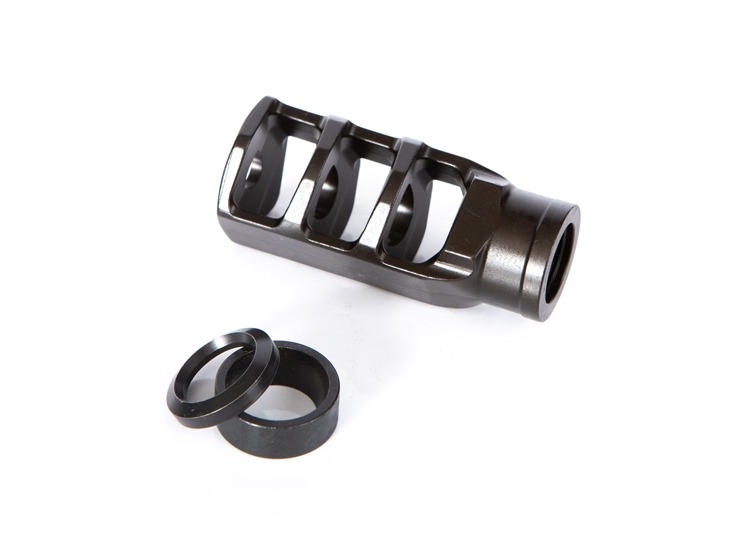
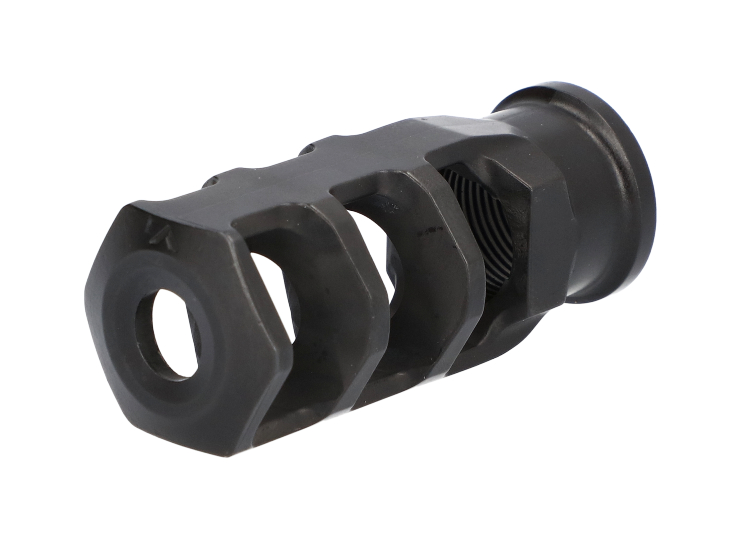
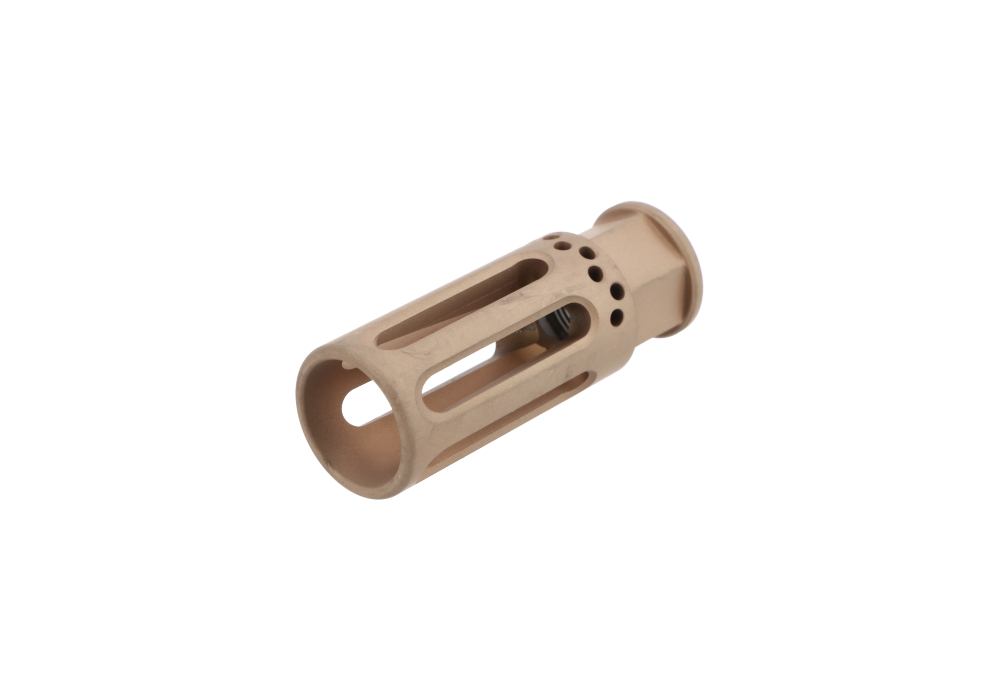
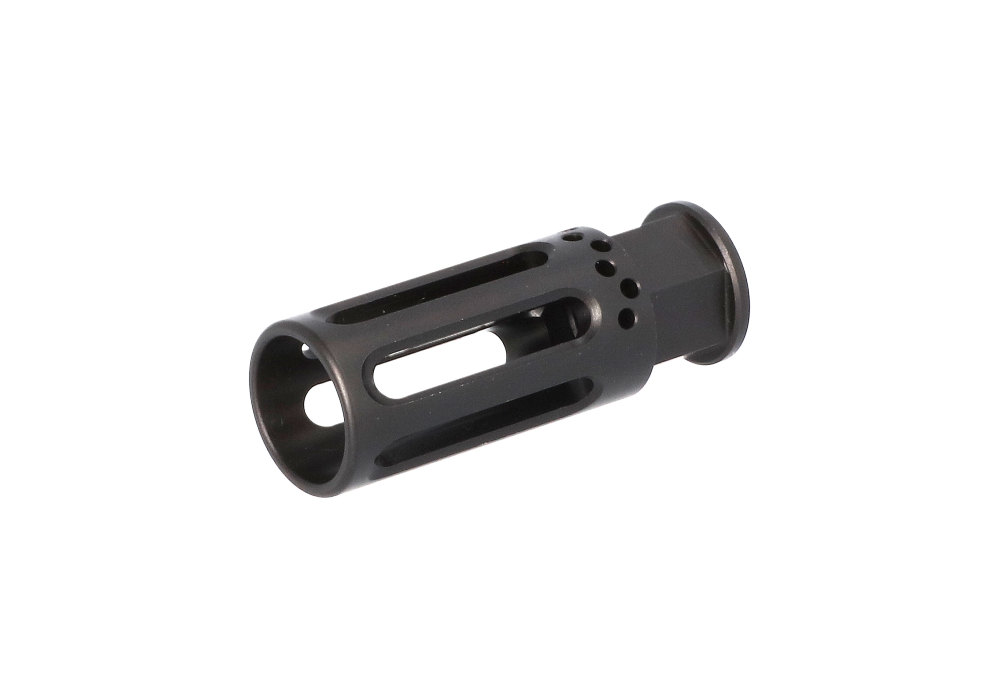
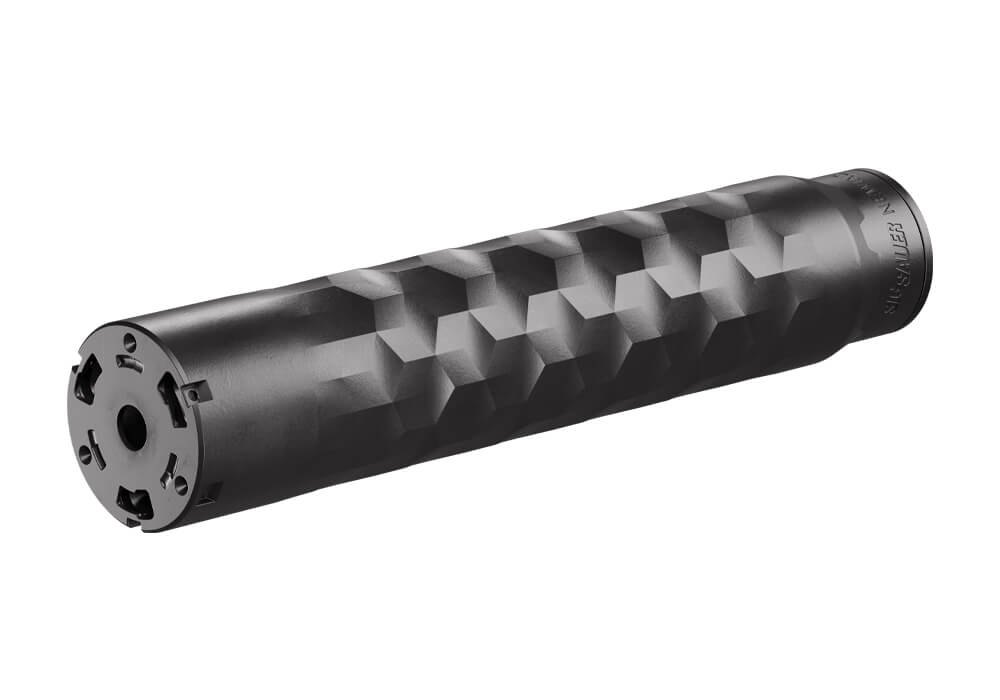
Compensators for long range rifles are muzzle devices that redirect propellant gases to help limit muzzle rise as a shot leaves the barrel. For target shooters, that can mean less movement in the sight picture and a better opportunity to observe an impact through the scope. The benefit is especially relevant when a distant steel target occupies only a small portion of the reticle and even modest rifle movement takes it out of view. A compensator primarily addresses upward muzzle movement, while a muzzle brake primarily addresses rearward recoil; hybrid designs combine features intended to influence both. Those terms sometimes overlap in product descriptions, so the stated function and compatibility of a device are more useful than its name alone. Neither type guarantees better accuracy, eliminates recoil, or replaces consistent shooting fundamentals. Instead, a suitable muzzle device can support a more manageable shooting experience within the limits of the rifle, ammunition, and shooter. Precision target enthusiasts and competitors may value that consistency during repeated strings of fire, particularly when they want to observe their own results rather than depend entirely on a spotter. Port arrangement, overall dimensions, weight, and mounting requirements all influence whether a compensator suits a particular rifle and its intended setting. More visible ports or a larger profile do not automatically indicate a better choice. A substantial device might suit a rifle that spends most of its time supported on a bench, while its added length and weight may be less appealing on equipment carried between firing positions. The most relevant comparison is how the device fits the complete rifle and the conditions of its intended use, not how aggressive its appearance seems. For a collection centered on long-range rifle compensators, the details that matter begin with a clearly defined purpose: managing muzzle movement without overlooking fit, handling, maintenance, or the people sharing the firing line.
Compatibility is the foundation of that choice. A rifle compensator needs the correct caliber rating, projectile clearance, barrel thread specification, and mounting interface for the firearm on which it will be used. A matching thread description alone does not establish compatibility, and a device intended for one application should not be assumed suitable for another simply because its dimensions look similar. Barrel specifications, the manufacturer's stated requirements, and any restrictions associated with the muzzle device deserve close attention before purchase. Some designs also have specific orientation or mounting-component requirements; installation should follow the applicable manufacturer instructions, with a qualified gunsmith consulted whenever compatibility or alignment is uncertain. For rifles that use a suppressor, an ordinary compensator is not automatically a suppressor mount. Compatibility with a suppressor system must be explicitly supported by the relevant manufacturers rather than inferred from appearance or threading. Materials and construction matter as well. Steel and stainless steel are common choices for rifle muzzle devices because they can provide the strength and resistance to wear needed around high-pressure gases. Other alloys may offer different weight characteristics, but suitability depends on the complete design and its rated application rather than the material name in isolation. Protective surface treatments can help resist corrosion and handling wear, though no finish removes the need for appropriate cleaning and inspection. A smooth exterior may be easier to wipe clean, while intricate port geometry can present more surfaces where residue collects. Overall length and diameter also deserve consideration, especially when a rifle must fit an existing case or be handled around shooting rests and other equipment. Added muzzle weight can change the rifle's balance even when the difference seems minor on a specification sheet. Shoppers comparing applications with an emphasis on recoil management can also explore Compensators for High Power Rifles, while keeping the same attention on documented fit and intended use. Across these considerations, clear specifications and supported compatibility are more meaningful than broad claims about universal performance.
The shooting environment is another important part of evaluating a long-range rifle compensator. Redirected gases can increase the blast and perceived noise experienced by the shooter or people nearby, particularly with designs that vent strongly to the sides. At a covered range, the difference may be especially noticeable to someone occupying the next bench. A compensator is not a sound-reduction device, and suitable hearing and eye protection remain essential for everyone near active shooting. Range rules and competition equipment requirements may also affect which muzzle devices are appropriate. These practical limits deserve as much attention as potential improvements in sight-picture stability. A device that suits an individual practice session might be less comfortable in a closely spaced firing-line setting, and no single port layout offers the same experience on every rifle. Care should be similarly grounded in the manufacturer's recommendations. Propellant residue can accumulate around ports and interior surfaces, while exposed edges and finishes encounter routine handling wear. With the firearm unloaded and handled according to its safety instructions, recommended cleaning products and methods can help preserve the device without unnecessarily damaging its finish. Abrasive tools, unapproved chemicals, or attempts to alter ports and mounting surfaces can compromise the component and should not substitute for professional service. Signs of looseness, cracking, deformation, or unusual wear call for an evaluation before further use. Over time, durable construction and straightforward maintenance can matter more than a dramatic-looking exterior, especially for shooters who practice regularly and expect their equipment to withstand repeated use. As a gift, a rifle compensator is best suited to a recipient whose exact firearm specifications and preferences are already known; visual similarity between rifles is not enough to establish a safe fit. For the owner selecting a component personally, the strongest choice balances documented compatibility, manageable dimensions, appropriate materials, and realistic expectations. A well-matched compensator serves a defined role in a long-range rifle setup: helping manage muzzle movement while respecting the handling, care, and range considerations that accompany every shot.