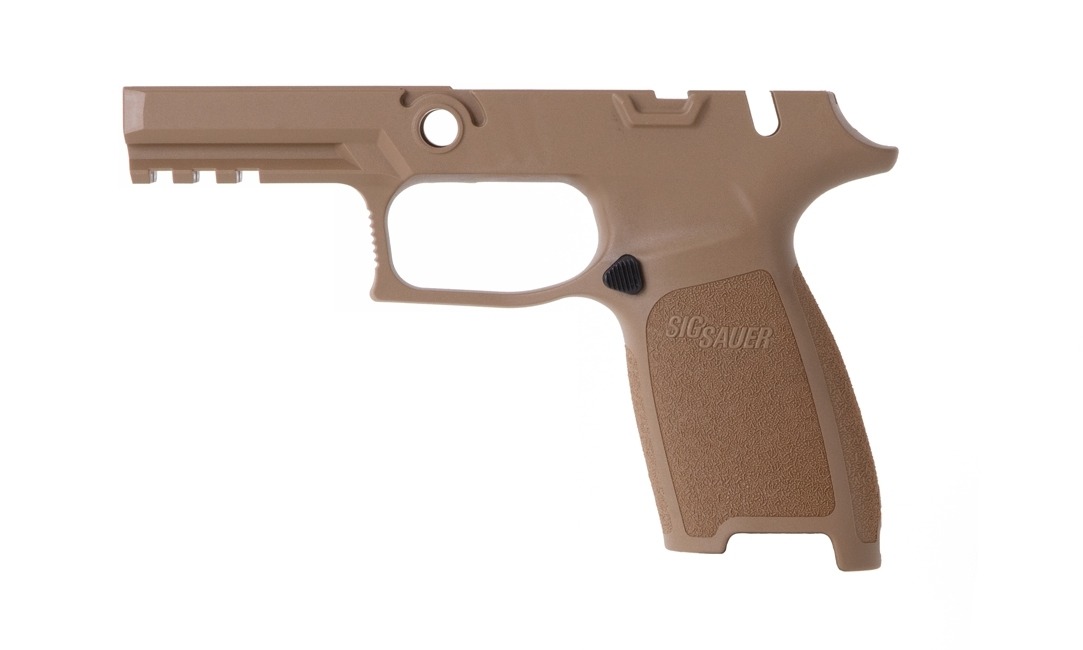
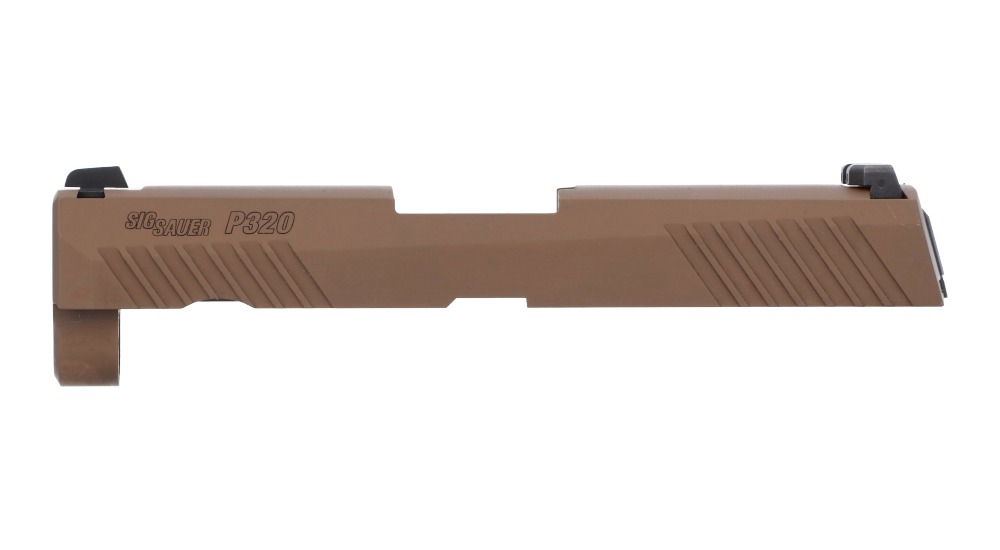
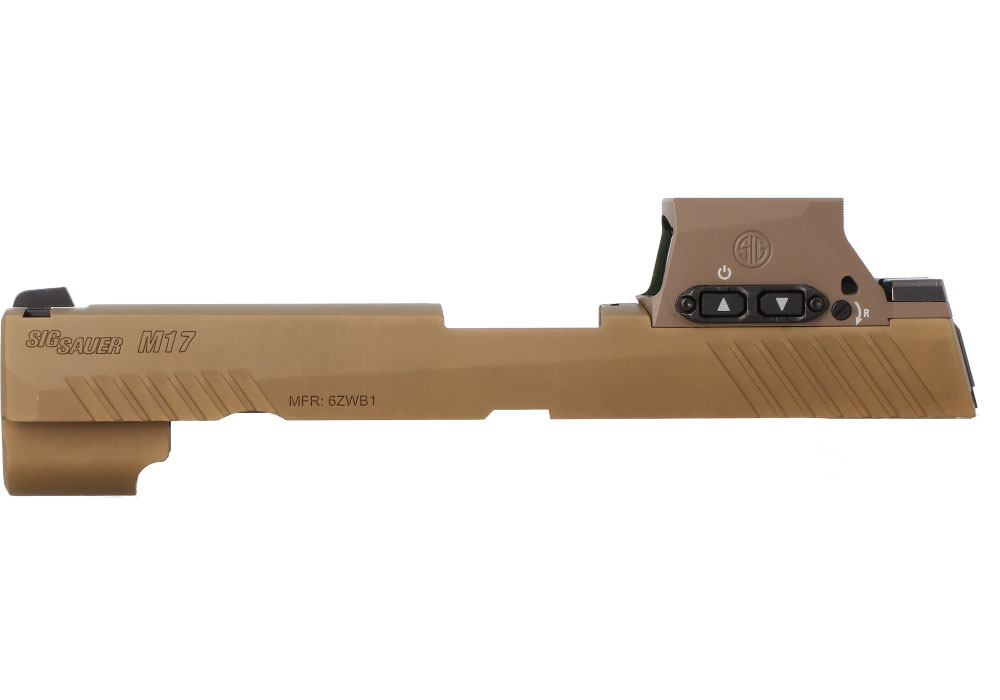
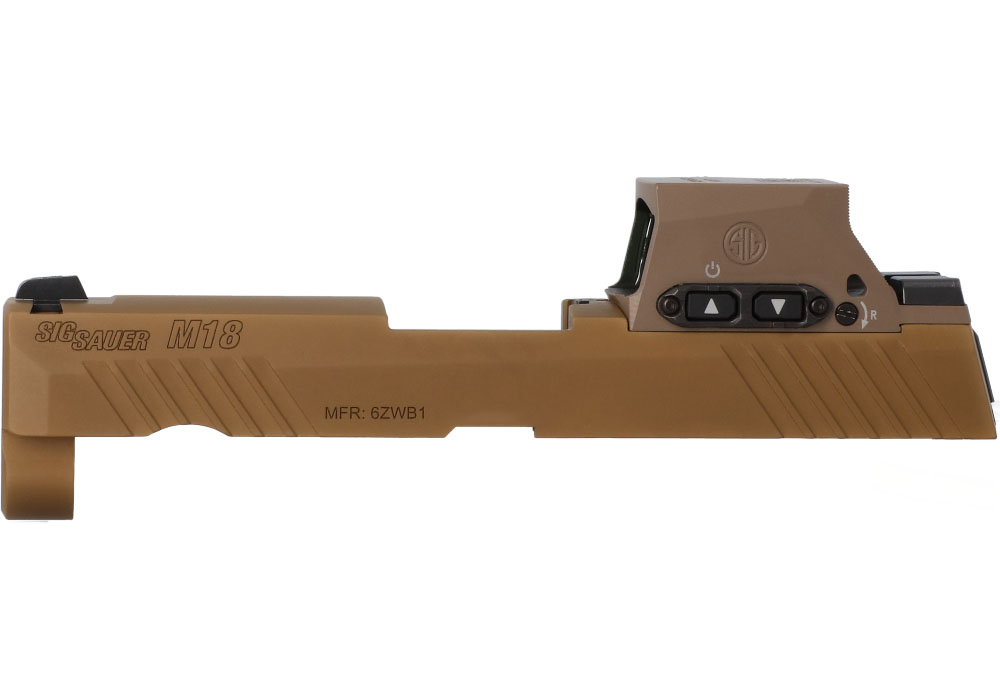
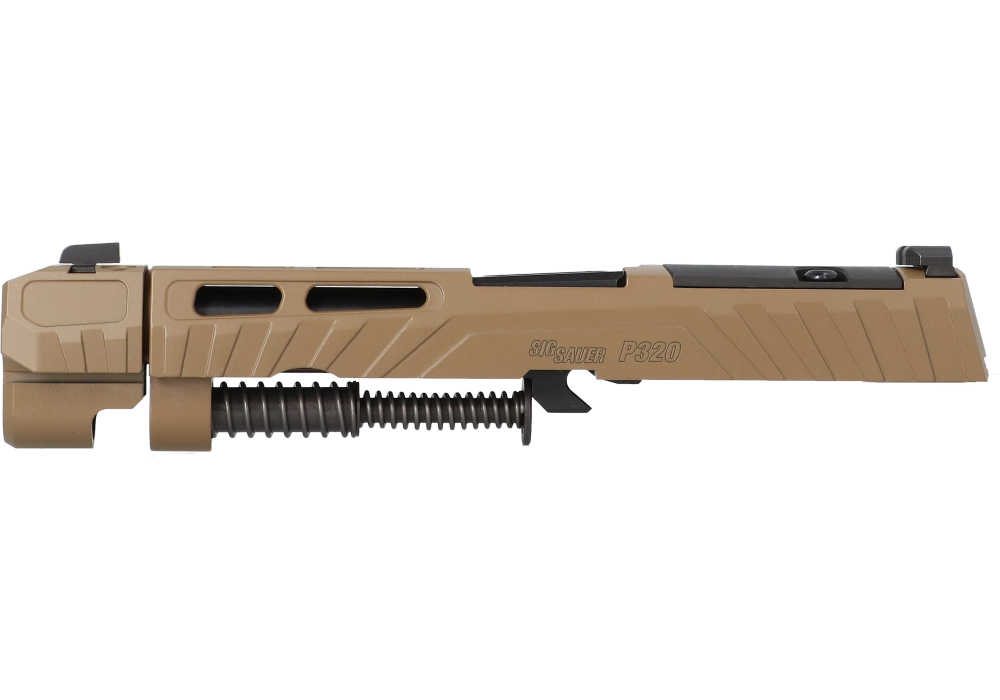
Coyote tan assemblies are firearm component assemblies with a muted, earth-tone appearance, often associated with slide assemblies and modular grip components. The term describes a color family rather than a single construction method, material, or level of completeness. Depending on the component, the tan appearance may come from a surface finish on metal or from color incorporated into polymer. These distinctions matter because two components can share a similar appearance while serving different purposes and requiring different care. Coyote tan typically has a subdued brown or sand-colored character, offering an alternative to black without the bright look of polished metal. It can create a coordinated appearance across compatible components or provide a deliberate contrast between a tan frame and darker upper surfaces. Exact shades vary with the material, surface texture, finish process, and lighting, so a shared color name does not necessarily indicate a perfect visual match. A textured polymer grip can look lighter or flatter than a coated metal slide, even when both belong to the same color family. For shoppers comparing coyote tan assemblies, the most useful distinction is between appearance and function: color establishes the visual theme, while the component’s specifications determine its role and compatibility. An assembly may contain several fitted parts, but the word alone does not establish which internal components, sights, or other elements are included. Product descriptions and included-component lists provide that information. This category can appeal to recreational shooters, owners replacing worn components, and enthusiasts who prefer a consistent earth-tone aesthetic across an existing firearm. The strongest choice is not simply the closest color match; it is a component with the appropriate configuration, documented fit, and construction for its intended use. A familiar grip shape or sight arrangement may matter far more during regular range practice than a small difference in the shade of tan.
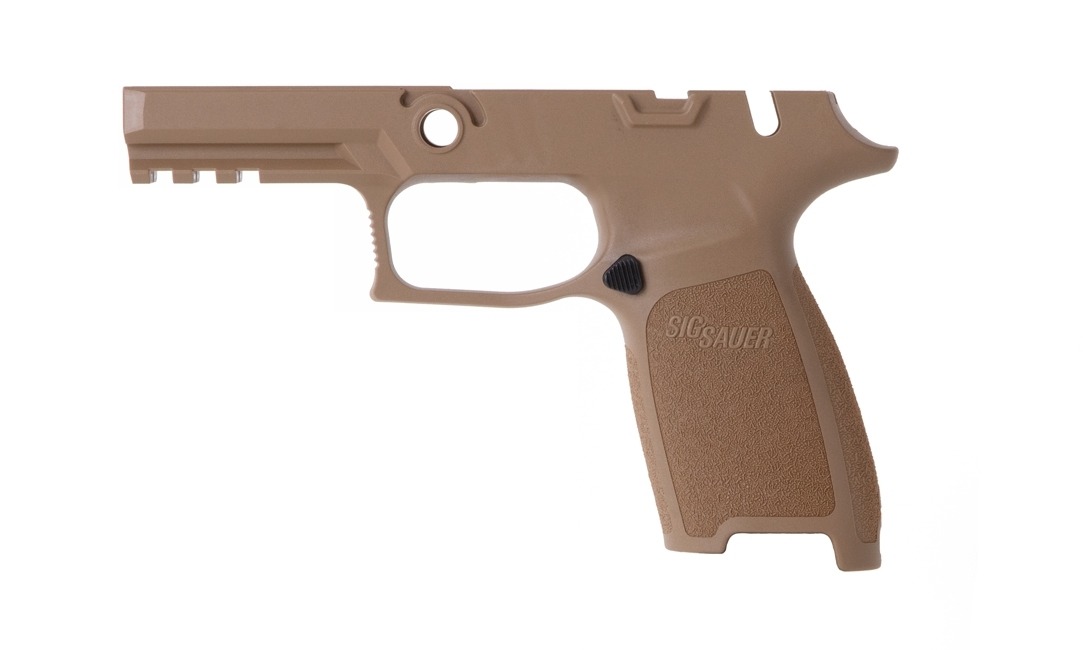
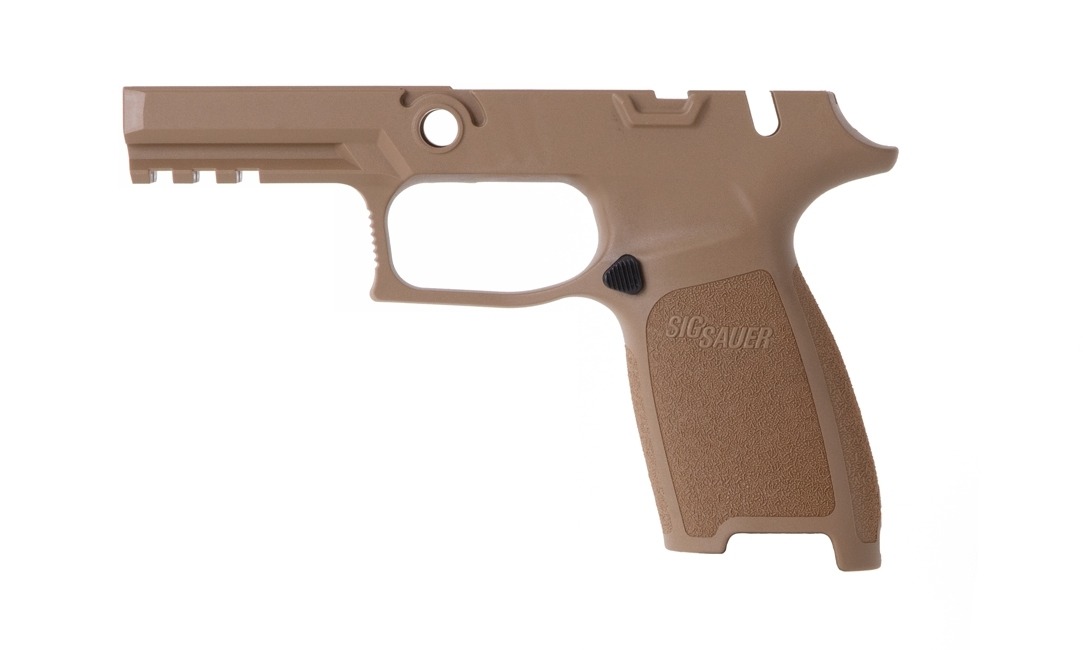
Fit is the central consideration when comparing firearm assemblies, particularly within modular platforms where similar-looking components may have different compatibility requirements. Model family, frame size, slide length, chambering, and generation can all affect whether an assembly is appropriate for a particular firearm. Shared styling or a familiar model designation should not replace an explicit compatibility statement. A slide assembly also needs to be evaluated in the context of the existing configuration, including its sight arrangement and any optic interface specified by the manufacturer. Not every optic-ready surface uses the same mounting pattern, and an assembly pictured with accessories may not include everything shown. Grip components bring a different set of considerations, including circumference, contour, texture, and the relationship between the shooter’s hand and the controls. Someone with smaller hands may prioritize comfortable reach, while another shooter may prefer a fuller contour that feels settled in the palm. Texture should provide a secure feel without becoming distracting during an extended practice session. For a closer look at this part of a coordinated setup, Coyote Tan Grips offers a related category to consider alongside compatible assemblies. Even with a coordinated appearance, each component needs its own compatibility review. Holster fit deserves attention as well, since changes in exterior dimensions, sights, or attached accessories can affect how a firearm fits an existing holster. These are practical details for anyone maintaining a familiar range setup or replacing a component while preserving the handling characteristics they already know. Clear specifications are more useful than assumptions based on photographs, especially where small dimensional differences are difficult to see. When compatibility or the need for professional fitting is unclear, confirmation from the manufacturer or a qualified gunsmith helps prevent an unsuitable selection. The goal is a properly matched configuration, not a collection of parts chosen by color alone.
Materials and surface treatment shape how coyote tan assemblies feel, wear, and respond to routine care. Steel is common in slide construction, while polymer is frequently used for grip modules; other components may use different metals or combinations of materials according to their function. The underlying material supplies structural properties, and the finish contributes surface characteristics that depend on its specific formulation and application. A tan coating should not be treated as proof of a particular hardness, corrosion resistance, or service life. Those qualities require supporting specifications rather than an inference from color. Likewise, a matte surface can reduce visible shine without being immune to scratches, abrasion, or handling marks. Repeated holster contact may produce visible wear at exposed edges and contact points, while textured grip surfaces can collect residue in their recesses. Such changes in appearance need to be distinguished from damage that warrants professional evaluation. Care should follow the component manufacturer’s recommendations, including guidance on compatible cleaners, lubricants, and cleaning tools. Strong solvents, abrasive pads, or aggressive scrubbing can affect some finishes, so a cleaning product suitable for one surface is not automatically suitable for every coated or polymer component. Before cleaning or inspection, ensure the firearm is unloaded and keep ammunition separate from the work area. Regular attention to residue and visible wear helps preserve appearance and makes changes easier to notice without treating the assembly as a display-only accessory. For frequent range users, straightforward maintenance and familiar handling often outweigh an exact cosmetic match. For an owner seeking a unified appearance, the balance may include matching the general tone while accepting natural differences between metal and polymer. Storage also matters: a clean, dry, secure space helps protect components between uses, and loose parts benefit from protection against contact with hard tools or other metal objects. Coyote tan assemblies combine a distinctive visual character with the same requirements that apply to any firearm component: suitable materials, verified compatibility, appropriate care, and a clear understanding of what the assembly includes. Those fundamentals support a selection that remains useful beyond its initial appearance.