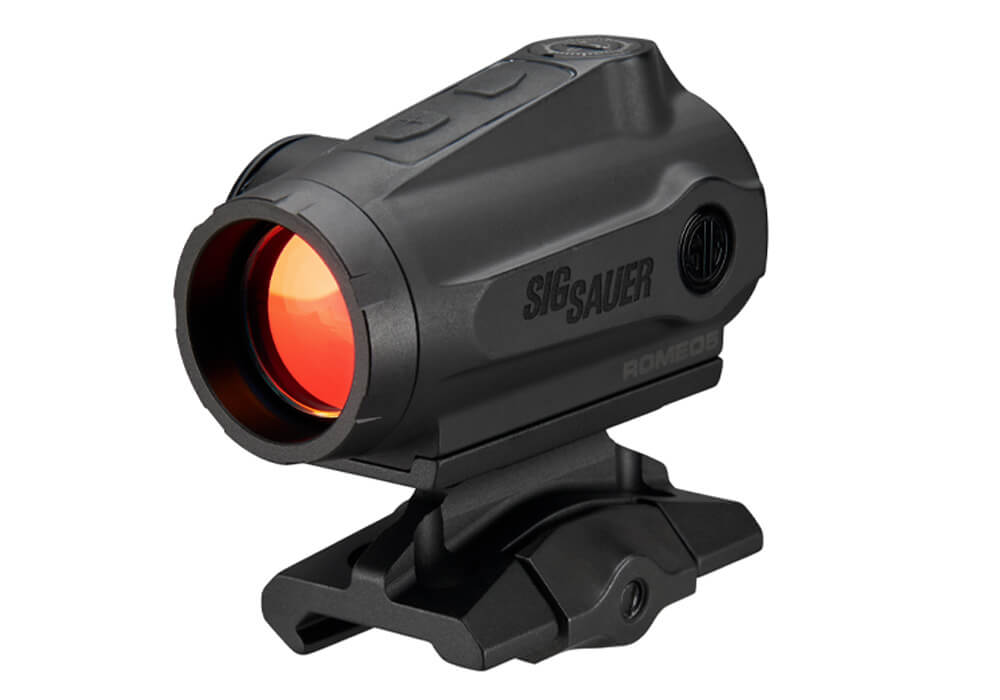
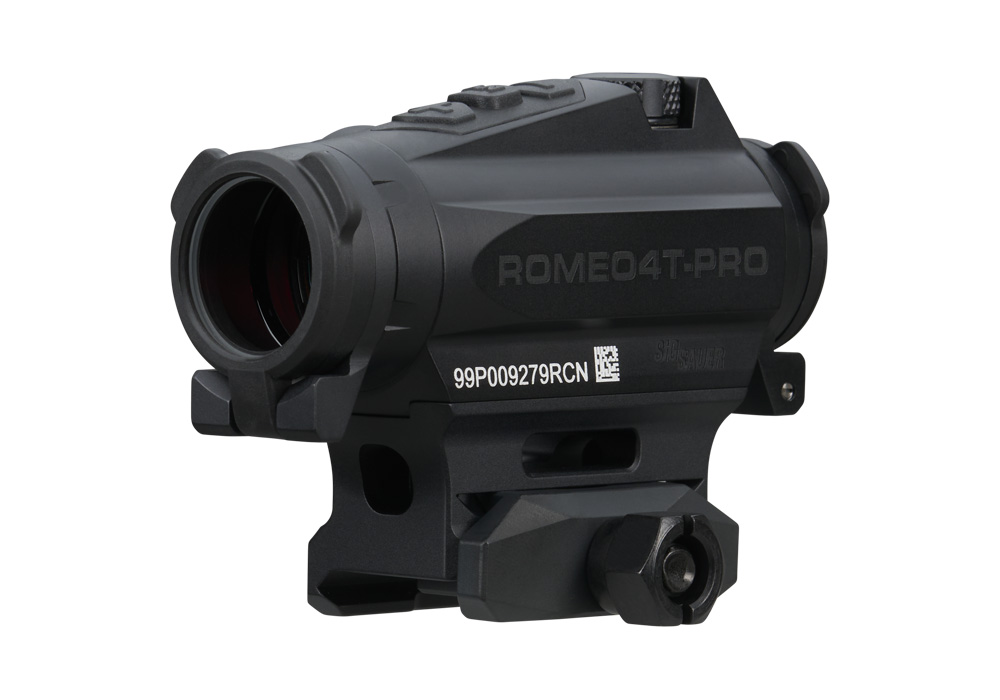
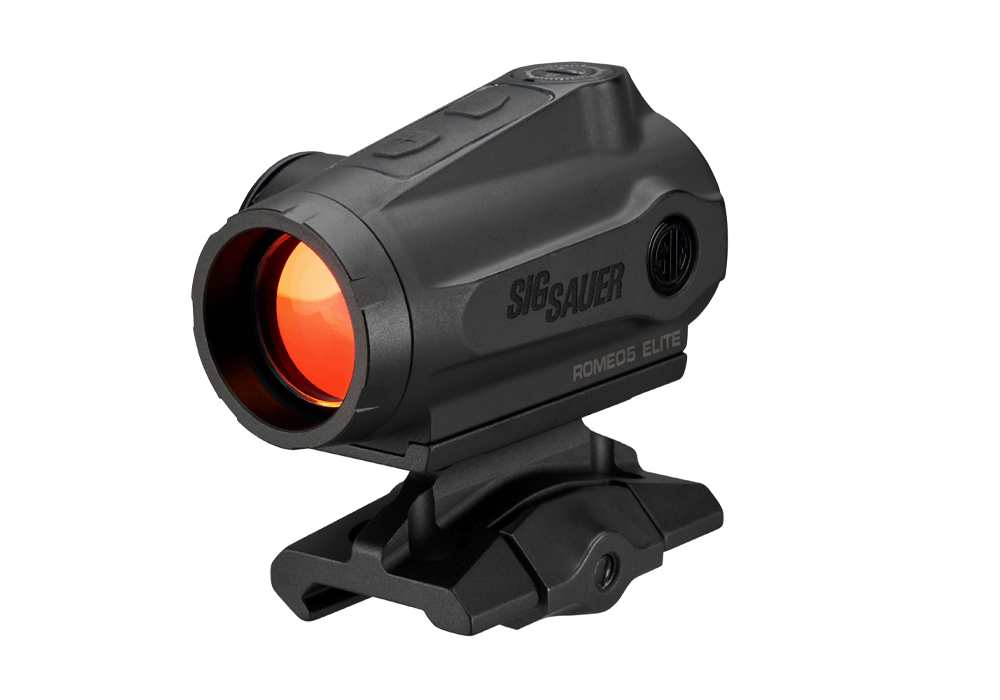
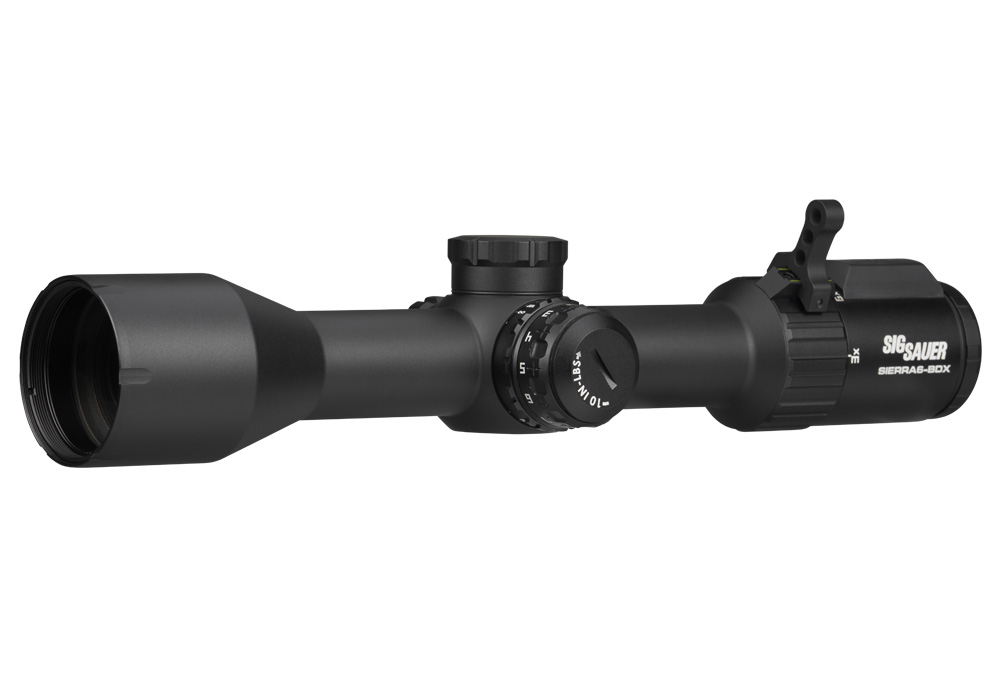
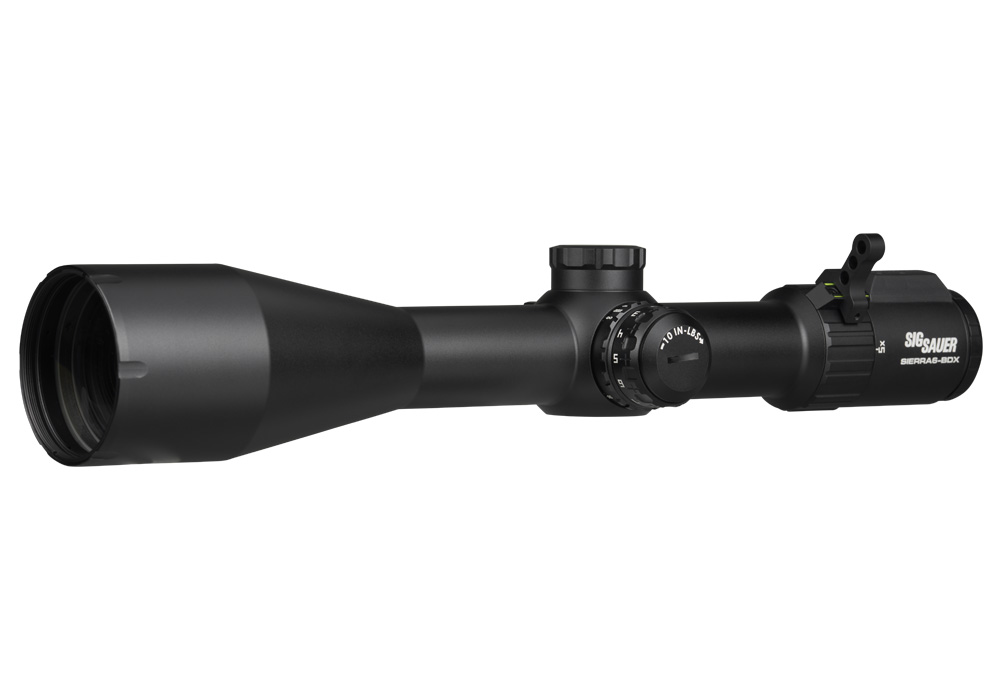
An optic is a personal choice on a Cyber Monday shopping list. Two people who spend their Saturdays at the same range may care about very different things: one likes a clear view without magnification, while the other is accustomed to looking through magnified glass. Even people who prefer the same kind of view may disagree about how much room the housing should take up or how easy the markings should be to read through protective eyewear. Those preferences give details like overall length, weight, and housing shape some meaning beyond the specification sheet. A close-up photo can show the finish and the placement of the controls, but it rarely conveys the proportions as well as the listed dimensions do. Familiar equipment offers a useful point of reference: a housing that looks compact on a screen might be longer than the one a recipient already uses, and two housings with similar outlines can have different mounting requirements. Fit is a matter of documented compatibility, not resemblance. The manufacturer’s specifications are the better reference when an optic needs to work with equipment the recipient already owns. Physical fit is separate from what feels comfortable to look through, particularly for someone who wears prescription glasses under protective eyewear or who has a strong preference about the appearance of the sight picture. A recreational shooter who knows which features feel natural may have a short list of requirements. Someone browsing for a first optic may have fewer settled preferences and find familiar controls, legible markings, and clear documentation more meaningful than a long feature list. A useful distinction, especially when shopping for another person, is whether the optic is meant to feel familiar or whether the recipient has specifically asked for something different. The answer helps put everything from the shape of the housing to the type of glass in context.
Housing materials, lens coatings, and exterior finishes tell different parts of the durability story. Aluminum is common in optic housings because it offers a balance of strength and weight, while the finish helps protect the surface from ordinary wear. A coating on the glass serves a different purpose: depending on its design, it can help manage reflections or make fingerprints easier to clean. A subdued exterior finish can look much like another in a photograph, but appearance alone says little about how the glass is treated or what protection the housing provides. Documented information about sealing and care is more useful than a general description of ruggedness, particularly for equipment that travels frequently in a range bag. The wear that turns up over time is often mundane: a rub mark where a housing rests against a zipper, a fingerprint left after pulling an optic out of its case, or fine grit gathered near the rim of a lens. A cosmetic scuff on the housing is different from a scratch on the glass, and both are reasons to pay attention to how an optic is packed and handled. A clean, padded compartment keeps the glass apart from loose hardware, and a fitted cover, when appropriate for the design, can help protect exposed surfaces between outings. For routine care, the manufacturer’s directions are the best reference. Fine grit can scratch a lens if it is rubbed into the surface, and a cloth that has been loose in a gear bag may carry the very dust it is meant to pick up. Keeping a clean lens cloth separate from general-purpose rags is a small habit that protects the glass without adding much to the upkeep. For designs with electronics, the care instructions may also address battery storage during long periods between outings. Those details matter whether an optic travels most weekends or spends much of its time in a case.
As a holiday gift, an optic tends to suit someone who has talked about the kind of view, size, or controls they prefer. A regular range visitor might mention the same small frustration after every outing, such as markings that are hard to read through eyewear. That passing remark can tell a gift giver more than a page of specifications. An experienced hobbyist may be more particular about dimensions and compatibility than about finish, especially when the gift is intended for equipment already in regular use. A newer participant who enjoys supervised range outings may still be discovering whether a simple view or a magnified one is more comfortable, so choosing together can be part of the gift. There is also a difference between replacing a familiar optic and giving someone a different design to try. For a replacement, notes about what the recipient already likes are especially useful; for something different, it helps to know which change they actually want. An optic is rarely a one-size-fits-all gift, and a brief conversation about preferences need not give away the whole surprise. For a holiday list that includes related gear as well as optics, the Cyber Monday SIG Sauer Accessories Deals page is another place to browse. Keeping the optic and related gear separate on a list leaves room for the decisions that matter most: how the view feels to the person looking through it, whether the dimensions match what that person expects, and how the optic will be stored and cared for between outings. Those are details a recipient is likely to notice long after the wrapping paper is gone.