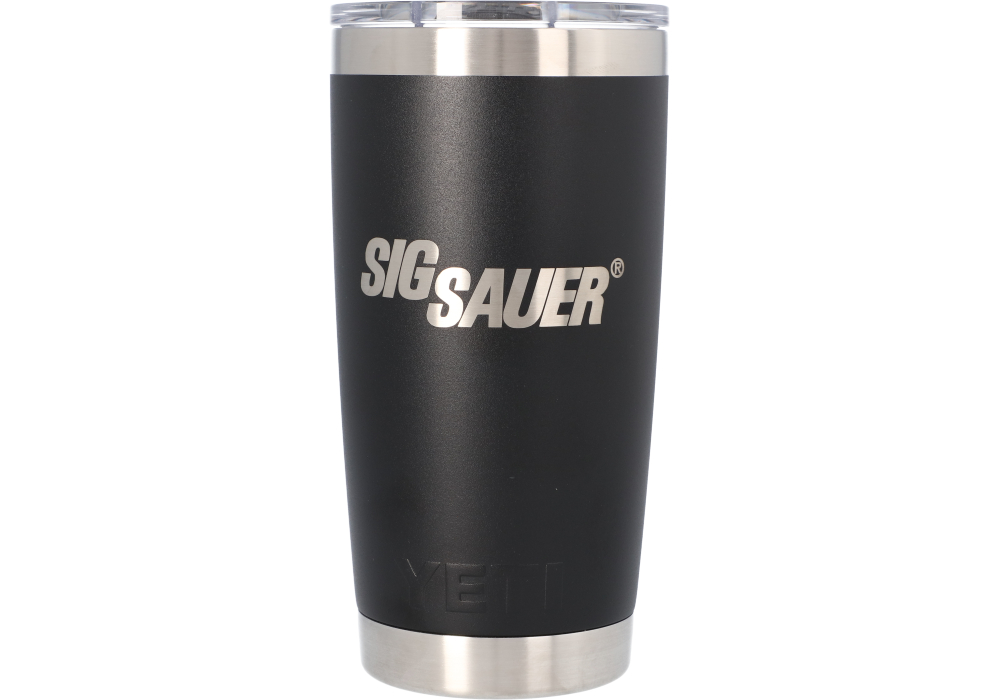
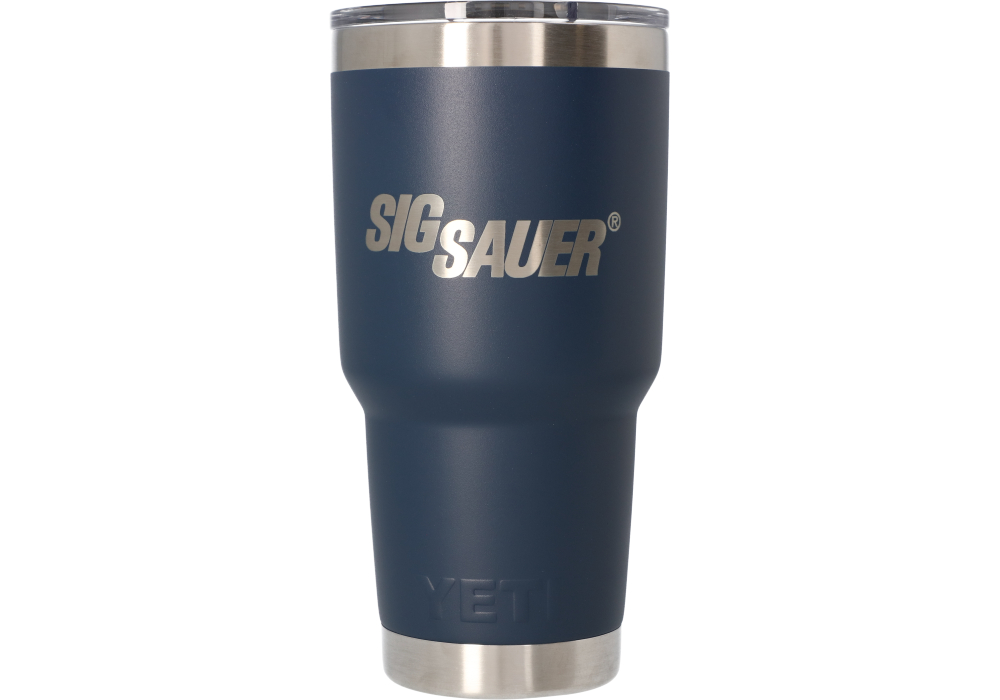
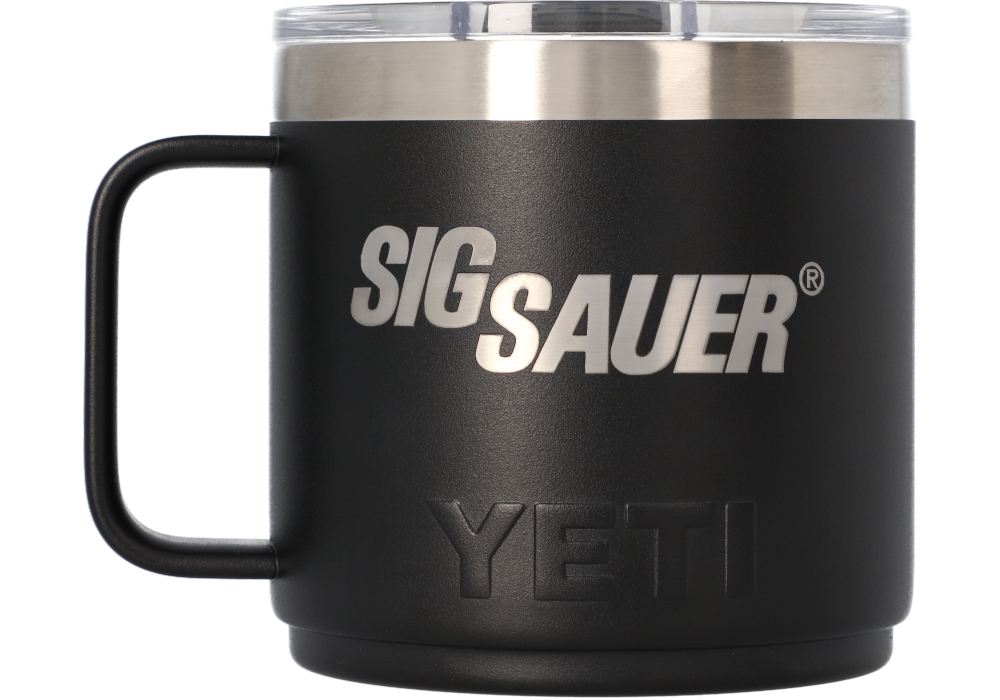
Dishwasher-safe drinkware fits into the parts of the day that tend to leave a line of cups by the sink: coffee before work, water at a desk, and something to sip with dinner. A mug with a roomy handle is comfortable to carry from the kitchen to a chair, while a tumbler with a narrower base may be a better fit for a car cup holder or the shallow ledge beside a keyboard. For a bottle that rides in a bag next to a notebook or laptop, look for a lid described as leakproof rather than assuming that any covered opening will hold back liquid when tipped sideways. At the table, a lower glass with a broad base can be easier to set down in a crowded place setting, and matching cups that nest can free up cabinet space in a shared kitchen. The right size depends as much on where the drinkware goes as on how much it holds. A tall bottle can cut down on trips to the water fountain, but it still needs clearance under the dispenser and enough room in the dishwasher for the spray arm to turn. A wide mug may be easy to fill at the coffee machine yet awkward to load beside the breakfast bowls. If shelf space is tight, check the full height with the lid attached and allow room for handles that extend beyond the body. The dishwasher-safe designation is useful, but it does not always cover every part. A cup body may be cleared for machine washing while its lid, straw, or removable seal has separate directions. A simple open cup has fewer pieces to keep track of, while a lid with a sipping opening has a clear purpose when a drink travels between rooms. Picking a shape and lid for the usual routine keeps the convenience of dishwasher cleaning from coming at the expense of a cup that feels right in the hand.
Material and finish influence how drinkware feels in daily use and what it looks like after repeated washing. Clear glass shows how much is left at a glance and works well at a dining table, where a pitcher may be passed around for refills. A substantial glass can feel steady on a flat surface, though a rim that rattles against a plate during the wash can still chip. Glazed ceramic is a familiar choice for a mug that mostly stays in the kitchen or on a desk, where a little extra weight may be welcome. Stainless steel is less prone to breaking than glass if knocked off a workbench, but it can still dent, and a colored finish or printed decoration may have different care requirements from the steel underneath. Dishwasher-safe plastic can be a lighter choice for a lunch bag or a household where a full glass is a lot for smaller hands to manage. Its care directions matter, especially when they specify a rack position or restrict certain cycles. Follow the directions for the particular piece rather than treating all drinkware of the same material alike. Leave space between rims and angle deep cups so water can drain instead of collecting in a recessed base. Cups that stack neatly in the cupboard need space between them in the dishwasher so the spray can reach the inside of each one. Lids should sit where water can reach the drinking opening, and small parts belong in a secure compartment if their care directions allow machine washing. A splash of milk or a bit of smoothie can linger under a seal even when the outside looks clean. When a lid is designed to come apart, removing and drying the washable pieces as directed helps keep residue from collecting in those seams. Letting everything dry fully before reassembly is especially helpful for bottles that spend most of their time closed between uses.
The best match often comes down to where a cup gets refilled and where it ends up afterward. Someone who refills at a gym fountain may appreciate a bottle with a generous opening and a shape that is easy to grip between sets. A commuter may care more about whether a lid can be opened when safely stopped without taking the whole top off, or whether the cup can be lifted out of a console without catching its handle. At home, a set of easy-to-load cups can simplify cleanup when several people sit down to eat, especially if the glasses fit in one section of the rack rather than taking over the space needed for plates. When insulation matters as much as cleanup, Insulated Drinkware is worth browsing. Insulation helps a drink stay closer to its starting temperature, while dishwasher compatibility describes how the vessel and its components can be cleaned. Neither feature guarantees the other, so check both before choosing a piece for a daily commute, a long shift, or a desk where a drink tends to sit through several meetings. Dishwasher-safe drinkware can also be a practical housewarming gift or a useful addition to a first apartment. A pair of sturdy glasses suits someone who likes to set the table even for a simple dinner, while an easy-to-hold mug may feel more personal for someone whose first stop each morning is the coffee pot. For a gift, familiar shapes and straightforward care can be more useful than a lid with pieces that need to be tracked down after every wash. Whether the drinkware is for one person or a whole household, details like a smooth rim, a comfortable handle, and a base that sits flat can matter more over time than how a cup looks on the shelf. A piece that feels natural to reach for, fits where it needs to go, and can go through the usual cleanup routine is one that earns its place in the cupboard.