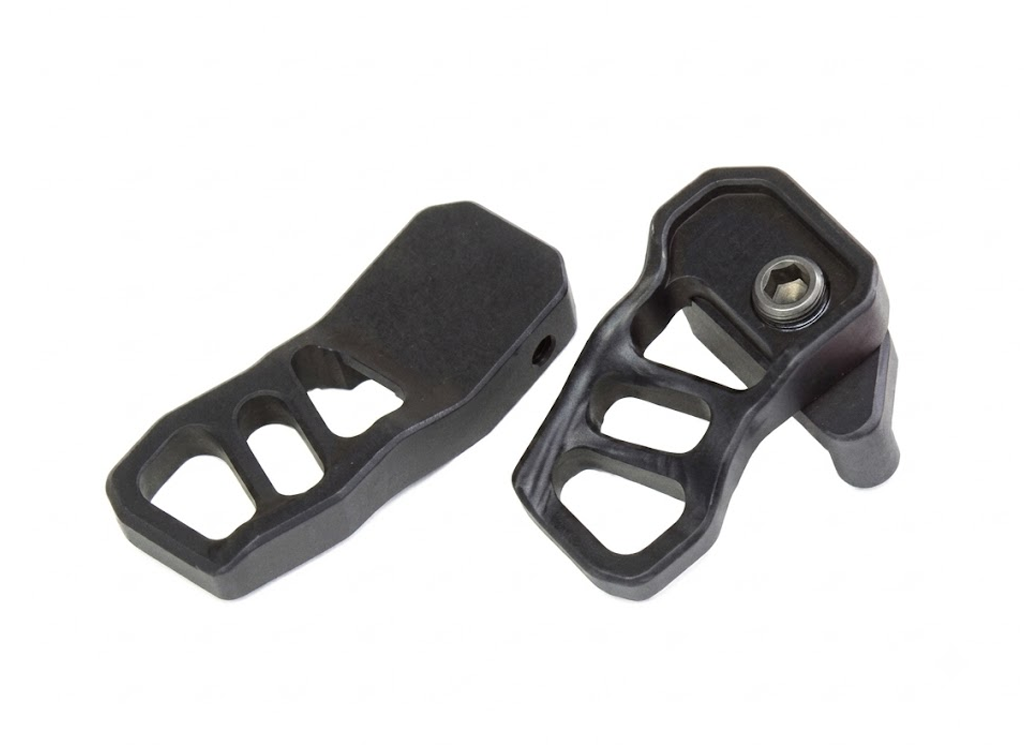
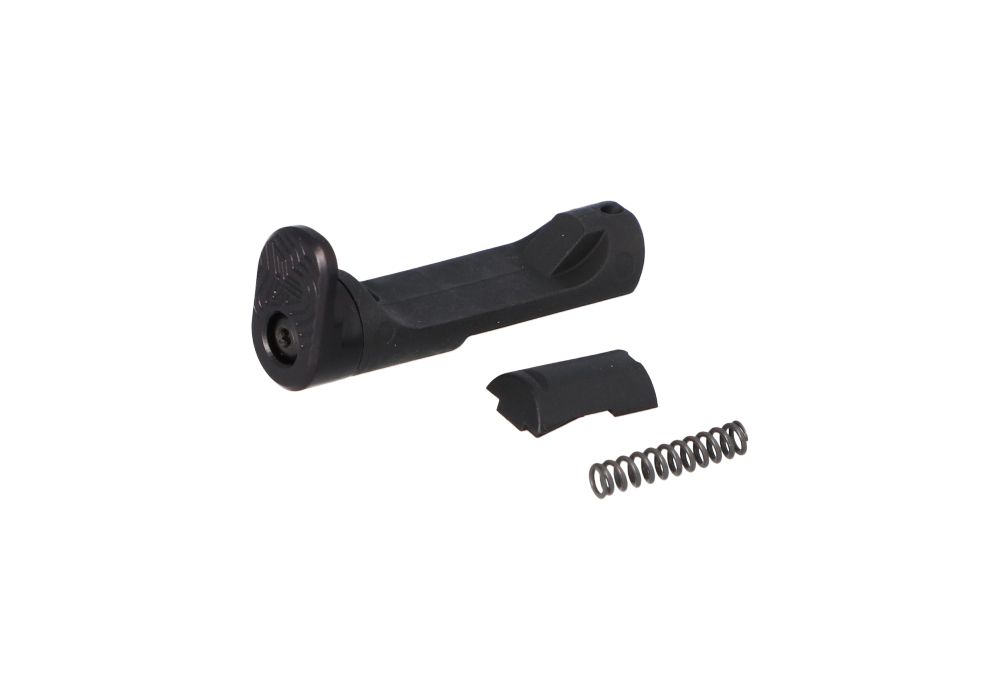
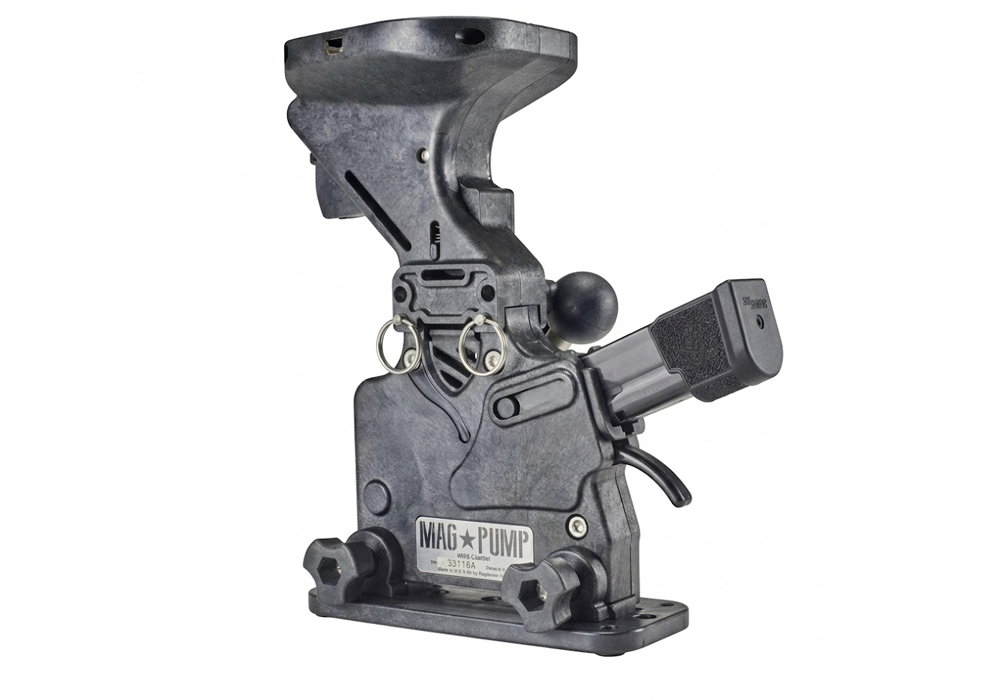
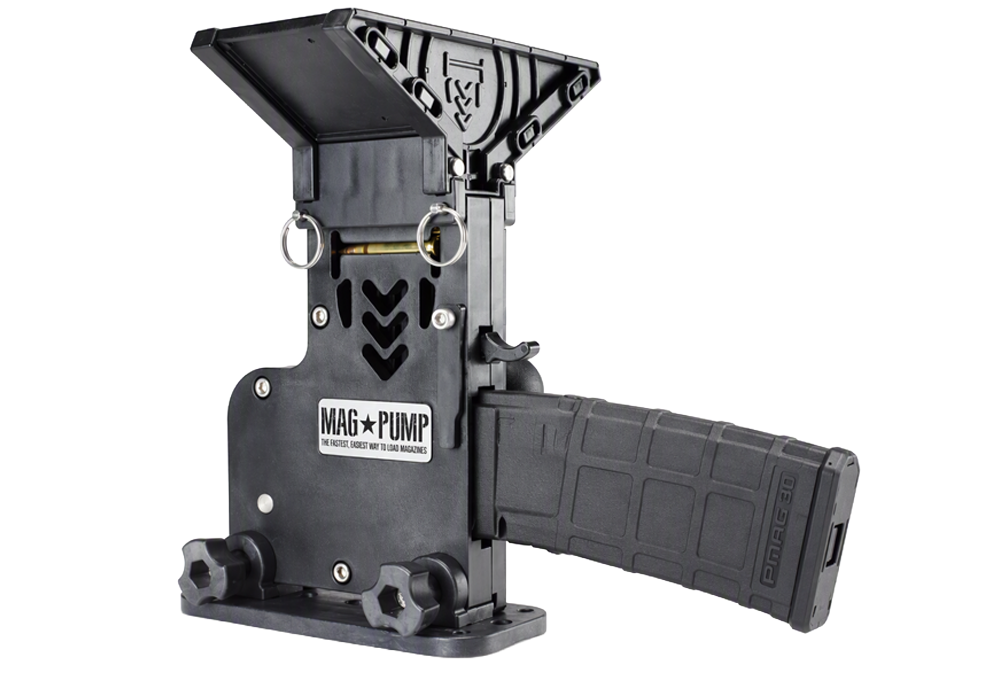
Easy magazine loaders help take some of the effort out of filling firearm magazines, especially when spring pressure makes the last few cartridges harder to seat. By providing a larger contact surface or mechanical leverage, a loader can reduce repeated pressure on the thumb and make preparation for a range session more comfortable. The easiest magazine loader for a particular shooter is not necessarily the largest or fastest design; it is the one that fits the magazine correctly, operates smoothly, and feels manageable in the hand. Compact handheld loaders suit shooters who want a small accessory that travels easily in a range bag. Many use a simple pressing motion to assist with magazine spring pressure, while other designs incorporate a lever or plunger. Bench-oriented loaders emphasize a stable working surface and can be useful when preparing several magazines for an extended practice session. Some designs accept cartridges from a tray or hopper, although their compatibility and operating requirements vary. These differences matter more than a broad claim of universal fit. A recreational shooter preparing a few magazines has different needs from a frequent participant in organized shooting sports who repeats that preparation throughout a range visit. Shooters with limited hand strength or sensitive thumbs may particularly appreciate a comfortable grip and an action that requires less direct finger pressure, though individual results depend on the loader, magazine, and user. A good match should feel controlled rather than awkward, with enough room for the fingers and a clear view of the magazine opening. Rounded edges, accessible controls, and a secure hold can be as valuable as speed. For anyone comparing easy magazine loaders, the practical benefits are straightforward: less repetitive thumb work, more consistent magazine preparation, and an accessory that fits naturally into an established range routine. Those benefits depend on proper compatibility rather than on size alone, and a compact tool can be the more convenient choice when portability matters most.
Magazine fit is the central consideration because cartridge size alone does not establish compatibility. Single-stack and double-stack magazines differ in width and internal arrangement, and magazines for the same cartridge can have different body dimensions, feed-lip profiles, or upper contours. A loader described as broadly compatible may still have exceptions, so its stated magazine and cartridge specifications deserve close attention. Pistol and rifle magazine loaders also serve different shapes and cartridge arrangements; a tool intended for one category should not be assumed to fit the other. Rimfire cartridges introduce additional differences in case shape and construction, making explicit compatibility especially important. Magazine sleeves, extended baseplates, and other external features may affect how securely a loader seats or how comfortably the assembly rests in the hand. A proper fit should not require forcing the tool against the magazine or modifying either component. Materials and construction influence both handling and longevity. Reinforced polymer can provide a lightweight body with comfortable contours, while metal components may support wear-prone contact points or mechanisms that experience repeated movement. Neither material is automatically better for every application: thoughtful geometry, sound joints, and smooth operation matter alongside the material itself. A handheld design benefits from a body that remains steady under normal pressure without feeling bulky. A bench design benefits from a stable footprint and components that remain aligned through repeated use. Textured surfaces can improve purchase, but excessive texture or sharp molding seams can become uncomfortable during a long session. Hinges, pivots, and sliding parts should move without binding, and cartridge-contact surfaces should remain smooth. For frequent users, durability means retaining reliable fit and predictable operation after repeated trips to the range, not simply having a heavy construction. A useful comparison therefore considers the complete experience: how the magazine engages, where the hand applies pressure, whether the controls are easy to reach, and how much space the loader occupies when packed away. These details help distinguish an accessory that is merely compatible from one that is genuinely comfortable to use.
Care for a magazine loader is generally straightforward, but it still matters. Dust, loose grit, and residue can collect around moving parts or inside the areas that contact the magazine. Routine inspection and cleaning according to the manufacturer’s directions help preserve smooth movement and reveal wear before it interferes with fit. Cleaning products should be suitable for the loader’s materials, particularly when polymer bodies, coatings, or rubberized surfaces are present. Lubrication is appropriate only where the manufacturer recommends it; excess oil can attract debris and is not a substitute for removing contamination. A cracked body, bent contact surface, or loose mechanism warrants attention rather than additional force. Storage is another practical consideration. A dedicated pocket or small accessory pouch helps keep a compact loader easy to find and protects it from loose tools inside a range bag. Larger loaders need enough room for their moving components and a suitable surface when in use. For households with more than one magazine type, keeping compatibility information with each loader can prevent confusion between similar-looking accessories. Easy magazine loaders can also be thoughtful gifts for adults who enjoy lawful shooting sports or regular range practice, provided the recipient’s magazine type is known. Comfort preferences matter, too: someone who values a light travel setup may prefer a compact tool, while someone who prepares multiple magazines at a bench may appreciate a more substantial design. Shoppers considering related options can explore Economical Mag Loaders while keeping magazine fit, hand comfort, and intended use at the center of the comparison. A loader remains an accessory, not a replacement for safe handling practices. Magazine preparation belongs in an appropriate area with the firearm unloaded and separate from the task, and loaded magazines and ammunition require secure storage. With the right fit and sensible care, a well-chosen loader can become a dependable part of range preparation: easy to pack, comfortable to handle, and useful whenever repeated magazine filling would otherwise leave the fingers doing all the work.