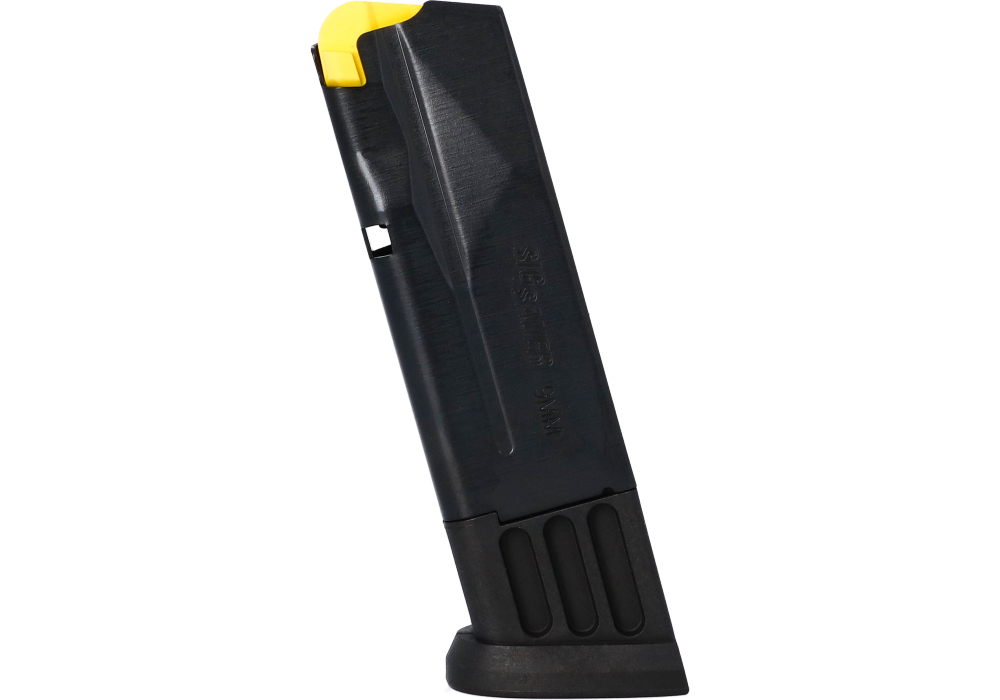
Extra magazines are spare ammunition-feeding devices for compatible firearms, providing a replacement for the magazine normally used with a handgun or rifle. In this setting, the term refers to firearm equipment rather than additional issues of a publication. A detachable magazine holds cartridges and uses a spring and follower to present them to the firearm’s feeding system; it is not the same component as an ammunition clip. For recreational shooters, sporting competitors, and people attending supervised firearms instruction, additional magazines can help keep equipment organized and reduce interruptions during scheduled practice. They also provide a separate option when a magazine needs inspection or service, although a spare is not a substitute for identifying an underlying equipment problem. The most important consideration is compatibility. Firearm model, chambering, frame size, and sometimes generation all affect which magazine fits and functions as intended. Two magazines can look nearly identical and still differ in their catch position, body dimensions, feed-lip geometry, or baseplate profile. A shared cartridge designation alone does not establish a correct fit, and a magazine that physically enters the firearm is not necessarily appropriate for it. Manufacturer compatibility information and the firearm’s owner’s manual are more dependable references than visual resemblance. Flush-fitting designs generally follow the outline of the grip, while extended designs project beyond it and may change how the firearm fits in a case or how the grip feels in the hand. Those differences matter when selecting equipment for a particular use, especially if the firearm already has a grip attachment or other component near the magazine opening. Round count is another specification to review alongside dimensions and compatibility, not in place of them. Laws governing magazine possession, purchase, and transport vary by jurisdiction, so applicable state and local requirements belong in the selection process. A useful extra magazine is one that matches the firearm, the owner’s intended activities, and the requirements that apply wherever it will be used.
Materials and construction influence how a magazine feels, wears, and responds to routine handling. Depending on the design, magazine bodies may use steel, stainless steel, aluminum, reinforced polymer, or a combination of materials. Metal bodies can offer relatively thin walls and rigid construction, while polymer designs may incorporate molded texture and contours that are comfortable to handle. Neither material category guarantees better performance across every firearm platform; dimensional consistency, component quality, and compatibility remain central. Surface finishes can help resist corrosion and abrasion, but they do not eliminate the need for care. The body, feed lips, follower, spring, and baseplate each have a distinct role, and damage to any one of them can affect function. A dented body, cracked polymer, loose baseplate, or visibly distorted feed lips deserves attention rather than being dismissed as cosmetic wear. By contrast, light finish marks from ordinary insertion and removal do not automatically mean a magazine needs replacement. Inspection should follow the manufacturer’s criteria, with questionable equipment set aside for evaluation by a qualified professional. Routine care is usually more about keeping debris out than adding lubricant. Dust, lint, and residue can collect around openings or inside a magazine, particularly when equipment shares a bag with other range supplies. Cleaning methods, approved solvents, and lubrication requirements differ by design, so the manufacturer’s instructions should determine the approach. Unnecessary oil can attract debris, and an unsuitable chemical can harm certain finishes or polymer components. Any inspection or maintenance should take place with the firearm unloaded, ammunition removed from the work area, and safe handling practices observed. Springs and internal parts should not be stretched, reshaped, or modified in an attempt to correct a problem. A magazine that repeatedly causes feeding difficulties should be removed from use until the cause has been assessed. Thoughtful care protects more than appearance: it helps keep a small, frequently handled piece of equipment in serviceable condition without relying on improvised repairs or assumptions about wear.
Intended use helps narrow the remaining choices. Someone attending a structured range class may appreciate having several compatible magazines identified and organized before arriving, while an occasional recreational shooter may simply want a spare that matches familiar equipment. Sporting participants may have event rules to consider in addition to firearm fit and legal requirements. For households with more than one firearm, clear identification is especially valuable when magazines have similar silhouettes but different compatibility. A durable label on an appropriate exterior area can distinguish equipment without interfering with moving parts or covering important markings. Separate storage compartments can also prevent a range bag from becoming a jumble of loose magazines, tools, and cleaning supplies. Protective pouches and organizers should suit the magazine’s dimensions, support secure storage, and avoid placing unnecessary pressure on exposed components. Related Magazine Accessories can complement that organization, provided each accessory is expressly compatible with the magazine design. Baseplates, protective covers, and other attachments are not universally interchangeable, and an accessory that changes overall dimensions can also affect fit in a pouch or case. Transport and storage deserve the same attention as selection: follow applicable laws, keep equipment secured against unauthorized access, and avoid leaving magazines where loose debris or cleaning chemicals can collect around them. Extra magazines can also be a practical gift for an adult firearm owner who values well-matched equipment, but this is a category where exact information matters more than a visual guess. Confirming the recipient’s firearm model, chambering, and preferred configuration helps avoid a gift that resembles the right component without actually fitting. For any owner, consistency can simplify routine equipment checks. Keeping a record of which magazines belong with which firearm, noting recurring concerns, and following manufacturer recommendations creates a clearer picture of condition over time. The goal is straightforward: compatible equipment that is easy to identify, appropriate for its intended use, and maintained with the same care as the firearm it supports.