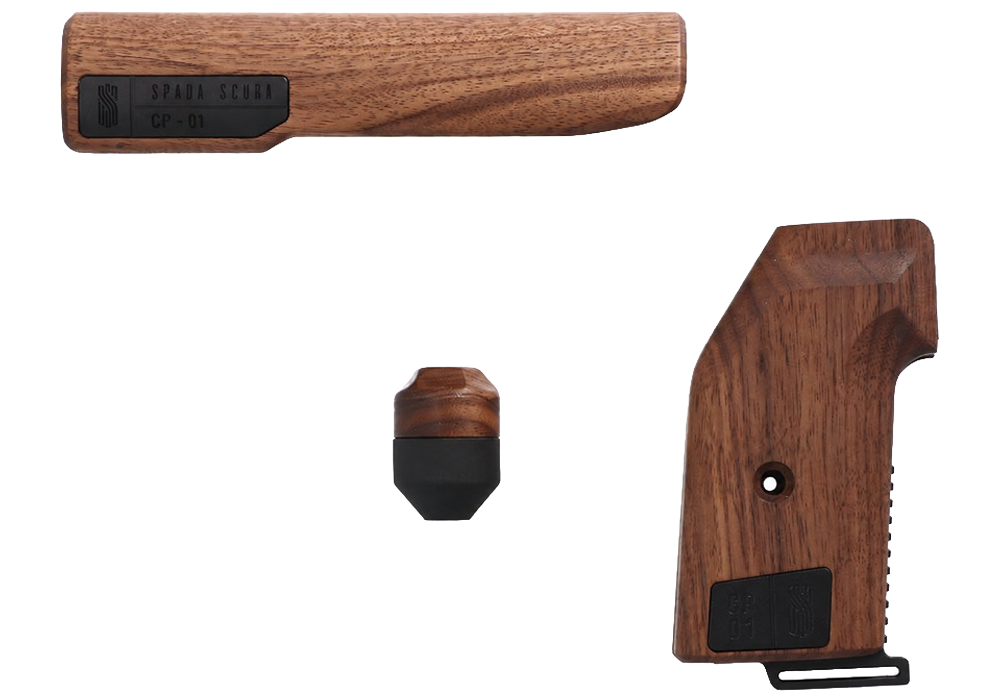
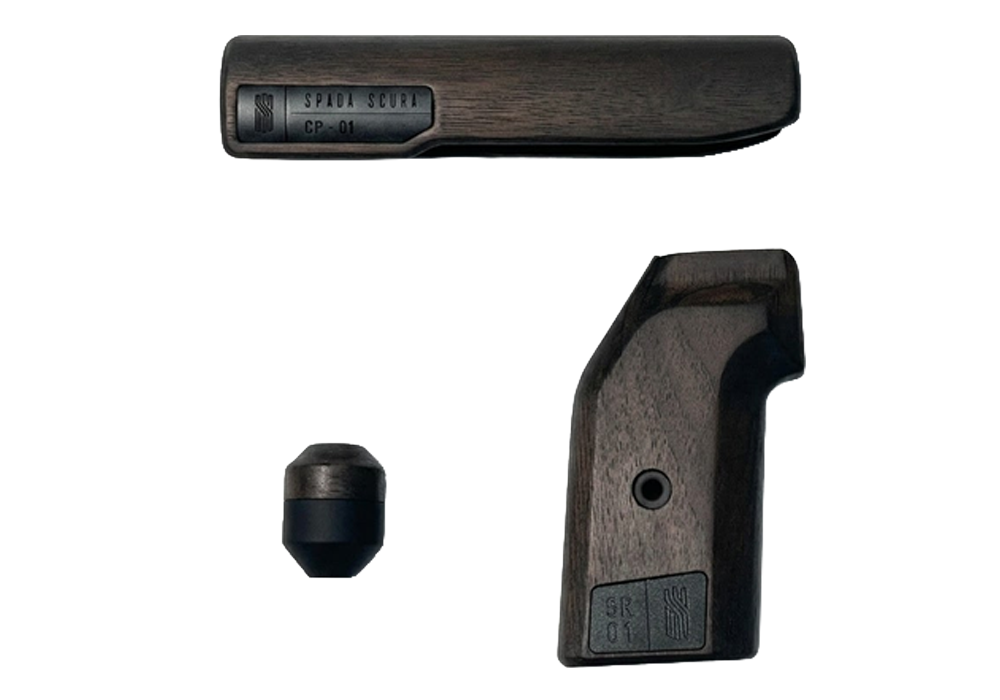
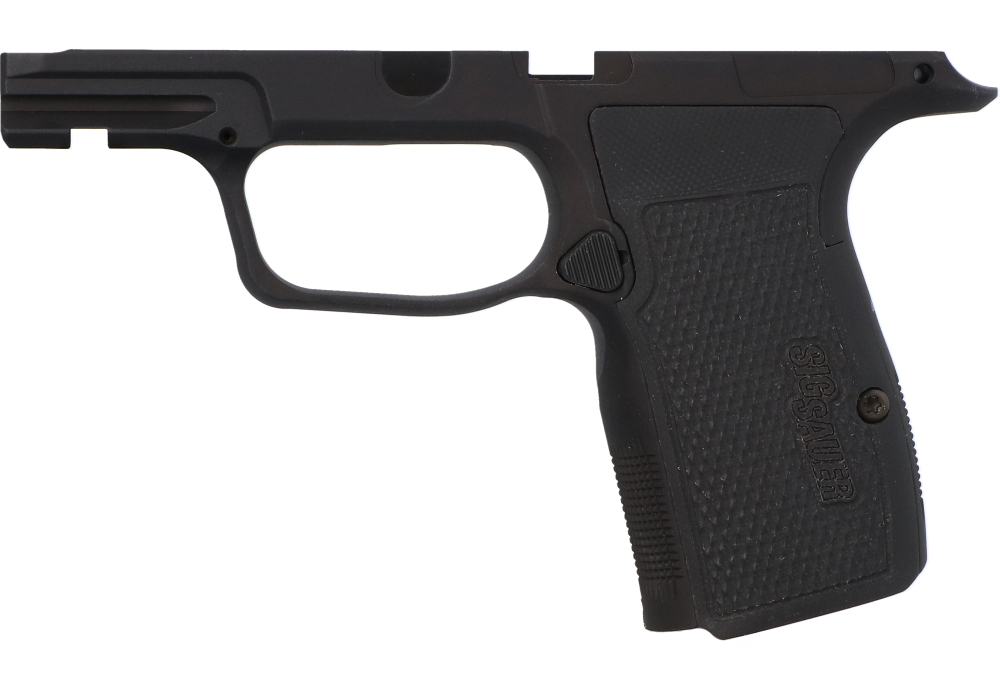
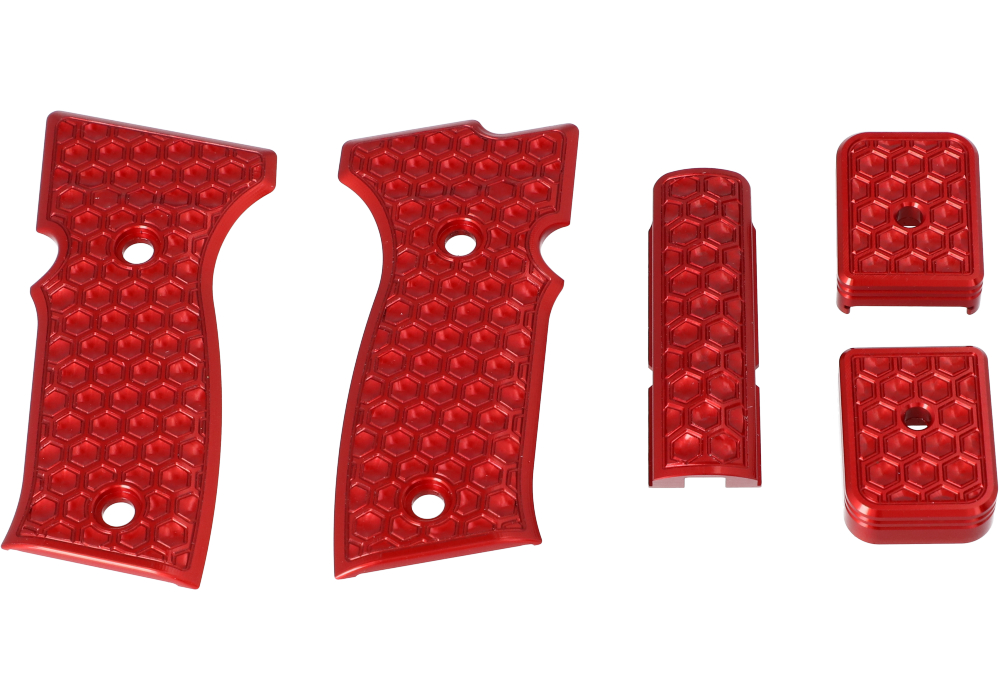
Gun customization options can help owners tailor a firearm’s fit, controls, sighting system, and overall handling to match a particular purpose. Some changes focus on comfort and ergonomics, while others support faster sight alignment, improved visibility, recoil management, or a more distinctive appearance. The right starting point depends on the firearm type, the shooter’s experience, and whether the intended use involves range practice, competition, hunting, duty, or responsible home protection. Handgun owners often begin with grip-related upgrades, such as interchangeable grip panels, backstraps, grip sleeves, or texture enhancements that help the firearm feel secure in the hand. A proper fit can make a noticeable difference during a long range session, especially when the shooter is working on consistent presentation and trigger control. Owners exploring these options can review Pistol Customization Parts for components intended to refine the feel and function of compatible pistols. Adjustable controls, extended or alternative-size components, and ambidextrous configurations may also help accommodate different hand sizes, shooting positions, or left- and right-handed use. Before ordering, confirm the exact model, generation, caliber, frame size, and compatibility requirements. Even parts that appear similar may not fit every configuration, and changes to controls or internal components should be evaluated carefully. A qualified gunsmith can help with installation, fitment, and function checks when a modification involves the trigger system, barrel, slide, safety mechanism, or other critical assembly.
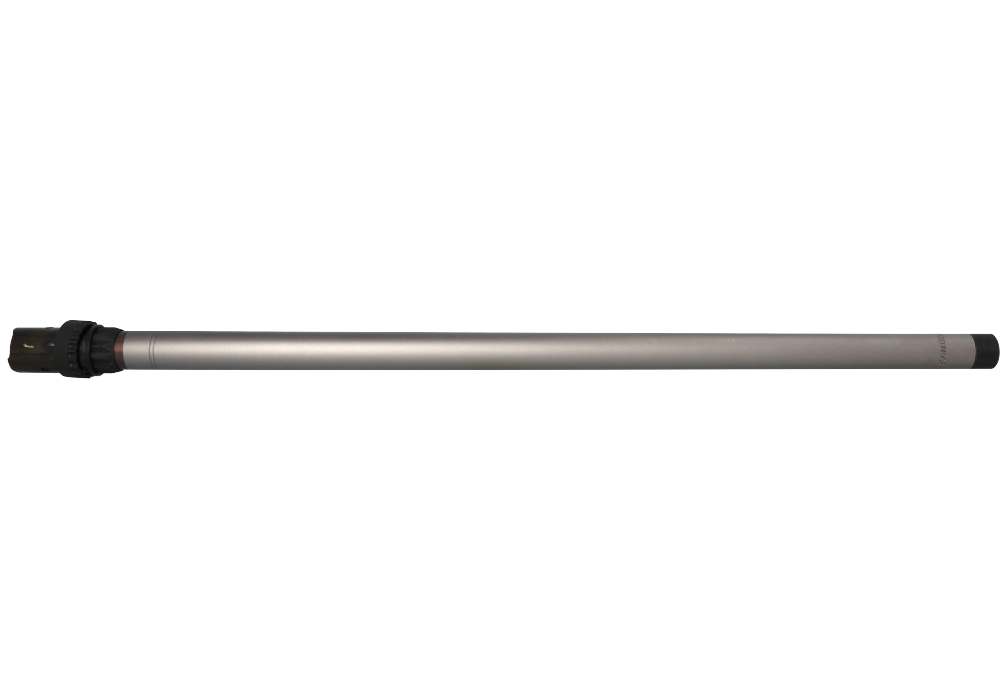
Optics and sighting accessories are another major category within gun customization options. Compact electronic sights can provide a clear aiming reference and may support rapid sight acquisition when properly installed and zeroed, while magnified optics are commonly selected for rifles used at greater distances. Traditional replacement sights, fiber-optic elements, night sights, and other low-light sighting solutions can be useful for shooters who practice across changing conditions, although every sighting system requires training and a reliable zero. Mounting compatibility deserves close attention: the optic footprint, mounting plate, rail pattern, height, clearance, and co-witness arrangement all affect the final setup. Lasers and illumination accessories may also be considered for specific applications, but they should complement—not replace—safe handling, a stable shooting position, and disciplined use of the sights. On rifles and shotguns, stocks, chassis systems, adjustable cheek rests, and recoil pads can change length of pull, shoulder contact, and cheek weld. Handguards and foregrips may improve support-hand placement while providing a practical mounting surface for compatible accessories. For owners who spend time at the range during the cooler months, a well-fitted stock or grip can make repeated practice more comfortable, particularly when gloves or additional clothing affect reach and control. Recoil management options include appropriately selected muzzle devices, compensators, and recoil pads, but these parts can alter sound, blast, balance, and handling characteristics. Threaded barrels may accommodate compatible muzzle devices or suppressors where legal, but barrel length, thread pattern, ammunition, and local requirements must all be verified before purchase. Changes to a rifle or shotgun should preserve safe operation and maintain adequate clearance around moving parts, hot surfaces, and the bore.
Customization can also be primarily visual or protective. Durable coatings, finishes, engraving, and removable wraps may personalize a firearm while helping owners address wear, storage conditions, or a preferred color and pattern. A finish intended to resist abrasion or corrosion can be especially practical for equipment that travels frequently between a safe, range bag, and practice area, though no coating eliminates the need for routine cleaning and proper storage. Decorative engraving or patterned treatments can make a firearm meaningful as a commemorative gift for an eligible adult who already has an established interest in shooting sports, collecting, or responsible firearm ownership. Accessories such as replacement grips, storage solutions, sight upgrades, and range-oriented controls may also be thoughtful gifts when the recipient’s exact firearm model and preferences are known. Avoid selecting fit-specific parts based only on appearance; a gift card or opportunity to choose together may be more useful than an incompatible component. Trigger upgrades and other internal modifications deserve particular care because changes in pull weight, travel, reset, or engagement can affect how the firearm behaves. Installation should be performed by a qualified professional when required, followed by a complete function check and careful testing with appropriate ammunition at a safe, authorized range. Every customized firearm should remain unloaded until ready for use, secured from unauthorized access, transported according to applicable rules, and handled with the same four fundamental safety practices: treat every firearm as loaded, keep the muzzle pointed in a safe direction, keep the finger outside the trigger guard until ready to fire, and identify the target and what lies beyond it. With thoughtful selection, verified compatibility, professional installation where appropriate, and regular practice, customization options can make a firearm more comfortable, more intuitive, and better suited to its owner’s lawful purpose.