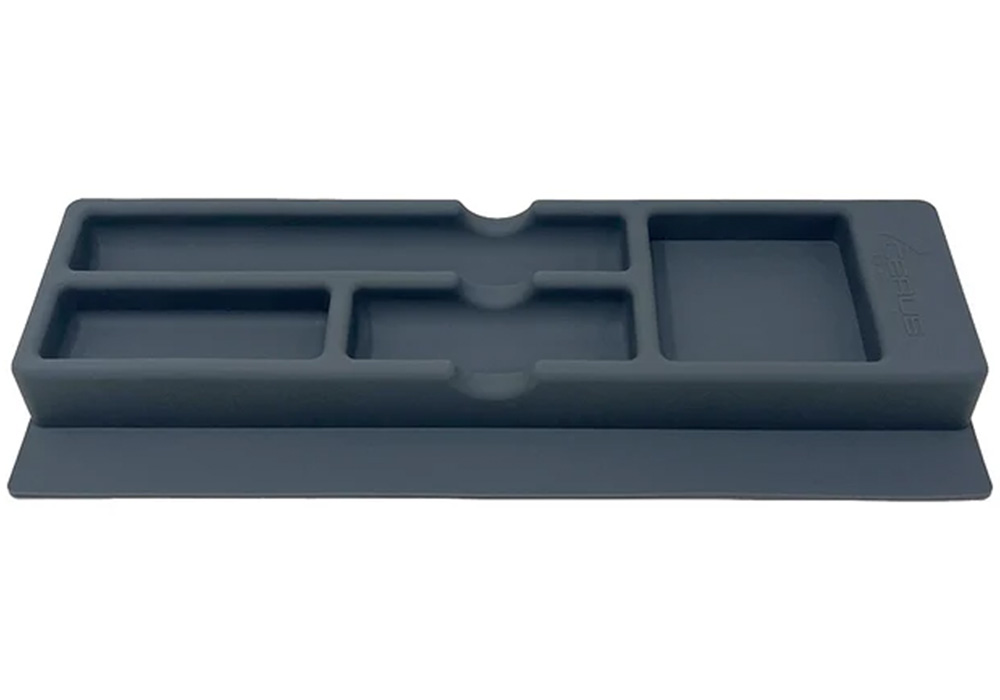
A gun mat is a practical foundation for firearm upgrades, maintenance, and careful disassembly, giving each project a defined work area while helping protect both the firearm and the surface beneath it. When a bench is covered with a soft, non-slip mat, small components are less likely to skid across a hard tabletop, and the firearm is less likely to pick up scratches from grit, tools, or unfinished wood. This added control is especially useful during upgrade work involving sights, triggers, grips, stocks, handguards, controls, or other small parts that require a steady hand and an orderly workspace. Look for a mat sized to support the firearm with room around all sides for tools and removed components. A compact mat can suit a pistol on a desk or range-bag work surface, while a longer design gives a rifle or shotgun more support from muzzle to stock. A cushioned top can help prevent contact marks, while a rubberized or textured backing helps keep the mat from shifting as you apply pressure to a fastener or work through a stubborn component. Some mats include raised edges, pockets, trays, or magnetic areas that help contain springs, pins, screws, and other easily misplaced pieces. These features can make a noticeable difference when a tiny part drops onto the floor and disappears beneath a cabinet, particularly during detailed work under bright task lighting. A dedicated mat also creates a repeatable setup: firearm cleared and verified, tools arranged within reach, parts placed in order, and the finished upgrade checked before the work area is packed away.
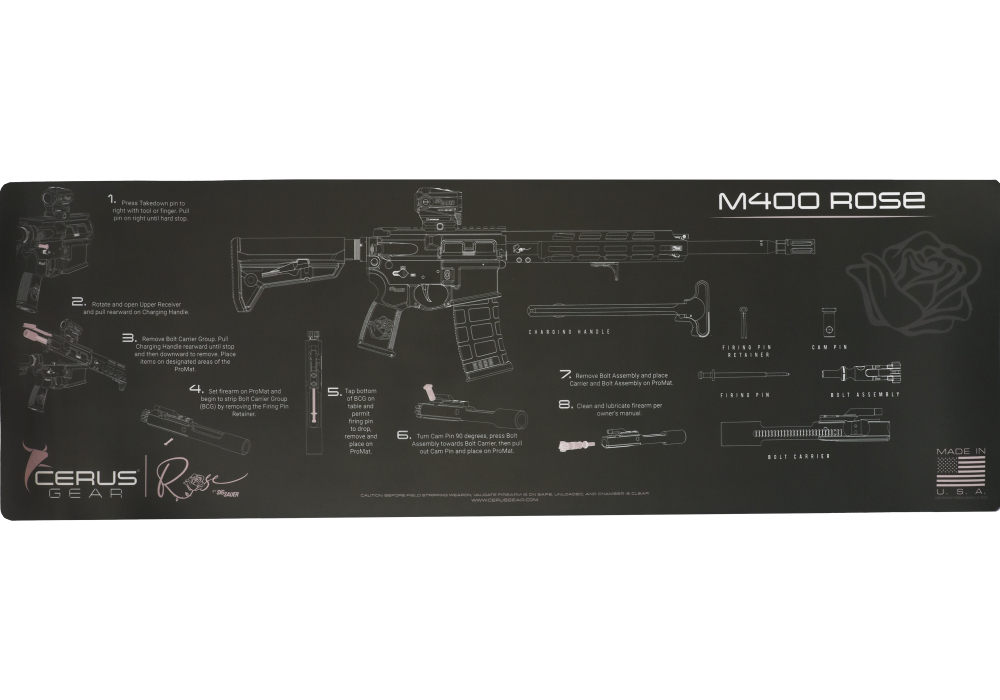
Material and surface treatment deserve close attention when choosing a gun mat for firearm upgrades. Many designs use PVC, rubber, polymer, polyester, or layered combinations intended to provide cushioning and resistance to common cleaning products, lubricants, and oil. Solvent resistance does not mean every mat is compatible with every chemical, however. Read the manufacturer’s care instructions, use only products appropriate for the firearm and mat, and wipe spills away instead of allowing cleaners to sit on the surface for extended periods. A mat that resists staining and moisture can help preserve a clean, professional work area, while a smooth surface is easier to brush or wipe free of dust and metal shavings. Textured surfaces may provide more traction, though deeply patterned designs can make small parts harder to spot. Printed diagrams are another useful consideration. A clear schematic or parts layout can help identify where components belong during reassembly, especially when several pins or screws look similar after cleaning. Diagrams are best treated as a visual reference rather than a substitute for the firearm’s owner’s manual, the instructions supplied with an upgrade, or qualified gunsmith assistance. Keep the manual nearby, confirm that the firearm is unloaded before beginning, remove ammunition from the immediate work area, and use the correct tools instead of forcing a part into place. For additional project planning, a dedicated selection of Parts For Firearm Upgrades can be considered alongside a mat that offers enough space to sort original components and replacement parts separately. During the cooler months, a mat can turn a garage bench, utility table, or indoor workspace into a more comfortable and controlled place for inspection and upgrade work, while its rollable or foldable construction makes cleanup and storage straightforward when the project is complete.
Gun mats can serve a wide range of firearm owners, from someone performing a first sight installation to an experienced enthusiast who keeps a permanent bench organized for regular maintenance. They are also useful for instructors, competitive shooters, hunters, collectors, and anyone who prefers to handle equipment with deliberate care rather than directly on a bare countertop. A shooter preparing for a new season may use the mat to inspect mounting hardware, replace worn controls, or confirm that accessories are properly secured before heading outdoors. At home, the mat helps separate a firearm project from ordinary household surfaces and gives every tool and component a designated place. As a gift, it is a thoughtful choice for a new firearm owner, a range partner, or a hobbyist building a more capable workbench because it supports many different projects without depending on a particular firearm model. Select a design based on the recipient’s typical equipment, available workspace, and working habits: a compact, easily stored mat may suit a small apartment or travel kit, while an extended-length mat can be better for long guns and broader upgrade layouts. Magnetic sections are helpful for ferrous hardware but may not secure every material, so trays and compartments still have value. Consider whether the printed graphics match the firearm platform being serviced, whether the backing grips the bench, how easily the surface rolls for storage, and whether the mat can be cleaned without damaging its finish. The best setup feels calm and intentional: a padded surface beneath the firearm, a labeled container for removed parts, tools aligned along one edge, and enough open space to inspect each component before reassembly. With that arrangement, a gun mat does more than cover a bench; it supports safer habits, protects equipment, reduces clutter, and makes firearm upgrades easier to approach from the first removed fastener to the final function check.