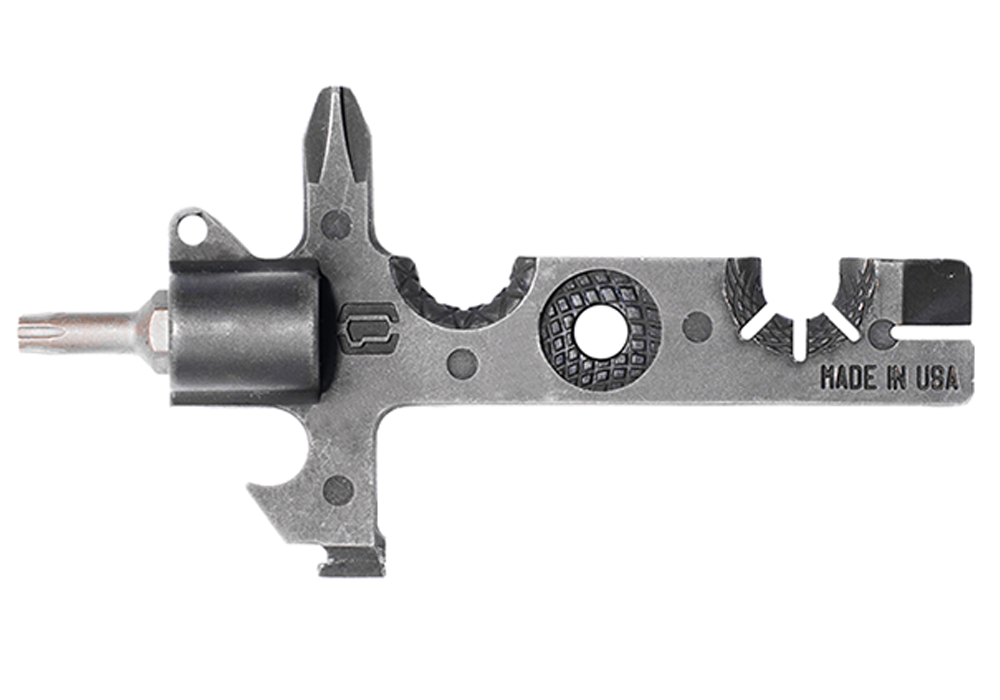
Gunsmithing workshop supplies support firearm cleaning, inspection, routine maintenance, and the organized handling of components. Common categories include precision drivers, properly fitting bits, torque tools, protective bench mats, padded supports, cleaning brushes, compatible solvents, lubricants, and small-parts storage. A useful selection starts with the firearms being maintained and the work their manufacturers authorize owners to perform. A compact handgun and a full-length rifle present different support needs, while fastener dimensions, surface finishes, and cleaning requirements vary across platforms. Tool fit matters more than the size of a tool collection: a driver bit should match the fastener’s profile and dimensions, and a torque tool should cover the specified working range with readable markings. Hollow-ground bits can provide appropriate contact in compatible slotted screws, while other fasteners require their corresponding bit geometry. Torque specifications remain particular to the component and its manufacturer; a tool’s broad adjustment range does not establish the correct setting for a particular application. For cleaning supplies, bore dimensions, attachment threads, and material compatibility deserve the same attention. Brushes and patches should suit the intended application rather than simply resemble equipment already on the bench. Durable handles, secure bit retention, and clearly marked sizes help distinguish useful workshop equipment from a collection of loosely matched accessories. Materials also affect how tools behave in contact with a firearm. Hardened steel provides wear resistance where strength is required, while polymer, nylon, and other protective contact surfaces can help limit cosmetic damage during suitable tasks. Neither material choice nor a protective label replaces correct fit and appropriate use. Owners who maintain their firearms regularly often benefit most from a coherent set of maintenance essentials, rather than specialized equipment intended for work outside their experience. A well-equipped bench should make ordinary upkeep easier to manage without encouraging repairs that require professional training. The goal is a work area where each tool has a defined purpose, components remain accounted for, and the firearm’s finish receives as much consideration as its mechanical condition.
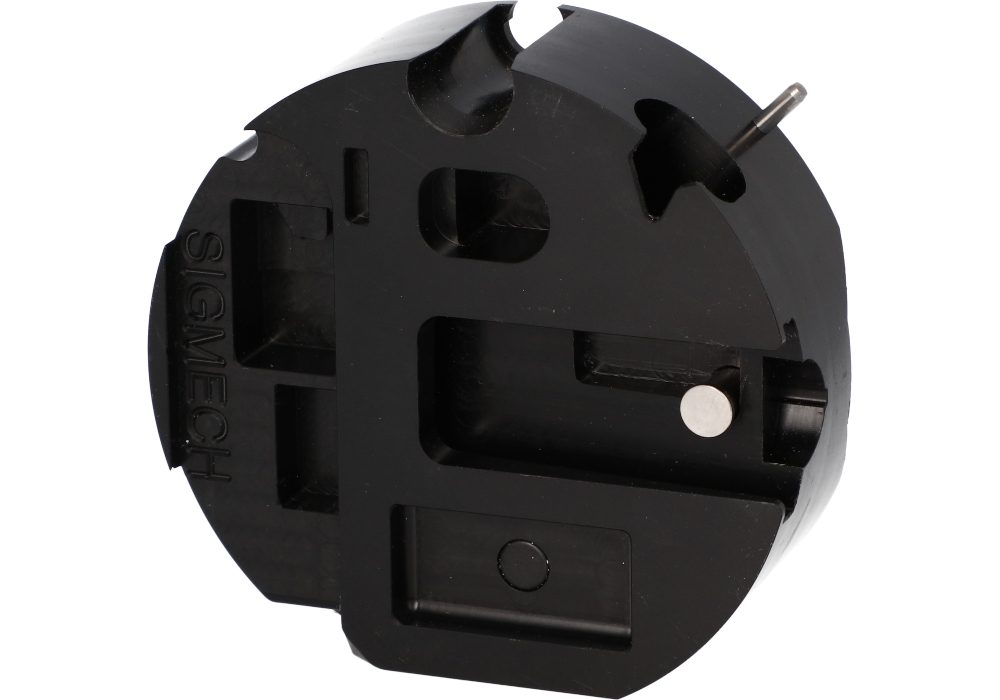
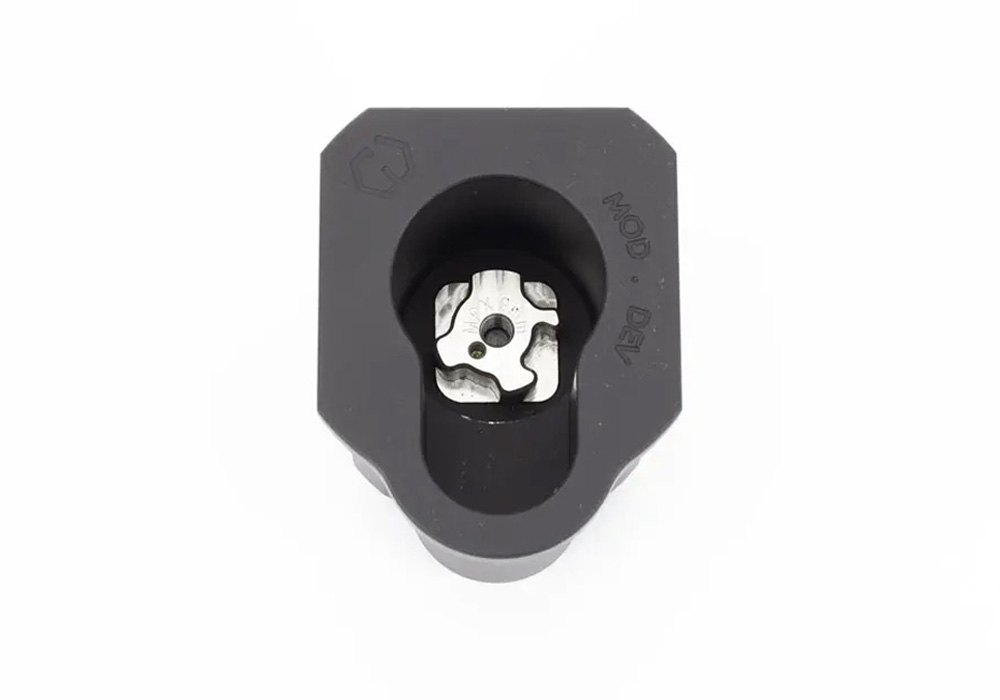
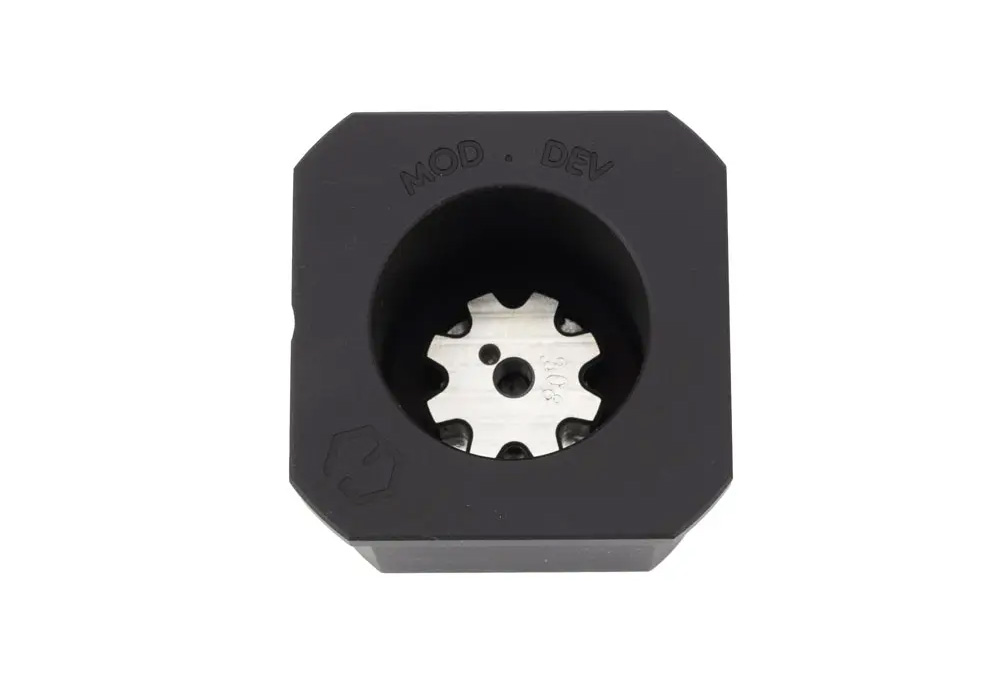
Workholding and organization give those tools a dependable place to function. A stable bench, adequate lighting, and a clean working surface help reveal residue, worn tool edges, and small components that might otherwise disappear against a cluttered background. Protective mats can cushion contact and separate firearm surfaces from the bench, but resistance to oils and cleaning chemicals varies by material. Raised edges, shallow compartments, and contrasting colors can help keep small parts visible without turning the entire workspace into a storage tray. Padded vises and adjustable supports should suit the firearm’s dimensions and permitted contact points; secure support should not depend on excessive clamping pressure. Bench blocks provide support for appropriate service work, with their usefulness determined by shape, clearances, and compatibility rather than appearance alone. Punches and other task-specific tools likewise belong to defined applications, not improvised substitutes for one another. Brass, polymer, and steel have different hardness and wear characteristics, so the appropriate choice depends on the service requirements and the surfaces involved. For measurement equipment, readable graduations, consistent operation, and suitable resolution matter more than a long list of features. Measuring tools assess particular dimensions or conditions; they do not establish overall firearm safety by themselves. Equipment used for chamber evaluation or firing-mechanism assessment calls for the relevant technical knowledge and should not be treated as ordinary cleaning gear. Storage deserves similar care. Labeled compartments, fitted cases, and dedicated spaces for delicate instruments help prevent edge damage and keep incompatible attachments from becoming mixed together. A driver returned to its marked position is easier to identify correctly the next time a fastener needs attention. Maintenance of the tools themselves also affects service life: clean contact surfaces, protection from corrosion, and inspection for chipped tips or damaged handles support reliable use. Precision tools may require calibration or periodic verification according to their manufacturers’ directions. These practical details matter whether the workspace is a permanent professional bench or a carefully organized area used only for routine owner maintenance.
Cleaning and care supplies should complement that workspace without introducing uncertainty about chemical compatibility or intended use. A cleaner suitable for one surface may be unsuitable for another, particularly where polymers, wood finishes, adhesives, or specialized coatings are involved. Product labels and firearm maintenance instructions should guide selection, including any ventilation requirements and restrictions on contact with surrounding materials. Lubricants also serve different purposes, and using more does not necessarily improve performance. Appropriate application follows the firearm manufacturer’s guidance rather than a general assumption that every visible surface needs oil. Clean cloths, suitable brushes, and organized cleaning attachments help keep routine care controlled, while separate storage for chemicals protects tool cases and nearby surfaces from leaks. Before maintenance, follow the manufacturer’s unloading procedures and keep ammunition separate from the work area. Eye protection and any additional protective equipment specified for the task or chemical belong within easy reach. For owners organizing a dedicated maintenance space, the Home Gunsmith Supplies collection offers a related place to explore equipment for an orderly bench. Useful selection considerations include how often the equipment will be used, whether it must travel, and how much room is needed to support the firearm without crowding the workspace. A portable arrangement benefits from secure closures and individual tool retention, while a permanent bench benefits from accessible storage and clearly separated cleaning and measuring areas. Experienced owners, collectors, and shooting enthusiasts may all value dependable workshop supplies, although their needs will differ with their firearms and maintenance routines. As a gift, compatibility matters more than novelty: knowing the recipient’s platform, existing tools, and preferred maintenance setup helps avoid redundant or unsuitable equipment. Specialized fitting, structural repair, and work affecting firing mechanisms should remain with a qualified gunsmith. The most useful workshop supplies support careful, repeatable upkeep, protect surfaces and tools, and help the person at the bench recognize the boundary between routine maintenance and professional service.