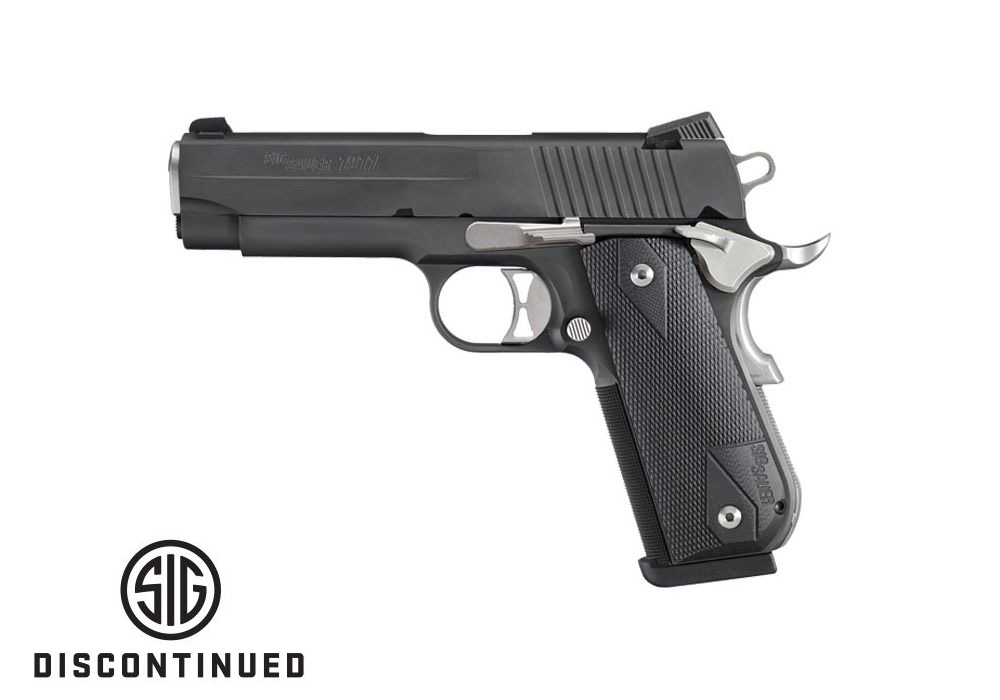
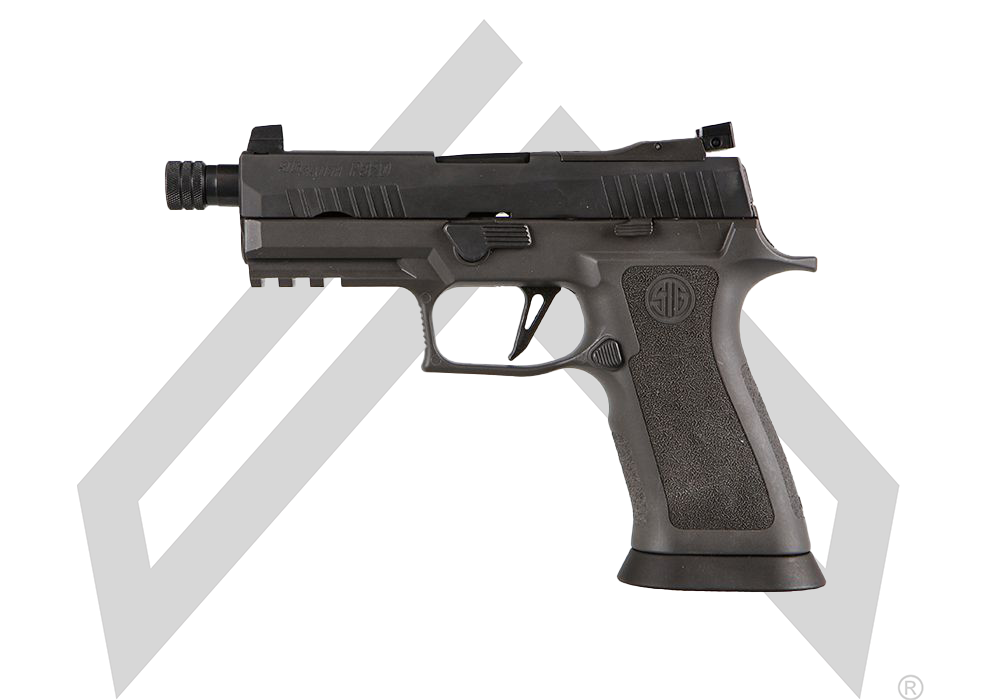
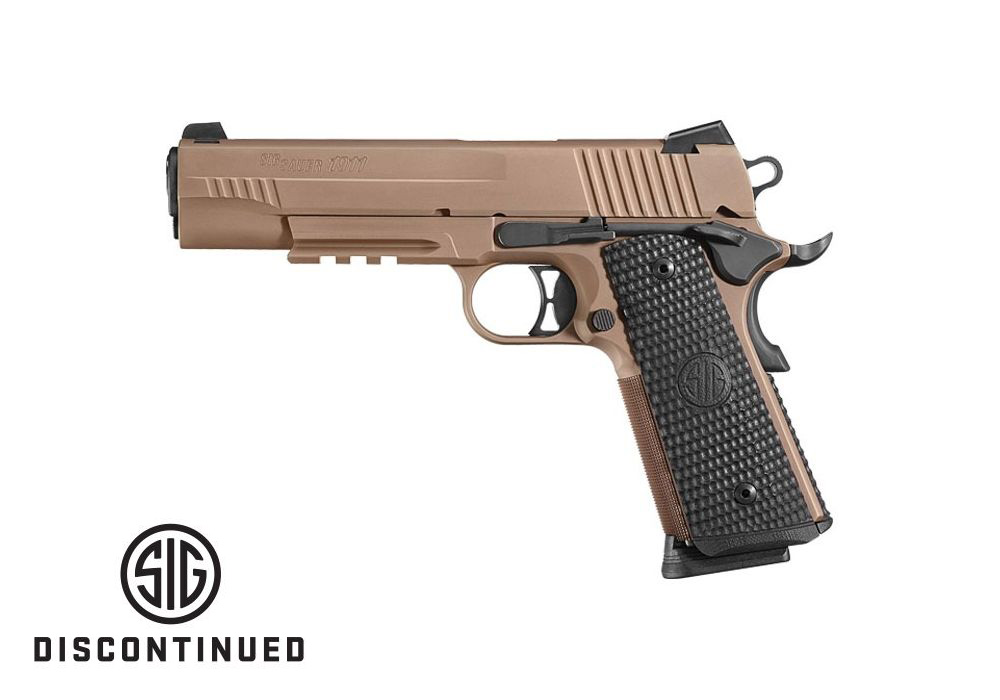
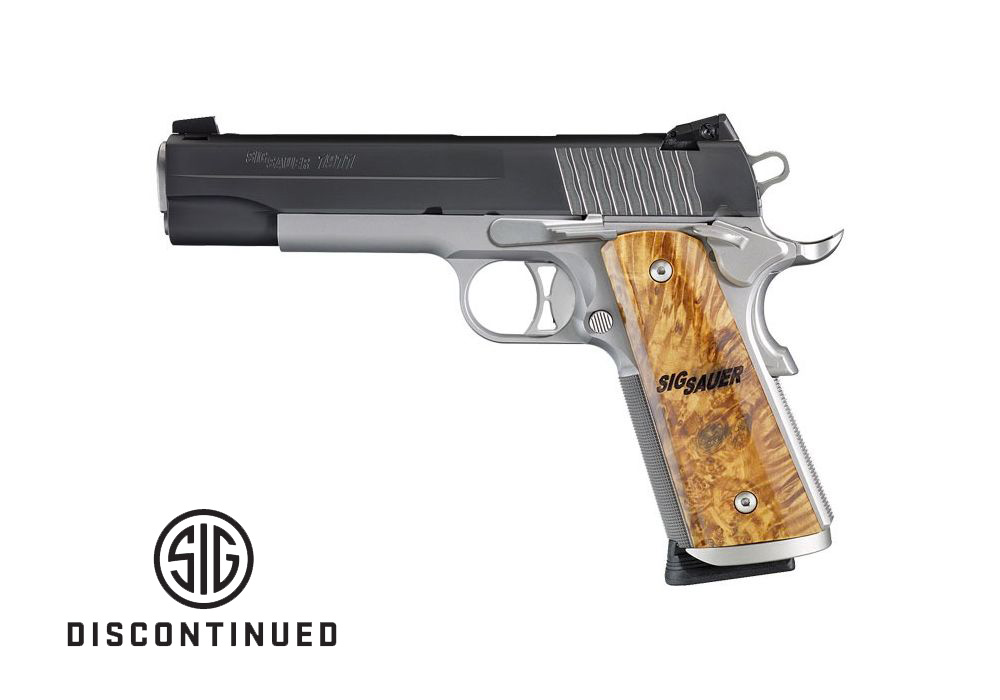
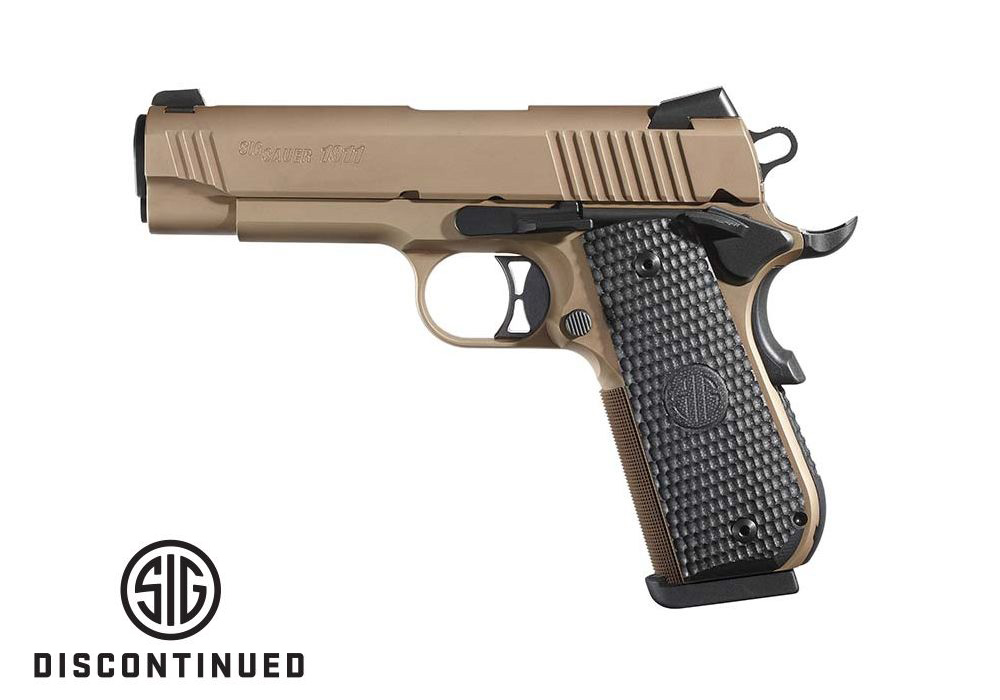
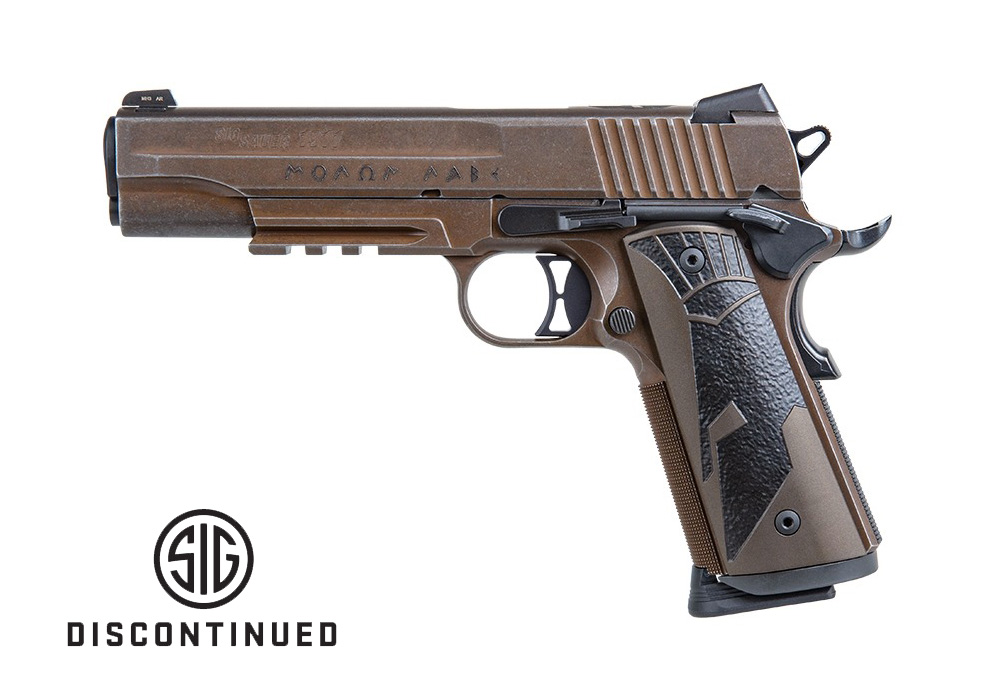
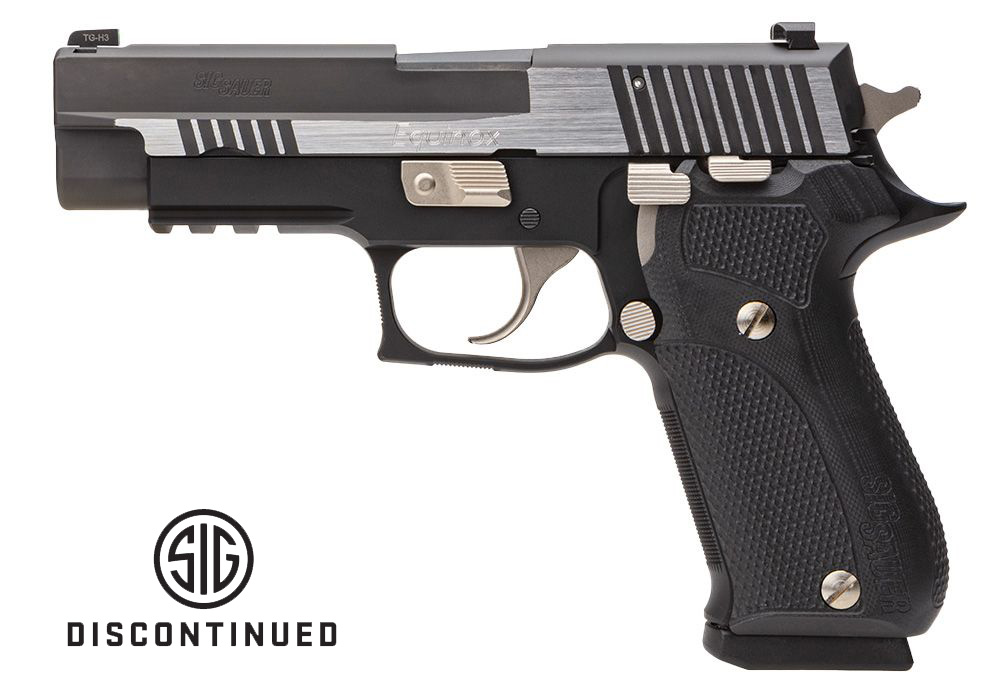
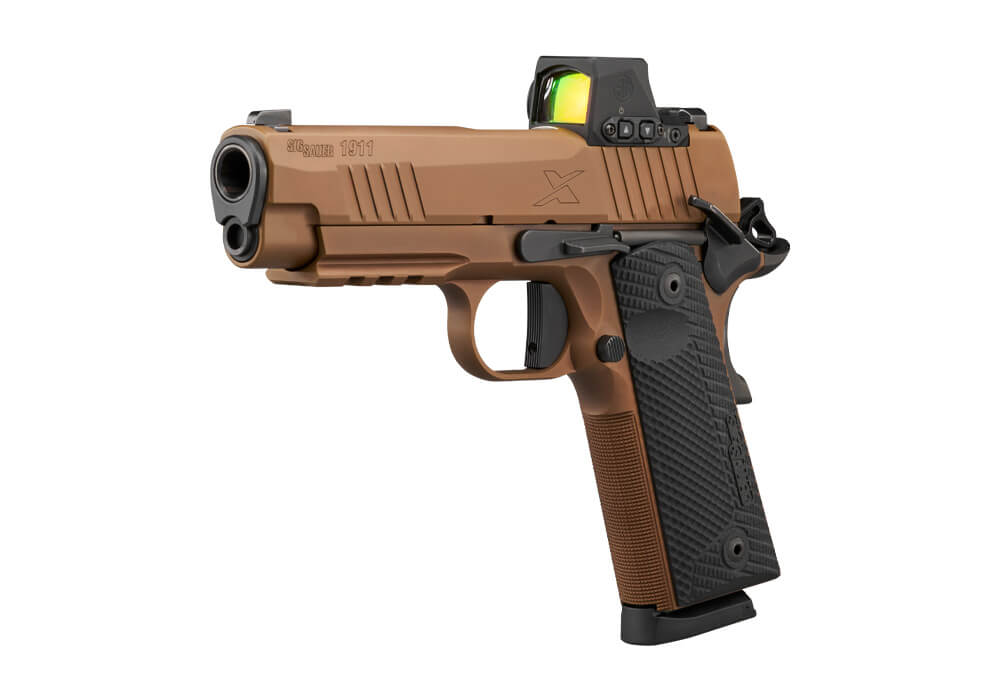
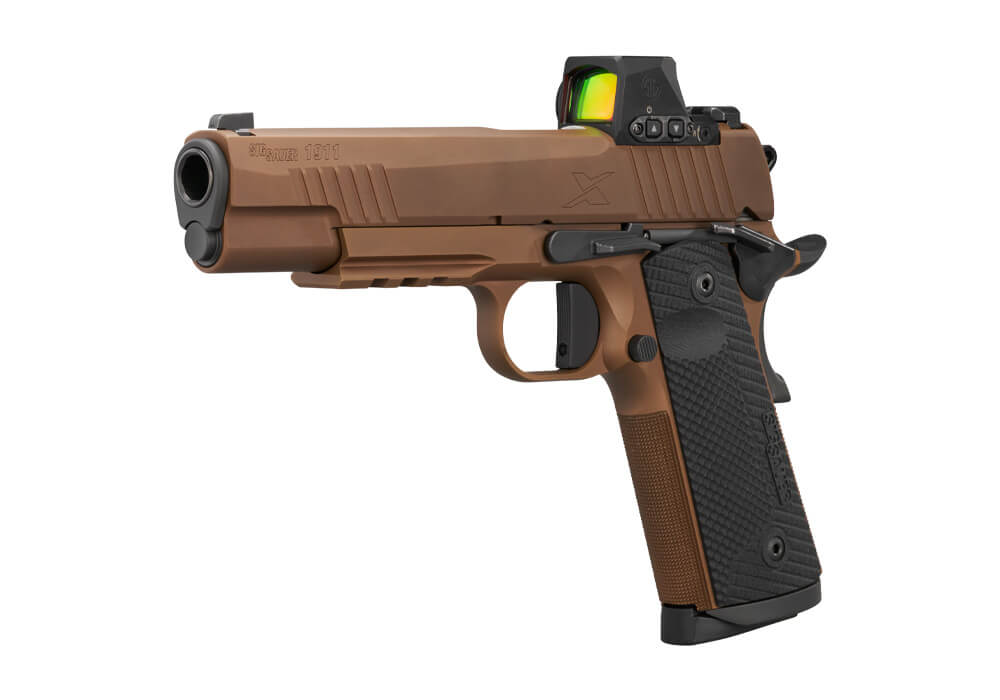
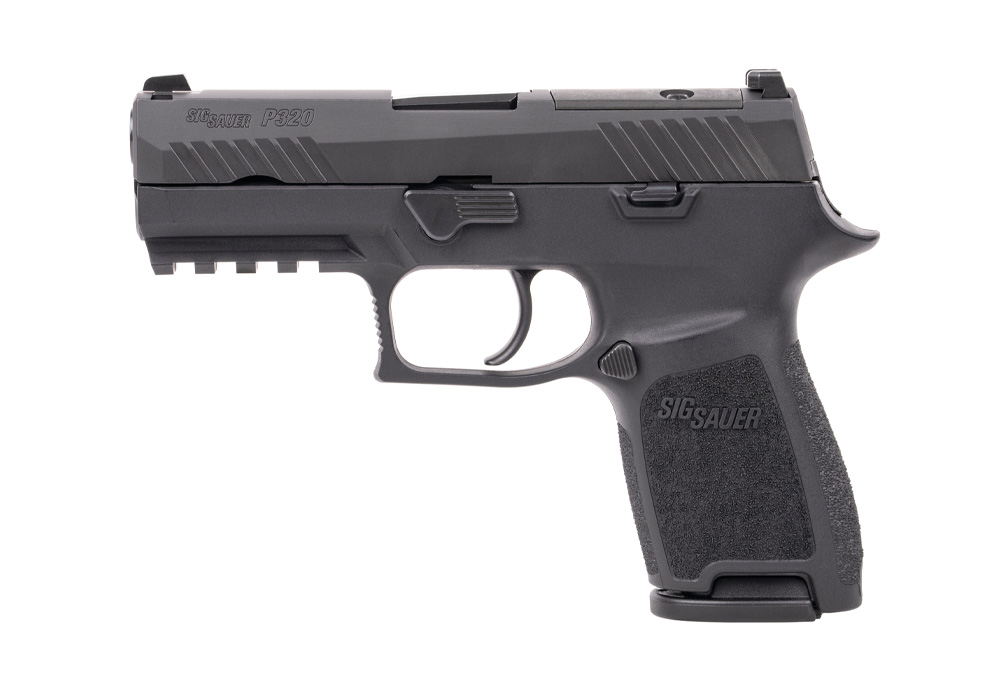
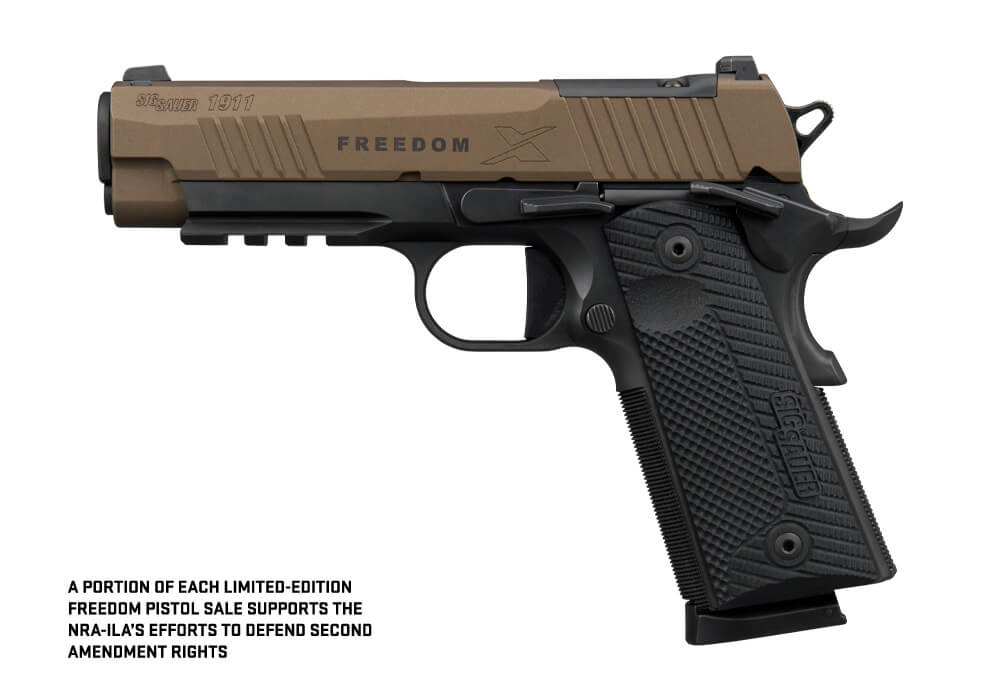
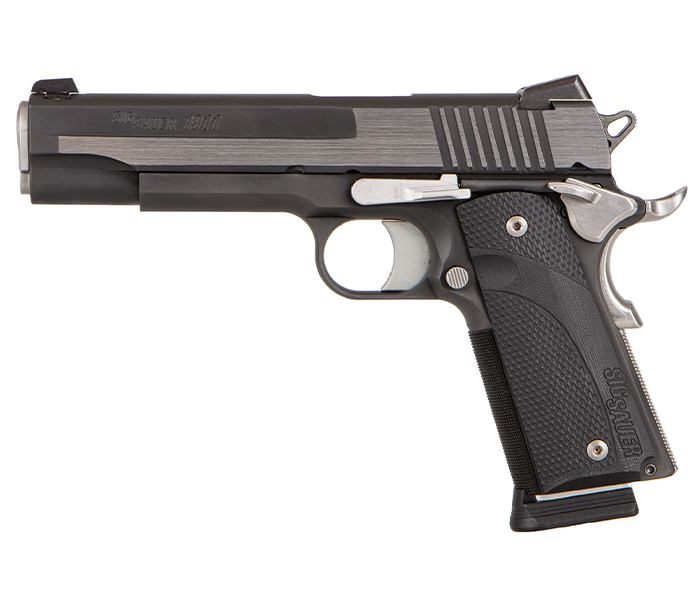
High-control .45 Auto handguns pair the .45 ACP cartridge with design characteristics that support a secure grip, manageable recoil, and comfortable access to essential controls. The terms .45 Auto and .45 ACP refer to the same cartridge; differences in handling come from the handgun’s dimensions, weight, operating system, and fit rather than those two names. In this category, control is best understood as a combination of qualities, not a single feature or a standardized performance rating. Frame weight, grip shape, surface texture, and the relationship between the barrel and the shooter’s hand can all influence how a pistol feels. A heavier handgun may feel more settled during recoil than a lighter handgun using comparable ammunition, although weight alone does not determine comfort. A lower barrel position relative to the hand can also influence muzzle movement, but the complete design matters more than any isolated specification. Grip fit is equally important. A broad grip that feels reassuring to one person may leave another stretching to reach the trigger or shifting the hand to reach a control. Front-to-back grip dimensions, palm swell, and the contour beneath the trigger guard affect how naturally the handgun rests in the hand. Texturing adds purchase, particularly during longer range sessions, but a sharply textured surface can feel abrasive against skin or clothing. The most suitable balance depends on whether the handgun is intended primarily for recreational shooting, organized competition, or lawful personal protection. Someone who spends most range visits practicing with a full-size pistol may appreciate a substantial frame and generous gripping surface. Another owner may value a more compact profile while recognizing that reduced dimensions can change recoil feel and available grip space. High control does not mean recoil disappears, nor does it guarantee the same experience for every shooter. It describes a useful set of handling priorities: a handgun that fits the individual, feels balanced, and supports consistent use with appropriate instruction. For that reason, dimensions and ergonomics deserve as much attention as appearance when comparing .45 Auto handguns.
Materials and construction influence both the feel of a .45 Auto pistol and the demands of long-term ownership. Steel frames contribute substantial weight and a solid feel, while aluminum-alloy frames can reduce overall weight without taking the same approach as polymer construction. Polymer frames often offer a lighter foundation, with grip contours and texturing integrated into the frame itself. None of these materials automatically produces better control; frame geometry, slide mass, grip dimensions, and the individual shooter remain part of the equation. Surface treatments also matter, particularly where hands, holsters, and cleaning products repeatedly contact the handgun. Durable finishes help resist corrosion and ordinary wear, though no finish eliminates the need for care. Wear along a holster contact point can be cosmetic, while damaged components or changes in function deserve qualified inspection. Intended use helps put these details into perspective. A pistol carried regularly brings weight, holster fit, and comfort into sharper focus. A handgun used mainly at a supervised range may place greater emphasis on a comfortable gripping surface, clearly visible sights, and a balance that remains pleasant throughout a practice session. Longer barrels and slides often accompany a longer sight radius with conventional iron sights, while shorter configurations can be easier to accommodate in a suitable carry setup. Sight visibility depends on contrast, lighting, and eyesight, so a sight picture that looks crisp to one owner may be less distinct to another. Replaceable grip panels or interchangeable grip components, where offered, can provide additional fitting options, but compatibility is specific to the firearm. The same care applies to holsters and other accessories: a secure fit requires more than matching the caliber designation. Accessories should match the exact handgun configuration, including any installed sighting equipment. Ammunition selection also affects recoil feel and reliability, making the manufacturer’s recommendations an important reference. Taken together, these considerations distinguish a handgun that merely looks substantial from one whose dimensions, materials, and handling characteristics suit its intended role.
Long-term confidence with a .45 Auto handgun rests on responsible ownership as much as physical design. A comfortable grip and balanced frame are valuable, but neither replaces safe handling, qualified instruction, or familiarity with the firearm’s operating system. Safety features vary by design and may include manual controls, internal mechanisms, or other safeguards described in the owner’s manual. Their presence should never be treated as permission to relax handling or storage practices. Shoppers comparing these design considerations can explore Advanced Safety 45 ACP Pistols for a related selection focused on that theme. Understanding how a particular firearm functions is especially important for an owner moving between different handgun platforms, because control placement and operation are not universal. New owners benefit from instruction that builds familiarity without assuming that a particular caliber or frame size suits everyone. Experienced owners may place greater value on a consistent fit across regular practice sessions, along with construction that stands up to repeated use. Routine care supports that durability. Manufacturer-specified cleaning products, lubrication, and inspection intervals help preserve finishes and keep attention on areas that experience normal wear. Excess lubricant, incompatible solvents, and abrasive cleaning materials can create problems rather than prevent them, so the firearm’s manual should remain the reference for maintenance. After handling, attention to exposed metal surfaces can help limit the effects of moisture and skin oils. Secure storage is another essential part of ownership, with access restricted to authorized adults and storage arrangements consistent with applicable law. A well-chosen case or safe should protect the firearm without encouraging moisture buildup or contact with materials that can damage the finish. For a handgun used regularly, service needs and replacement-part compatibility also deserve consideration over its working life. The lasting appeal of a high-control .45 Auto handgun is not a promise of effortless performance. It is the combination of suitable proportions, durable materials, thoughtful ergonomics, and responsible care that makes ownership more comfortable and predictable, whether the firearm accompanies regular range practice or serves another lawful purpose.