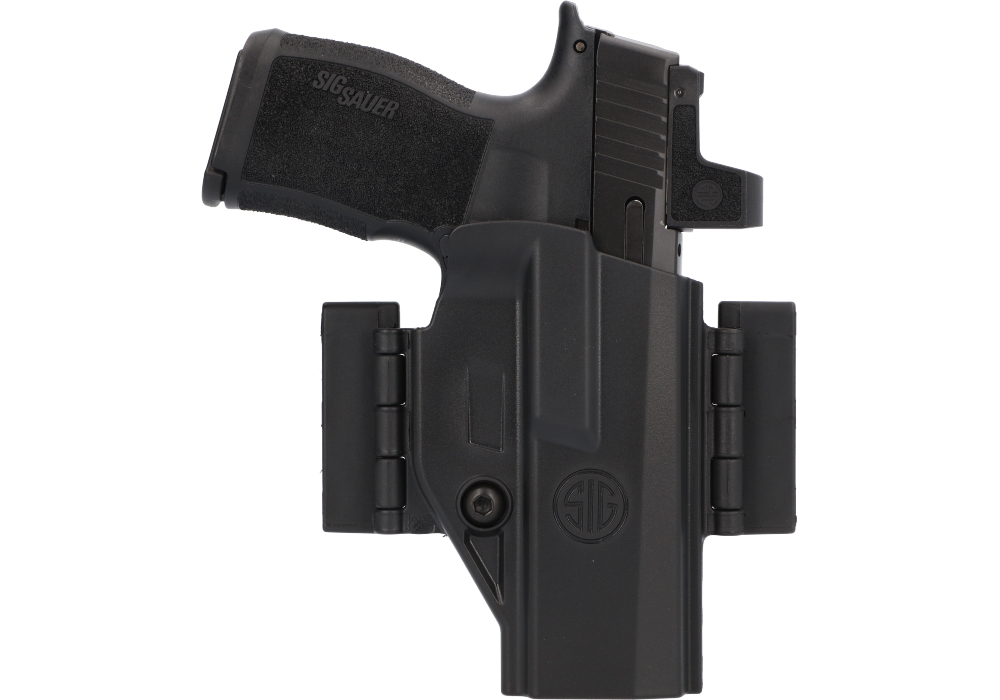
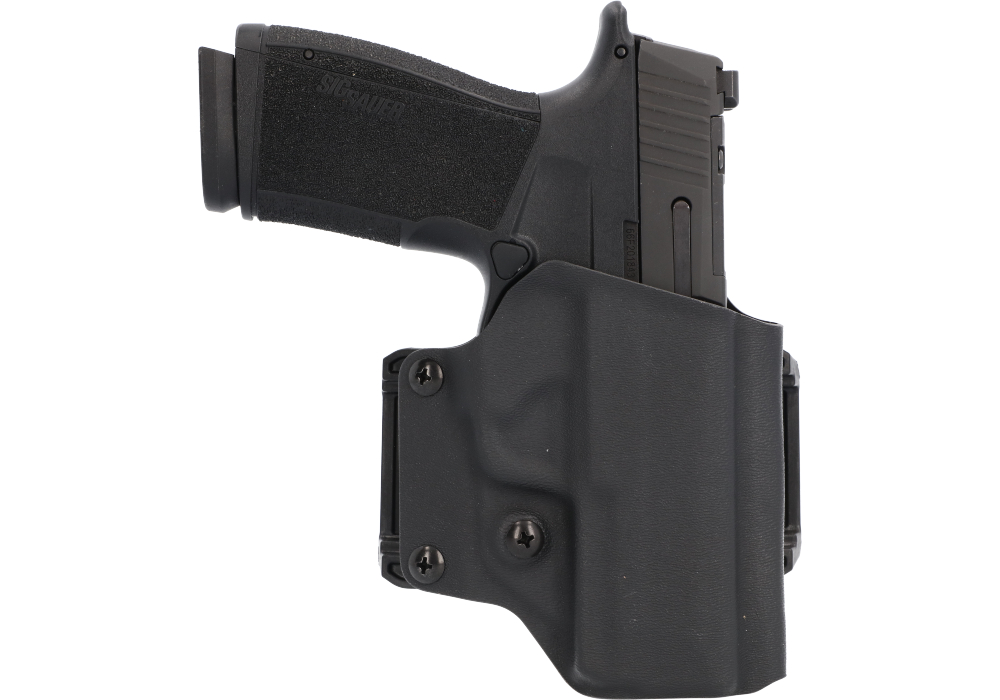
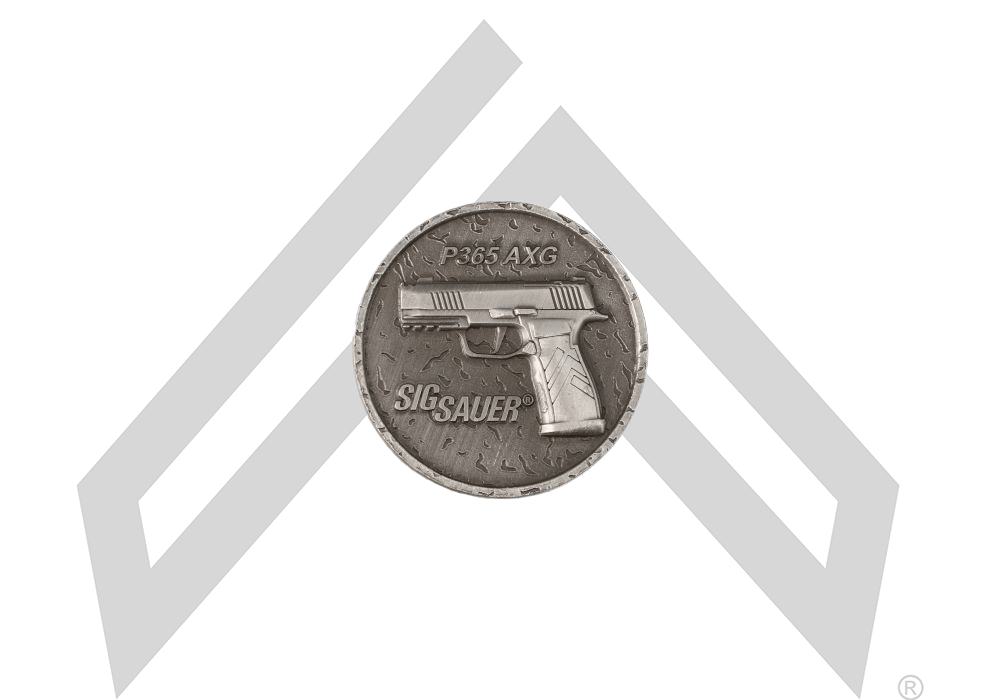
Holsters for P365 models are designed to make everyday carry more secure, comfortable, and consistent while keeping the pistol protected and readily accessible to the owner. The most important first step is confirming the exact P365 variant before selecting a holster. The standard P365 and P365X share similar slide and holster dimensions, while the P365XL uses a longer slide and typically requires an XL-specific design or an open-ended holster that accommodates the additional length. The P365 X-Macro and P365 Fuse feature larger grip modules and full-size accessory rails, so they generally require dedicated holster fitment rather than a design intended for the smaller frame. The P365 AXG Legion also has a distinct metal frame that may not fit holsters molded for polymer-frame versions. Details such as a manual thumb safety, slide-mounted optic, mounted light, or laser can further affect compatibility. A properly fitted holster should fully cover the trigger guard, hold the pistol securely without excessive movement, and allow a smooth, repeatable draw while keeping the firearm protected during normal movement. Checking the manufacturer’s fit information for the exact model and attached accessories helps prevent a mismatch and is especially important when moving between standard, XL, X-Macro, Fuse, and other P365 configurations.
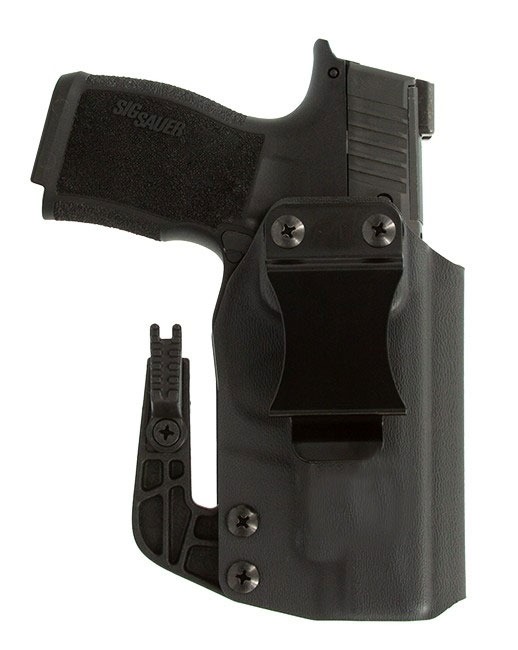
Carry position is another central consideration when comparing holsters for P365 models. Inside-the-waistband designs are often selected for discreet everyday carry because the firearm rests between the body and clothing, while outside-the-waistband styles may offer easier access, a more open draw stroke, or a comfortable option for range use, outdoor activities, and situations where concealment is less important. Appendix carry places the holster toward the front of the waistband and can provide a compact profile, particularly with a smaller pistol, but comfort depends on body type, belt position, clothing, and the holster’s ride height and angle. For those preferences, explore P365 Appendix Holsters for options intended for that carry position. Strong-side hip carry remains a familiar choice for many owners, and adjustable cant or ride height can help fine-tune the position under a shirt, jacket, overshirt, or light outer layer during the cooler months. A holster with a claw or similar concealment feature may draw the grip closer to the body, reducing visible outline beneath clothing, while a breathable backing or smooth body-facing surface can make extended wear more comfortable. Before carrying, practice safe handling with an unloaded firearm, confirm that the holster stays firmly in place, and check that clothing, drawstrings, seat belts, and other objects cannot enter the trigger guard. Any retention system should be easy for the owner to understand and operate without shifting the muzzle away from a safe direction.
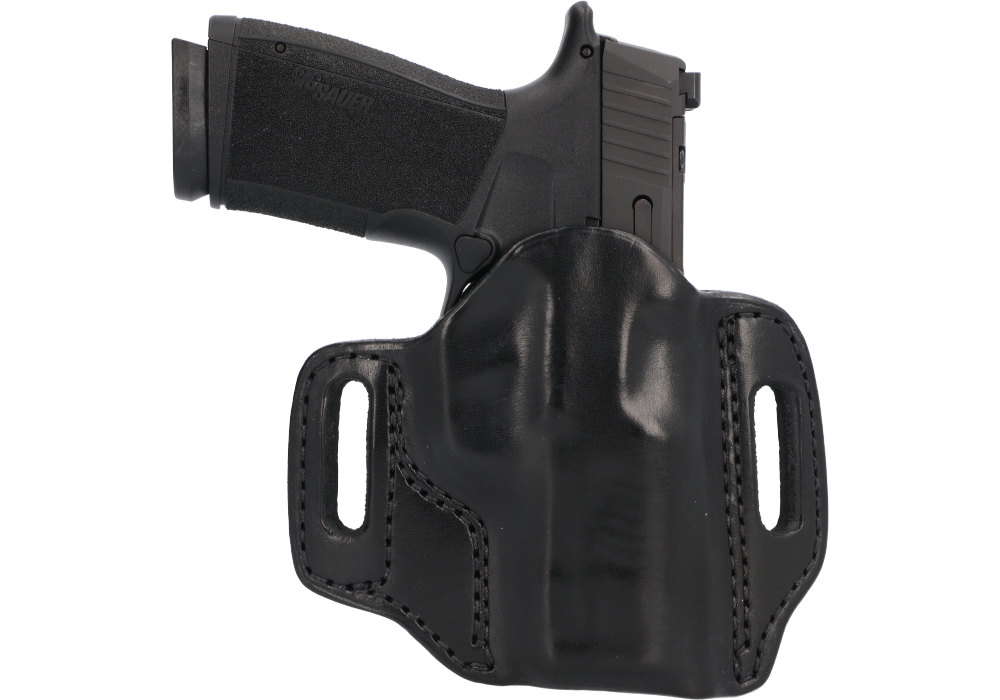
Material and construction influence how a holster feels throughout the day and how well it holds up to regular use. Molded polymer designs are known for maintaining their shape, offering a consistent draw, and resisting moisture, while hybrid designs may combine a rigid shell with a softer or more breathable backing for added comfort against the body. Leather and other traditional materials can provide a familiar feel and may soften with use, but owners should continue to verify that the trigger guard remains completely covered and that the holster does not collapse when the pistol is removed. Adjustable retention allows the fit to be tuned so the pistol remains secure during walking, bending, or entering and exiting a vehicle without making the draw unnecessarily difficult. An optics-ready cut can be useful for owners who use a compatible slide-mounted red-dot sight, and light-bearing holsters should be selected only for the exact combination of pistol and mounted light. The same care applies to lasers and other accessories; even small changes to the rail or slide can alter fit. These holsters can be practical gifts for a new P365 owner, a family member who has recently completed a firearms training course, or an experienced carrier looking for a more comfortable option for different clothing and routines. During the transition between warmer days and cooler weather, a compact inside-the-waistband holster may work well beneath lighter clothing, while an outside-the-waistband design can pair naturally with a jacket or heavier layer. Regardless of carry method, the best choice is the one that matches the exact P365 configuration, supports safe handling, remains comfortable enough to wear consistently, and provides dependable protection for the firearm and its trigger.