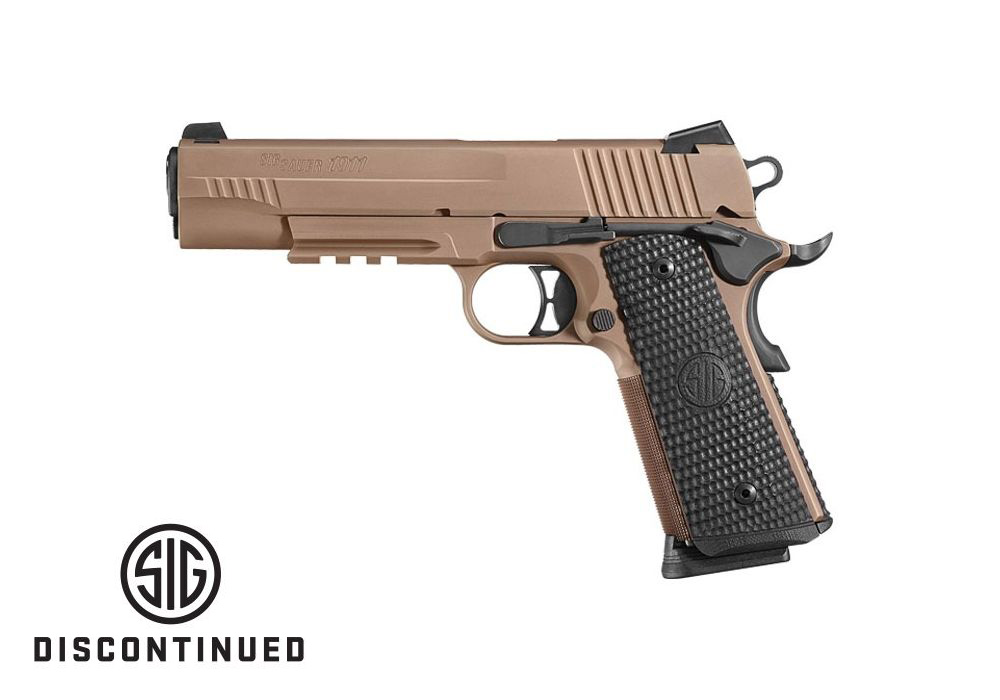
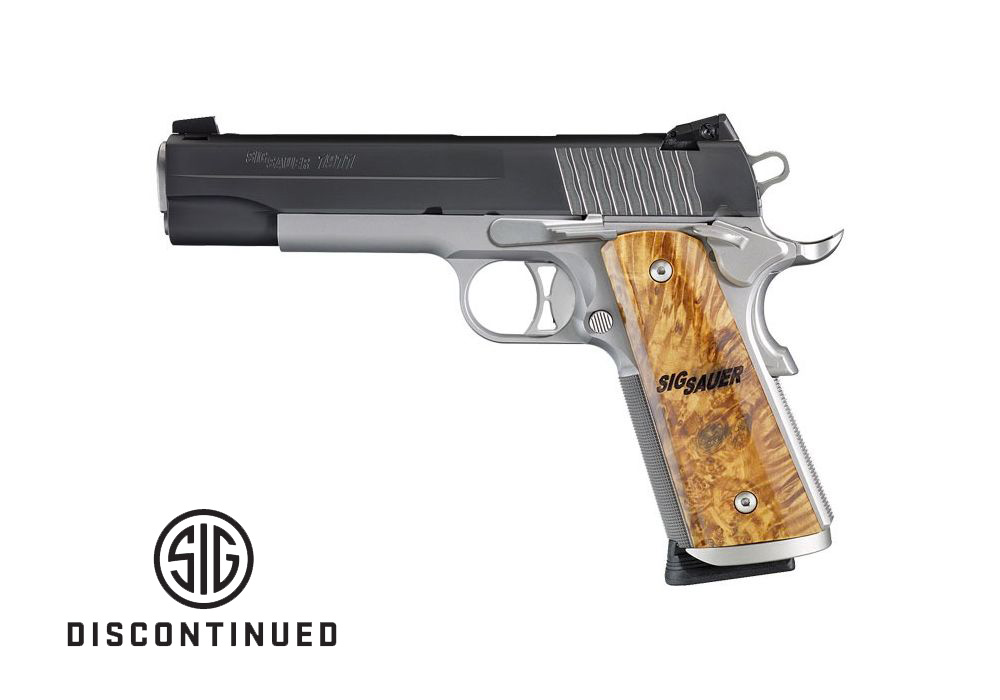
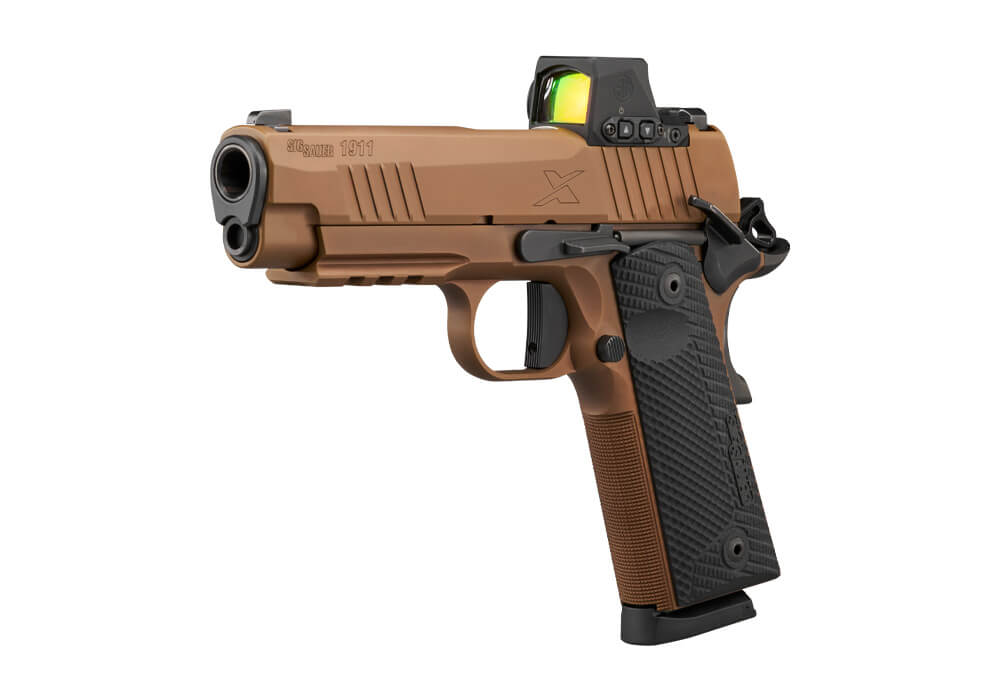
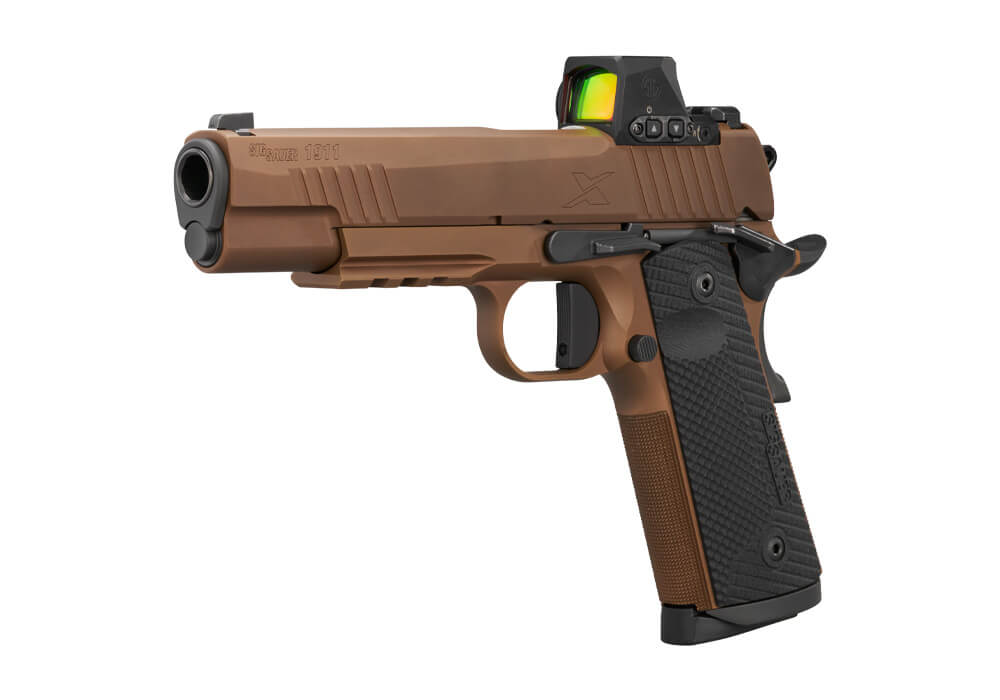
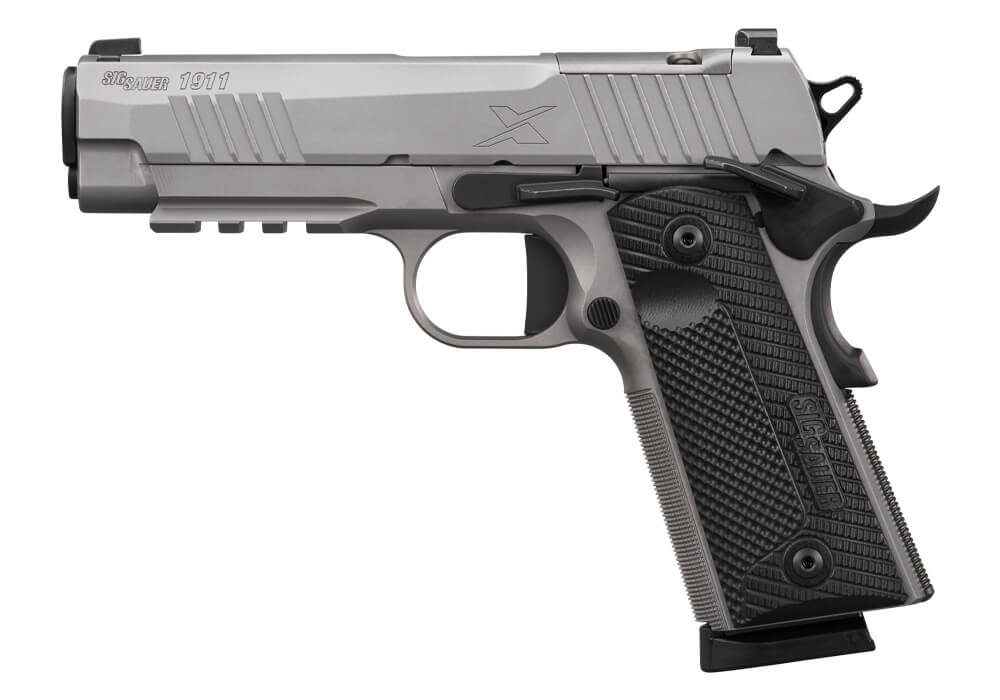
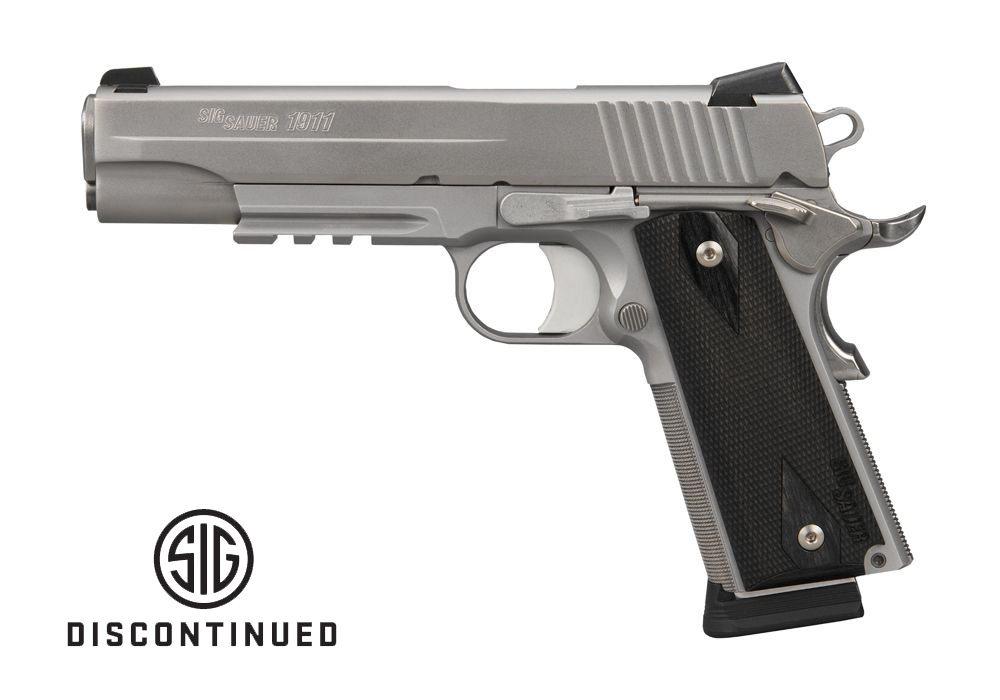
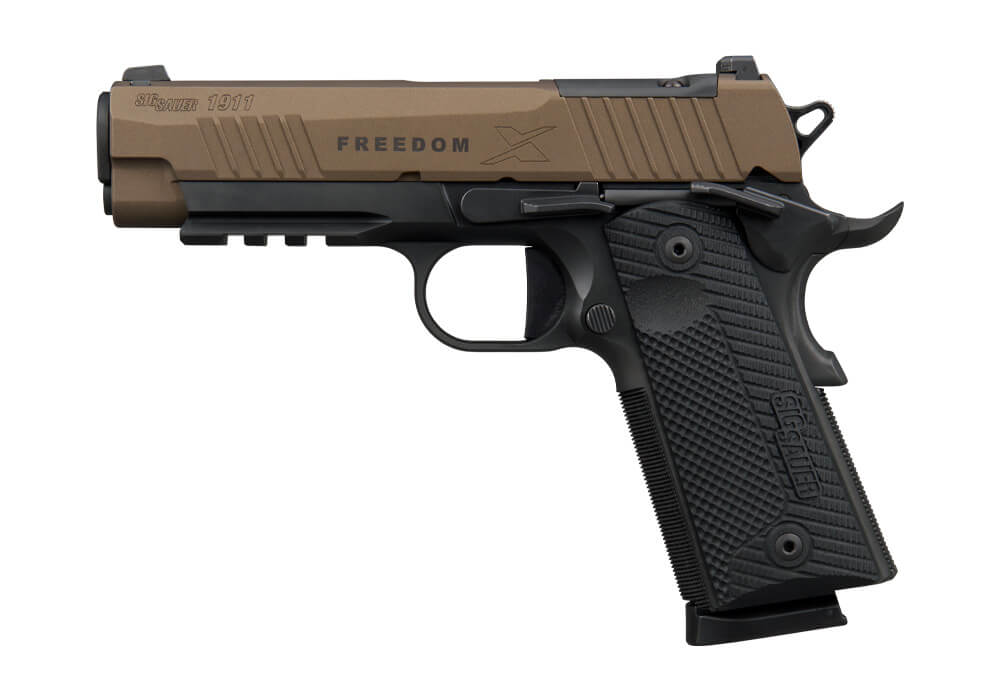
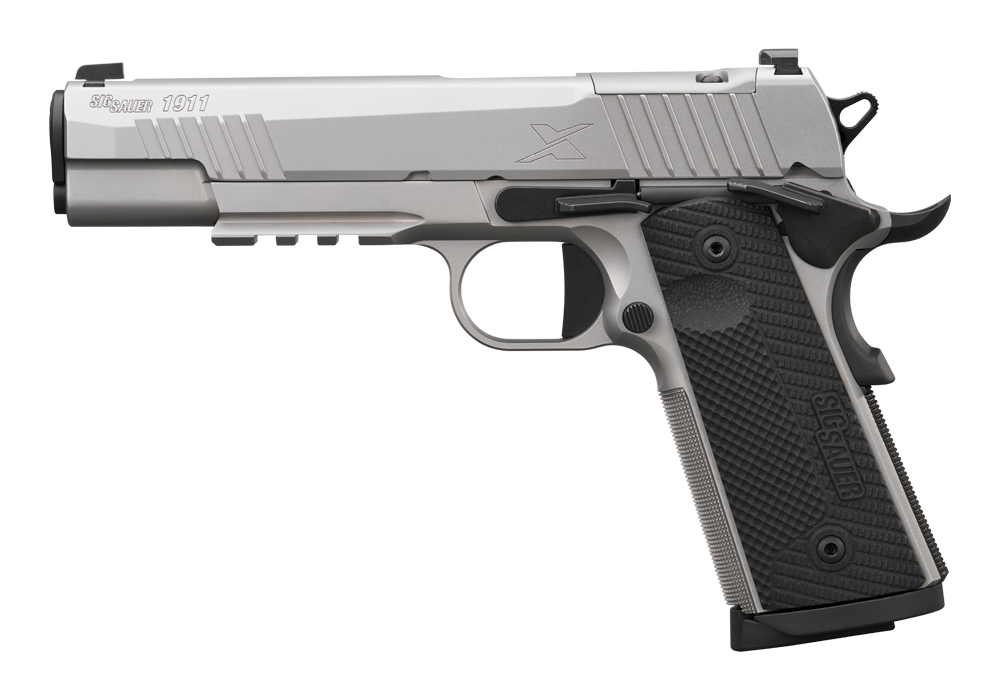
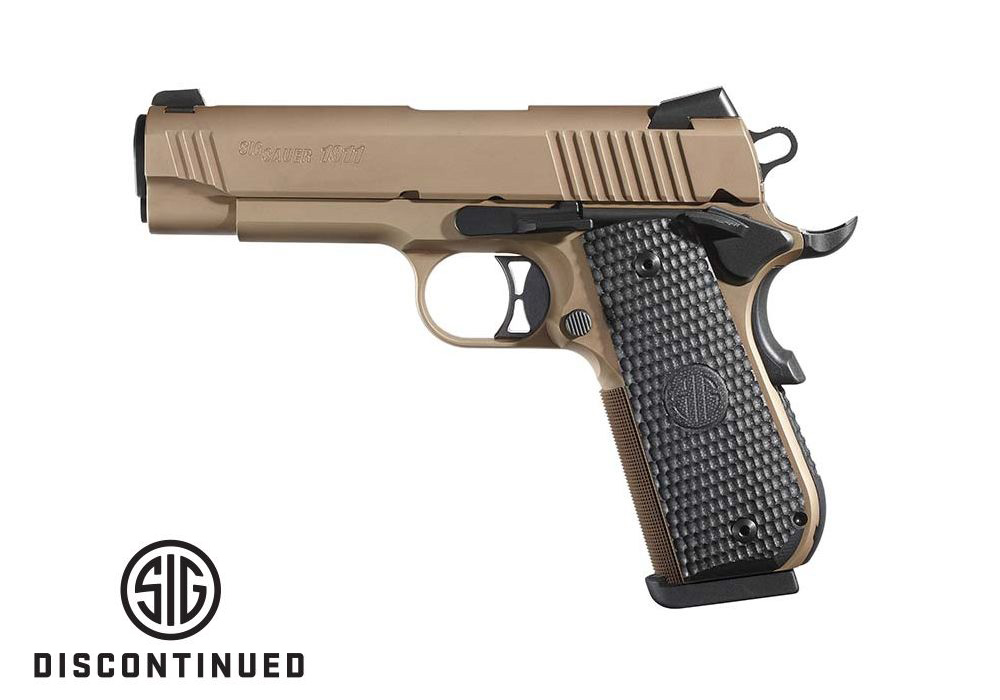
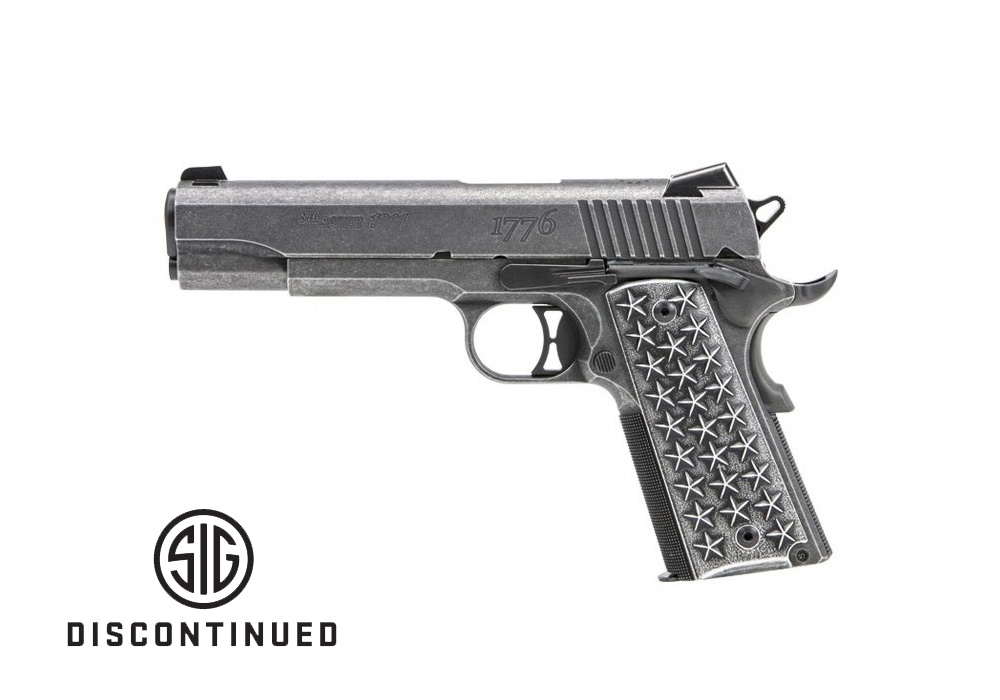
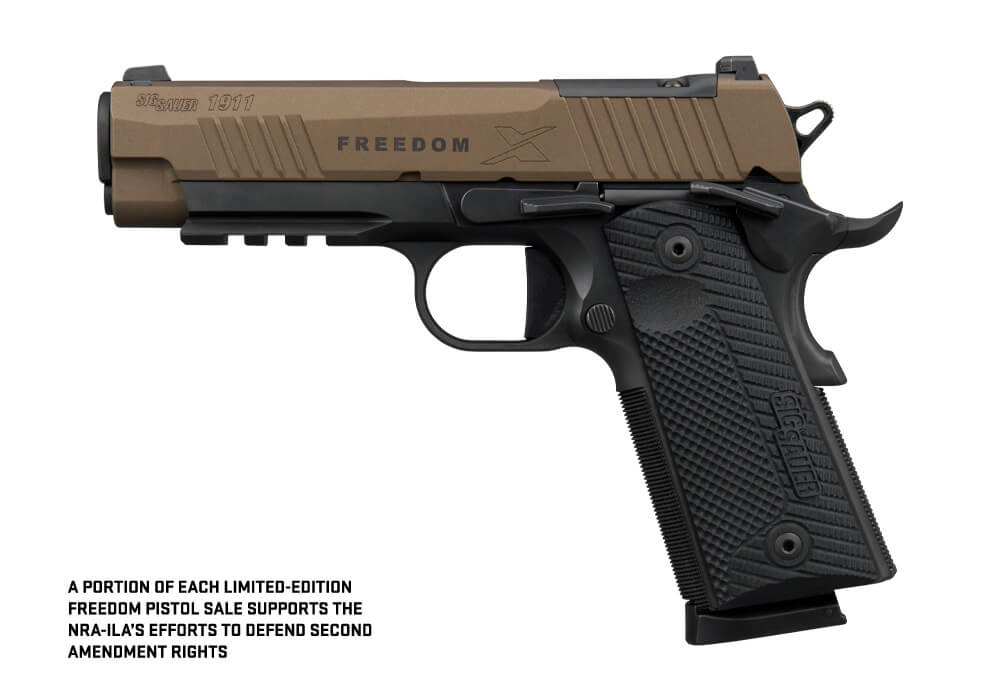
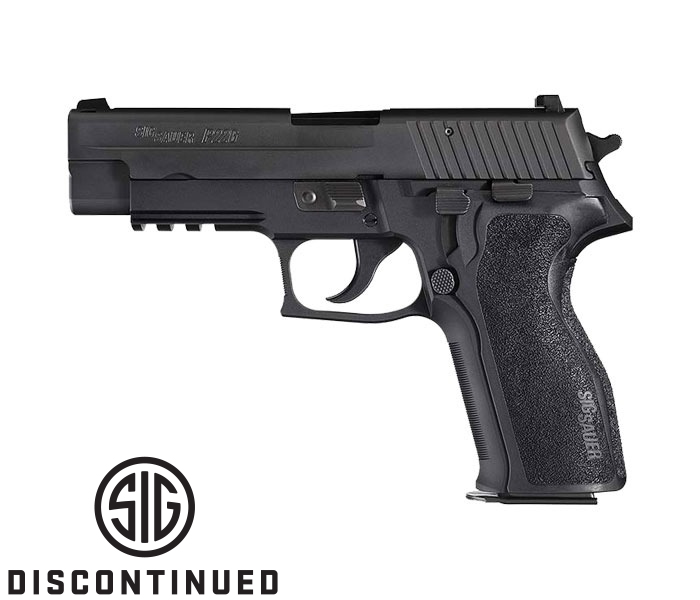
Home-defense 1911 .45 ACP pistols bring a familiar single-action design, substantial construction, and a distinctive grip profile to a category centered on responsible personal protection. The traditional 1911 combines a slim, single-stack grip with a straight-moving trigger, a manual thumb safety, and a grip safety, although features vary by configuration. Its appeal often comes from how these elements work together: a grip that sits comfortably in the hand, controls with clearly defined engagement, and a trigger that can support consistent shooting with appropriate training. A full-size configuration commonly has a barrel approximately five inches long and a longer sight radius than compact versions, giving the shooter more space between the front and rear sights for visual alignment. Steel frames add weight, which can help moderate perceived recoil, while aluminum-alloy frames reduce overall heft. Neither material guarantees a better fit; the balance of the pistol and the shooter’s ability to handle it comfortably matter more than weight alone. The .45 ACP cartridge is closely associated with the platform, but caliber should never be treated as a substitute for accuracy, reliable function, or sound judgment. Felt recoil depends on the ammunition, pistol weight, grip, and individual shooter, so experience with another handgun does not necessarily predict how a particular configuration will feel. Traditional single-stack magazines commonly hold seven or eight rounds, with magazine compatibility determined by the pistol’s design and manufacturer specifications. For someone familiar with the platform, a full-size 1911 may offer a reassuring combination of recognizable controls and a stable feel during practice. For a newer owner, those same controls represent features that require deliberate instruction and regular familiarity. The strongest reasons to consider this category are practical rather than nostalgic: manageable dimensions for the individual user, dependable operation with suitable ammunition, and a design that supports safe handling. Its long history provides useful context, but a home-defense pistol earns its place through fit, condition, and the owner’s ability to use and secure it responsibly.
Materials, finish, and ergonomics help distinguish one 1911 configuration from another without changing the basic character of the platform. Stainless steel and coated carbon steel offer different appearances and maintenance considerations, while protective finishes can help resist wear from routine handling and storage. No finish eliminates the need for cleaning, lubrication, and periodic inspection. Close slide-to-frame fit may contribute to a refined feel, but tight tolerances alone do not establish reliability, and cosmetic polish says little about how a pistol functions with its intended ammunition. Grip panels can range from smooth wood to textured synthetic materials, changing both the appearance and the amount of traction against the hand. A texture that feels secure through a brief examination may feel noticeably different over an extended range session. Grip thickness, trigger reach, and the shape of the grip safety also influence whether the pistol settles naturally into a repeatable hold. Smaller hands may benefit from slimmer panels or a shorter trigger profile, while other shooters prefer more surface area and a fuller grip. These details are especially relevant when more than one qualified adult in a household may use the same firearm. Sight design deserves similar attention. High-contrast sights can be easier to distinguish against varied backgrounds, and illuminated sight elements may improve sight visibility in limited light; neither feature identifies what is beyond the sights. An accessory rail provides a mounting interface for compatible equipment, but rail dimensions, attachment fit, and access to controls should be evaluated together. A mounted light does not replace safe muzzle direction or a separate means of examining an unidentified sound or movement. Ambidextrous thumb safeties can accommodate left-handed shooters, while the size and shape of any safety lever affect comfort and accessibility. A comfortable fit means the shooter can maintain a secure grip and operate the controls without awkward repositioning. Across this category, thoughtful feature selection is less about adding equipment than about finding a coherent combination of grip, sights, controls, and construction that suits the person responsible for the pistol.
Long-term ownership is an important part of evaluating home-defense 1911 .45 ACP pistols. A firearm intended for protection still needs regular range use, routine care, and secure storage between sessions. Manufacturer instructions establish the appropriate cleaning methods, lubrication points, inspection intervals, and ammunition requirements for a particular configuration. Powder residue, lint, and worn components can affect function, so a clean exterior should not be mistaken for a complete assessment of mechanical condition. Magazines deserve attention as well: their bodies, feed lips, followers, and springs are working parts, not simply accessories. Reliable operation depends on the relationship among the pistol, magazine, and ammunition, and that combination should be evaluated in a controlled range setting before being relied upon for protection. Ammunition must match the chamber marking and applicable manufacturer guidance; expanding-bullet designs and other load characteristics do not guarantee an outcome or eliminate the danger to people beyond an intended target. Safe handling includes awareness of that surrounding environment, with particular attention to shared walls, neighboring homes, and other household occupants. Secure storage should prevent access by children and unauthorized people while complying with applicable laws. A fitted locking container also needs room for the pistol’s actual dimensions, including any attached accessory, rather than just its nominal barrel length. Owners comparing different handgun platforms can also explore Home Defense 40 S&W Pistols to consider how another caliber and design may differ in grip dimensions, control layout, weight, and recoil feel. The comparison is most useful when it stays grounded in handling and training rather than assumptions about cartridge reputation. A 1911 may suit an experienced enthusiast who already understands single-action operation, or a committed newer shooter willing to develop that familiarity through qualified instruction. Practice, inspection, and responsible storage remain part of ownership regardless of experience level. For home-defense use, durable construction and appealing features matter most when they support dependable function, comfortable handling, and a consistent commitment to firearm safety.