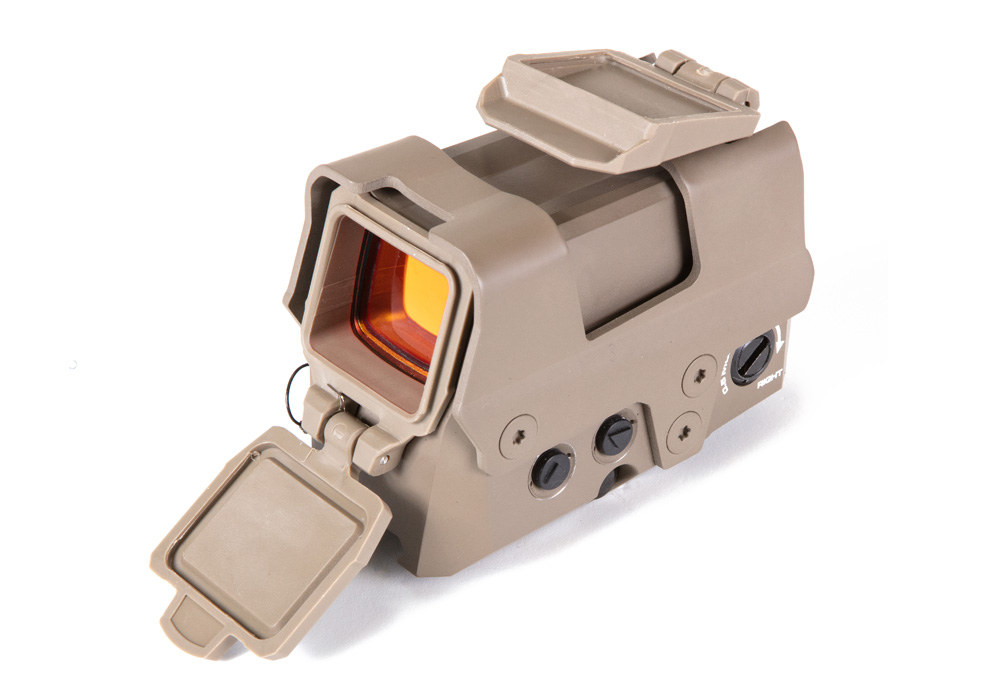
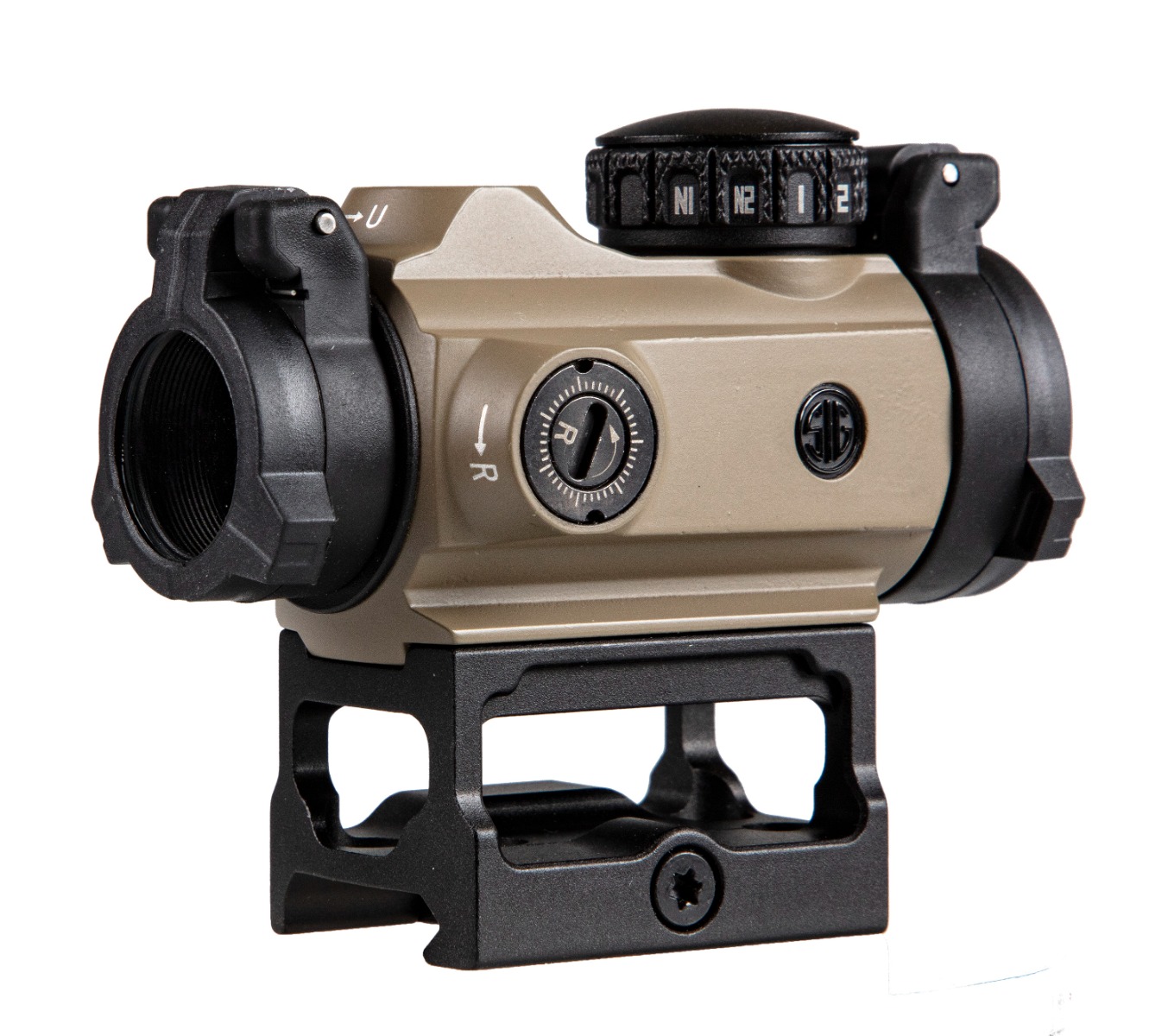
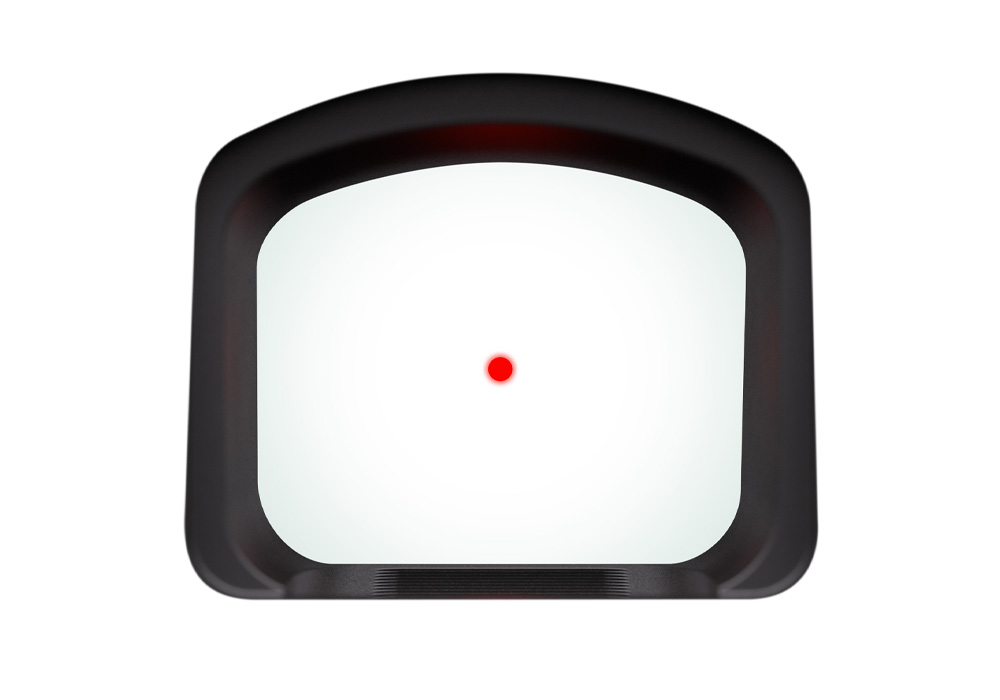
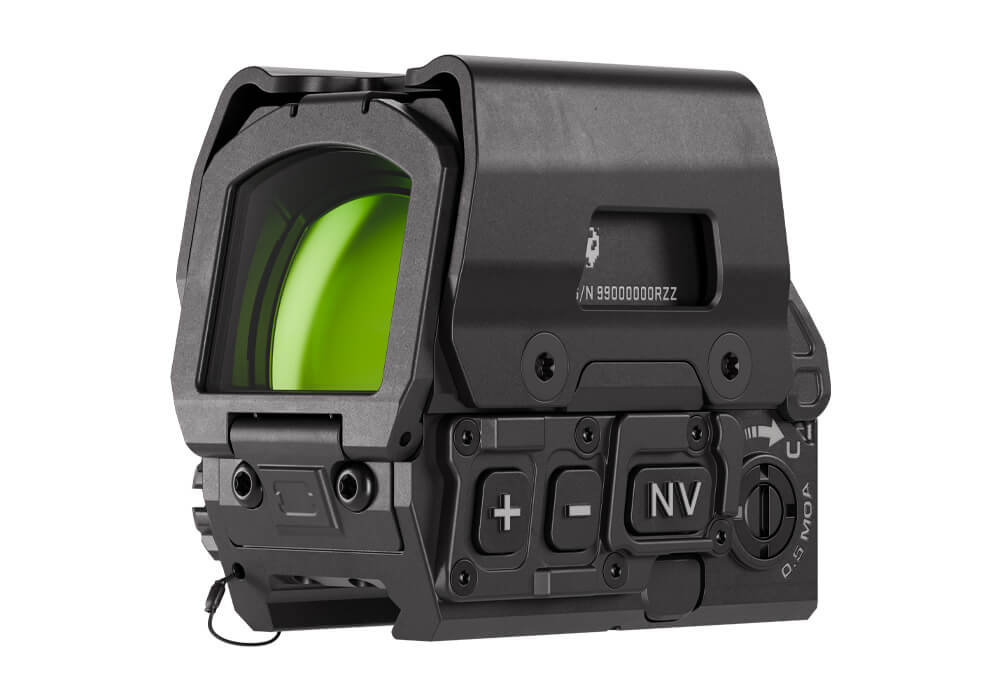
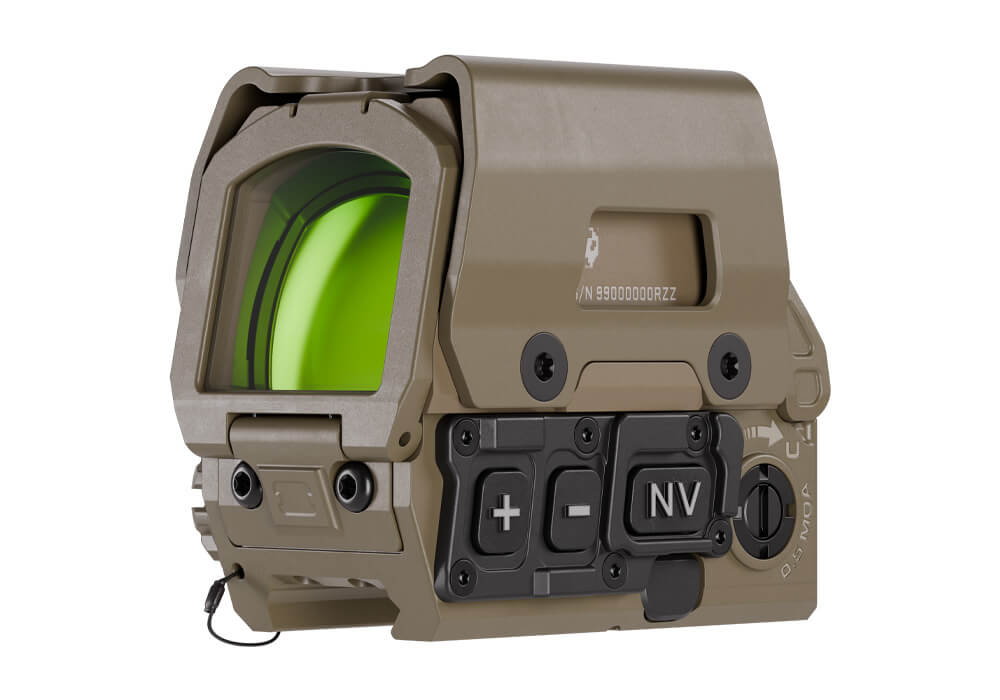
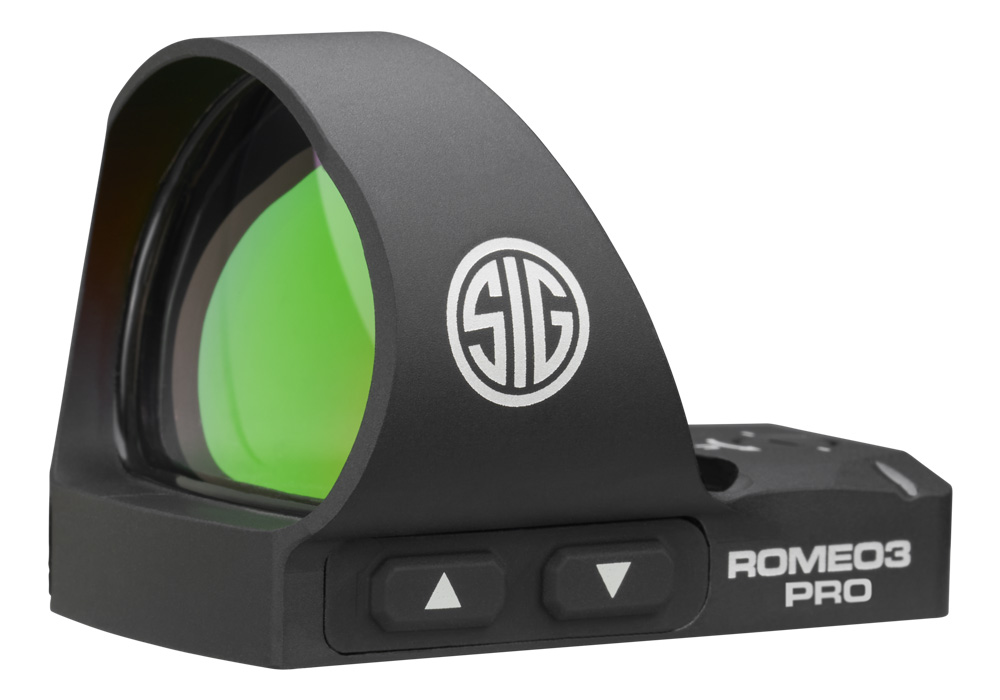
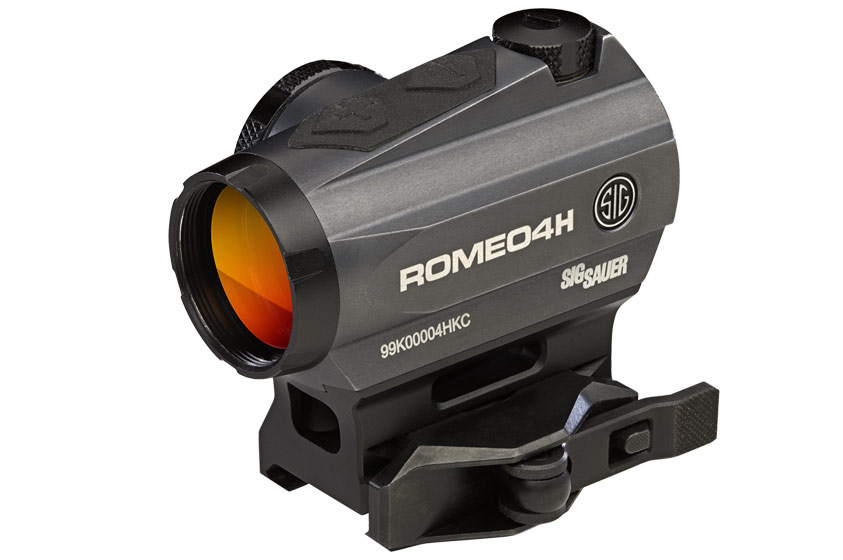
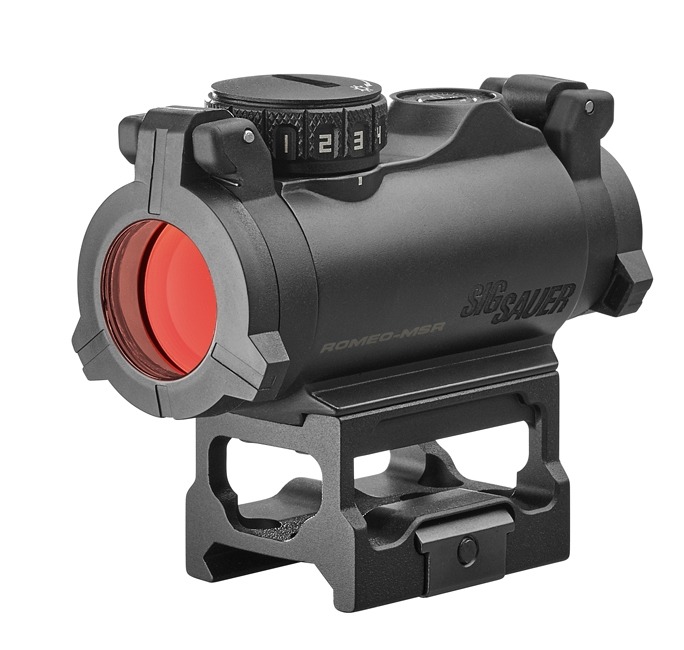
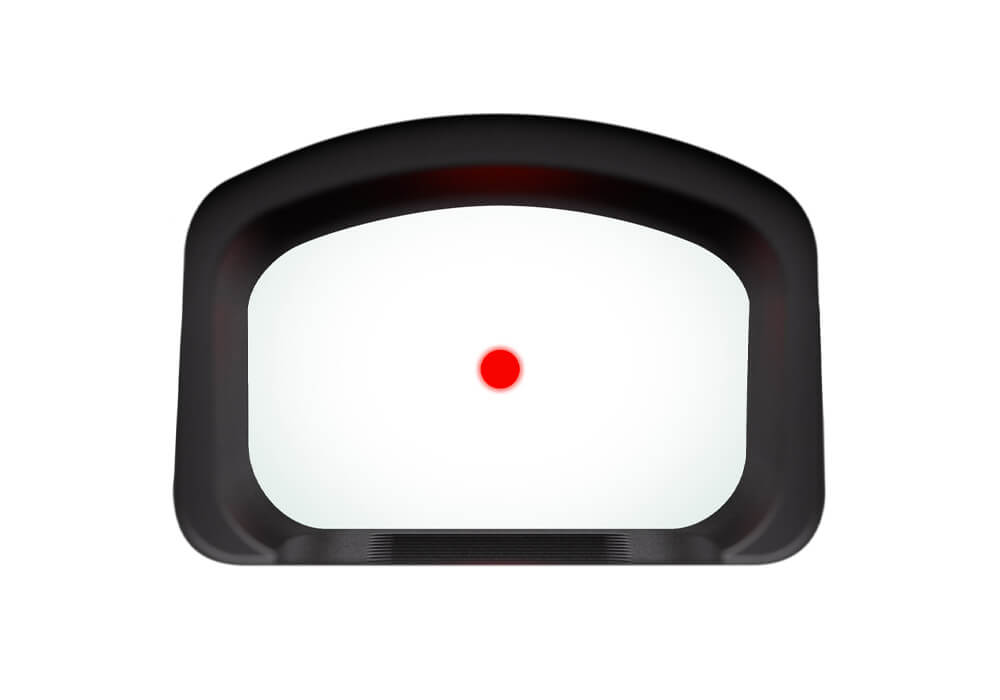
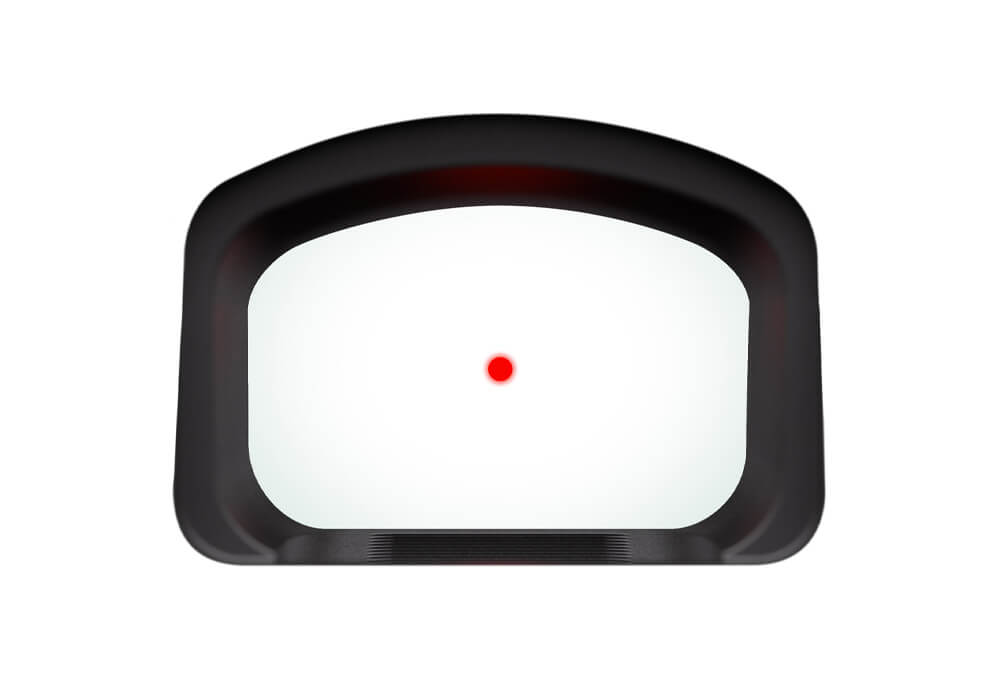
Lightweight red dot sights for shotguns offer a fast, natural aiming reference without adding unnecessary bulk to the receiver. Their small profile helps preserve the quick handling that makes a shotgun useful in the field, on the range, or for defensive readiness, while a bright illuminated point can be easier to find than a traditional bead in changing light. For many shooters, the appeal becomes clear the first time a shotgun is shouldered with both eyes open: the target remains visible, the sight picture feels less restrictive, and the illuminated point settles where attention is already focused. A compact optic can be especially helpful for hunters moving through thick cover, clay shooters working through a rapid presentation, and homeowners who want a clear aiming reference in a high-stress environment. Before selecting a sight, confirm that its design is intended for shotgun use and can withstand the substantial recoil produced by heavy 12-gauge loads. A durable housing, secure adjustment controls, reliable illumination, and a lens that stays clear in rain or dust all matter when an optic must perform beyond a calm indoor range. Battery access and battery life deserve attention as well, particularly for a sight kept on a defensive shotgun or carried during long days outdoors. Some models include automatic brightness features, motion-activated illumination, or backup solar support, while others keep the controls deliberately simple. The best choice is the one that fits the shotgun, the mounting system, and the shooter’s habits without complicating a familiar setup.
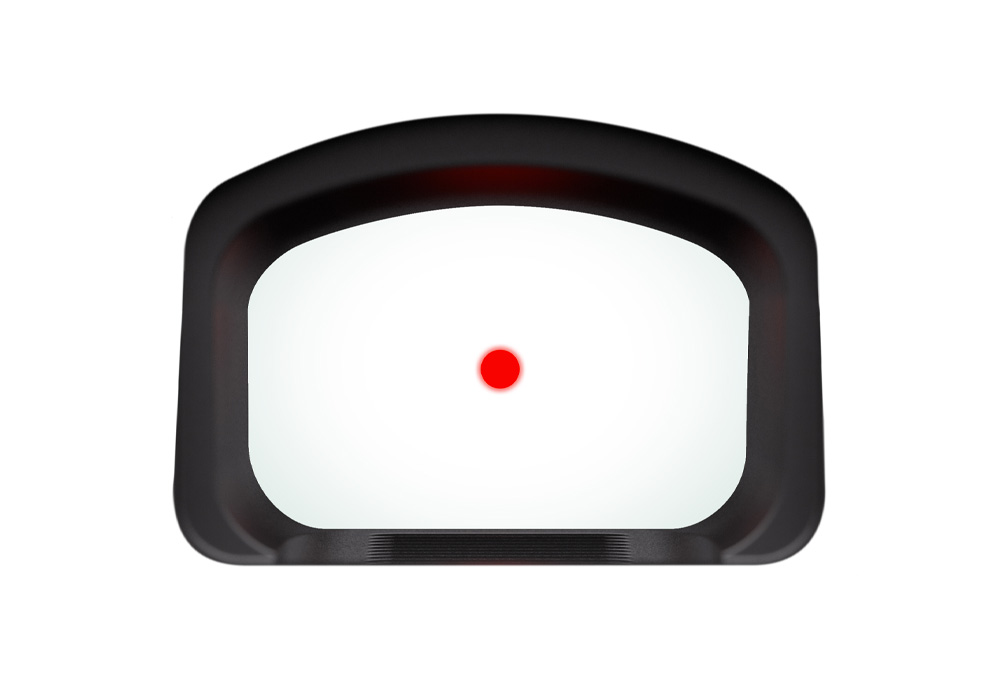
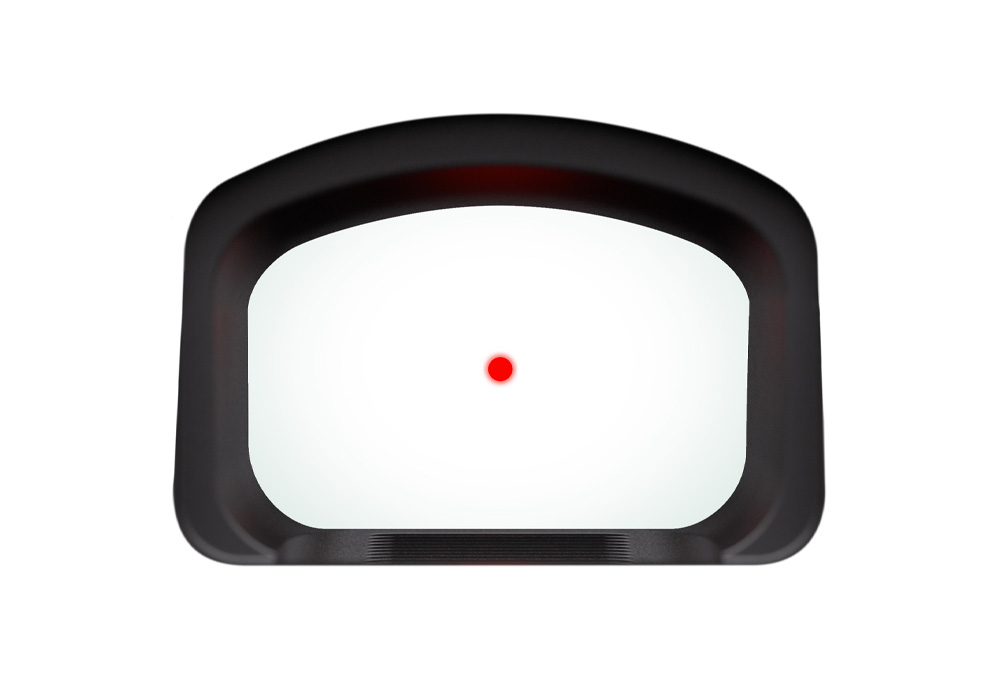
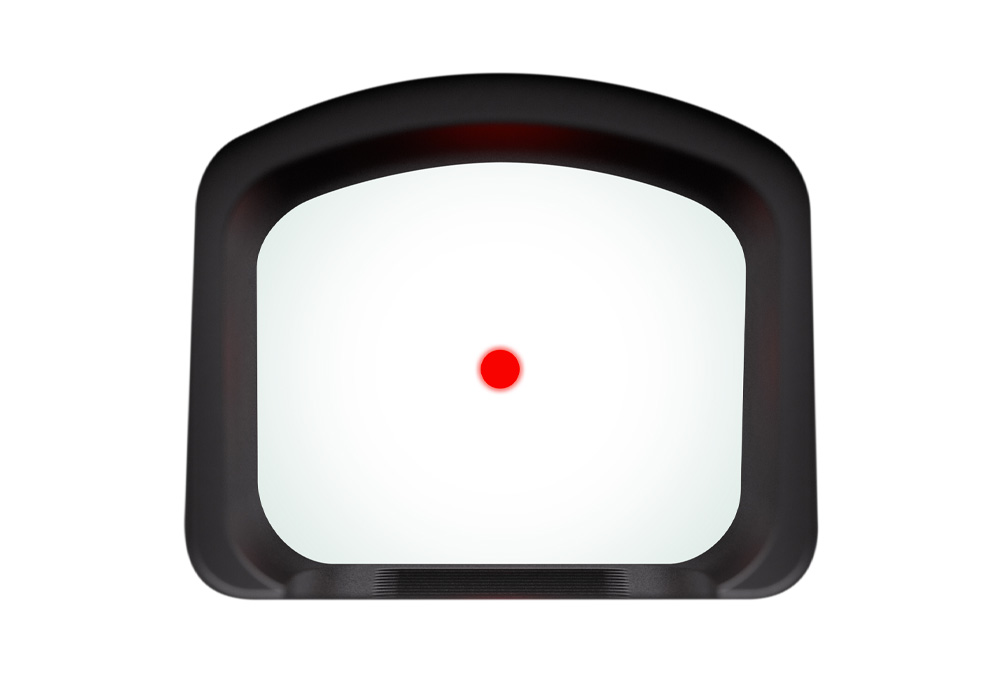
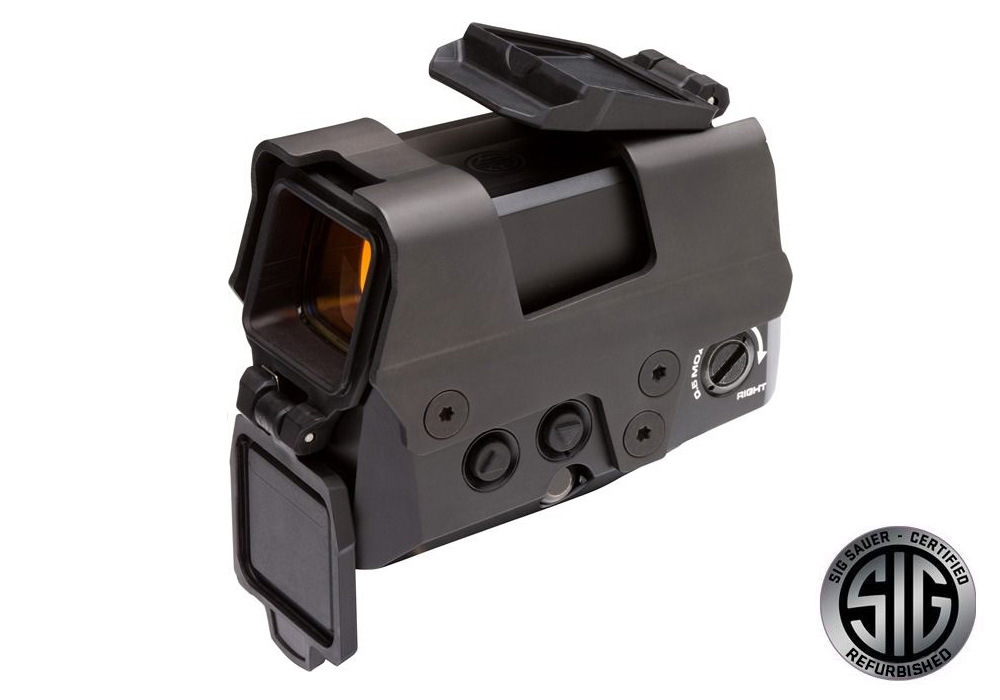
Size and mounting geometry are just as important as weight. An optic that weighs only a small amount can still feel awkward if its base sits too high, interferes with the loading area, or prevents a consistent cheek weld. Look for a mounting solution designed for the specific shotgun pattern, receiver, and optic footprint, then check that the sight sits as close to the bore line as practical. A low-profile direct mount may provide a clean appearance and a repeatable presentation, while a saddle-style mount can be useful when the receiver does not offer a suitable interface. The goal is a comfortable alignment in which the shooter can bring the shotgun to the shoulder and find the illuminated point without searching or lifting the head. Open-emitter designs generally keep weight low and provide a broad field of view, though the exposed LED area can be more vulnerable to rain, mud, snow, or debris. Enclosed-emitter designs add protection around the optic system and may appeal to hunters who expect wet brush, blowing grit, or frequent travel in rough conditions. Lens coatings, window size, adjustment range, and reticle options also influence the experience. A crisp single dot can be quick and uncluttered for close-range work, while a selectable reticle may offer additional reference points for different loads or distances. Regardless of the reticle style, confirm that the controls are easy to operate with gloved hands and that the sight can be zeroed reliably. After installation, use the same ammunition intended for field or defensive use, verify the zero from a stable rest, and then practice from realistic ready positions. The process is less about chasing the smallest group on paper and more about confirming that the dot appears where the shotgun is naturally pointed.
These optics can suit a wide range of shooters and can also be a thoughtful gift for someone who already owns a compatible shotgun. A lightweight red dot may be useful for a new hunter learning to maintain focus on a moving target, an experienced competitor refining transitions between stations, or a family member preparing a trusted defensive setup for the cooler months. For a gift, compatibility is the detail that matters most: identify the shotgun model, receiver pattern, preferred mounting method, and intended use before choosing an optic. A sight that works beautifully on one platform may require a different base or mounting plate on another, and the wrong interface can turn an otherwise useful present into an inconvenient project. It is also wise to consider the recipient’s vision, shooting posture, and normal clothing. Someone who practices in heavy outerwear may need a setup that remains easy to locate with gloves and a higher collar, while a hunter in wet timber may value an enclosed design and strong weather resistance. Keep protective covers, spare batteries, mounting hardware, and the correct tools nearby, and inspect the screws and mount periodically after firing sessions. During seasonal changes, temperature swings and moisture can affect both batteries and fasteners, so a quick function check before heading outside is worthwhile. Whether the shotgun rides in a field case, rests in a secure home storage area, or travels to the range, a compact sight should support safe handling rather than replace it. Always follow the shotgun and optic instructions, keep the muzzle pointed in a safe direction, identify the target and what lies beyond it, and confirm that the firearm is unloaded whenever it is being installed, adjusted, or stored. For shoppers comparing compact aiming options across different platforms, the Lightweight Red Dots collection provides a useful place to review low-profile designs, mounting considerations, and features that can help a shotgun remain quick, balanced, and ready for its intended role.