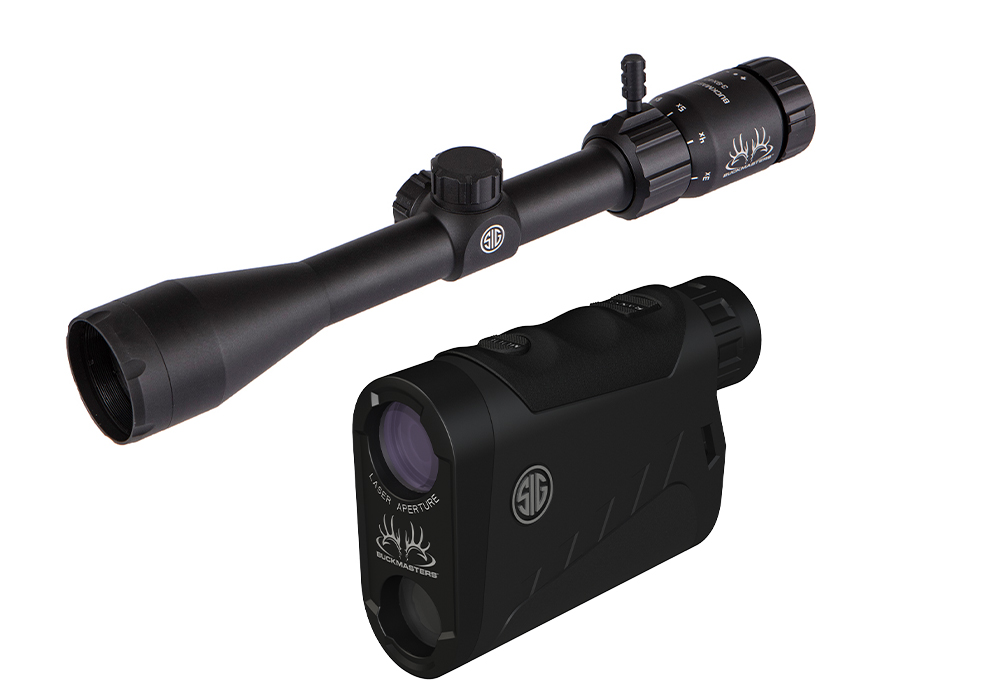
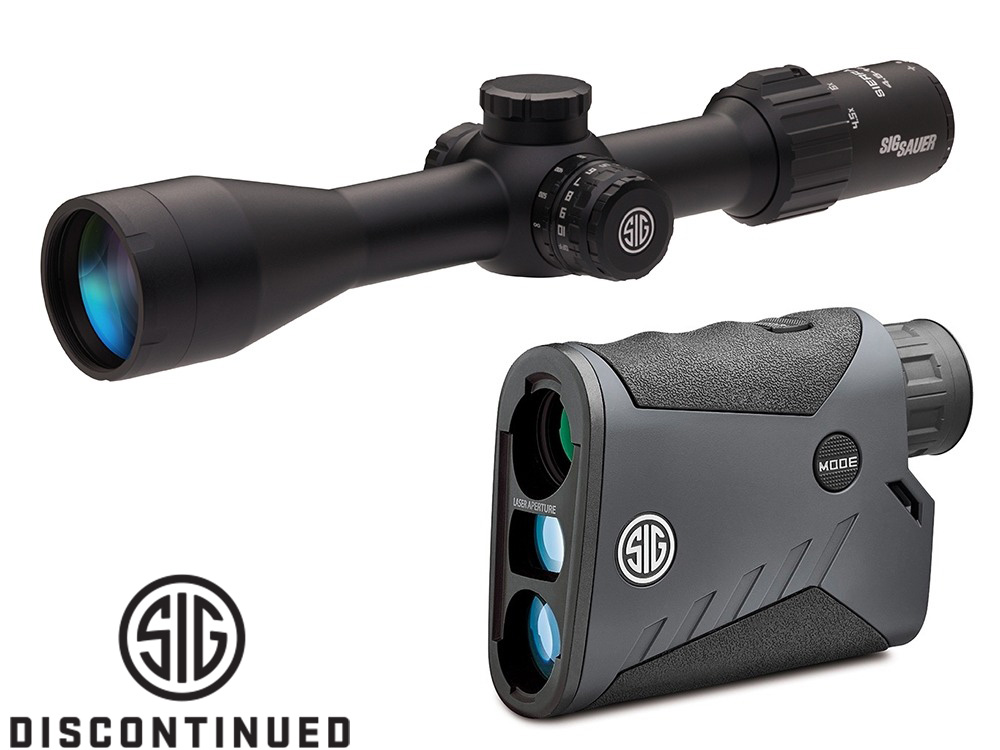
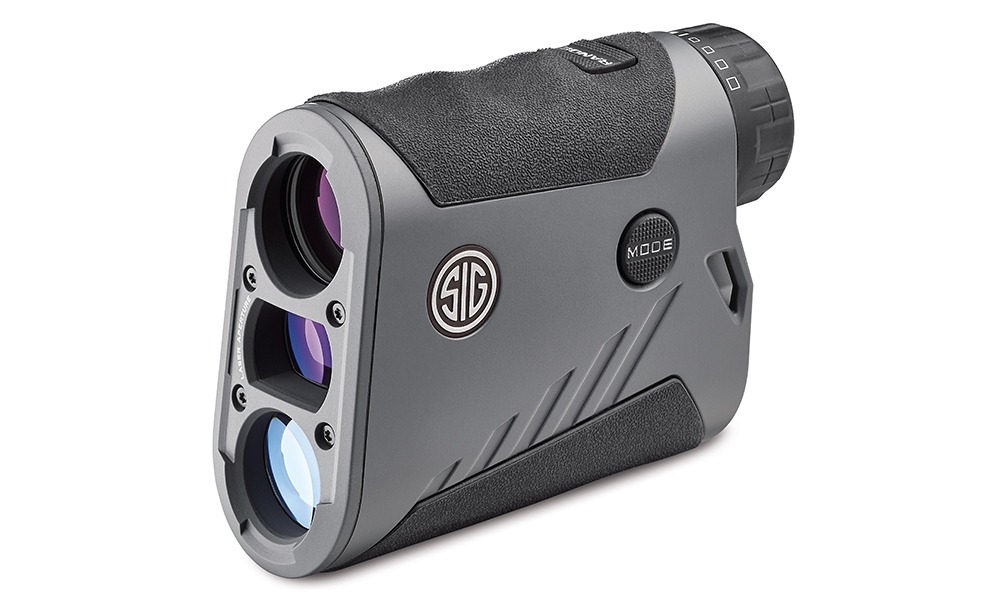
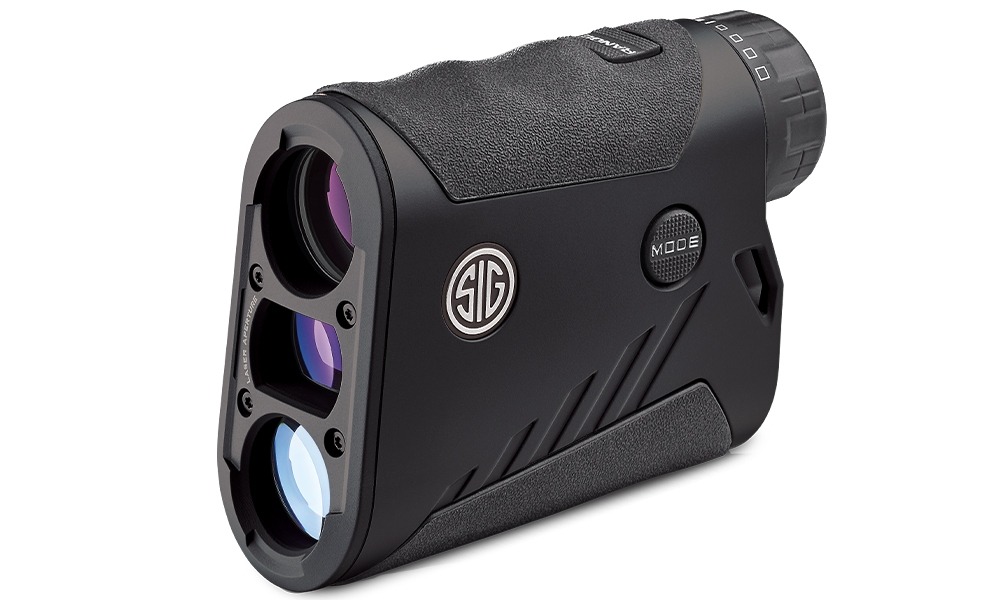
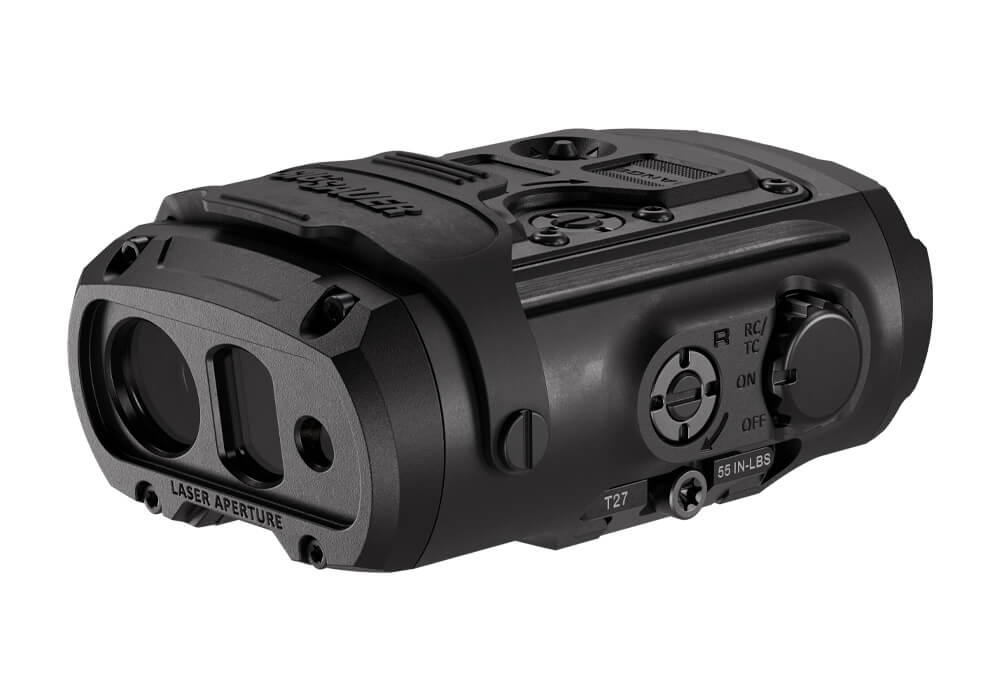
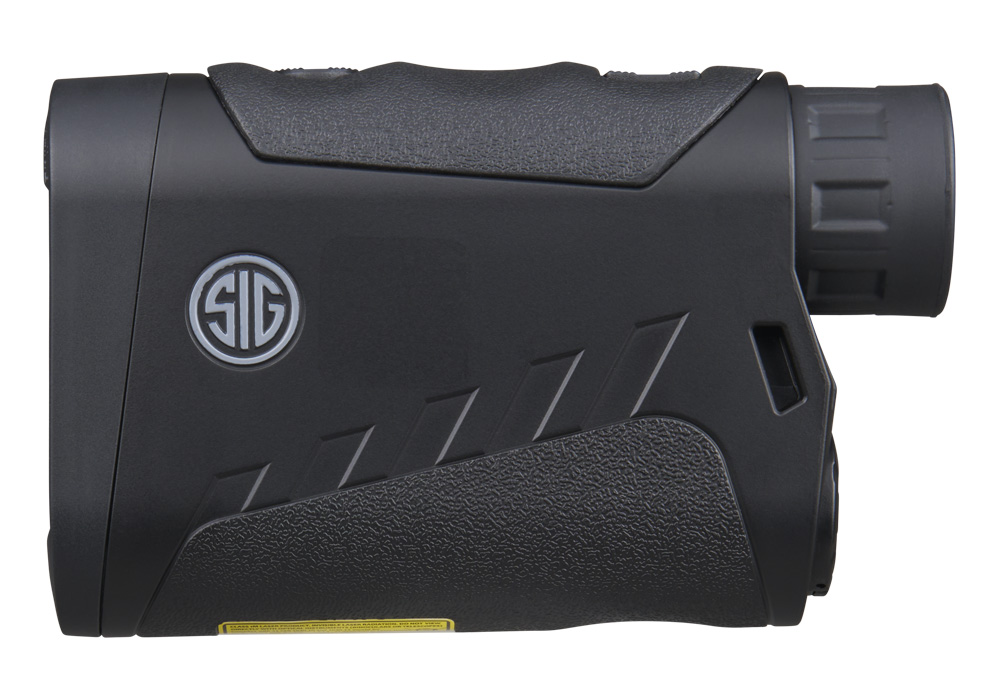
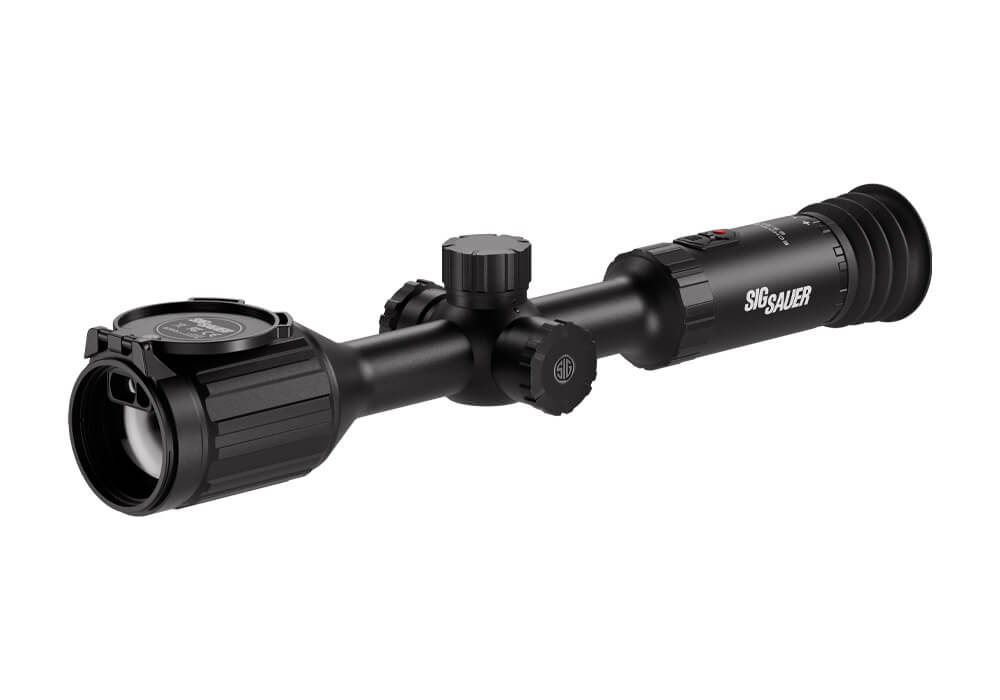
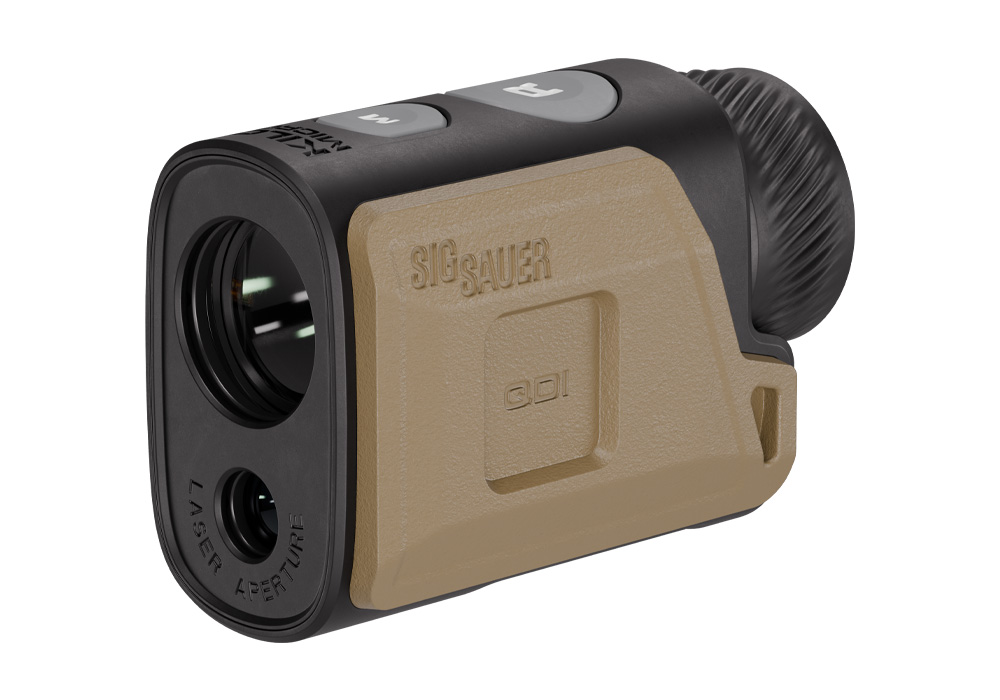
Memorial Day shooting rangefinder kits bring together practical observation tools for range days, hunting trips, and outdoor practice, making them a useful choice for anyone who wants faster, more consistent distance information in the field. A typical kit may include a standalone laser rangefinder, rangefinding binoculars, or a ballistic combination that pairs a rangefinder with compatible aiming equipment and software. These systems are designed to measure the distance to a target or landmark and, depending on the configuration, may help calculate ballistic corrections such as holdovers. For a recreational shooter, that can mean spending less time estimating distance across a long firing lane and more time concentrating on a steady position, proper sight picture, and safe shot placement. Hunters may use a rangefinder to judge the distance to a stationary animal or to confirm the terrain between a blind and a clear shooting lane. Range staff, instructors, and experienced competitors can also appreciate the repeatability these tools bring to practice sessions. During the warmer seasons and into the cooler months, a rangefinder kit can be especially helpful when changing light, uneven ground, and greater distances make visual estimation less dependable. A Memorial Day purchase may also serve as a thoughtful gift for a responsible adult who spends weekends at the range, prepares for hunting season, or enjoys testing equipment in open country. Choosing a kit rather than a single device can simplify setup and provide useful accessories from the start, while a standalone unit may be the better fit for someone who already owns compatible optics or prefers a compact gear bag.
When comparing Memorial Day shooting rangefinder kits, start with the way the equipment will be used. Standalone laser rangefinders are generally easy to carry and quick to operate, with a compact form that works well for range bags, hunting packs, and field kits. Rangefinding binoculars combine magnification, viewing, and distance measurement in one housing, which can be convenient when glassing a hillside or scanning a broad shooting area. Magnification and objective size affect both portability and low-light performance, so a smaller configuration may suit a mobile hunter while a larger configuration can be attractive for extended observation from a fixed position. Glass clarity matters at dawn, dusk, and under overcast skies, when a sharp image helps separate a target from brush, shadows, or a distant berm. Display design deserves equal attention: a red OLED readout can remain easier to see against darker backgrounds, while adjustable brightness helps prevent the display from overwhelming the view in changing light. Check the stated ranging distance, target modes, scan functions, weather resistance, and controls before choosing. A unit intended for close and medium-range target work may not offer the same practical reach or ballistic features as one designed for longer-distance shooting. Ergonomics are important as well. Buttons should be easy to locate with gloved or wet hands, the housing should feel secure during one-handed use, and the eyecups or viewing geometry should be comfortable for the intended user. For buyers considering an integrated setup, ballistic software, Bluetooth connectivity, and mobile-app synchronization can provide calculated aiming information based on ammunition, environmental conditions, and rifle data. Compatibility should be confirmed before purchase, including support for the chosen optic, firearm platform, ammunition profile, and operating system. These features can streamline a well-prepared setup, but they work best when the user has entered accurate data and verified the results at the range rather than relying on an electronic correction without confirmation.
A complete kit can also be evaluated by the details that make equipment easier to maintain and carry. Look for a protective case, lens cloth, secure strap, and a battery solution suited to regular use; many compact laser rangefinders use CR2 batteries, and keeping a fresh spare in the case can prevent a planned range session from ending early. A tripod adapter may be valuable for precision work, extended glassing, or anyone who prefers a stable, hands-free observation position. Consider whether the kit includes the accessories needed for immediate use or whether those items must be purchased separately. Weather sealing, durable exterior materials, and covered controls can add confidence when equipment is moved from a dry bench to a dusty trail or damp blind. As the weather warms, range days often stretch into longer sessions, while cooler conditions can bring low-angle light and heavier layers that make compact, glove-friendly controls more important. Store optics with the caps fitted, wipe away dust and moisture before packing them, and keep batteries separate when equipment will sit unused for an extended period. Anyone building a broader aiming setup may also want to compare this collection with Memorial Day Shooting Red Dot Sights for complementary sighting options. Whether selected as a Memorial Day gift or added to a personal kit, the right rangefinder should match the user’s distances, lighting conditions, shooting style, and existing equipment. Used responsibly and verified through careful practice, these tools can make distance estimation more deliberate and help shooters approach every session with better preparation.