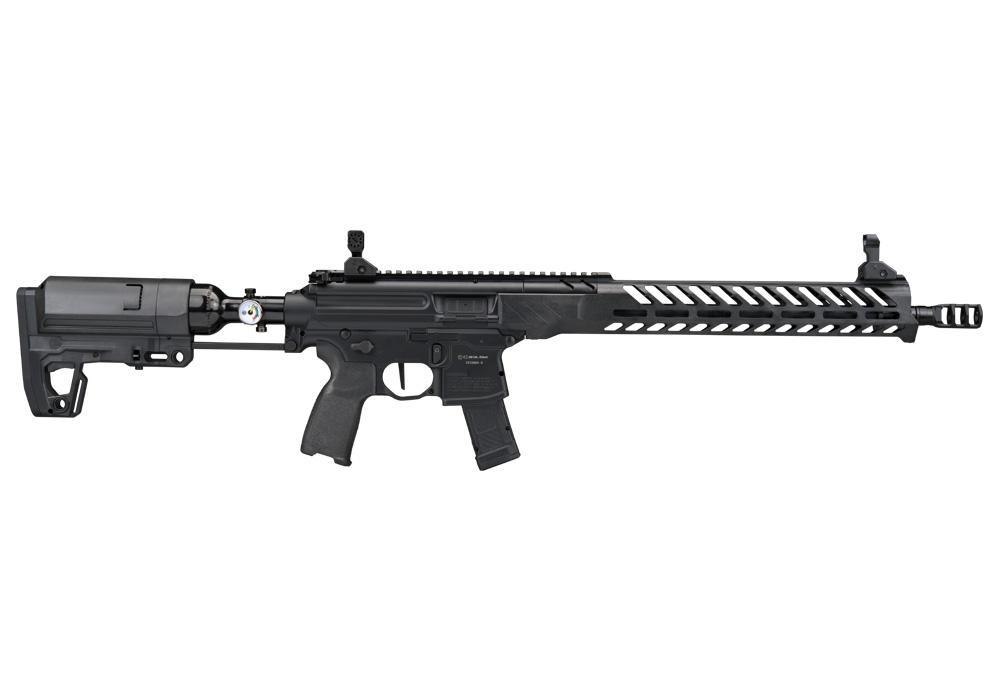
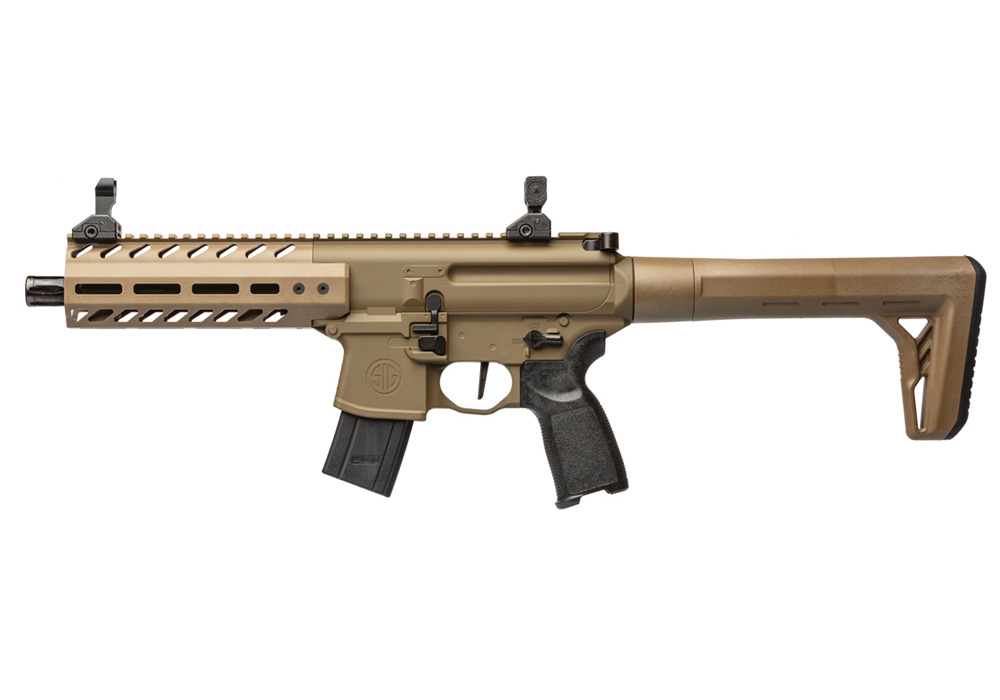
Modern tactical pellet rifles combine the approachable shooting characteristics of an airgun with the familiar layout and accessory compatibility of contemporary sporting platforms. Their designs often replicate the proportions, controls, handling balance, and modular appearance associated with modern carbine-style firearms, while using pellets propelled by CO2, pre-charged pneumatic air, or a spring and gas-piston system. This combination makes them useful for informal target shooting, structured practice, pest-control tasks where lawful and appropriate, and building safe familiarity with basic firearm-style controls. Many feature an adjustable stock, pistol grip, handguard, or standard Picatinny accessory rails for mounting a red-dot sight, scope, light, laser, or angled grip. Before purchasing, consider the intended setting, local regulations, available backstop, and the level of realism that best suits the user. A compact configuration can be convenient for movement around a garage range, workshop, or sheltered outdoor space, while a longer setup may offer a steadier hold and a more traditional sighting experience. Weight matters as well: a heavier rifle can feel more substantial and stable during deliberate practice, whereas a lighter model may be easier for younger or smaller-framed shooters to handle under close adult supervision. These rifles can be a thoughtful gift for an experienced airgun enthusiast, a recreational shooter building a backyard range, or someone interested in learning the fundamentals of stance, sight alignment, trigger control, and safe loading before moving to more powerful platforms. They should always be treated as real weapons, stored securely, and used only with appropriate eye protection and a dependable pellet trap or backstop.
The power system is one of the most important differences among modern tactical pellet rifles. CO2-powered designs use disposable cartridges and are often selected for their convenient repeater operation, consistent handling, and realistic semi-automatic or other rapid-action controls, depending on the specific model and applicable restrictions. CO2 performance can vary with temperature and shooting pace, so these rifles are particularly well suited to controlled recreational sessions where convenience and familiar operation are priorities. Pre-charged pneumatic, or PCP, rifles use a reservoir filled with compressed air and are valued for efficient shot delivery, reduced vibration, repeatable accuracy, and multi-shot operation. They generally require an appropriate hand pump, compressor, or fill equipment, but that added preparation can be worthwhile for shooters who prioritize precision and extended range sessions. Spring-piston and gas-piston rifles generate power through a cocking mechanism and typically offer a self-contained experience without cartridges or an air tank. Although break-barrel layouts are less common among tactical chassis designs, they remain practical for shooters who appreciate a straightforward setup and minimal supporting equipment. Pellet choice should match the rifle’s caliber, magazine, and manufacturer specifications. The .177 caliber is widely used for target practice and plinking because of its flat trajectory and broad pellet availability, while .22 caliber pellets are heavier and may be preferred when greater impact energy is useful within the rifle’s intended role. Some platforms accept traditional lead pellets only, while others may support specialized projectiles or slugs, so compatibility should be confirmed before loading. Magazine format also affects the experience, with rotary systems, belt-style magazines, and other repeating designs offering different combinations of speed, convenience, and realistic manual operation. Standard or extended capacity magazines can be considered according to the range setup and local requirements, with safe handling always taking priority over shooting speed.
Accessory support is another defining feature of this category. A continuous top rail can provide a stable mounting surface for a compact red-dot sight, which is useful for quick target acquisition at short distances, while a low-power optic may help with more deliberate shooting and precise pellet placement. Side or lower rails can accommodate a light, bipod, or other compatible accessory, although every addition changes the rifle’s weight and balance. Start with the equipment that directly supports the intended activity rather than adding accessories for appearance alone. For a casual range session, a dependable sight, a few tins of correctly sized pellets, and a secure pellet trap may be all that is needed. For practice modeled after a carbine setup, an adjustable stock and familiar grip angle can help reinforce consistent mounting and trigger technique. Always inspect mounting screws, confirm that accessories are securely attached, and verify that an optic is rated and suitable for airgun use. A thoughtful setup can make cooler-month practice more comfortable by bringing the activity under a covered patio or into a dedicated indoor range, provided the space has proper ventilation, a safe backstop, and no possibility of pellets escaping. As the weather warms, an outdoor target area can offer more room for varied distances and reactive targets designed specifically for airguns. Keep sessions structured: establish a clear firing line, identify everyone behind the shooter, keep the muzzle pointed in a safe direction, and unload the rifle before moving or making adjustments. Those habits make modern tactical pellet rifles approachable for recreational shooters while preserving the discipline that responsible marksmanship demands. For shoppers comparing related airgun options, the collection of Premium Pellet Pistols can also provide a compact alternative for close-range target practice and familiarization.